
Pomeranian
"pom-uh-RAY-nee-un"
Germany· Pomerania (Baltic coast, Germany/Poland)
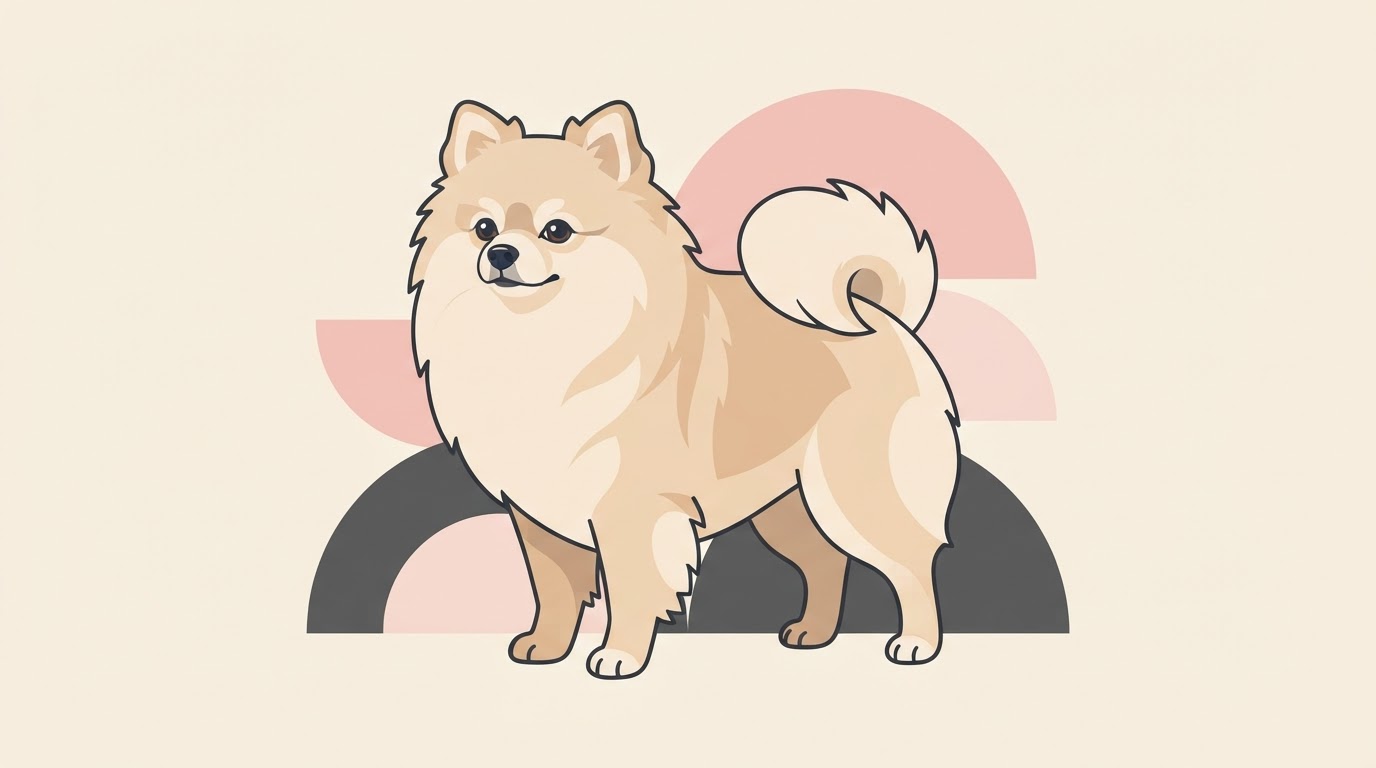
The Pomeranian is a small, fox-faced toy breed known for its dense, standing double coat and lively, confident manner, descended from much larger German Spitz sledge and herding dogs.
At a glance
Quick facts
Size
Toy
Exercise needs
20-30 minutes daily plus play
Home size suited to
Flat or any size home
Grooming frequency
Weekly brush, hand-strip a few times a year
Coat length
Wiry
Sheds
Yes, heavily when moulting
Lifespan
12-16 years
Town or country
Either, happy in town
Garden size needed
None needed
Where it comes from
Origins of the Pomeranian
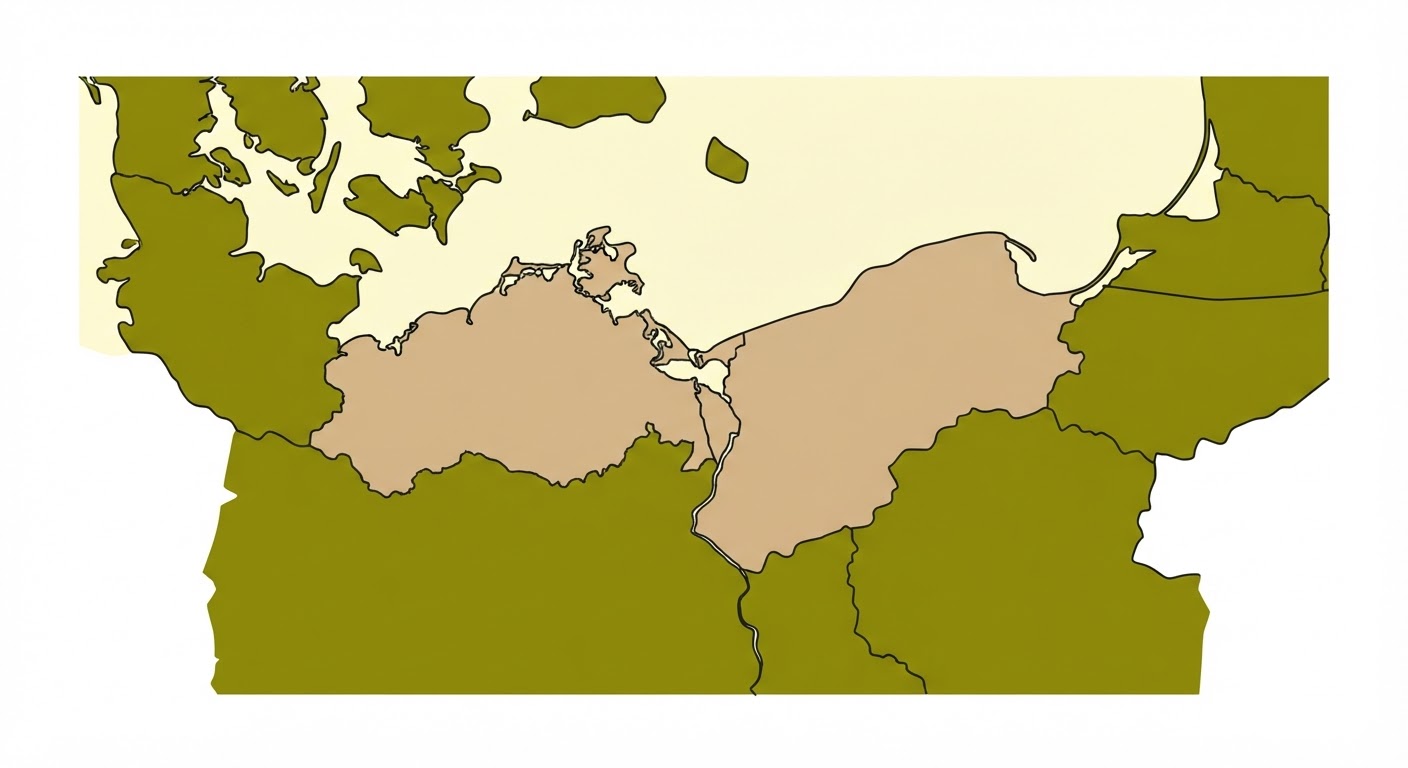
Named for the Pomerania region on the Baltic coast, where larger Spitz-type ancestors worked as farm and herding dogs. The thick double coat that survives in the miniaturised modern Pomeranian originally guarded against cold coastal winters.
- Region
- Pomerania (Baltic coast, Germany/Poland)
- Climate it was bred for
- Cold, coastal Baltic climate
- Original job
- Herding and farm work (as a larger Spitz-type dog)
The long read
About the breed
The breed takes its name from Pomerania, a region on the Baltic coast now split between Germany and Poland, where larger Spitz-type dogs worked as sheep herders and general farm dogs. Selective breeding for smaller size took off in the 1800s, especially in England after Queen Victoria acquired a small Pomeranian in Florence in 1888 and began breeding and showing them, driving demand for ever more miniature dogs. Within a few decades the breed had shrunk from around 14 kg working stock to today's 1.5–3.5 kg companion size.
Living with a Pomeranian means living with a dog that behaves far bigger than it looks. They are alert, curious and often surprisingly bold, quick to bark at anything unfamiliar, and capable of getting into scrapes with larger dogs without registering the size difference. The coat, while dramatic, actually needs only regular brushing two or three times a week rather than constant grooming, though seasonal shedding, known as blowing the coat, brings heavier moulting. Because of their small size, Pomeranians are prone to injury from rough handling or falls and are not the best fit for very young children.
Today the Pomeranian is one of the most popular toy breeds worldwide, kept almost exclusively as a companion. It suits owners who want a portable, characterful dog and are prepared to manage a confident personality with early socialisation and consistent, gentle training.
Living with one
Temperament & needs
Our own ratings, based on the breed standard and how these dogs behave in ordinary homes.
Friendliness
3/5
How openly the Pomeranian greets people it does not know.
Trainability
3/5
Clever but can be strong-willed if not handled with consistency.
Energy
3/5
Enjoys short bursts of activity and play.
Barking
5/5
Alert and vocal, quick to sound an alarm.
Grooming
4/5
Dense double coat needs regular brushing, more when shedding.
Suits a first-time owner
3/5
How forgiving the Pomeranian is for someone taking on their first dog.
Sociability
3/5
Devoted to family, wary of strangers.
Independence
2/5
Prefers being close to its people.
Illustrated breed standard
The points of the breed
Hover or tap a numbered point to read what the standard asks for.
Point 1
Skull
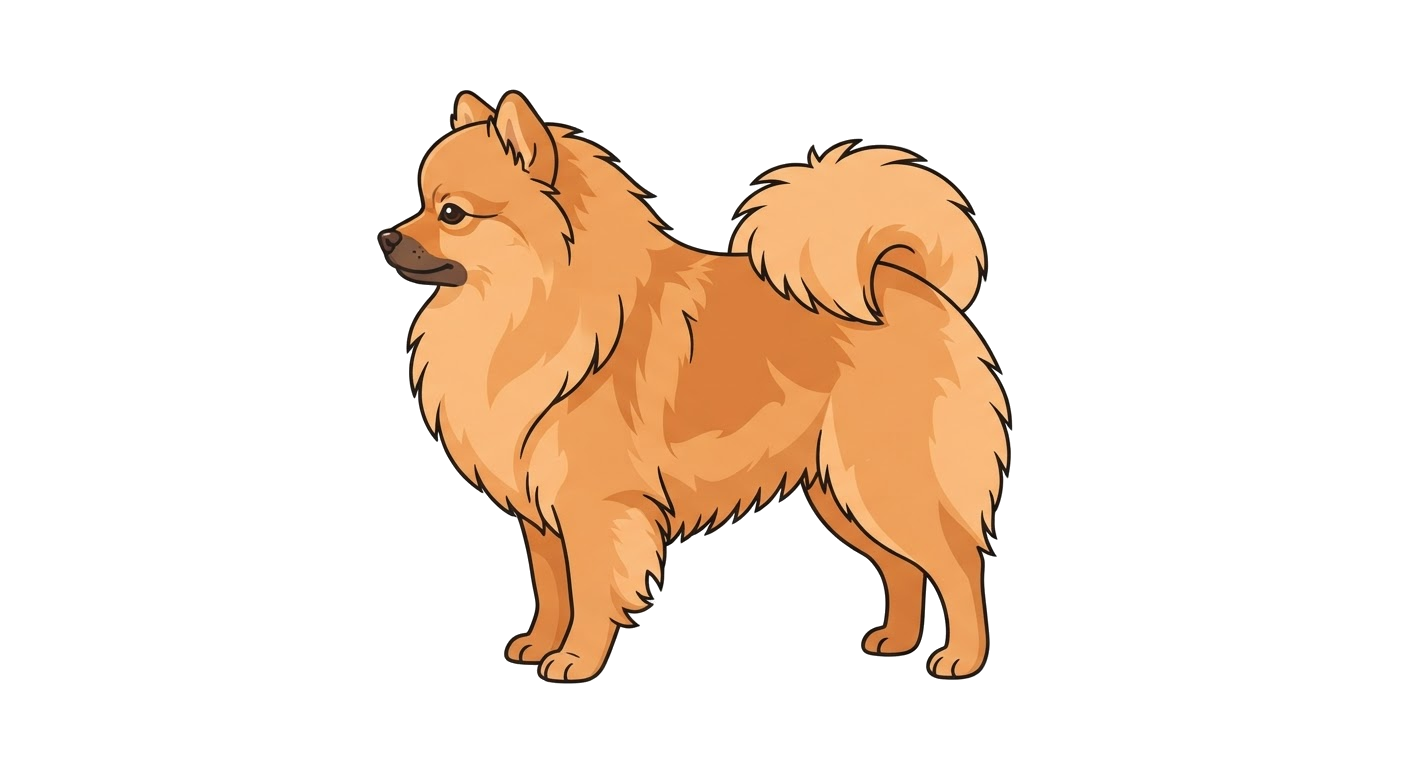
The Pomeranian's skull is judged on balance rather than size — proportionate to the body, with a clean cheek and a stop typical of the breed. Coarseness or an over-refined head are both faulted.
Colours & patterns
Recognised coats
Which coats the standard accepts — and which are simply popular.
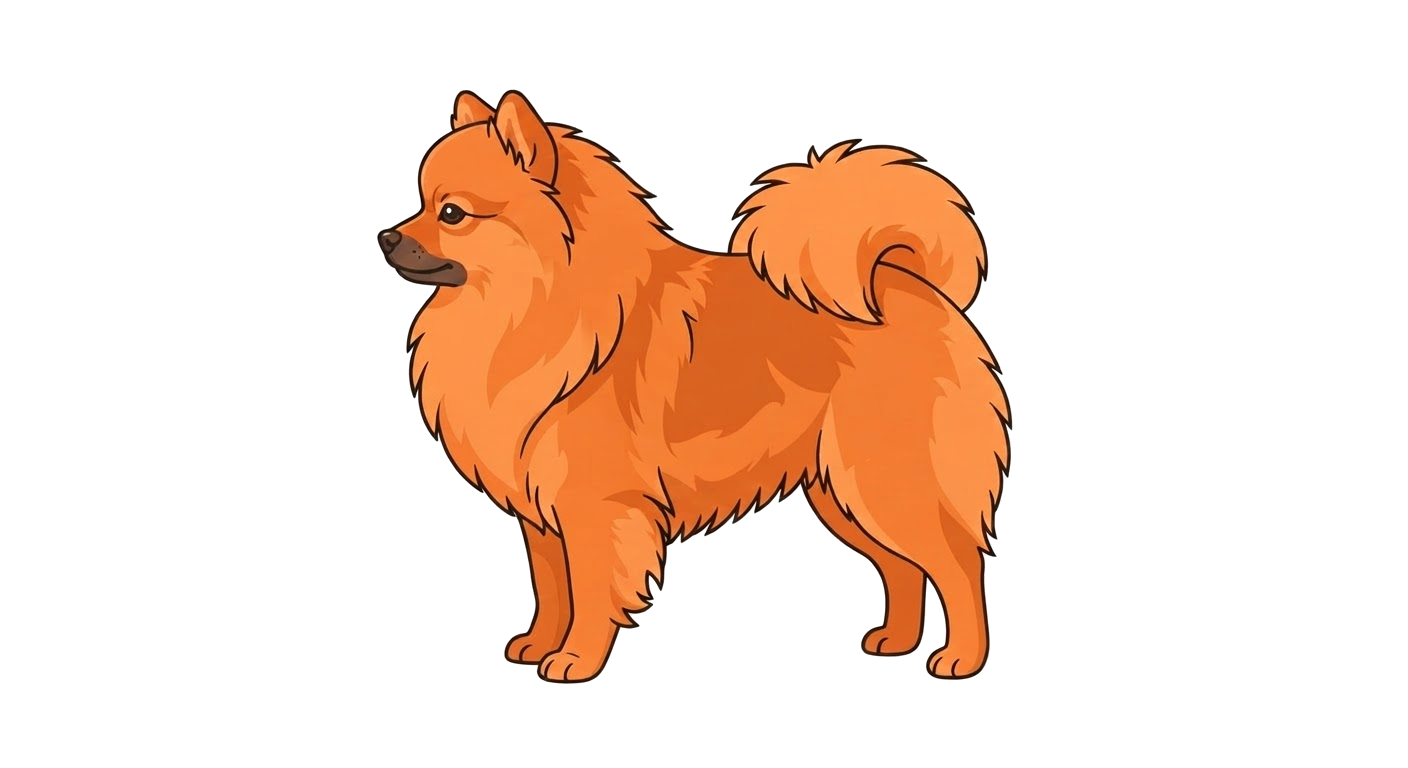
Orange
Standard colour
The most recognisable and popular colour.
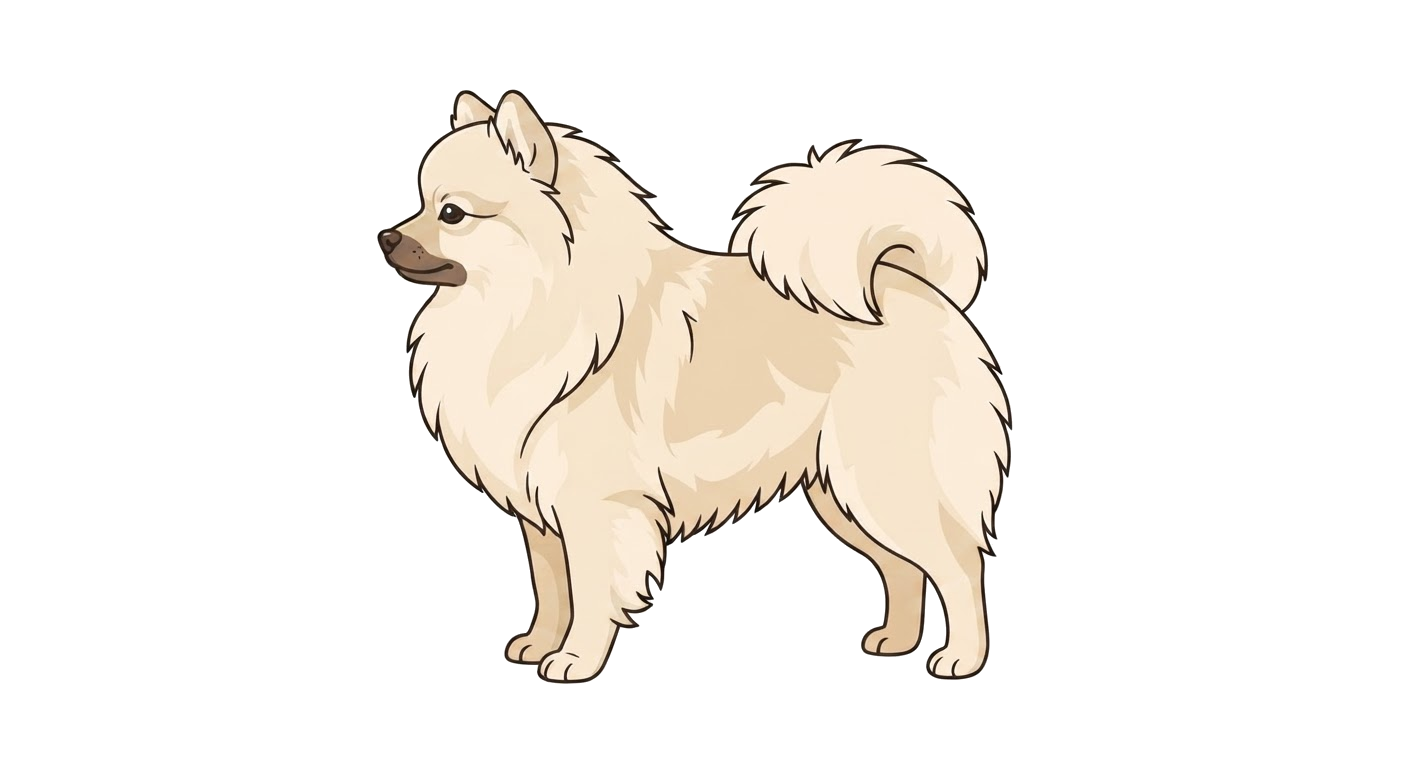
Cream
Standard colour
Soft pale colouring.
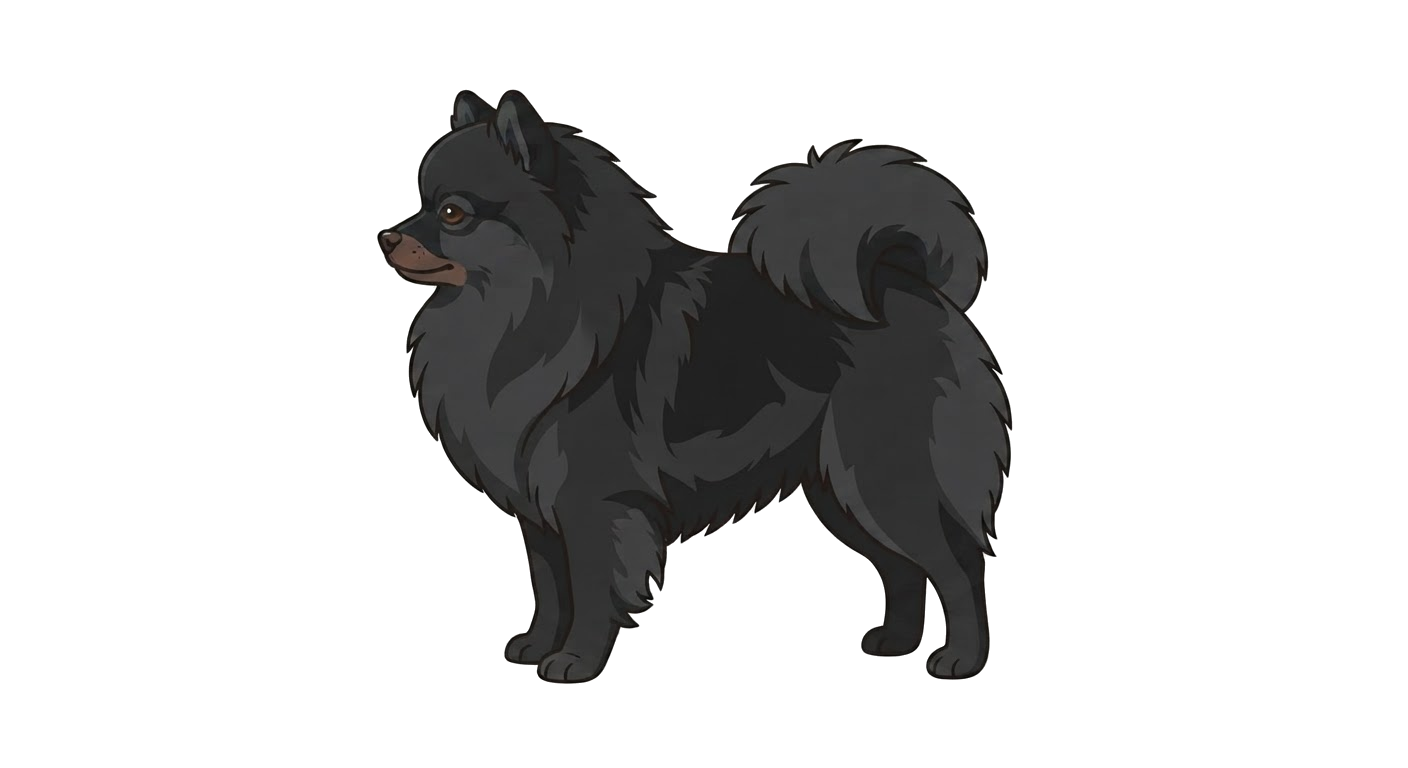
Black
Standard colour
Solid colour, less common than orange.
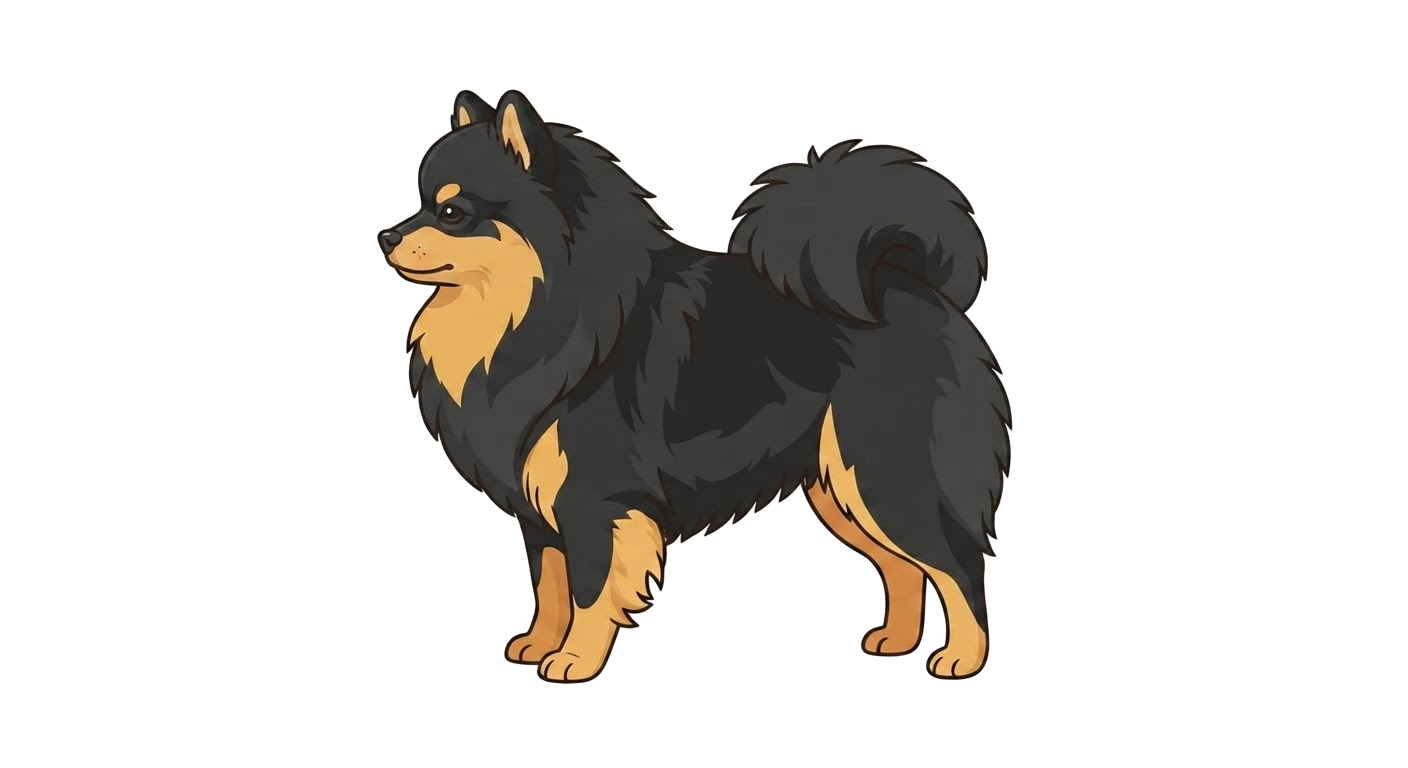
Black and tan
Standard colour
Distinct tan points on a black coat.
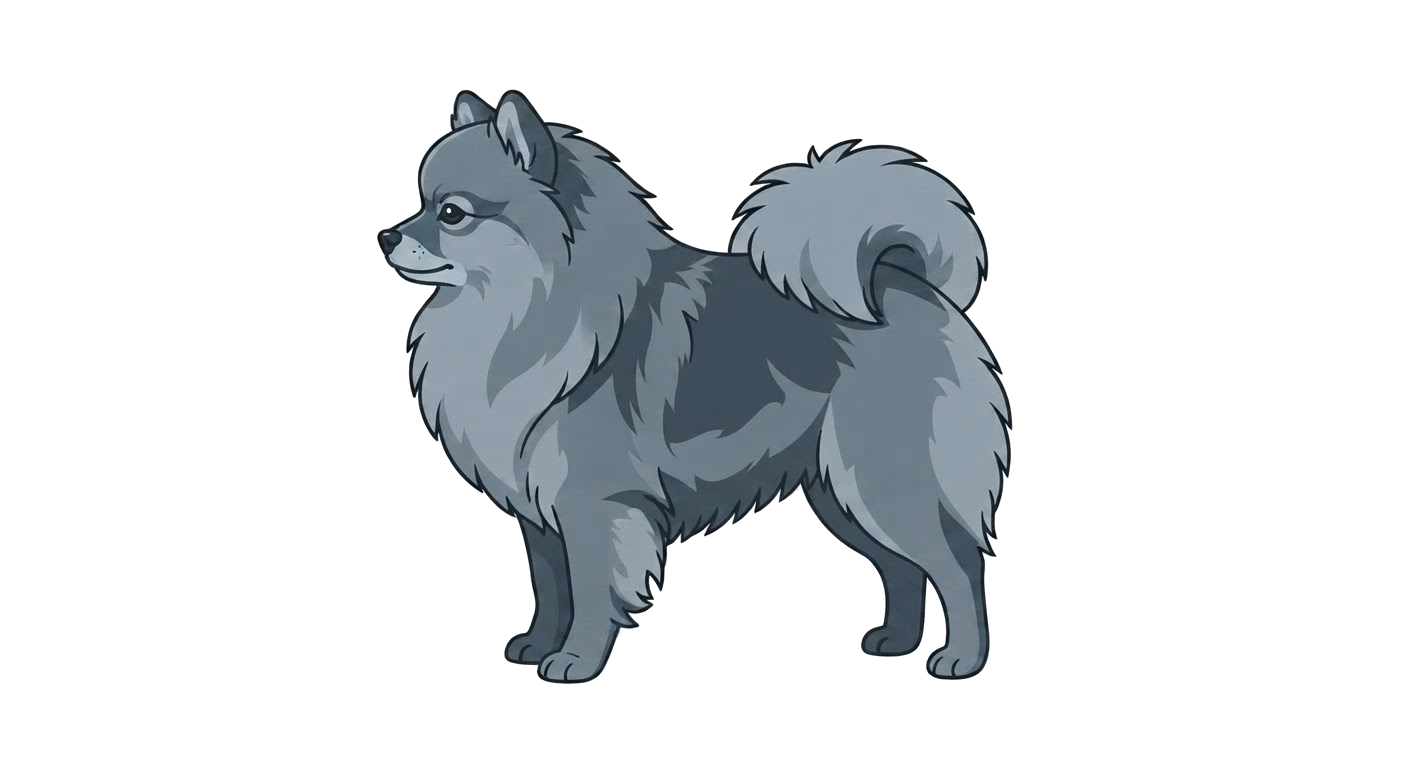
Blue
Standard colour
A diluted grey-blue shade.
Outside the standard
Other colours
Dilute coats you will see advertised. They are the same breed, but no kennel club accepts them.
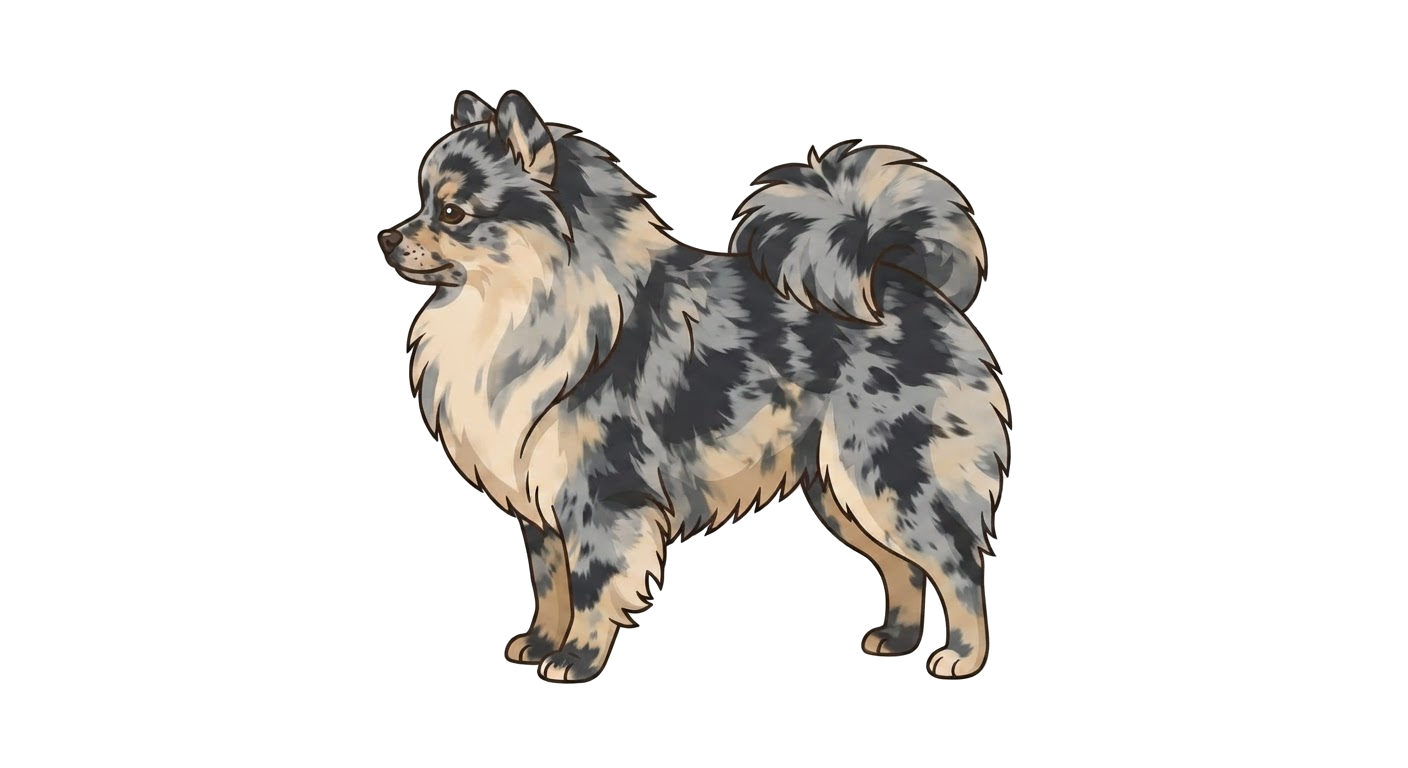
Merle
Not in the standard
A controversial pattern linked to health issues, not accepted by all registries.
Timeline
History & development
1700s
Larger Spitz ancestors
Sledge and herding Spitz dogs from Pomerania weigh around 14 kg, much larger than the modern breed.
1888
Queen Victoria's influence
Queen Victoria brings home a small Pomeranian from Florence and begins breeding and showing them, boosting demand for smaller dogs.
1900
Kennel Club recognition
The breed is recognised by the UK Kennel Club as its miniaturised form becomes standard.
1900s onward
Toy breed popularity
Continued selective breeding for smaller size cements the Pomeranian as a leading toy breed worldwide.
Reference
Breed standard summary
- body
- Short-coupled, compact.
- coat
- Double coat, harsh straight outer, soft dense undercoat.
- ears
- Small, erect, set high.
- eyes
- Medium, dark, bright and alert.
- gait
- Smooth, free, quick.
- head
- Wedge-shaped, fox-like, fine muzzle.
- size
- Toy
- tail
- Set high, flat, carried over the back.
- colour
- Orange, Cream, Black, Black and tan, Blue. Colours outside this list are seen but are not accepted by the kennel clubs.
- temperament
- Typical of the breed: strongest in barking, grooming, energy. Nervousness or aggression are serious faults in the show ring and in the home.
- general appearance
- Small, compact, fox-like expression with an abundant coat.
Health
What to screen for
Green means little to worry about, amber means ask the breeder for test results, red means manage it actively.
Luxating patella
Screen for it
Ask breeders about knee checks on parents.
Tracheal collapse
Screen for it
Use a harness rather than a collar to reduce strain.
Dental disease
Low concern
Small jaws are prone to crowding; regular dental care matters.
Alopecia X
Low concern
A coat-loss condition seen occasionally; ask about family history.
General information only — always speak to your vet about your own dog.
From real owners
Dogs like this
Pomeranians added by PawPoint members through their pet passports. Share yours to appear here.
Loading the wall…
Made for the Pomeranian
The book, plus prints, hoodies and mugs using our own Pomeranian illustration — and one everyday accessory that suits any dog.
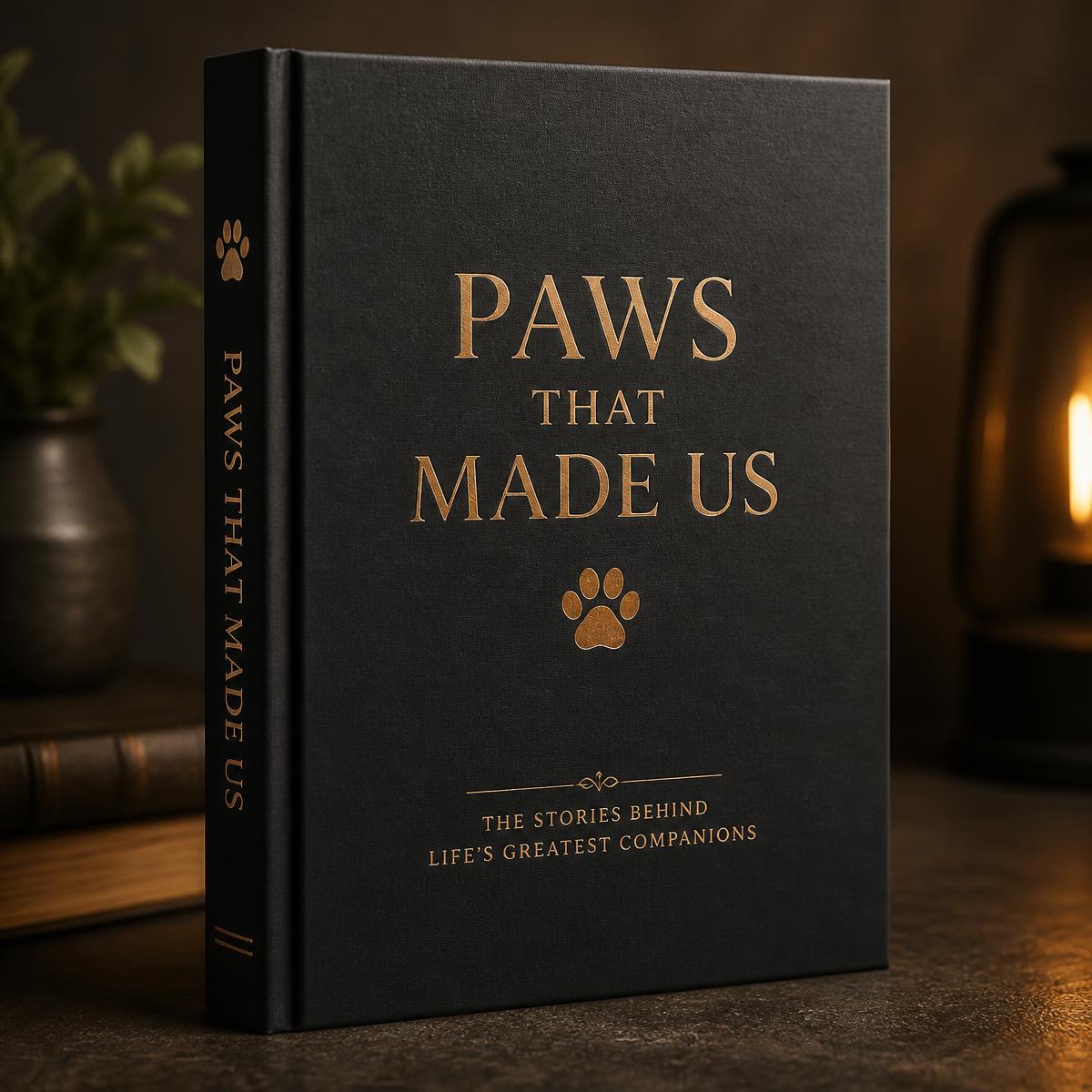
The book
Pawpoint: The Complete Dog Breed Book
Every officially recognised breed plus the unofficial ones nobody else documents. 400+ pages, hardback, printed and shipped from the UK.
Own stock — shipped by us
Framed poster
Pomeranian Framed Poster
Museum-weight print of our Pomeranian illustration, framed or unframed.
Printed to order
Hoodie
Pomeranian Hoodie
Heavyweight hoodie carrying the Pomeranian illustration on the chest.
Printed to order
Mug
Pomeranian Mug
Ceramic mug with the Pomeranian illustration wrapped around it.
Printed to order
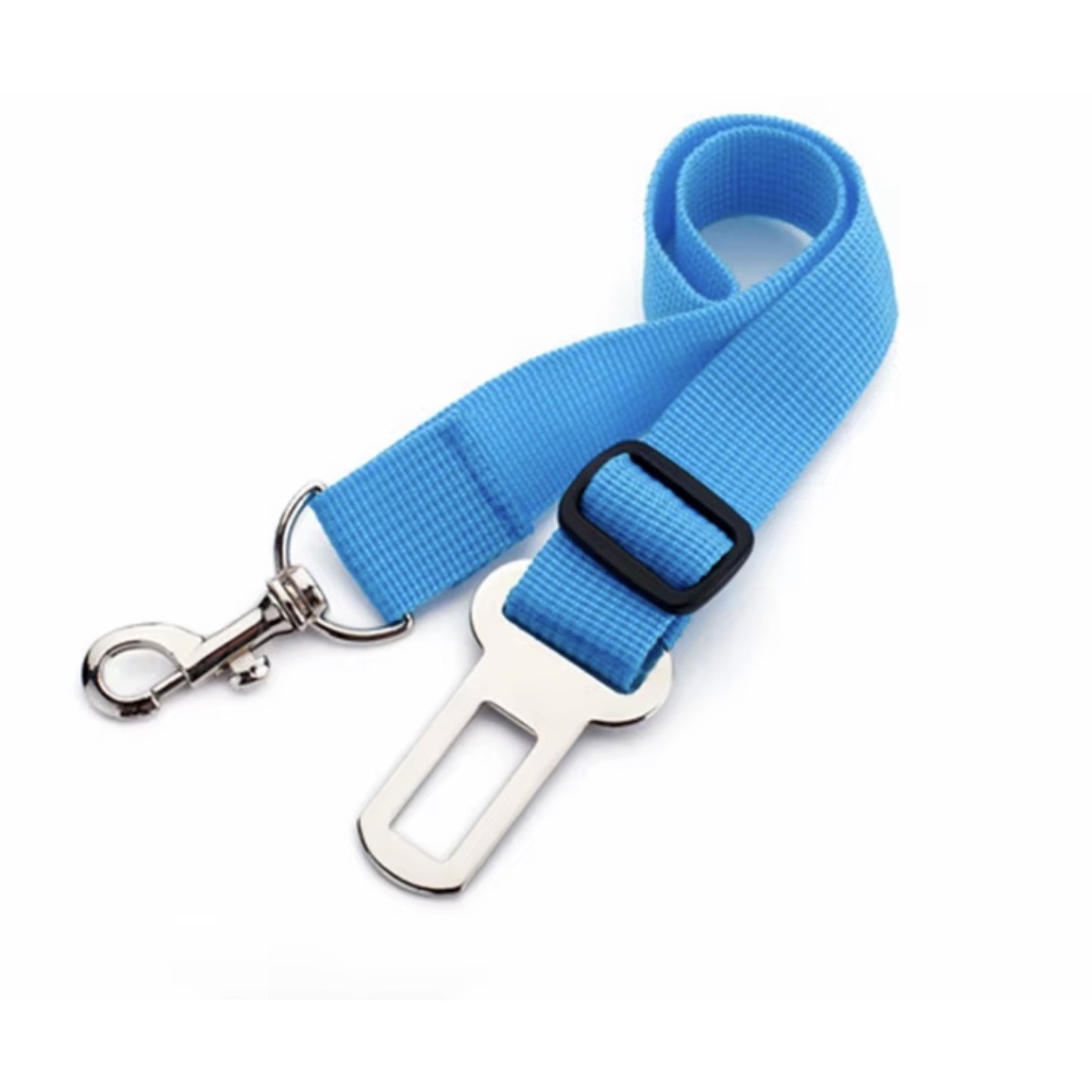
Accessory
Car Seatbelt Restraint
Clips any harness to a standard seatbelt buckle.
Fits any dog
Pawpoint on YouTube
Watch the full Pomeranian video
Breed deep-dives, history and honest ownership talk. New film every week.
Watch now