
Pomsky
POM-skee
United States· United States, designer-breeding programmes
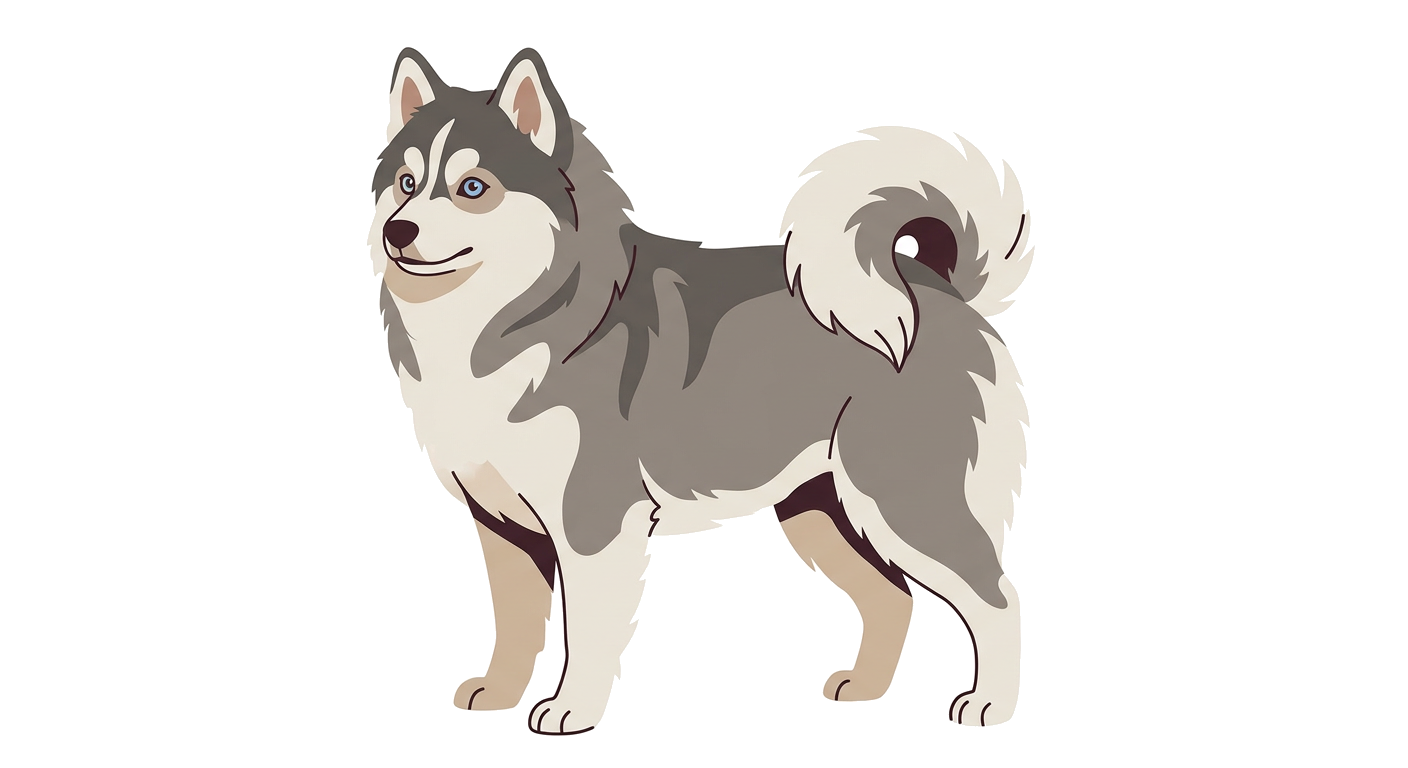
The Pomsky is a contemporary crossbreed produced by crossing the Siberian Husky and the Pomeranian. Emerging in North America in the early 2010s, the cross was conceived primarily to achieve a companion dog that replicates the wolf-like facial mask, erect ears, and plush coat of the Siberian Husky within a considerably smaller, more domestic frame. Because of the marked disparity in stature between the two foundation breeds, first-generation pairings are almost exclusively accomplished via artificial insemination, invariably utilising a Siberian Husky dam to avert severe dystocia and whelping trauma.
At a glance
Quick facts
Size
Small to medium (highly variable)
Exercise needs
Moderate to high (45–60 mins daily)
Home size suited to
Adaptable to flats or houses with adequate exercise
Grooming frequency
2–3 times weekly (daily during moult)
Coat length
Medium
Sheds
High (heavy seasonal blowout)
Lifespan
12–15 years
Town or country
Town or country
Garden size needed
Small to medium (securely fenced)
Where it comes from
Origins of the Pomsky

Developed in the United States during the early 2010s as a smaller, spitz-type companion dog.
- Region
- United States, designer-breeding programmes
- Climate it was bred for
- Temperate to cool continental
- Original job
- Companion crossbreed
The long read
About the breed
As an unrecognised designer crossbreed without sanction from major kennel registries such as The Kennel Club (UK) or the American Kennel Club (AKC), the Pomsky possesses no singular, universally binding breed standard. Consequently, physical type and adult size remain variable, particularly across first-generation (F1) litters where individual pups may manifest anything from a diminutive, fine-boned Pomeranian build to a substantial, heavier-set Nordic type. Subsequent generations (F2, F3, and multi-generational crosses) have been pursued by breed enthusiasts in an effort to stabilise size, conformation, and coat uniformity.
In character, Pomskies generally reflect a synthesis of the energetic, inquisitive nature of the Siberian Husky and the vigilant, affectionate temperament of the Pomeranian. They are typically lively, vocal, and alert, often demanding consistent mental stimulation and physical outlet to discourage destructive tendencies. While their companion qualities are frequently highlighted by breeders, prospective owners should expect variable grooming requirements, seasonal shedding, and an independent streak inherited from their spitz ancestry.
Illustrated breed standard
The points of the breed
Hover or tap a numbered point to read what the standard asks for.
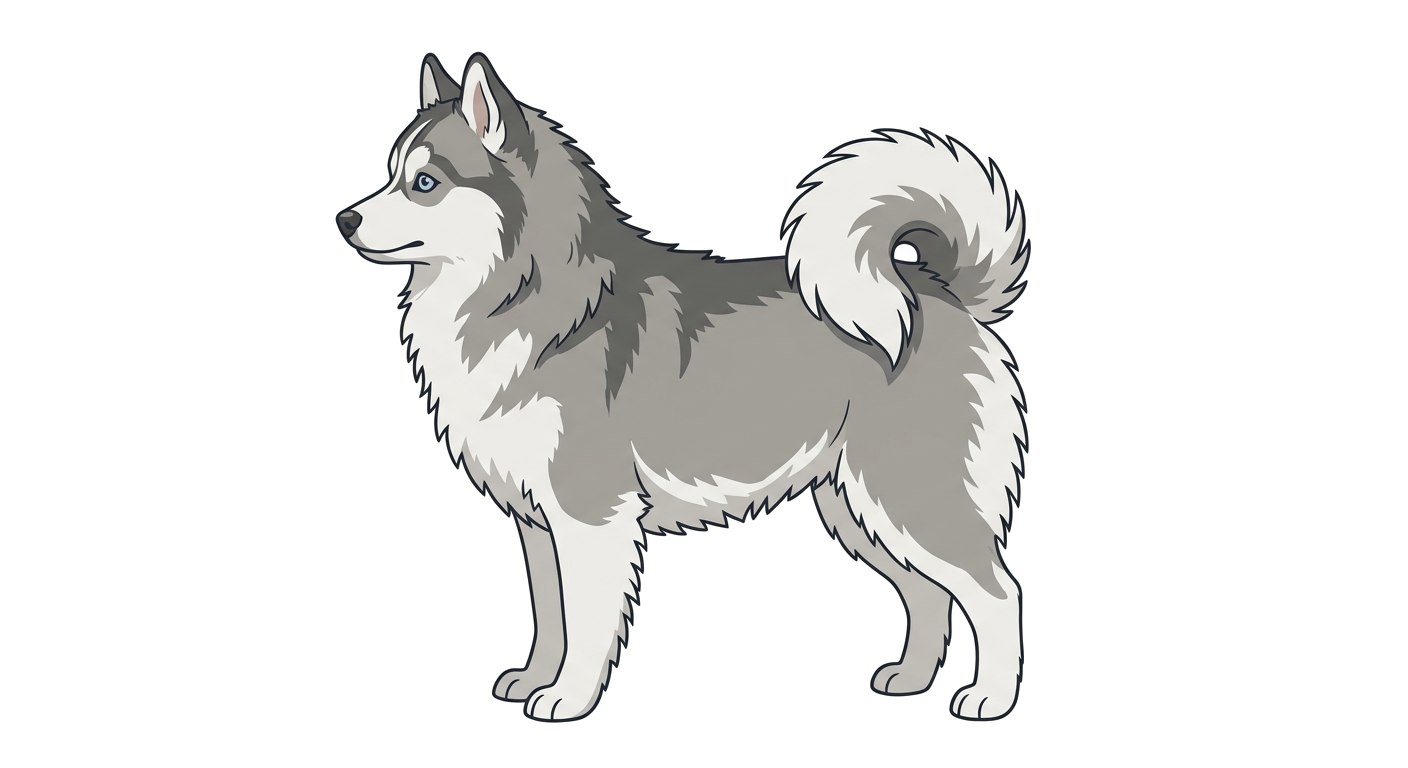
Point 1
Skull
The Pomsky's skull is judged on balance rather than size — proportionate to the body, with a clean cheek and a stop typical of the breed. Coarseness or an over-refined head are both faulted.
Colours & patterns
Recognised coats
Which coats the standard accepts — and which are simply popular.
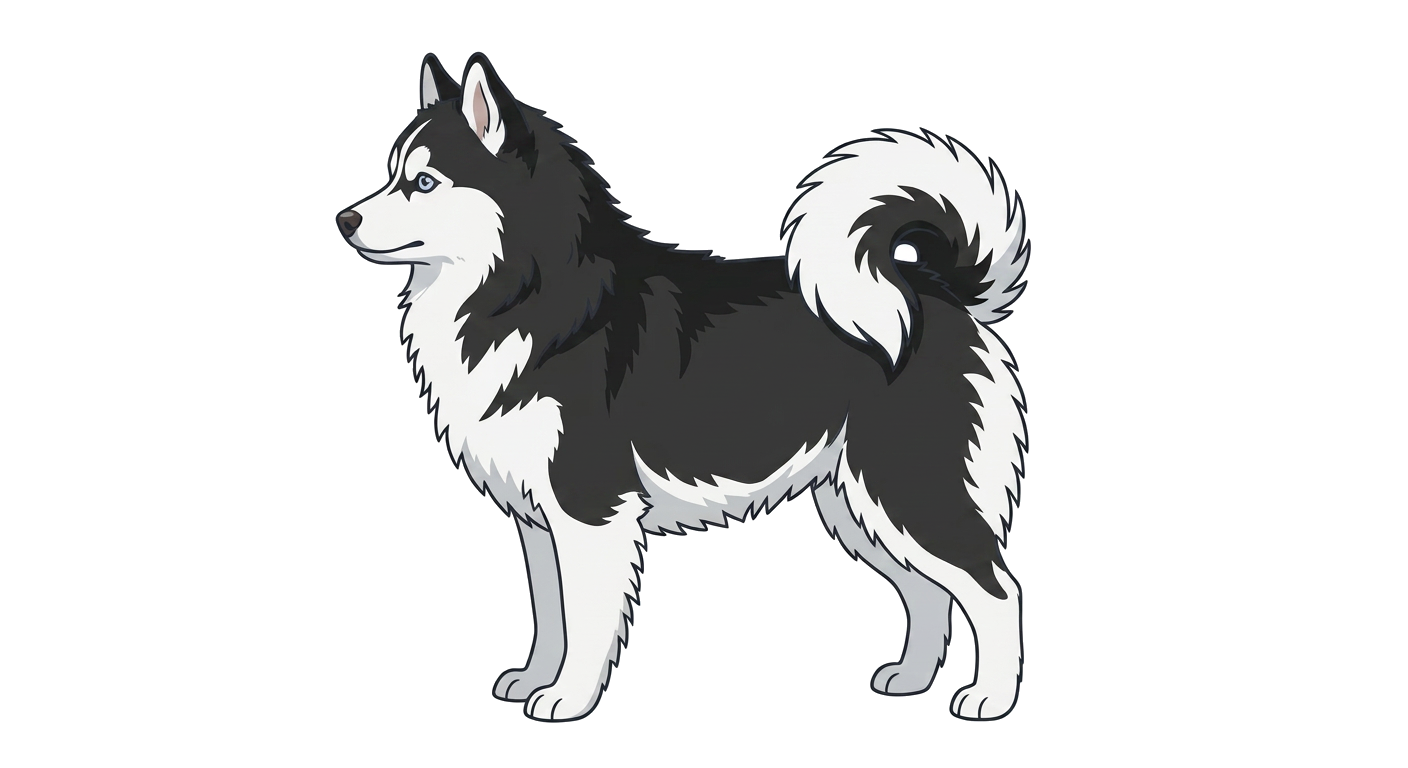
Black and White
Standard colour
Classic Siberian Husky mask and cap markings set against a bright white base.
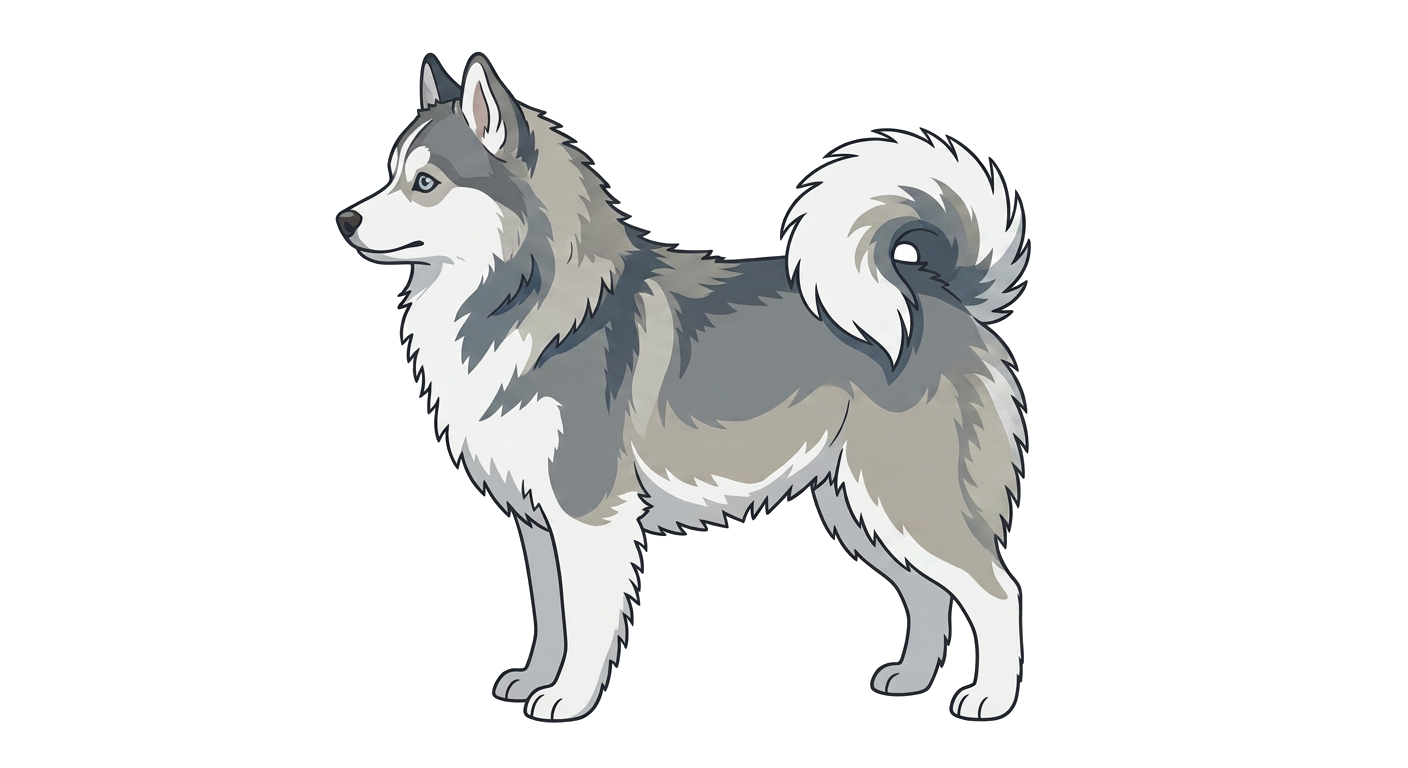
Grey and White
Standard colour
Varying shades of wolf-grey, silver, or agouti paired with white markings.
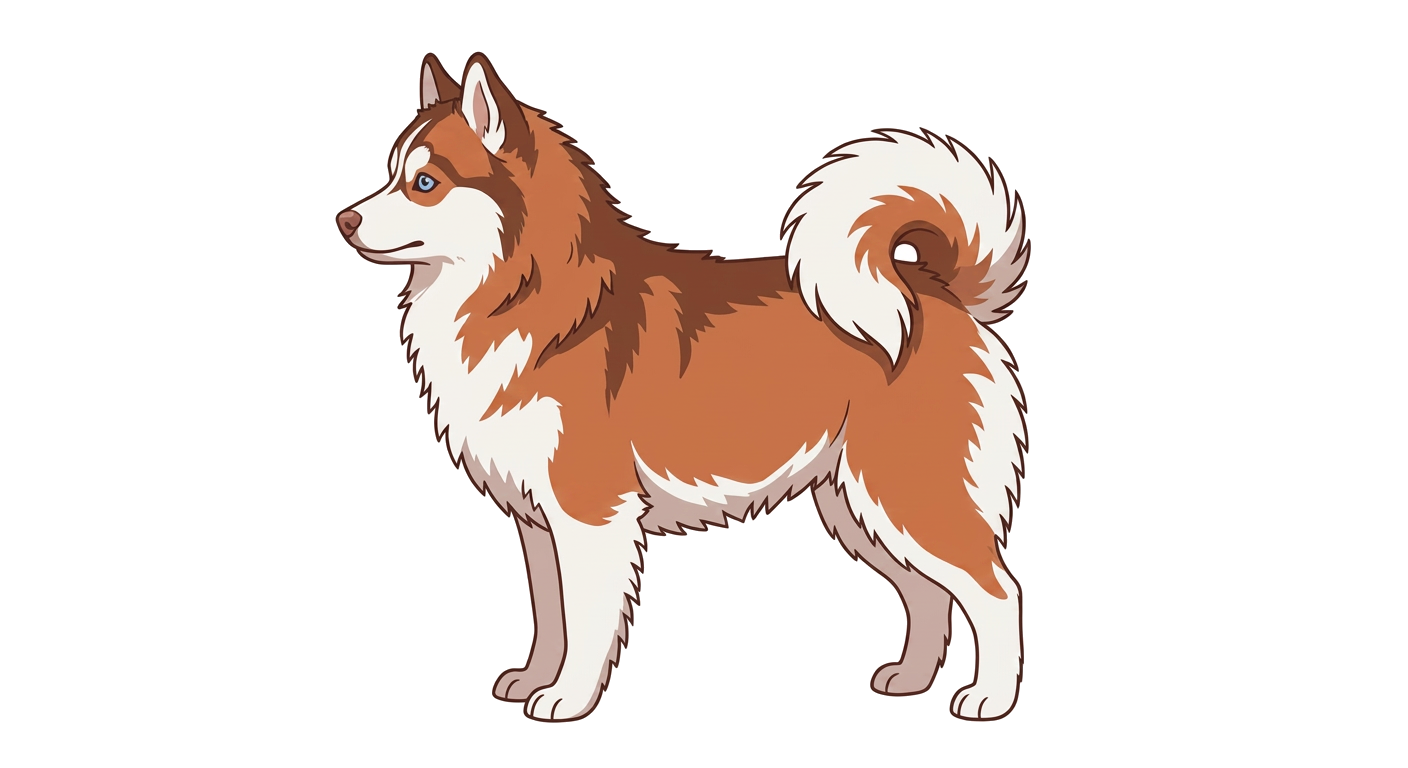
Copper and White
Standard colour
Reddish-copper to chocolate pigment with white trim and flesh-toned or liver points.
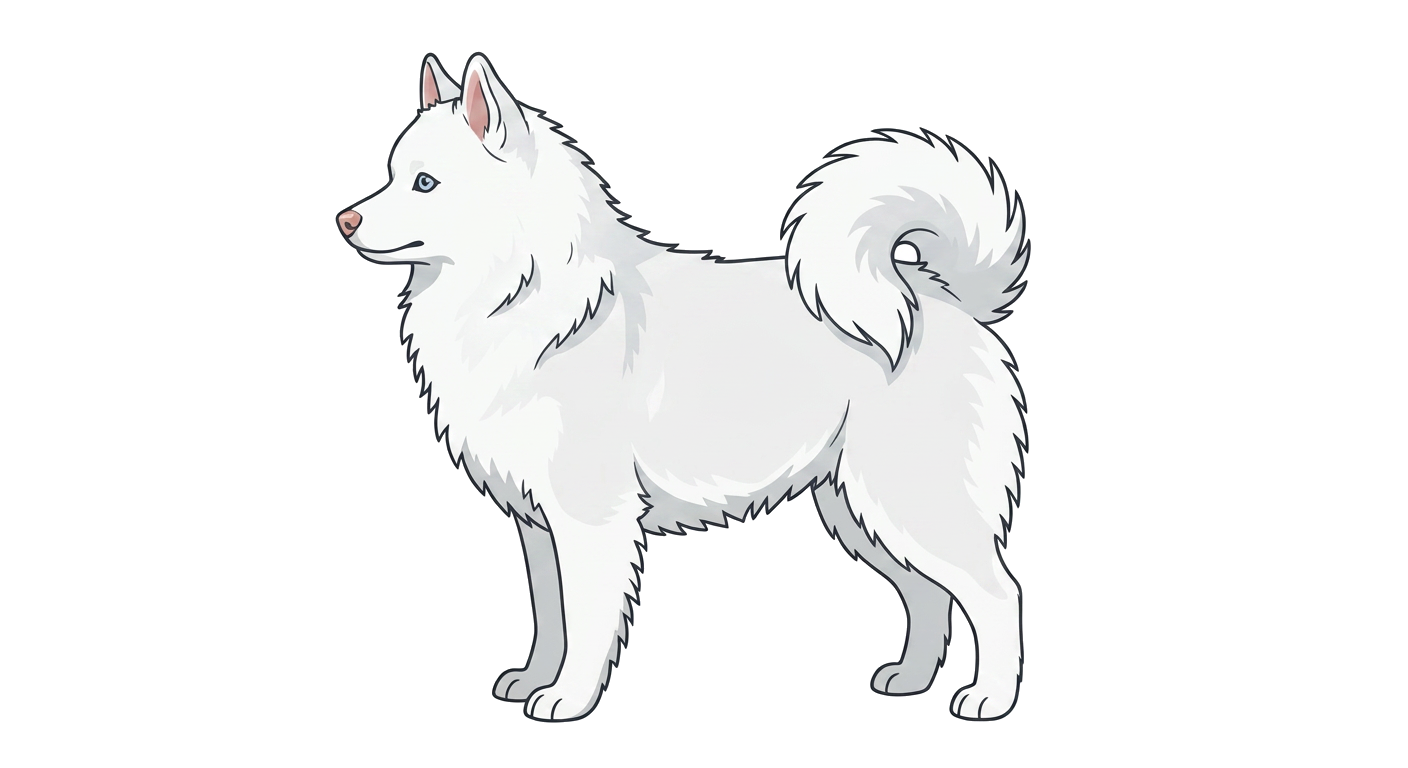
Solid White
Standard colour
A pure white double coat with either dark or snow-nose pigmentation.
Timeline
History & development
2011
Online origin
Widespread viral interest arose after digital images of Finnish Lapphund puppies and other spitz breeds were erroneously circulated online under the name 'Pomsky', sparking consumer demand for a real Pomeranian-Husky cross.
2012
First documented litters
North American breeders began intentionally pairing Siberian Husky dams with Pomeranian sires via artificial insemination, producing the first documented F1 litters.
2013
Breed clubs formed
Enthusiasts formed the Pomsky Club of America (PCA) and the International Pomsky Association (IPA) to record pedigrees, institute ethical guidelines, and draft provisional phenotypic standards.
Present
Multi-generational breeding
Breeders increasingly focus on breeding later-generation (F2 to F4) dogs to achieve greater predictability in size, markings, and temperament, though formal kennel club recognition remains absent.
Reference
Breed standard summary
- body
- Compact to moderately long, with a level topline, well-sprung ribs, a firm loin, and a slight tuck-up at the flank.
- coat
- Dense, insulating double coat consisting of a soft, thick undercoat and a straight, plush guard coat of medium length.
- ears
- Triangular, relatively small to medium, set high on the skull, held stiffly erect, and thickly covered with hair.
- eyes
- Almond-shaped, set moderately wide apart; colour may be blue, brown, amber, or heterochromatic (one blue, one brown, or parti-coloured).
- gait
- Smooth, agile, and effortless with good reach in the forequarters and driving power from the hindquarters.
- head
- Wedge-shaped and proportionate to body size, tapering gradually from a moderately broad skull to the muzzle, with a moderate stop.
- size
- Height ranges approximately from 25 to 45 cm (10 to 18 in) at the withers, with weight varying widely between 5 and 16 kg (11 to 35 lb) depending on generational category.
- tail
- Well-furred, set just below the level of the topline, and carried in a graceful curve over the back when alert.
- colour
- Varied, commonly displaying Siberian Husky marking patterns including black and white, grey and white, copper and white, as well as solid or sable shades.
- muzzle
- Straight and well-filled under the eyes, neither snipy nor overly broad; length is typically intermediate between the foundation breeds.
- temperament
- Curious, spirited, and alert, combining spitz independence with strong human orientation; prone to vocalisation.
- general appearance
- A compact to medium-sized spitz-type dog displaying balanced proportions, an alert posture, and typical Nordic features including erect ears, a double coat, and a plumed tail.
Health
What to screen for
Green means little to worry about, amber means ask the breeder for test results, red means manage it actively.
Patellar Luxation
Screen for it
Slipping of the kneecap, inherited primarily from Pomeranian lineage, varying from mild asymptomatic laxity to severe lameness.
Ocular Conditions (Cataracts / PRA)
Screen for it
Both Siberian Huskies and Pomeranians carry inherited eye conditions, necessitating routine specialist ophthalmic examinations.
Hip Dysplasia
Watch closely
Abnormal joint development seen in larger specimens or derived from Siberian Husky ancestry; requires radiographic evaluation of breeding stock.
Dental Crowding and Periodontal Disease
Watch closely
Diminutive jaw structures can lead to overcrowded teeth, plaque accumulation, and premature periodontal issues.
General information only — always speak to your vet about your own dog.
From real owners
Dogs like this
Pomskys added by PawPoint members through their pet passports. Share yours to appear here.
Loading the wall…
Made for the Pomsky
The book, plus prints, hoodies and mugs using our own Pomsky illustration — and one everyday accessory that suits any dog.

The book
Pawpoint: The Complete Dog Breed Book
Every officially recognised breed plus the unofficial ones nobody else documents. 400+ pages, hardback, printed and shipped from the UK.
Own stock — shipped by us
Framed poster
Pomsky Framed Poster
Museum-weight print of our Pomsky illustration, framed or unframed.
Printed to order
Hoodie
Pomsky Hoodie
Heavyweight hoodie carrying the Pomsky illustration on the chest.
Printed to order
Mug
Pomsky Mug
Ceramic mug with the Pomsky illustration wrapped around it.
Printed to order
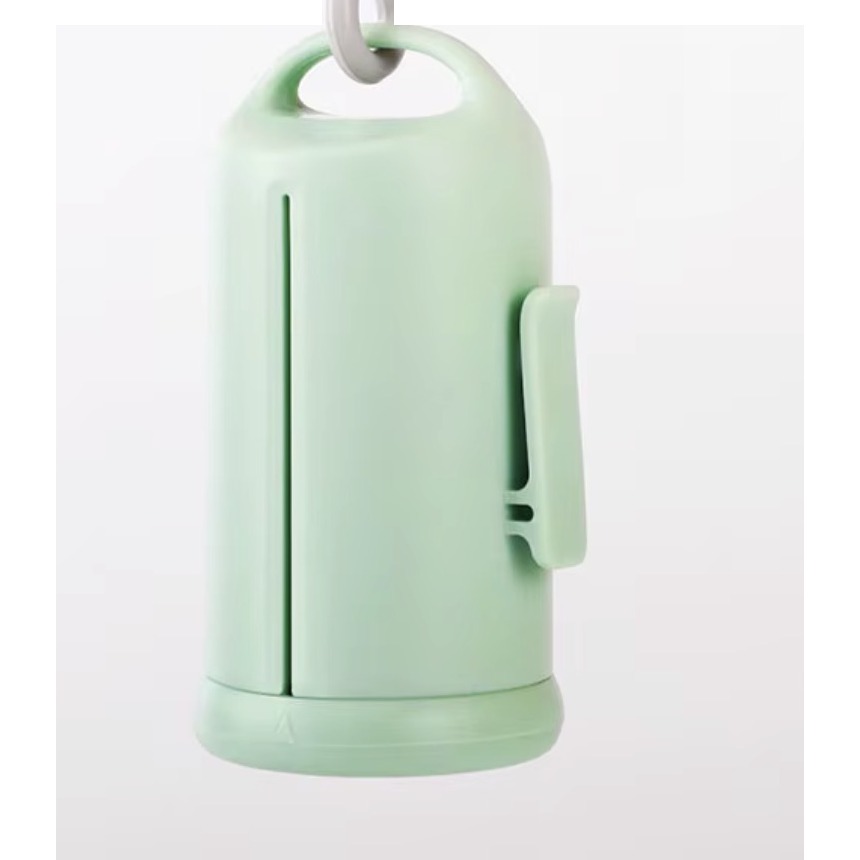
Accessory
Waste Bag Dispenser
Clips to the lead, holds one standard roll.
Fits any dog
Pawpoint on YouTube
Watch the full Pomsky video
Breed deep-dives, history and honest ownership talk. New film every week.
Watch now