
Porcelaine
por-suh-LEN
France· Franche-Comte, eastern France
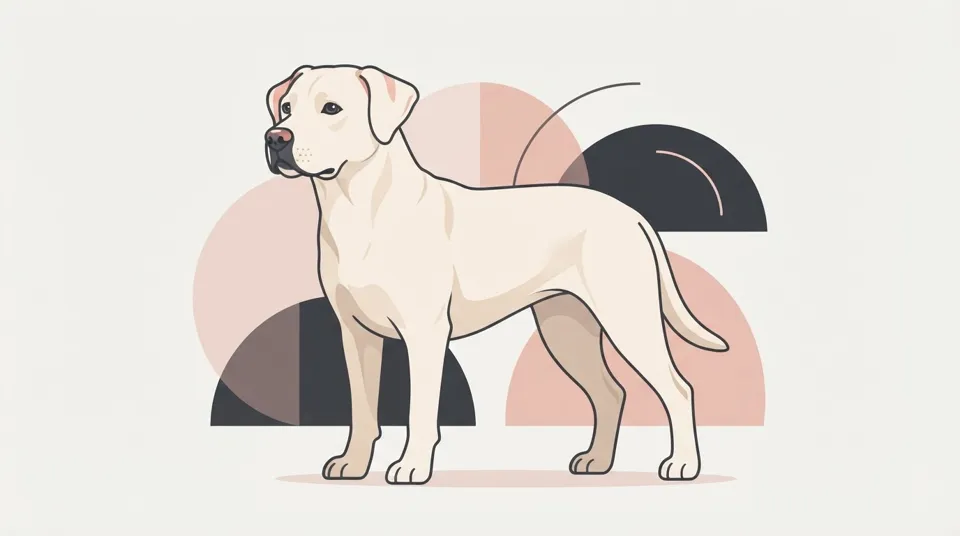
The Porcelaine is a small, elegant French scenthound from Franche-Comte, bred for pack hunting hare in wooded, hilly country.
At a glance
Quick facts
- Size
- Medium
- Exercise needs
- 1-2 hours per day
- Home size suited to
- Medium or larger
- Grooming frequency
- Weekly brush
- Coat length
- Short
- Sheds
- Yes
- Lifespan
- 12-14 years
- Town or country
- Country preferred
- Garden size needed
- Medium or larger
Where it comes from
Origins of the Porcelaine
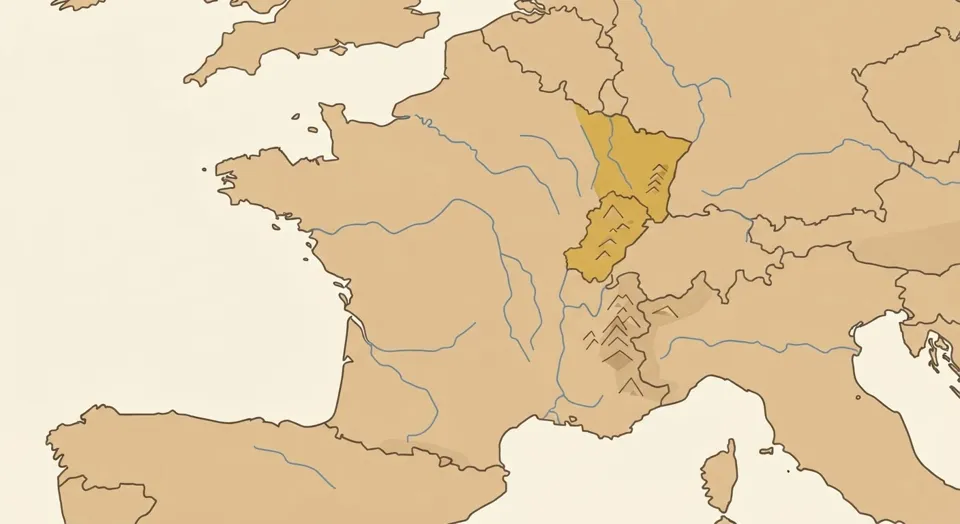
The forested hills of Franche-Comte, bordering Switzerland, called for a fast, keen-nosed hound able to work hare through dense woodland. Its fine white coat and delicate build gave rise to comparisons with porcelain china, a name that stuck. Swiss and French hound bloodlines mingled in this border region to produce a breed prized for its speed and musical voice. It remains closely tied to traditional pack hunting in eastern France.
- Region
- Franche-Comte, eastern France
- Climate it was bred for
- Hilly, forested terrain with cold winters
- Original job
- Pack hunting hare in wooded, hilly country
The long read
About the breed
Its work shaped a fast, agile hound with a fine nose and a clear, musical voice used to keep the pack together across difficult terrain.
It is affectionate and gentle with people but retains a strong prey drive and needs regular vigorous exercise; it does not thrive as a purely sedentary companion.
The Porcelaine remains rare outside France, valued mainly by hunters who maintain small dedicated packs.
Living with one
Temperament & needs
Our own ratings, based on the breed standard and how these dogs behave in ordinary homes.
Friendliness
3/5
How openly the Porcelaine greets people it does not know.
Trainability
3/5
How readily the breed takes to training in an ordinary home.
Energy
3/5
How much daily exercise and stimulation the breed expects.
Barking
3/5
How vocal the breed tends to be day to day.
Grooming
3/5
How much coat work the breed needs to stay comfortable.
Suits a first-time owner
3/5
How forgiving the Porcelaine is for someone taking on their first dog.
Illustrated breed standard
The points of the breed
Hover or tap a numbered point to read what the standard asks for.
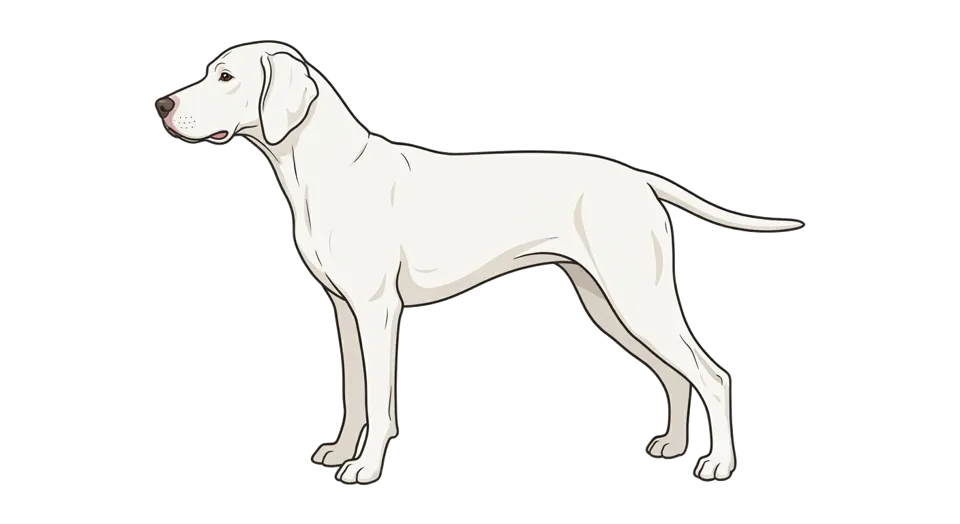
Point 1
Skull
The Porcelaine's skull is judged on balance rather than size — proportionate to the body, with a clean cheek and a stop typical of the breed. Coarseness or an over-refined head are both faulted.
Timeline
History & development
1500s
Ancient origins
Hounds resembling the Porcelaine were recorded in the border region of Franche-Comte and Switzerland.
1888
Standard established
A formal breed standard was drawn up to fix the type.
1914-1945
Wartime near-extinction
The breed nearly disappeared during the World Wars, surviving through a very small number of dogs.
1950s
Post-war revival
Dedicated breeders rebuilt the population from the few remaining dogs.
2000s
Continued rarity
The Porcelaine remains one of France's rarest hound breeds, maintained by specialist clubs.
Reference
Breed standard summary
- body
- Well-proportioned, slightly long body with a deep chest.
- coat
- Short, fine and glossy.
- ears
- Fine, set low, reaching close to the end of the nose.
- eyes
- Dark brown, gentle and lively.
- head
- Long and narrow with a gently domed skull.
- size
- Dogs and bitches 45-58cm
- colour
- Pure white, sometimes with light orange patches on the ears.
- temperament
- Gentle, affectionate and lively, with a musical voice.
- general appearance
- A fine-boned, elegant, medium-sized hound of great distinction and refinement.
Health
What to screen for
Green means little to worry about, amber means ask the breeder for test results, red means manage it actively.
General information only — always speak to your vet about your own dog.
From real owners
Porcelaines in the PAWPOINT Pack
Porcelaines added by PawPoint members through their pet passports. Share yours to appear here.
Loading the wall…
Made for the Porcelaine
The book, plus hoodies, tees and mugs featuring the Porcelaine.