
Portuguese Pointer
por-chuh-GEEZ POYN-ter
Portugal· Alentejo and central Portugal
The Portuguese Pointer is a compact, muscular gundog developed over centuries in Portugal for pointing partridge.

At a glance
Quick facts
Size
Medium
Exercise needs
1-2 hours per day
Home size suited to
Medium
Grooming frequency
Minimal, weekly wipe-down
Coat length
Short
Sheds
Yes
Lifespan
12-14 years
Town or country
Flexible with sufficient exercise
Garden size needed
Medium or larger
Where it comes from
Origins of the Portuguese Pointer
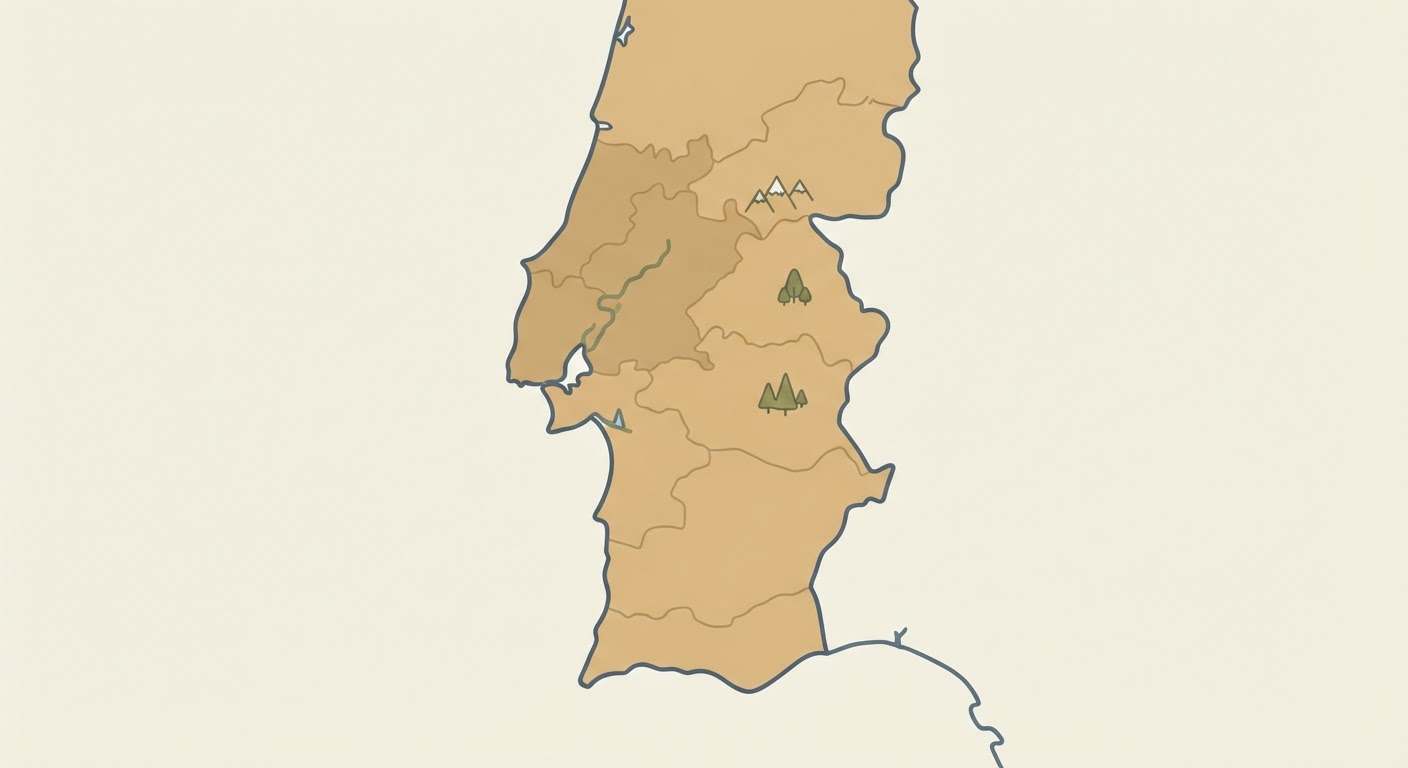
The dry, rolling farmland of central and southern Portugal produced a compact, hardy pointer valued for its close, careful working style, ideally suited to hunting red-legged partridge in scrub and cork oak country.
- Region
- Alentejo and central Portugal
- Climate it was bred for
- Warm, dry Mediterranean farmland
- Original job
- Pointing red-legged partridge for Portuguese hunters
The long read
About the breed
Its working history on dry, scrubby ground shaped a close-ranging, methodical hunter with a good nose and a naturally strong point, valued for accuracy over speed.
As a companion it is affectionate, sociable and biddable, adapting well to family life provided it receives sufficient exercise and mental engagement.
Once in decline, the breed has been actively revived in Portugal since the mid-20th century and now enjoys a stable, if still relatively small, population both as a working dog and companion.
Living with one
Temperament & needs
Our own ratings, based on the breed standard and how these dogs behave in ordinary homes.
Friendliness
3/5
How openly the Portuguese Pointer greets people it does not know.
Trainability
3/5
How readily the breed takes to training in an ordinary home.
Energy
3/5
How much daily exercise and stimulation the breed expects.
Barking
3/5
How vocal the breed tends to be day to day.
Grooming
3/5
How much coat work the breed needs to stay comfortable.
Suits a first-time owner
3/5
How forgiving the Portuguese Pointer is for someone taking on their first dog.
Illustrated breed standard
The points of the breed
Hover or tap a numbered point to read what the standard asks for.
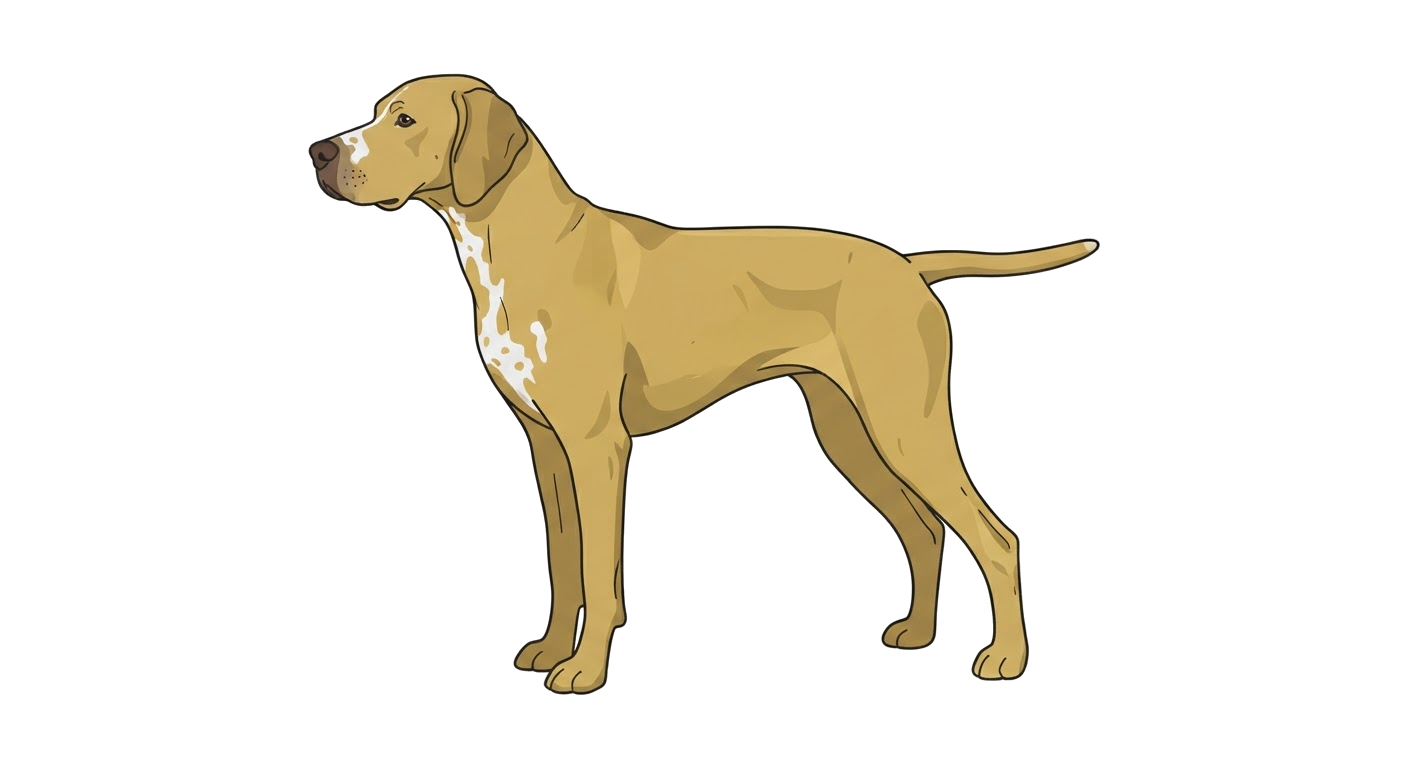
Point 1
Skull
The Portuguese Pointer's skull is judged on balance rather than size — proportionate to the body, with a clean cheek and a stop typical of the breed. Coarseness or an over-refined head are both faulted.
Timeline
History & development
1200s
Ancient origins
Pointing dogs resembling the modern breed are depicted in Portuguese art and records dating back centuries.
1930s
Decline noted
Numbers fell sharply as imported pointing breeds became more fashionable among Portuguese hunters.
1938
Revival begins
Portuguese breeders began a concerted effort to rebuild the native pointer's population.
1954
Breed club formed
A national breed club was established to promote and standardise the breed.
1990s
Stable population
The breed became firmly re-established in Portugal as both a working and show dog.
Reference
Breed standard summary
- body
- Compact, well-ribbed, with a short, strong back.
- coat
- Short, dense and fine.
- ears
- Set high, medium length, triangular and hanging close to the head.
- eyes
- Large, expressive, honey to dark chestnut.
- head
- Short and broad, with a marked stop and slightly domed skull.
- size
- Dogs 52-56cm, bitches 48-55cm
- colour
- Yellow or chestnut, sometimes with white markings.
- temperament
- Affectionate, lively, obedient and eager to please.
- general appearance
- A compact, well-muscled pointing dog of medium size, square in outline.
Health
What to screen for
Green means little to worry about, amber means ask the breeder for test results, red means manage it actively.
General information only — always speak to your vet about your own dog.
From real owners
Dogs like this
Portuguese Pointers added by PawPoint members through their pet passports. Share yours to appear here.
Loading the wall…
Made for the Portuguese Pointer
The book, plus prints, hoodies and mugs using our own Portuguese Pointer illustration — and one everyday accessory that suits any dog.

The book
Pawpoint: The Complete Dog Breed Book
Every officially recognised breed plus the unofficial ones nobody else documents. 400+ pages, hardback, printed and shipped from the UK.
Own stock — shipped by us
Framed poster
Portuguese Pointer Framed Poster
Museum-weight print of our Portuguese Pointer illustration, framed or unframed.
Printed to order
Hoodie
Portuguese Pointer Hoodie
Heavyweight hoodie carrying the Portuguese Pointer illustration on the chest.
Printed to order
Mug
Portuguese Pointer Mug
Ceramic mug with the Portuguese Pointer illustration wrapped around it.
Printed to order
Accessory
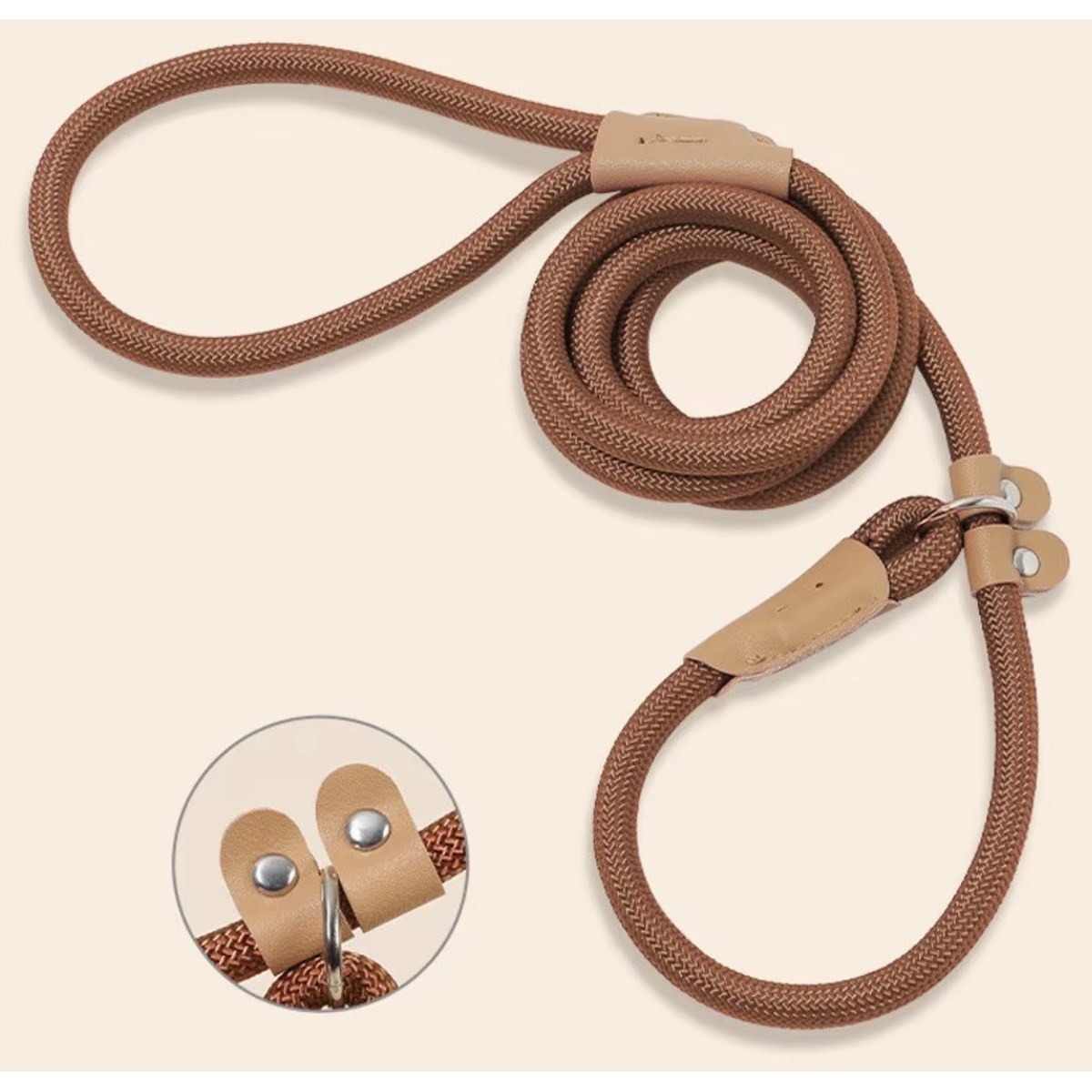
Rope Slip Lead
Braided rope lead with a leather stop, 150cm. Good for training walks.
Fits any dog

Pawpoint on YouTube
Watch the full Portuguese Pointer video
Breed deep-dives, history and honest ownership talk. New film every week.
Watch now