
Prague Ratter
prahg RAT-er
Czech Republic· Bohemia
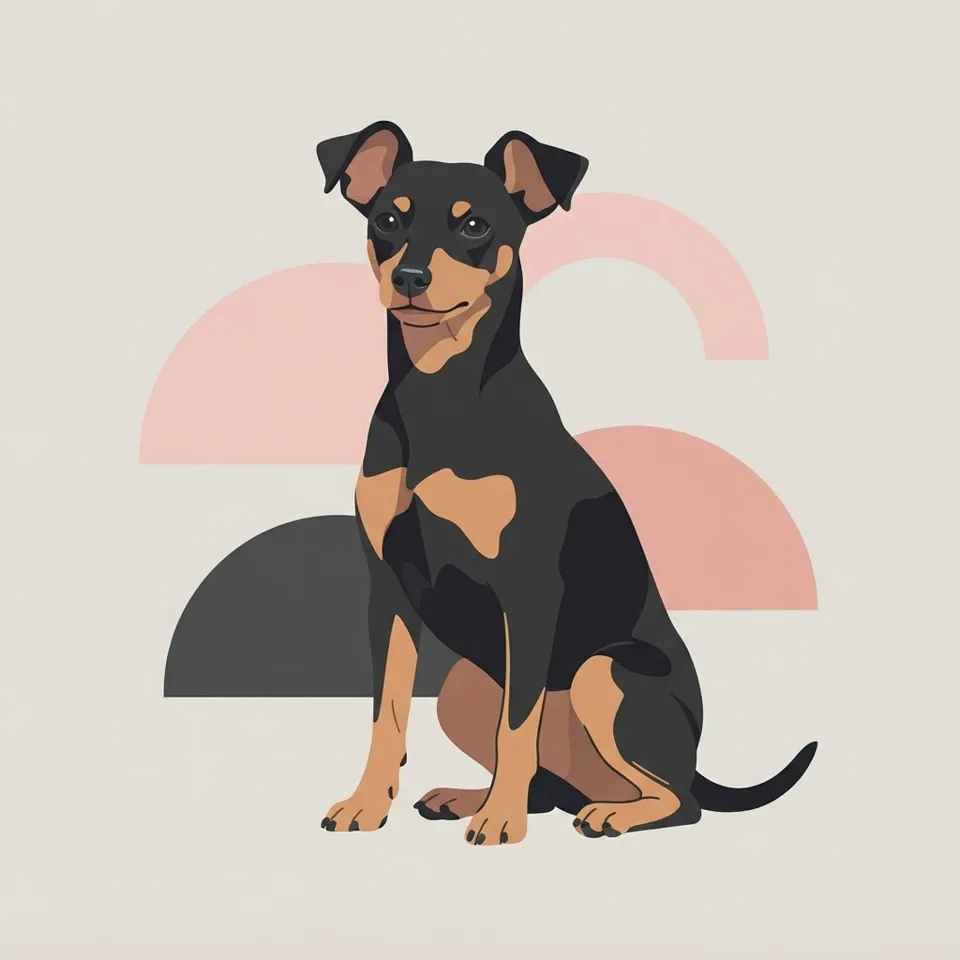
The Prague Ratter is one of the smallest dog breeds in the world, a tiny, alert toy breed with genuine roots as a working ratter in Bohemian homes.
At a glance
Quick facts
- Size
- Toy
- Exercise needs
- 30 minutes per day
- Home size suited to
- Small or larger
- Grooming frequency
- Minimal, occasional brush
- Coat length
- Short
- Sheds
- Low
- Lifespan
- 12-14 years
- Town or country
- Well suited to town or city living
- Garden size needed
- Small garden sufficient
Where it comes from
Origins of the Prague Ratter
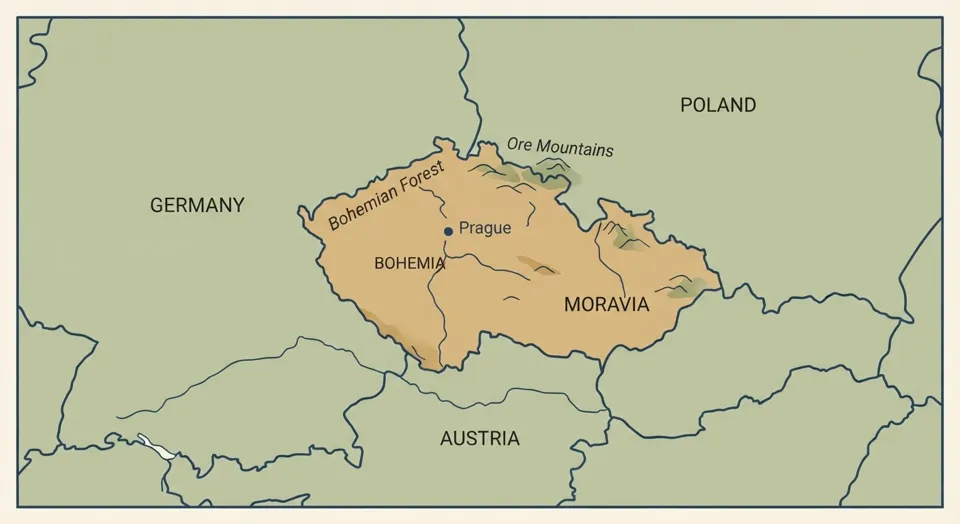
One of the oldest documented central European toy breeds, the Prague Ratter (Prazsky Krysarik) was kept in Bohemian households and even royal courts for centuries to control vermin while doubling as a lap companion, nearly disappearing in the 20th century before dedicated Czech breeders revived it.
- Region
- Bohemia
- Climate it was bred for
- Continental, historically an urban and castle companion
- Original job
- Ratting and companionship in Bohemian households and castles
The long read
About the breed
Its long history as both vermin-controller and lap dog produced a feisty, confident little dog quite unlike a purely decorative toy breed, retaining sharp senses and a bold attitude in a very small frame.
As a companion it is lively, loyal and surprisingly bold, doing best in calm households with gentle handling given its delicate size; it thrives on company and does not like being left alone.
After near disappearance in the 20th century, the breed was revived by Czech enthusiasts from the 1980s onwards and remains rare internationally, though numbers are growing steadily.
Living with one
Temperament & needs
Our own ratings, based on the breed standard and how these dogs behave in ordinary homes.
Friendliness
3/5
How openly the Prague Ratter greets people it does not know.
Trainability
3/5
How readily the breed takes to training in an ordinary home.
Energy
3/5
How much daily exercise and stimulation the breed expects.
Barking
3/5
How vocal the breed tends to be day to day.
Grooming
3/5
How much coat work the breed needs to stay comfortable.
Suits a first-time owner
3/5
How forgiving the Prague Ratter is for someone taking on their first dog.
Illustrated breed standard
The points of the breed
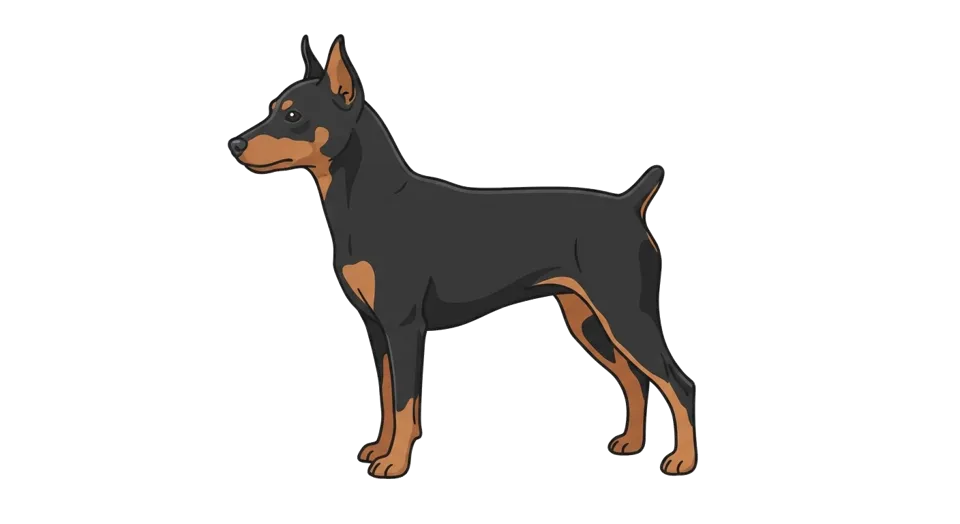
Hover or tap a numbered point to read what the standard asks for.
Point 1
Skull
The Prague Ratter's skull is judged on balance rather than size — proportionate to the body, with a clean cheek and a stop typical of the breed. Coarseness or an over-refined head are both faulted.
Timeline
History & development
1300s
Early Bohemian ratters
Small ratting dogs of this type are referenced in Bohemian historical records, including at royal courts.
1800s
Widespread household dog
The breed was commonly kept across Prague and Bohemian towns for pest control.
1930s-40s
Near extinction
War and changing lifestyles brought the breed close to disappearing entirely.
1980s
Revival begins
Czech breeders began a dedicated programme to rebuild the population from remaining examples.
2019
FCI recognition
The Prague Ratter achieved formal FCI recognition.
Reference
Breed standard summary
- body
- Compact, slightly longer than tall, fine boned but firm.
- coat
- Short, smooth and close-lying.
- ears
- Erect or semi-erect, set high on the head.
- eyes
- Round, dark, lively and alert.
- head
- Small, slightly rounded skull with a fine, pointed muzzle.
- size
- 20-23cm, weight up to 3kg
- colour
- Black, brown, blue or fawn based, with tan markings, or merle.
- temperament
- Bold, lively and affectionate, alert well beyond its size.
- general appearance
- A tiny, elegant toy dog with a fine but sturdy frame and a confident, alert bearing.
Health
What to screen for
Green means little to worry about, amber means ask the breeder for test results, red means manage it actively.
General information only — always speak to your vet about your own dog.
From real owners
Prague Ratters in the PAWPOINT Pack
Prague Ratters added by PawPoint members through their pet passports. Share yours to appear here.
Loading the wall…
Made for the Prague Ratter
The book, plus hoodies, tees and mugs featuring the Prague Ratter.