
Pyrenean Mountain Dog
"pi-ruh-NEE-un MOUN-tin dog"
France· Pyrenees mountains (France/Spain border)
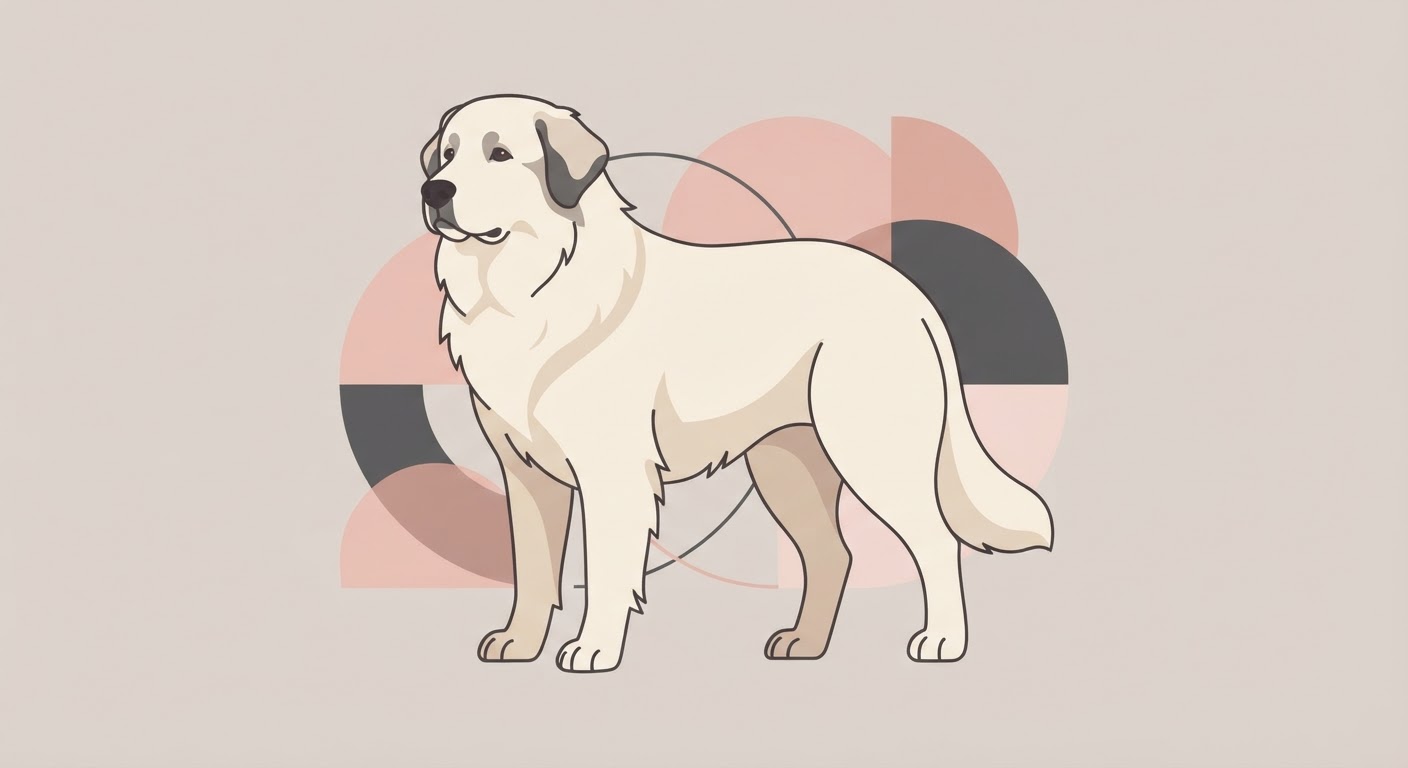
The Pyrenean Mountain Dog, known in France as the Grand Pyrenees or Chien de Montagne des Pyrenees, is a giant white livestock guardian bred to protect sheep from wolves and bears in the Pyrenees mountains between France and Spain.
At a glance
Quick facts
Size
Giant
Exercise needs
45-60 minutes daily
Home size suited to
Large home with space to stretch out
Grooming frequency
Daily brushing
Coat length
Long
Sheds
Yes, heavily when moulting
Lifespan
10-12 years
Town or country
Happiest in the country
Garden size needed
Large and securely fenced
Where it comes from
Origins of the Pyrenean Mountain Dog
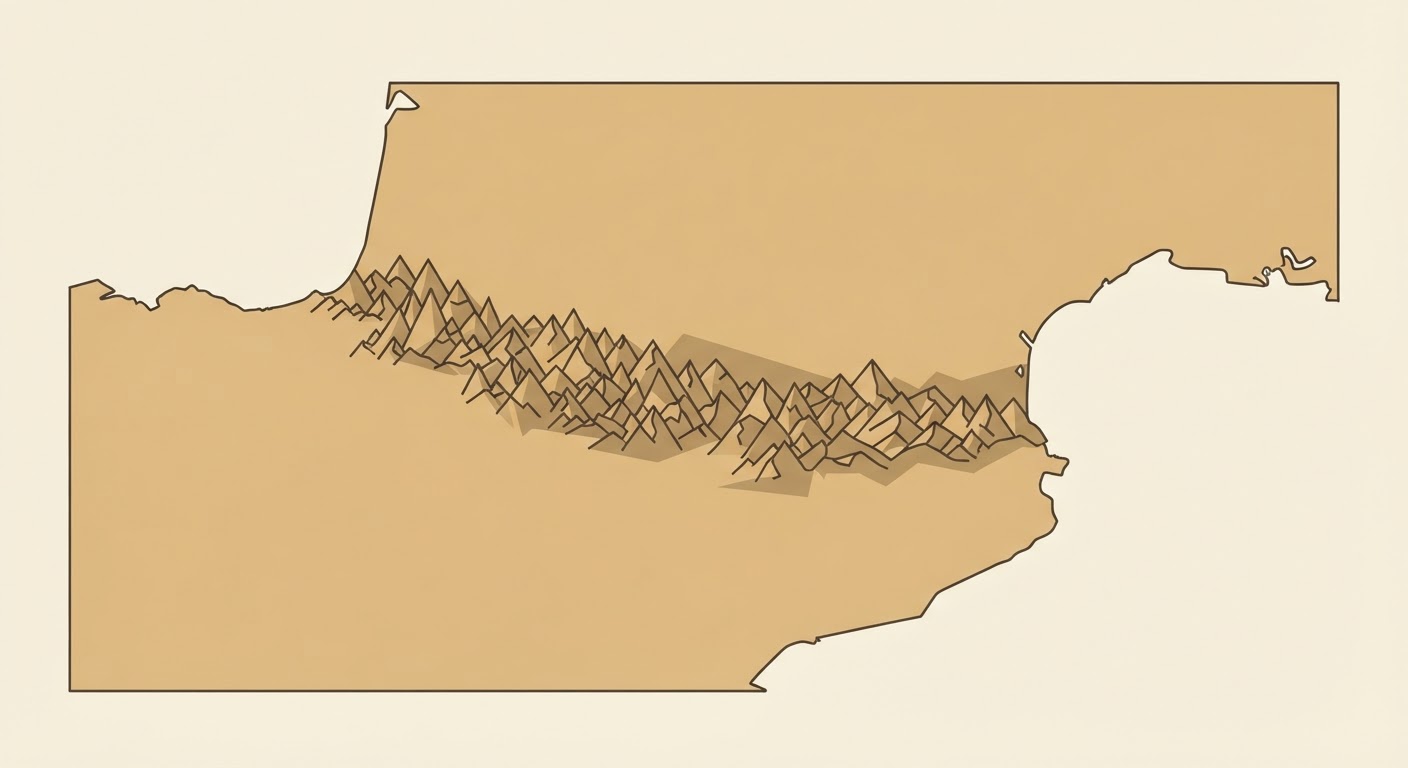
Bred to guard flocks across the high, harsh terrain of the Pyrenees, where a dog needed size and a thick coat to survive winter conditions and the independence to make decisions far from any shepherd's oversight.
- Region
- Pyrenees mountains (France/Spain border)
- Climate it was bred for
- Cold, mountainous, harsh winters
- Original job
- Guarding sheep flocks from wolves and bears
The long read
About the breed
The breed's ancestry likely traces back thousands of years to large white mountain dogs across Central Asia and Europe, arriving in the Pyrenees where shepherds needed a dog able to work independently, at a distance from human oversight, deterring predators through size and presence rather than direct hunting. The dogs typically wore spiked iron collars for protection against wolf attacks and lived among the flock much of the time, bonding to sheep as much as to people. French nobility adopted the breed in the 17th century, and it later became closely associated with French royal courts.
Living with a Pyrenean Mountain Dog means accepting a huge, calm, independent-minded dog that thinks for itself, a trait essential for guarding livestock unsupervised but one that makes recall and off-lead reliability inconsistent. They are naturally protective and will bark, often at night, to warn off perceived threats, which can be an issue for neighbours in suburban settings. The thick double coat sheds heavily, especially in spring, and needs regular brushing to manage. Despite their guarding instincts they are typically gentle and patient with their own family and children, moving at a deliberate, unhurried pace most of the time.
Today the breed is kept both as a working livestock guardian on farms and as a companion, though its size, shedding and tendency to bark make it a poor fit for small homes or noise-sensitive neighbours. It suits owners with space, patience for an independent thinker, and tolerance for a dog that guards on its own schedule.
Living with one
Temperament & needs
Our own ratings, based on the breed standard and how these dogs behave in ordinary homes.
Friendliness
3/5
How openly the Pyrenean Mountain Dog greets people it does not know.
Trainability
2/5
Independent-minded, bred to think for itself.
Energy
2/5
Calm and deliberate, moderate exercise needs.
Barking
4/5
Barks to warn off threats, often at night.
Grooming
4/5
Heavy seasonal shedding needs regular brushing.
Suits a first-time owner
2/5
How forgiving the Pyrenean Mountain Dog is for someone taking on their first dog.
Sociability
3/5
Gentle with family, protective and wary of strangers.
Independence
5/5
Historically worked unsupervised with the flock.
Illustrated breed standard
The points of the breed
Hover or tap a numbered point to read what the standard asks for.
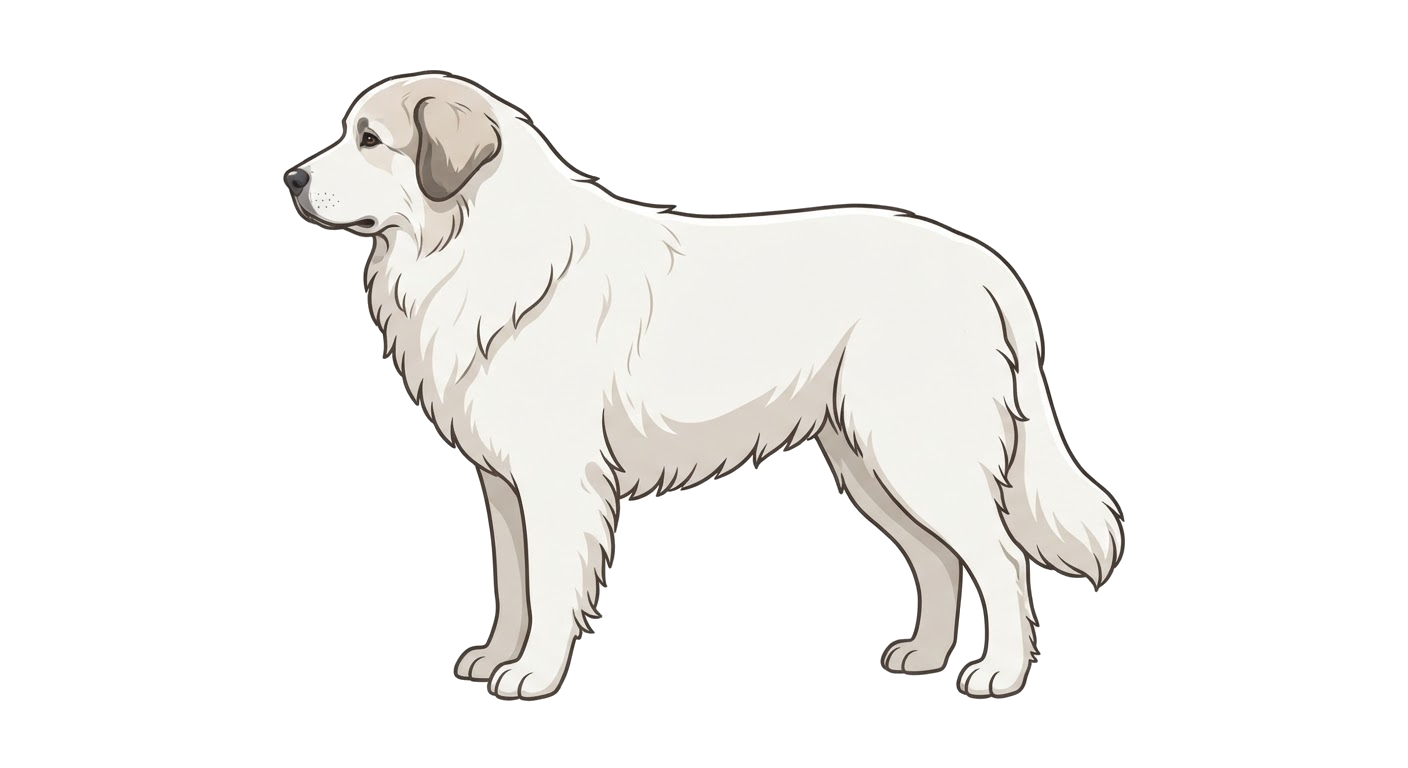
Point 1
Skull
The Pyrenean Mountain Dog's skull is judged on balance rather than size — proportionate to the body, with a clean cheek and a stop typical of the breed. Coarseness or an over-refined head are both faulted.
Colours & patterns
Recognised coats
Which coats the standard accepts — and which are simply popular.
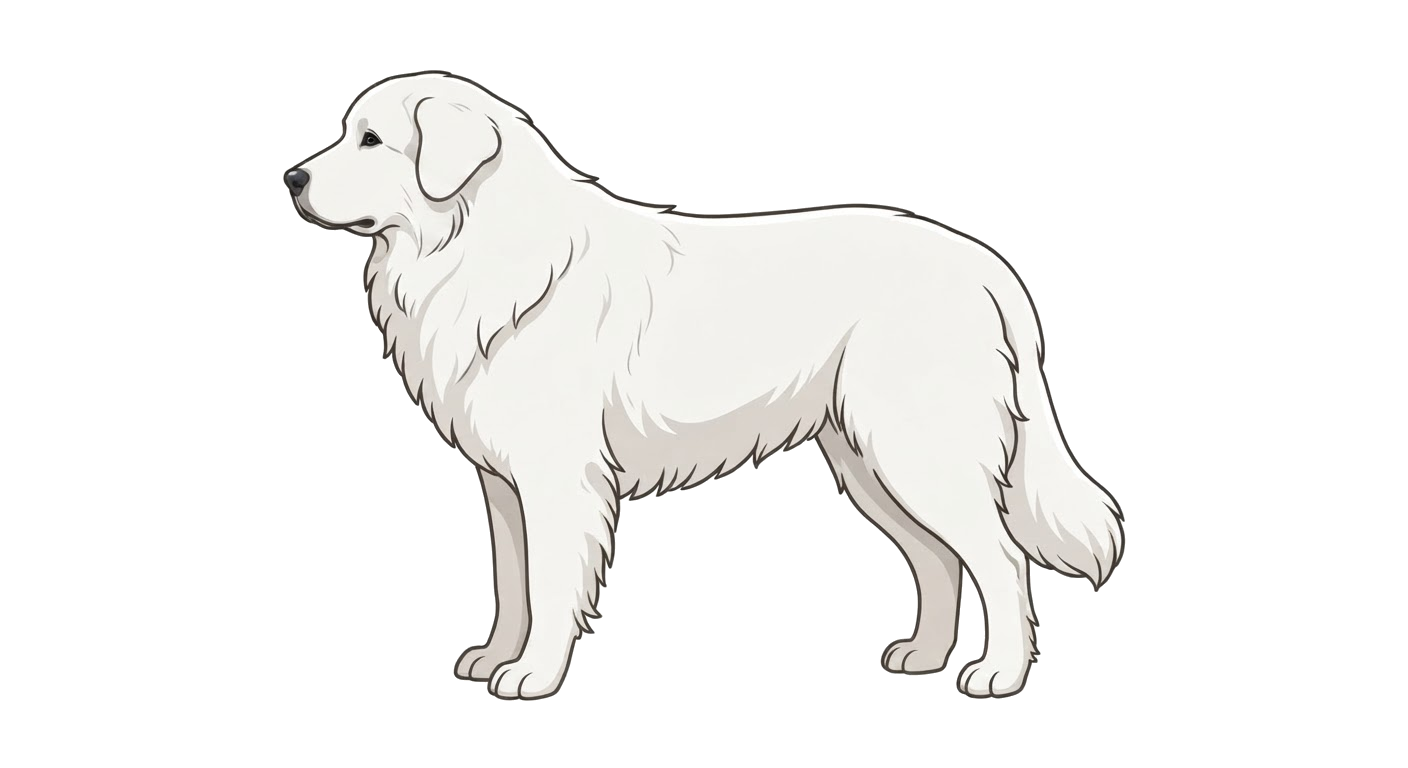
White
Standard colour
The classic, most recognisable colour.
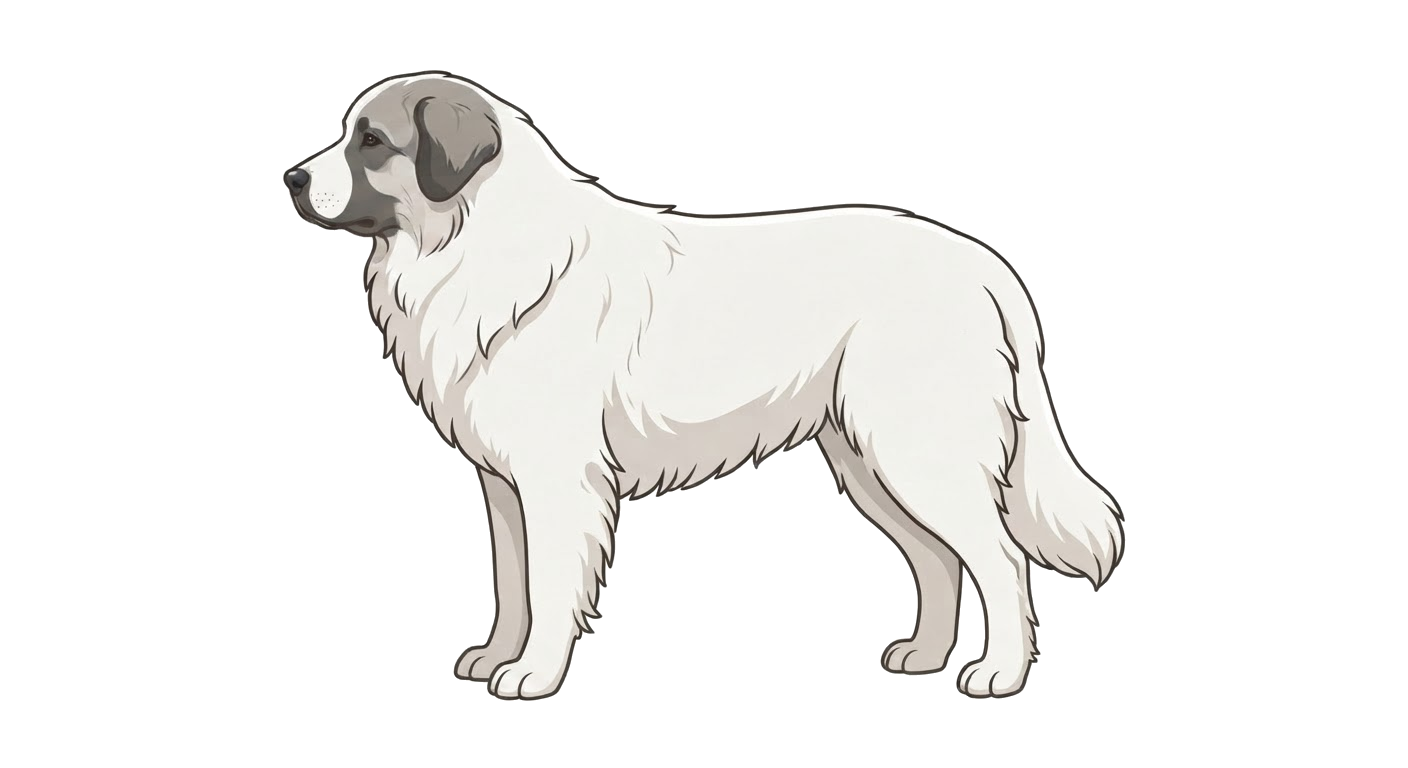
White with badger markings
Standard colour
Grey-tinged patches on a white base.
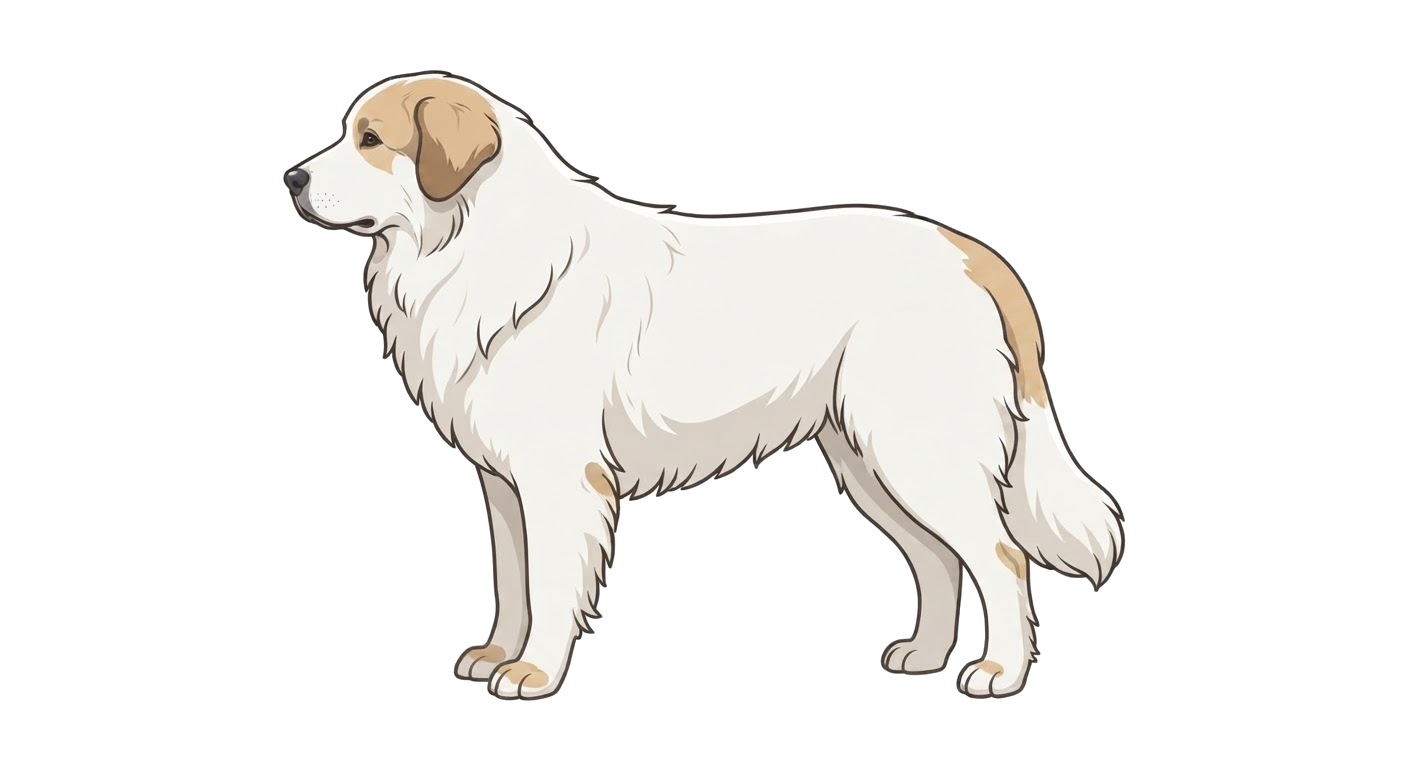
White with tan markings
Standard colour
Common patched variation.
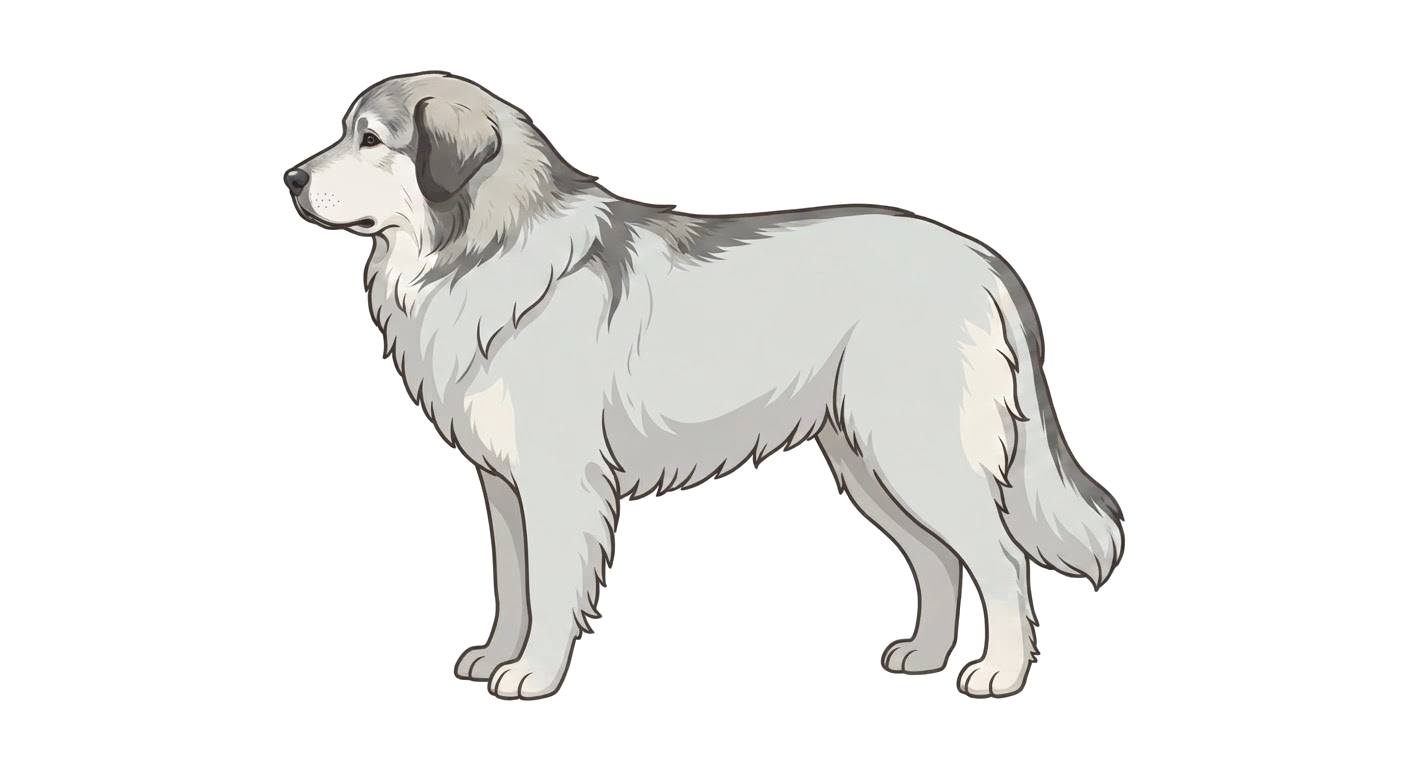
White with wolf-grey markings
Standard colour
A recognised patched variation.
Timeline
History & development
antiquity
Ancient mountain guardian ancestry
Large white mountain dogs spread across Europe and Central Asia, ancestors of the breed reaching the Pyrenees.
1600s
French nobility adoption
French aristocracy begins keeping Pyrenean Mountain Dogs as estate guardians and status symbols.
1675
Royal association
The Dauphin names the breed the Royal Dog of France.
1907
French standard established
A formal breed standard is written as fanciers work to preserve the working type.
1933
UK recognition
The Kennel Club recognises the breed in Britain.
1950s onward
The breed today
Kennel club registrations settled into a steady pattern and the Pyrenean Mountain Dog moved from a working specialist to a family companion, with breed clubs in the UK and abroad now focused on health testing and keeping true type alive.
Reference
Breed standard summary
- body
- Well-proportioned, strong, deep chest.
- coat
- Long, thick, weather-resistant, with a fine undercoat.
- ears
- Small, triangular, carried low.
- eyes
- Almond-shaped, dark amber.
- gait
- Supple, flowing, unhurried.
- head
- Wedge-shaped, not too large for the body.
- size
- Giant
- tail
- Long, well plumed, carried low or in a wheel when alert.
- colour
- White, White with badger markings, White with tan markings, White with wolf-grey markings. Colours outside this list are seen but are not accepted by the kennel clubs.
- temperament
- Typical of the breed: strongest in independence, barking, grooming. Nervousness or aggression are serious faults in the show ring and in the home.
- general appearance
- Large, majestic, well-balanced, all-white or near-white.
Health
What to screen for
Green means little to worry about, amber means ask the breeder for test results, red means manage it actively.
Hip dysplasia
Screen for it
Ask for hip scores given the breed's giant size.
Bloat
Watch closely
Deep-chested; feed smaller meals and rest after eating.
Osteosarcoma
Screen for it
Bone cancer risk rises with giant breed size; monitor for unexplained lameness.
Patellar luxation
Low concern
Less common but worth checking in breeding stock.
General information only — always speak to your vet about your own dog.
From real owners
Dogs like this
Pyrenean Mountain Dogs added by PawPoint members through their pet passports. Share yours to appear here.
Loading the wall…
Made for the Pyrenean Mountain Dog
The book, plus prints, hoodies and mugs using our own Pyrenean Mountain Dog illustration — and one everyday accessory that suits any dog.
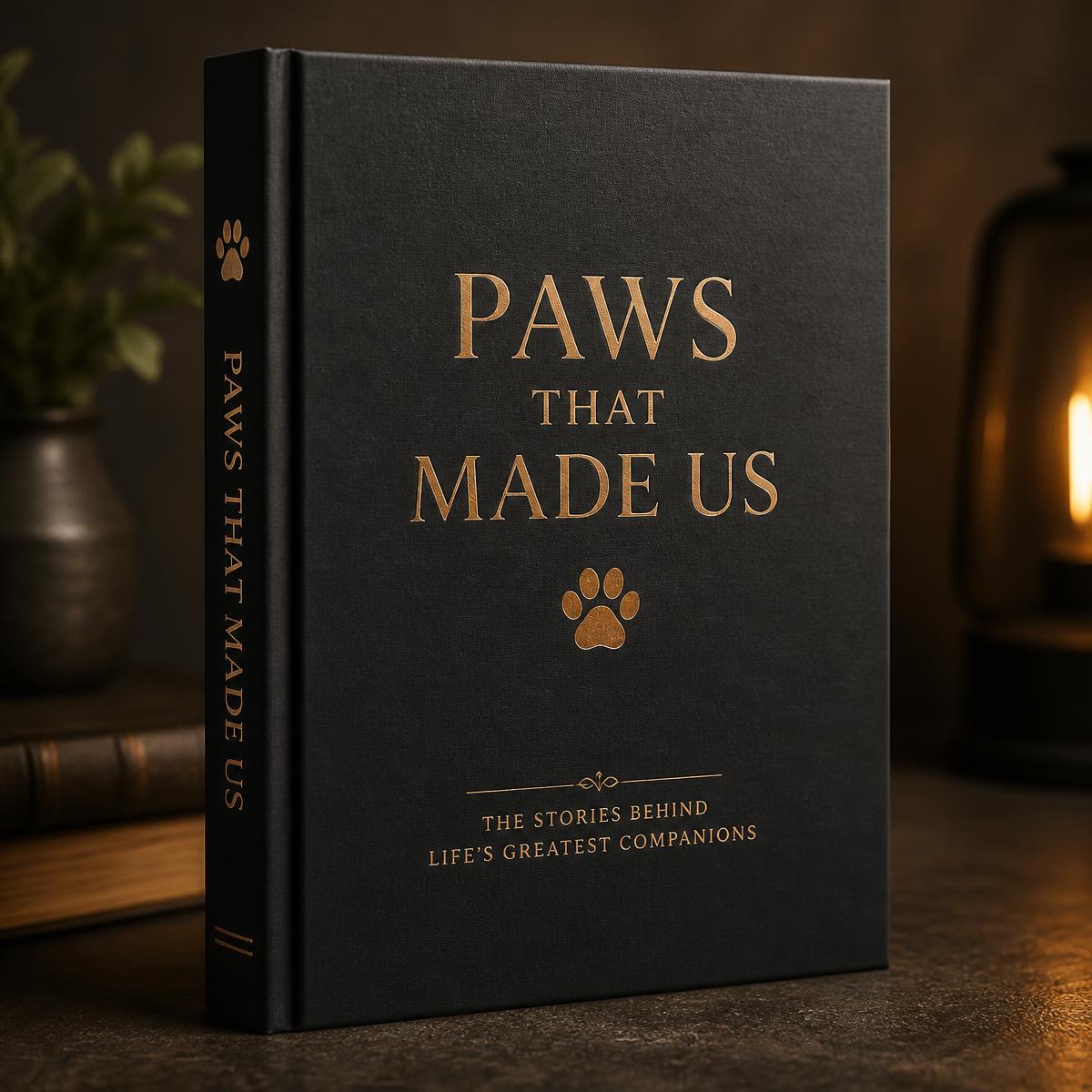
The book
Pawpoint: The Complete Dog Breed Book
Every officially recognised breed plus the unofficial ones nobody else documents. 400+ pages, hardback, printed and shipped from the UK.
Own stock — shipped by us
Framed poster
Pyrenean Mountain Dog Framed Poster
Museum-weight print of our Pyrenean Mountain Dog illustration, framed or unframed.
Printed to order
Hoodie
Pyrenean Mountain Dog Hoodie
Heavyweight hoodie carrying the Pyrenean Mountain Dog illustration on the chest.
Printed to order
Mug
Pyrenean Mountain Dog Mug
Ceramic mug with the Pyrenean Mountain Dog illustration wrapped around it.
Printed to order
Accessory
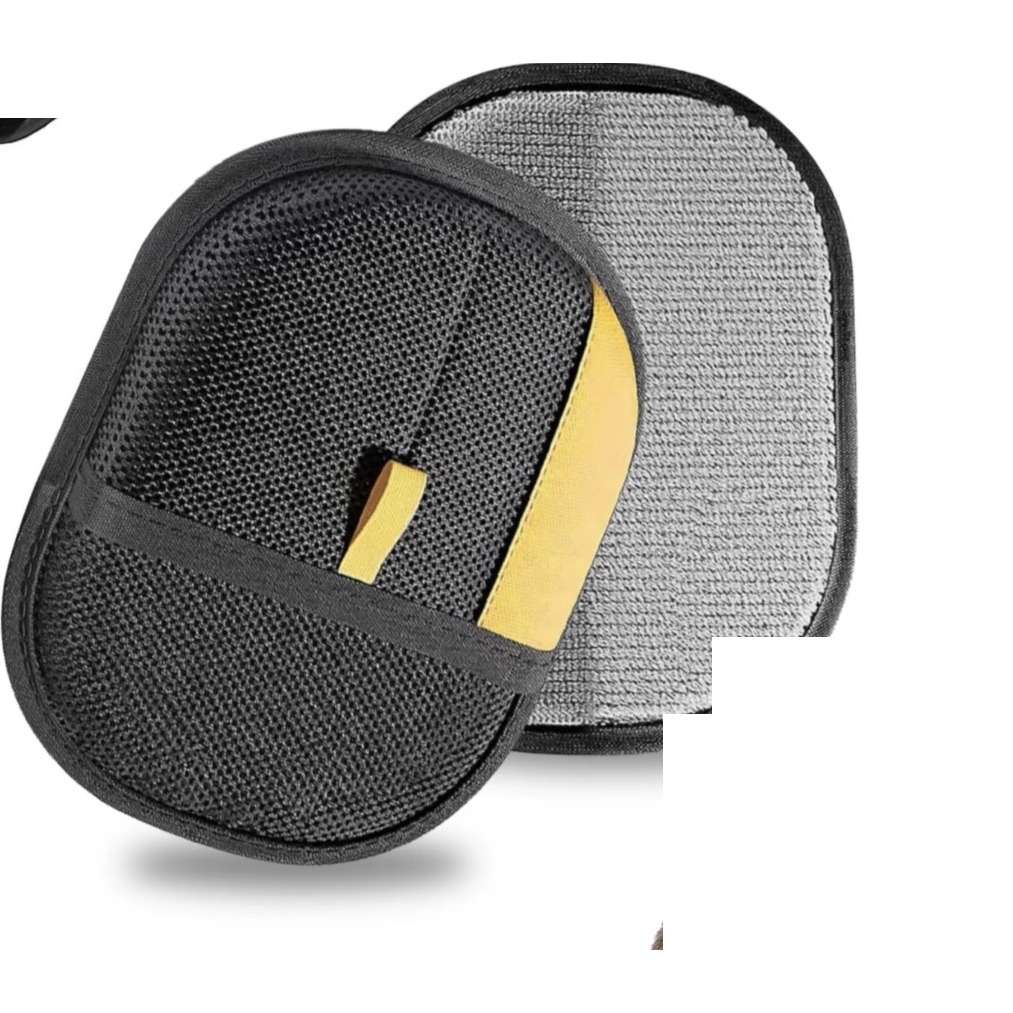
Slicker & Deshedding Brush
Self-cleaning slicker head for coats of every length.
Fits any dog
Pawpoint on YouTube
Watch the full Pyrenean Mountain Dog video
Breed deep-dives, history and honest ownership talk. New film every week.
Watch now