
Pyrenean Sheepdog
"pi-ruh-NEE-un SHEEP-dog"
France· Pyrenees mountains, France
The Pyrenean Sheepdog is a small, quick, shaggy-coated herding breed from the French side of the Pyrenees, traditionally paired with the much larger Pyrenean Mountain Dog to manage flocks in the mountains.
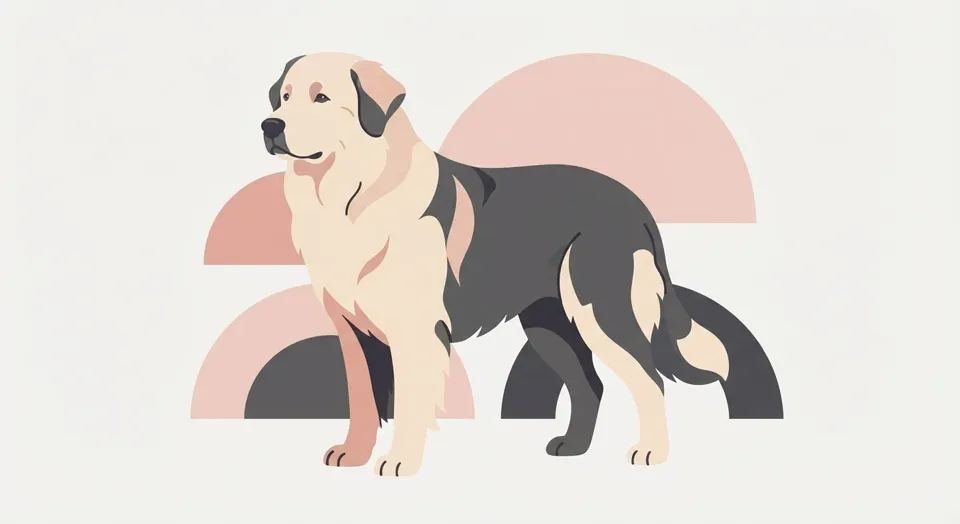
At a glance
Quick facts
- Size
- Small
- Exercise needs
- 1+ hour daily plus mental work
- Home size suited to
- Flat or small home
- Grooming frequency
- Weekly brush, hand-strip a few times a year
- Coat length
- Wiry
- Sheds
- Little, needs stripping instead
- Lifespan
- 12-15 years
- Town or country
- Happiest in the country
- Garden size needed
- Small garden or none
Where it comes from
Origins of the Pyrenean Sheepdog
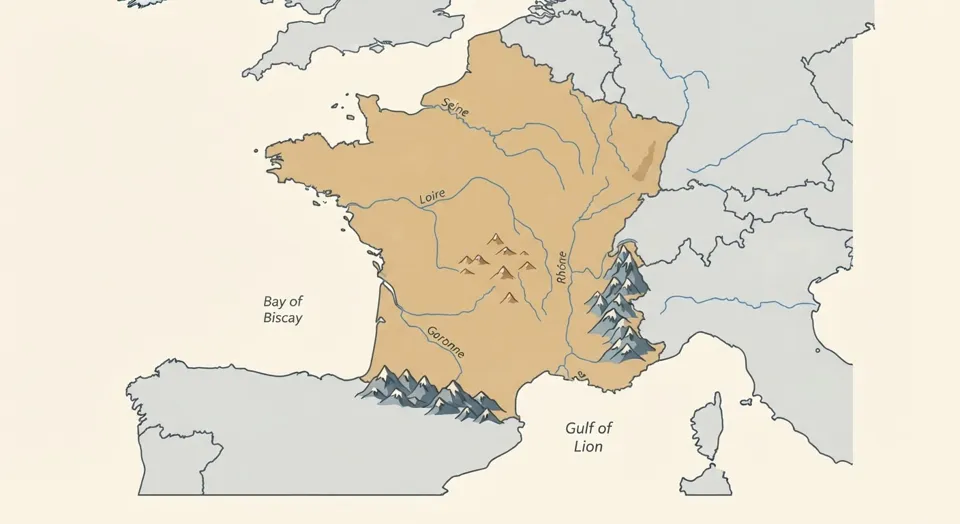
Worked the steep, rocky pastures of the French Pyrenees alongside the much larger Pyrenean Mountain Dog, the sheepdog handling the actual herding on terrain that demanded speed and agility over size.
- Region
- Pyrenees mountains, France
- Climate it was bred for
- Cold, mountainous, rugged terrain
- Original job
- Herding sheep on steep mountain terrain
The long read
About the breed
While the Pyrenean Mountain Dog guarded flocks from predators, the Pyrenean Sheepdog did the actual herding, darting around sheep with speed and agility on steep, rocky terrain that demanded a light, quick dog rather than a large one. It is thought to be one of the oldest herding breeds in France, its exact origins lost to history, though it was certainly well established by the 19th century, when it also served French shepherds as a general farm dog and, during the World Wars, as a messenger and search dog for the French army.
Living with a Pyrenean Sheepdog means living with a genuinely high-energy, quick-thinking dog that needs a proper outlet for its herding instincts, whether that is sheepdog trials, agility, or simply a very active daily routine. Left without enough to do, they can become anxious, noisy or prone to herding household members and other pets by nipping at heels. The coat comes in rough-faced or smooth-faced varieties, both requiring only moderate grooming, less than the shaggy appearance suggests. They are typically extremely attached to their own family and can be wary of strangers, making early socialisation important.
Today the breed remains relatively rare outside France and continues to work sheep in the Pyrenees while also competing in herding and agility trials elsewhere. It suits experienced, active owners who want a small dog with an outsized work ethic and can commit to daily mental and physical exercise.
Living with one
Temperament & needs
Our own ratings, based on the breed standard and how these dogs behave in ordinary homes.
Friendliness
3/5
How openly the Pyrenean Sheepdog greets people it does not know.
Trainability
4/5
Quick to learn but needs consistent structure.
Energy
5/5
Very high energy, needs a proper daily job.
Barking
4/5
Vocal, especially when under-exercised.
Grooming
3/5
Moderate brushing despite shaggy appearance.
Suits a first-time owner
3/5
How forgiving the Pyrenean Sheepdog is for someone taking on their first dog.
Sociability
3/5
Devoted to family, wary of strangers.
Independence
3/5
Capable of working at a distance but bonds closely.
Illustrated breed standard
The points of the breed
Hover or tap a numbered point to read what the standard asks for.
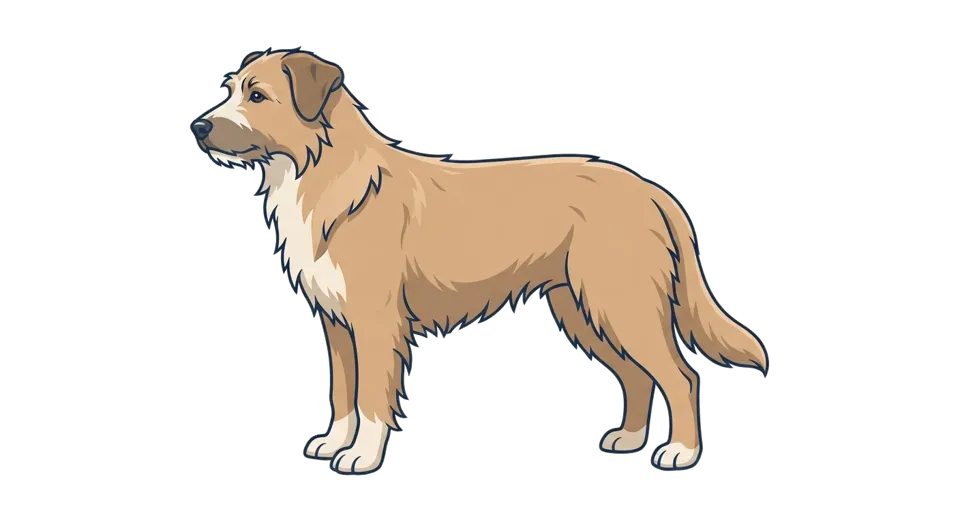
Point 1
Skull
The Pyrenean Sheepdog's skull is judged on balance rather than size — proportionate to the body, with a clean cheek and a stop typical of the breed. Coarseness or an over-refined head are both faulted.
Colours & patterns
Recognised coats
Which coats the standard accepts — and which are simply popular.
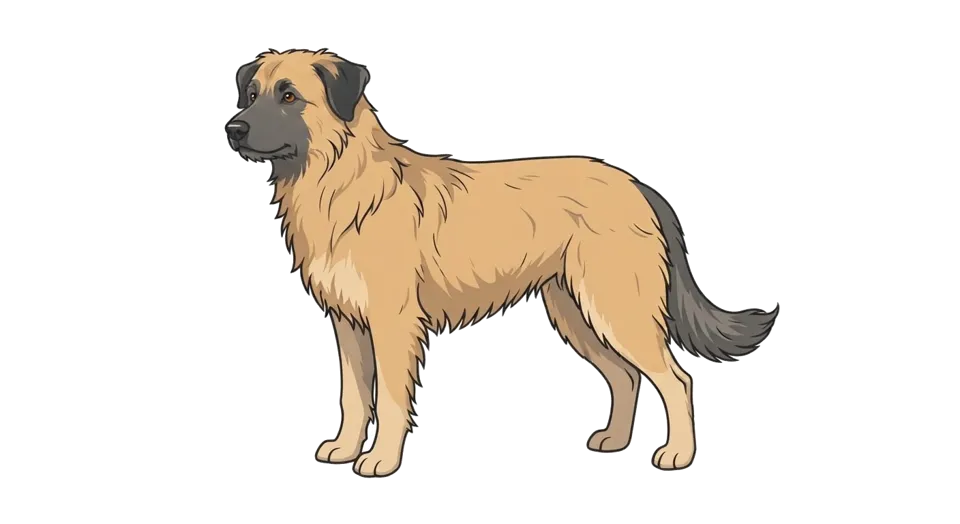
Fawn
Standard colour
Common colour, ranges from light to dark.
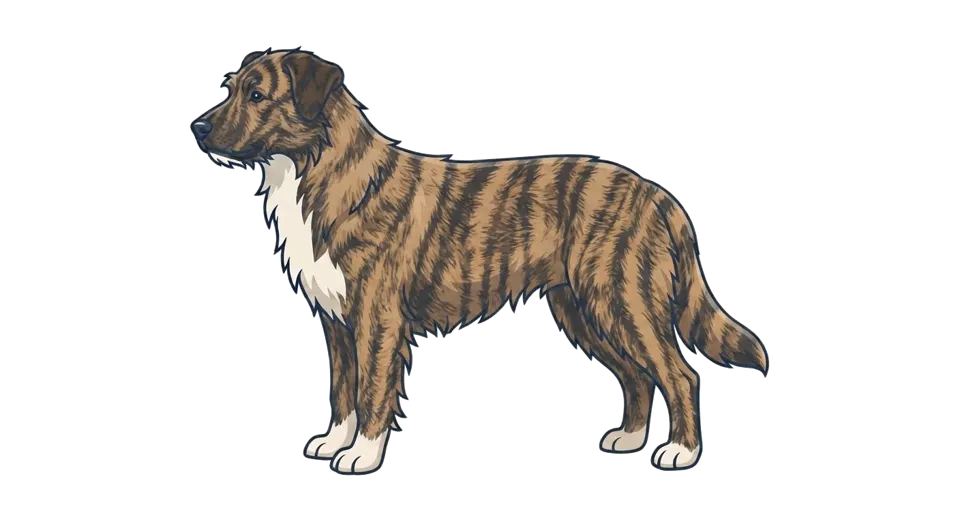
Brindle
Standard colour
Common and traditional working colour.
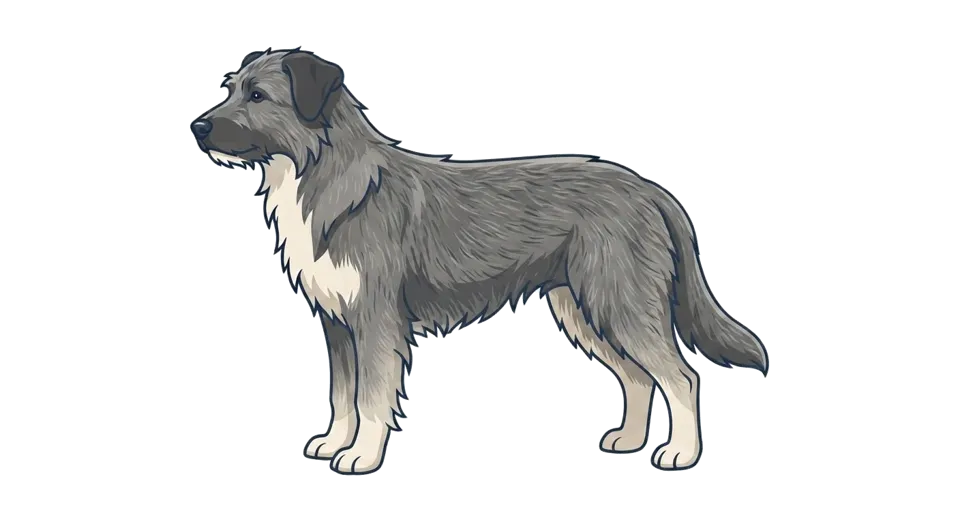
Grey
Standard colour
Recognised solid colour.
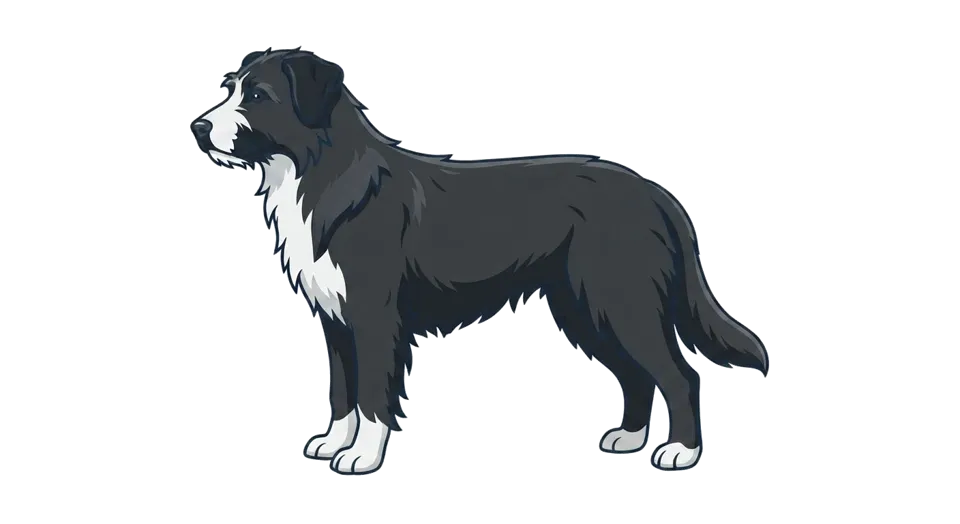
Black
Standard colour
Solid, sometimes with white markings.
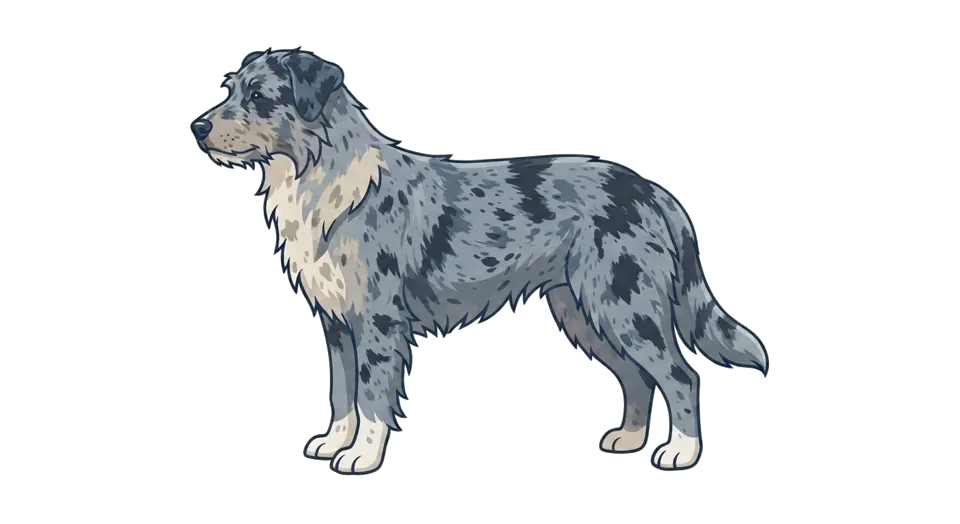
Merle
Standard colour
Mottled pattern seen in some lines.
Timeline
History & development
medieval period
Ancient herding origins
The breed is established in the French Pyrenees, working alongside the larger Pyrenean Mountain Dog.
1800s
Farm dog role expands
The breed becomes a general-purpose farm dog across the Pyrenees region.
1914-1918
Wartime service
Pyrenean Sheepdogs serve the French army as messengers and search dogs during the First World War.
1926
Standard formalised
A French breed standard is written to preserve the working type.
1950s onward
The breed today
Kennel club registrations settled into a steady pattern and the Pyrenean Sheepdog moved from a working specialist to a family companion, with breed clubs in the UK and abroad now focused on health testing and keeping true type alive.
Reference
Breed standard summary
- body
- Slightly longer than tall, light frame.
- coat
- Rough-faced: harsh, disordered; smooth-faced: shorter, smoother.
- ears
- Semi-erect or erect, set high.
- eyes
- Dark amber to brown, alert.
- gait
- Quick, light, tireless.
- head
- Small in proportion to the body, light.
- size
- Small
- tail
- Low set, forming a hook at the tip.
- colour
- Fawn, Brindle, Grey, Black, Merle. Colours outside this list are seen but are not accepted by the kennel clubs.
- temperament
- Typical of the breed: strongest in energy, trainability, barking. Nervousness or aggression are serious faults in the show ring and in the home.
- general appearance
- Small, lively, alert, slightly rectangular.
Health
What to screen for
Green means little to worry about, amber means ask the breeder for test results, red means manage it actively.
Patellar luxation
Screen for it
Ask for knee checks on breeding stock.
Progressive retinal atrophy
Screen for it
DNA testing available where offered.
Hip dysplasia
Low concern
Less common than in larger breeds but worth screening.
General information only — always speak to your vet about your own dog.
From real owners
Pyrenean Sheepdogs in the PAWPOINT Pack
Pyrenean Sheepdogs added by PawPoint members through their pet passports. Share yours to appear here.
Loading the wall…
Made for the Pyrenean Sheepdog
The book, plus hoodies, tees and mugs featuring the Pyrenean Sheepdog.