
Rajapalayam
RAH-juh-puh-LIE-uhm
India· Tamil Nadu, India
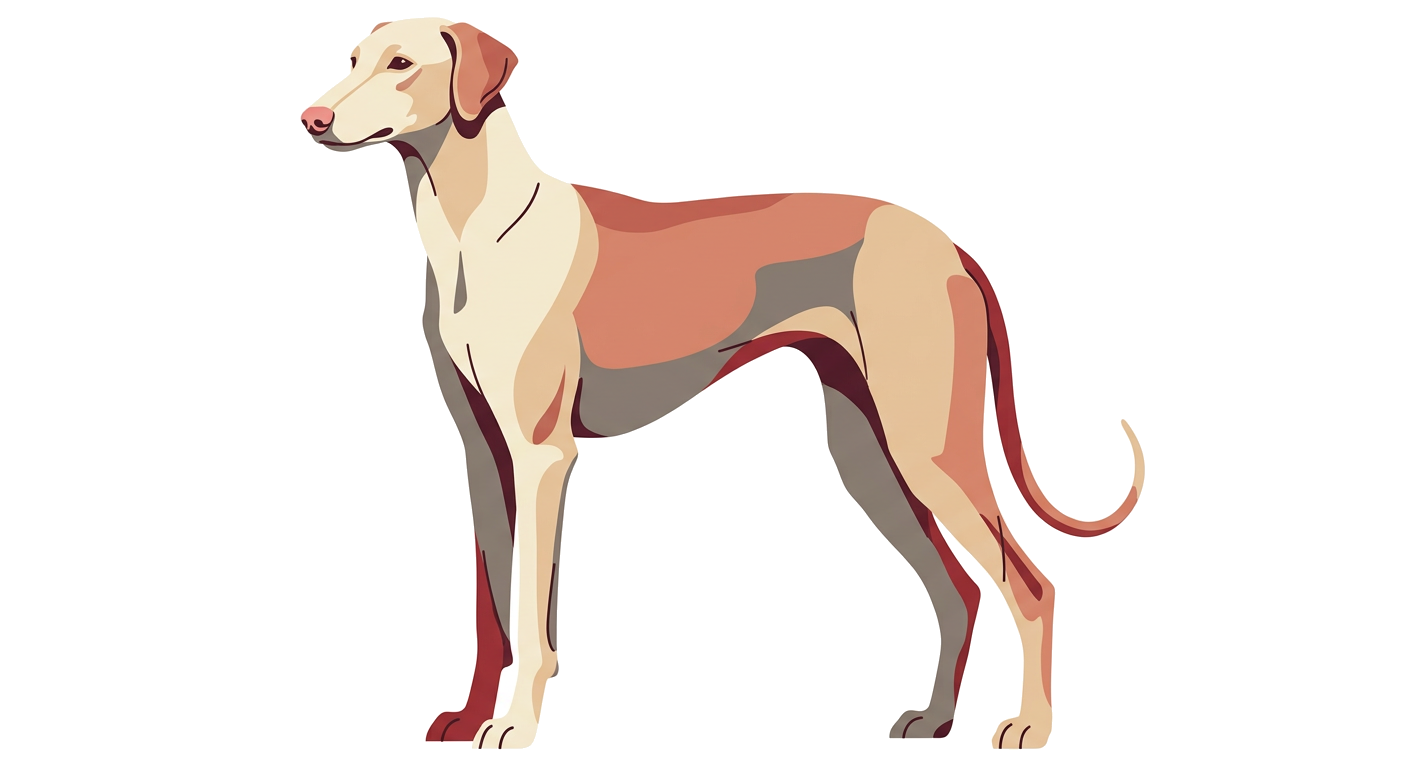
The Rajapalayam, historically known as the Polygar Hound, is a tall, elegant sighthound indigenous to Tamil Nadu in southern India. Associated for centuries with the Nayakar dynasty and local aristocracy in the town of Rajapalayam, the breed was cultivated to hunt large quarry—most notably wild boar—and to serve as a formidable guardian of estates and plantations.
At a glance
Quick facts
Size
Large
Exercise needs
High
Home size suited to
Spacious home with secure grounds
Grooming frequency
Minimal
Coat length
Short
Sheds
Low to moderate
Lifespan
10–12 years
Town or country
Rural or spacious semi-rural
Garden size needed
Large and securely fenced
Where it comes from
Origins of the Rajapalayam
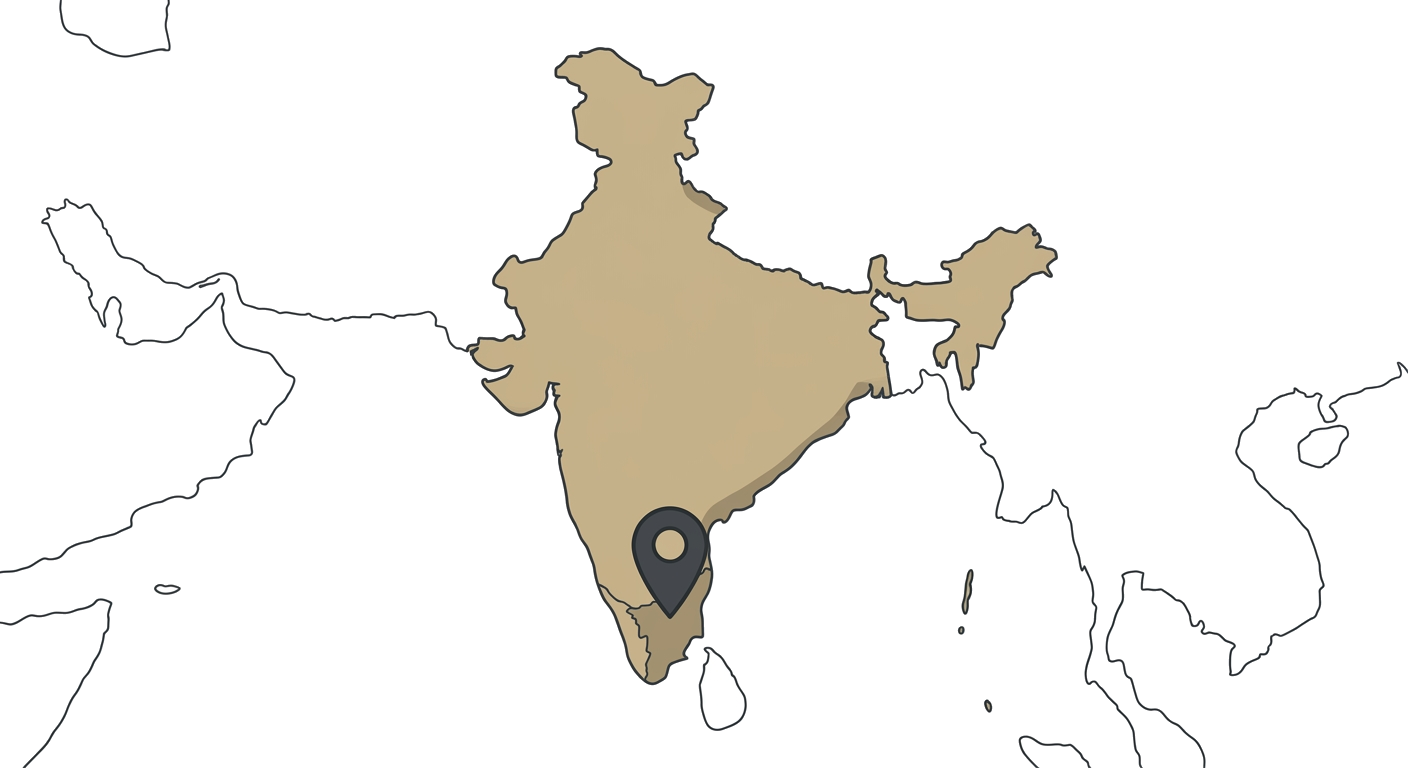
Developed in southern Tamil Nadu, India, as a royal sighthound for hunting wild boar and guarding estates.
- Region
- Tamil Nadu, India
- Climate it was bred for
- Tropical and semi-arid
- Original job
- Big-game coursing and estate protection
The long read
About the breed
Physically, the breed is distinguished by its lean, muscular frame, deep thoracic cavity, whip-like tail, and striking milky-white coat paired with pink skin and a flesh-coloured nose. While primarily functioning as a coursing hound, historical accounts also note its scenthound traits and steadfast protective nature, which manifests as deep loyalty to its household alongside pronounced suspicion of unfamiliar people and animals.
During the twentieth century, the decline of royal patronage and changing land practices reduced the breed's population to critically low numbers. While ongoing revival initiatives led by regional kennel clubs and state animal husbandry departments in Tamil Nadu have helped stabilise numbers, documented genealogical records remain relatively limited outside specialist Indian registries.
Illustrated breed standard
The points of the breed
Hover or tap a numbered point to read what the standard asks for.
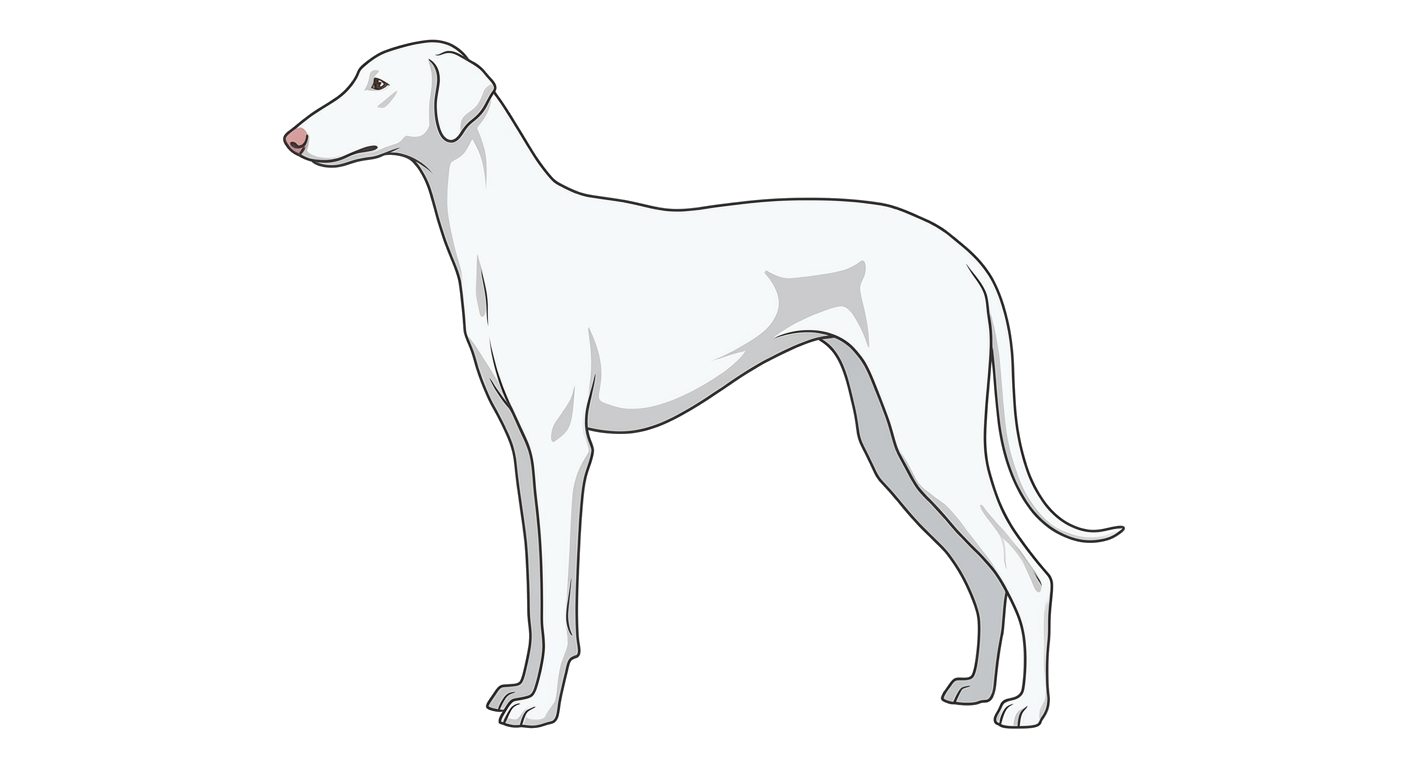
Point 1
Skull
The Rajapalayam's skull is judged on balance rather than size — proportionate to the body, with a clean cheek and a stop typical of the breed. Coarseness or an over-refined head are both faulted.
Colours & patterns
Recognised coats
Which coats the standard accepts — and which are simply popular.
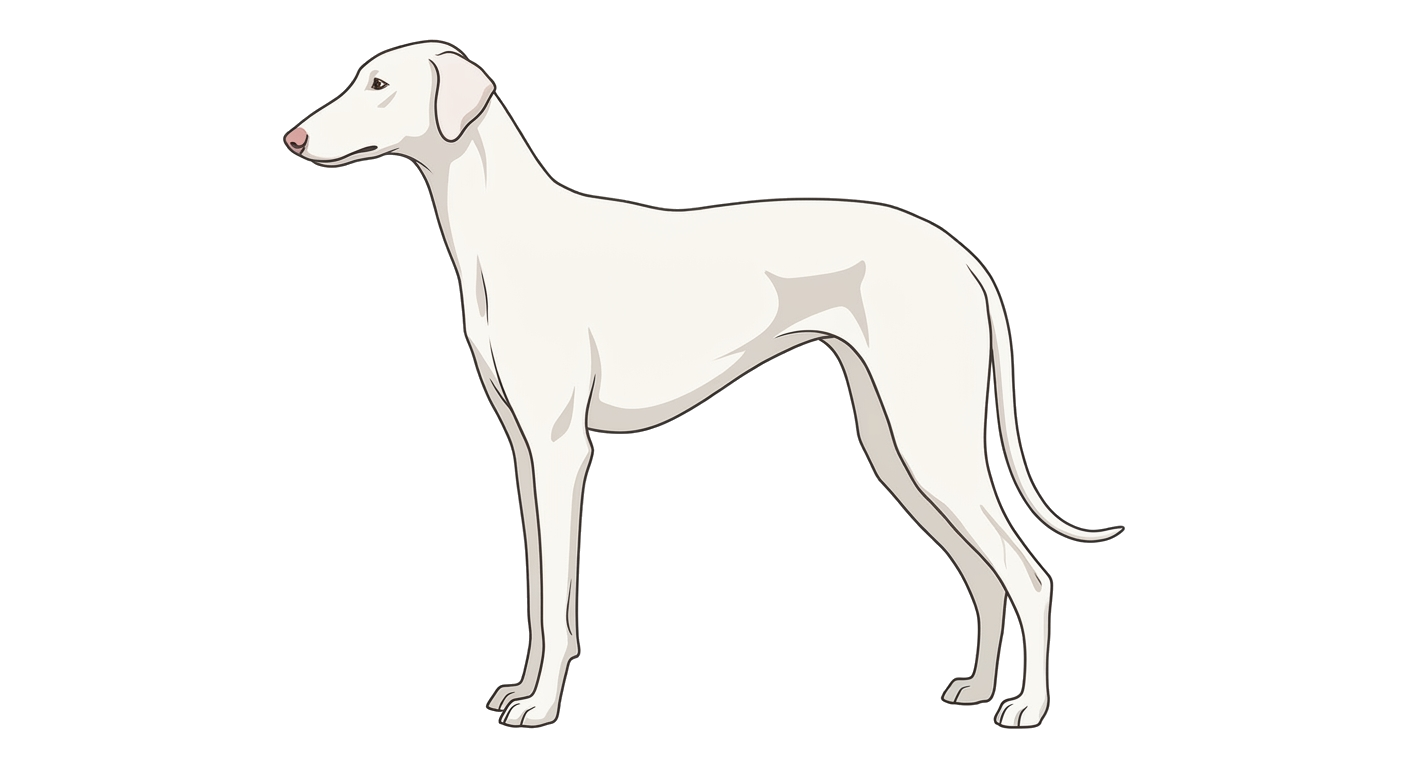
Milky White
Standard colour
The canonical and universally sought standard colour for the breed.
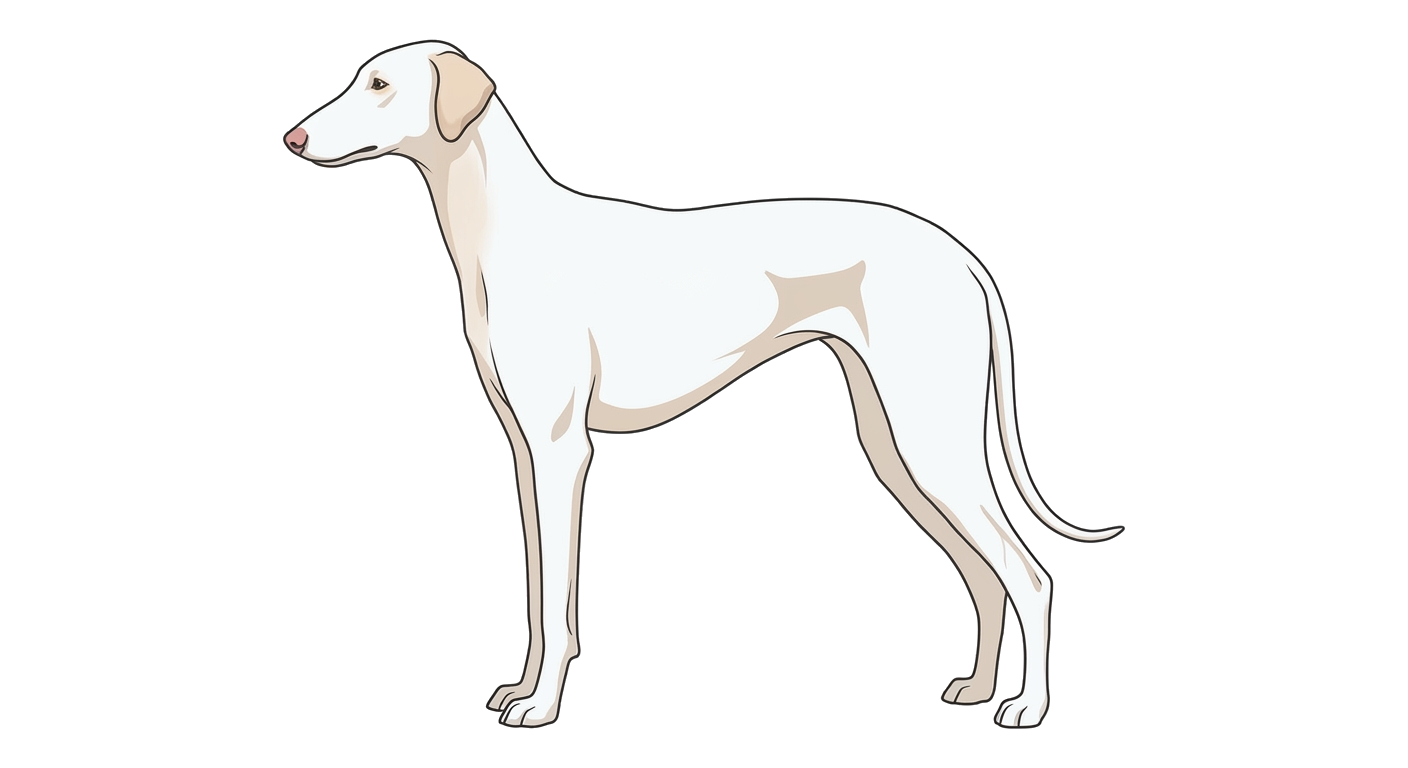
White with Faint Fawn Tints
Standard colour
Historically observed light biscuit or fawn shadings, primarily on the ears.
Outside the standard
Other colours
Dilute coats you will see advertised. They are the same breed, but no kennel club accepts them.
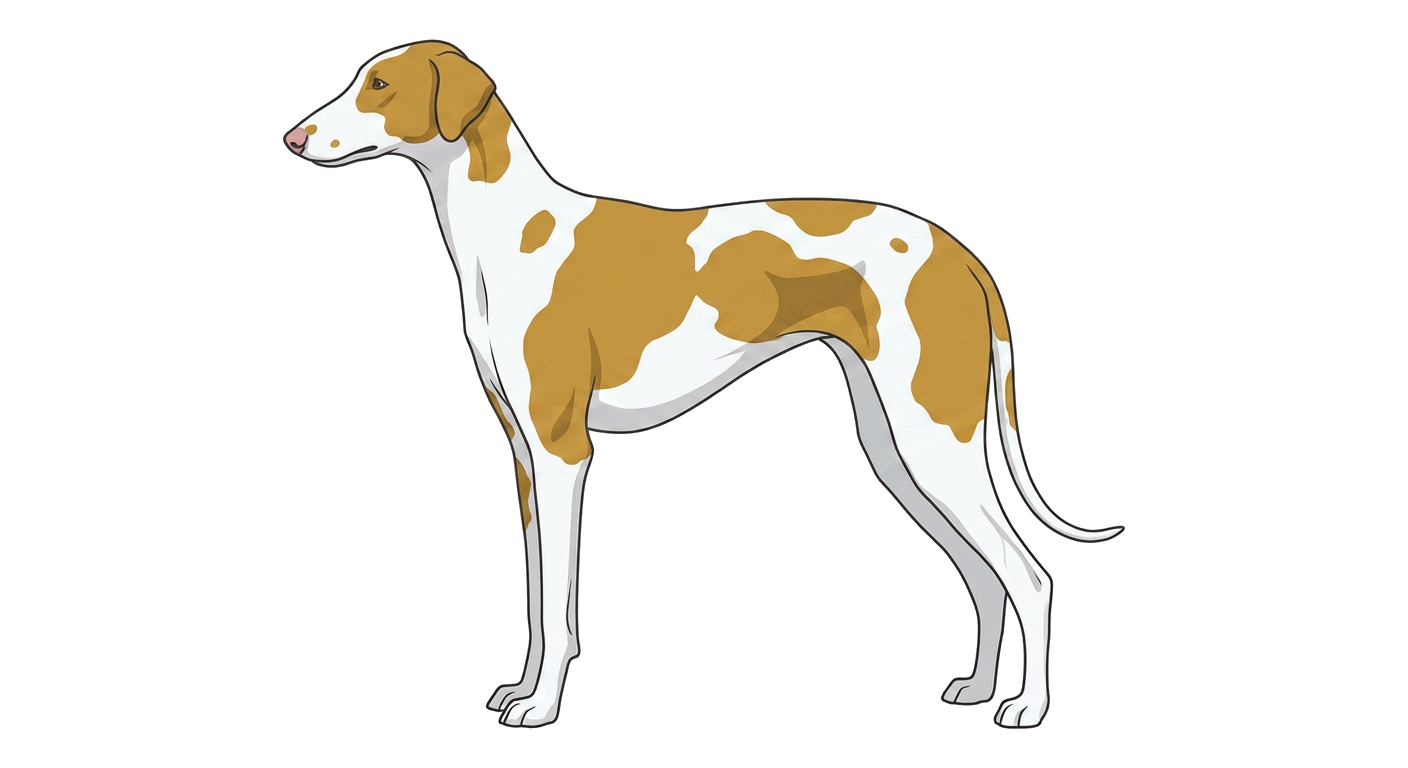
Piebald / Coloured (Historical)
Not in the standard
Non-standard; coloured strains existed historically but are excluded from modern breed purity standards.
Timeline
History & development
c. 1700s
Royal Patronage
Bred and maintained by the Nayakar rulers of Madurai and local Polygar chieftains for hunting wild boar and defending royal properties.
1799–1805
Polygar Wars
Local traditions document the hounds being utilised alongside Polygar warriors during anti-colonial conflicts in southern India.
c. 1970–1980
Population Decline
Loss of aristocratic backing and rural habitat conversion lead to severe population decline, prompting initial conservation appeals.
1981–Present
State Revival Efforts
Tamil Nadu authorities and the Kennel Club of India establish dedicated breeding units and breed standards to prevent extinction.
Reference
Breed standard summary
- body
- Deep-chested with well-sprung ribs, a straight and firm topline, strong loins, and a distinctly tucked-up abdomen.
- coat
- Extremely short, close-fitting, smooth, and fine-textured, offering minimal protection from severe cold.
- ears
- Medium-sized, thin in leather, semi-erect or folded forward close to the head, carried back when at rest.
- eyes
- Medium in size, oval-shaped, varying from dark brown to amber, conveying an alert and watchful expression.
- gait
- Free, supple, and springy with good reach, resembling the elastic action of a thoroughbred horse.
- head
- Clean, dry, and moderately broad across the cranium, tapering smoothly towards the muzzle with a subtle stop.
- size
- Height at the withers typically ranges from 65 to 75 cm for adult males; females are slightly smaller at 60 to 70 cm.
- tail
- Long, fine, and tapering, carried low in a slight upward curve, reaching roughly to the hocks.
- colour
- Predominantly pure milky-white; minor faint markings around the head or ears are noted historically but solid white is prized.
- muzzle
- Long, deep, and strong, finishing with a flesh-coloured or pinkish nose; dark noses occasionally occur but are less traditional.
- temperament
- Aloof, courageous, and vigilant; deeply bonded to its handler while instinctively cautious of strangers.
- general appearance
- Tall, muscular, and aristocratic hound combining the lithe grace of a sighthound with the substantial bone structure of a coursing dog.
Health
What to screen for
Green means little to worry about, amber means ask the breeder for test results, red means manage it actively.
Congenital Deafness
Screen for it
Associated with the piebald or extreme white pigmentation genetics prevalent in the breed; BAER testing is recommended.
Solar Dermatitis & Sunburn
Screen for it
Pink skin and short single coat leave unpigmented areas susceptible to ultraviolet damage without shade or skin protection.
Gastric Dilatation-Volvulus
Watch closely
Deep-chested conformation creates potential risk for stomach torsion; portion control and resting after feeding are advised.
Cold Sensitivity
Watch closely
Very short single coat and low body fat provide minimal thermal insulation in cold or damp environments.
General information only — always speak to your vet about your own dog.
From real owners
Dogs like this
Rajapalayams added by PawPoint members through their pet passports. Share yours to appear here.
Loading the wall…
Made for the Rajapalayam
The book, plus prints, hoodies and mugs using our own Rajapalayam illustration — and one everyday accessory that suits any dog.

The book
Pawpoint: The Complete Dog Breed Book
Every officially recognised breed plus the unofficial ones nobody else documents. 400+ pages, hardback, printed and shipped from the UK.
Own stock — shipped by us
Framed poster
Rajapalayam Framed Poster
Museum-weight print of our Rajapalayam illustration, framed or unframed.
Printed to order
Hoodie
Rajapalayam Hoodie
Heavyweight hoodie carrying the Rajapalayam illustration on the chest.
Printed to order
Mug
Rajapalayam Mug
Ceramic mug with the Rajapalayam illustration wrapped around it.
Printed to order
Accessory
Nail Clippers & Grinder
Safety-guard clippers with a quiet rotary grinder.
Fits any dog
Pawpoint on YouTube
Watch the full Rajapalayam video
Breed deep-dives, history and honest ownership talk. New film every week.
Watch now