Rhodesian Ridgeback
"roh-DEE-zhun RIJ-back"
Zimbabwe· Southern Africa (formerly Rhodesia)
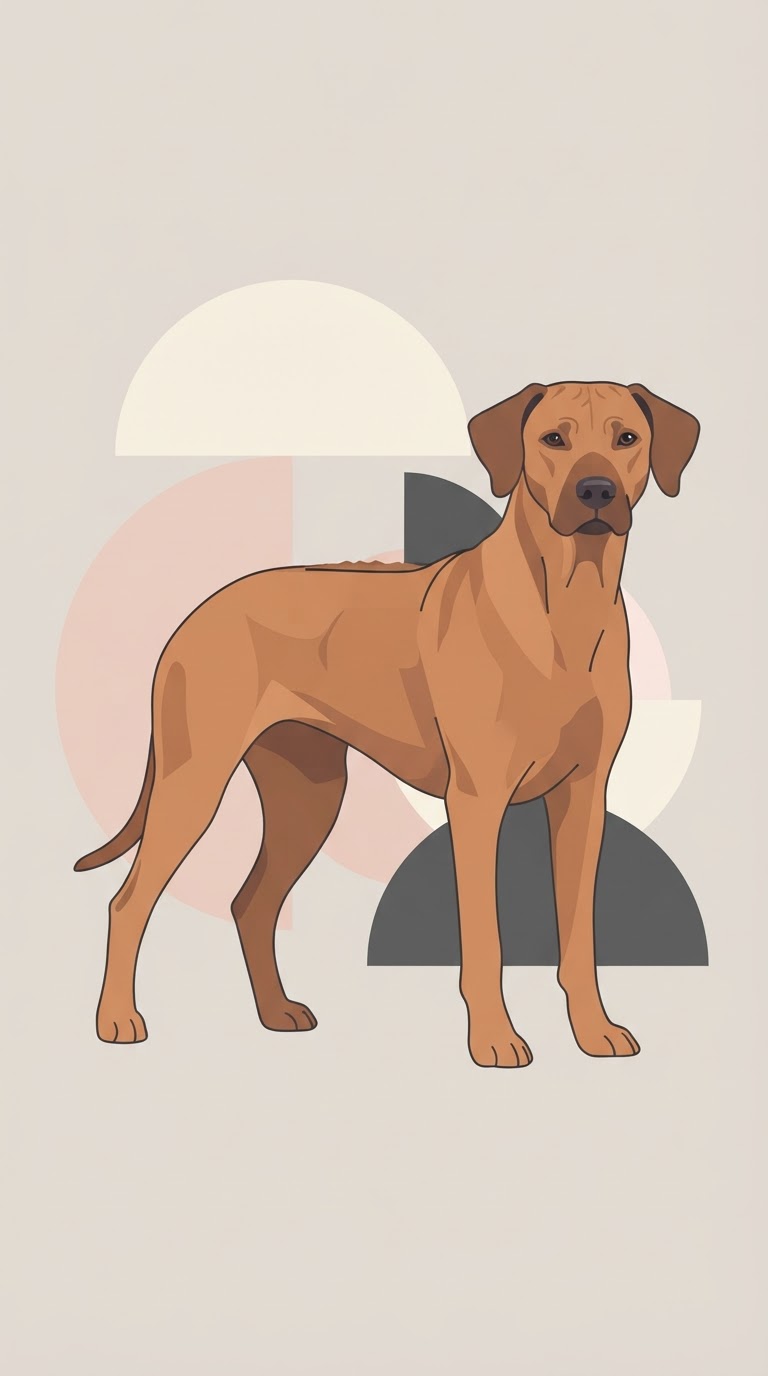
The Rhodesian Ridgeback is a large, athletic hound from southern Africa, named for the distinctive ridge of reverse-growing hair along its spine and bred originally to track and hold lions at bay for hunters.
At a glance
Quick facts
Size
Large
Exercise needs
1.5+ hours daily
Home size suited to
Medium to large home
Grooming frequency
Weekly brush
Coat length
Short
Sheds
Yes, heavily when moulting
Lifespan
10-12 years
Town or country
Happiest in the country
Garden size needed
Medium or larger
Where it comes from
Origins of the Rhodesian Ridgeback

Developed in the bushveld of southern Africa from settler hunting dogs crossed with ridged native dogs kept by the Khoikhoi people. The hot, dry terrain and dangerous game demanded a dog with stamina, courage and the sense to bay rather than engage a lion directly.
- Region
- Southern Africa (formerly Rhodesia)
- Climate it was bred for
- Hot, dry savannah and bushveld
- Original job
- Tracking and holding lions at bay for hunters
The long read
About the breed
The breed developed in what is now Zimbabwe from crosses between European settler dogs, including Mastiffs, Bloodhounds and Greyhounds, and the semi-domesticated ridged hunting dogs kept by the Khoikhoi people of southern Africa, whose dogs already carried the trademark ridge. The result, formalised as a breed in the early 1920s by Rhodesian breeder Francis Barnes, was a dog with the stamina and courage to track lions across open bush for hours and then hold them at bay, barking and dodging, until a hunter arrived, rather than attacking directly, which would have gotten most dogs killed.
Living with a Rhodesian Ridgeback means living with a large, powerful, independent-minded dog that needs a confident, consistent owner. They are typically calm and dignified indoors but need substantial daily exercise to stay settled, and their strong prey drive and independent streak mean recall training takes real, sustained effort. The short coat needs minimal grooming. Ridgebacks tend to be reserved with strangers and protective of their family and territory, a trait that suits their heritage as farm and home guardians but requires early socialisation to prevent over-suspicion.
Today the Ridgeback is primarily a companion and show dog, though its athleticism suits it well to activities like lure coursing and long-distance running with a fit owner. It suits experienced owners with time for real exercise and the patience to work with a strong-willed, intelligent dog.
Living with one
Temperament & needs
Our own ratings, based on the breed standard and how these dogs behave in ordinary homes.
Friendliness
3/5
How openly the Rhodesian Ridgeback greets people it does not know.
Trainability
3/5
Intelligent but independent, needs a confident handler.
Energy
4/5
Needs substantial daily exercise to stay settled.
Barking
2/5
Generally quiet unless alerting to something specific.
Grooming
1/5
Short coat needs minimal upkeep.
Suits a first-time owner
2/5
How forgiving the Rhodesian Ridgeback is for someone taking on their first dog.
Sociability
3/5
Reserved with strangers, loyal to family.
Independence
4/5
Bred to make decisions alone while tracking dangerous game.
Illustrated breed standard
The points of the breed
Hover or tap a numbered point to read what the standard asks for.
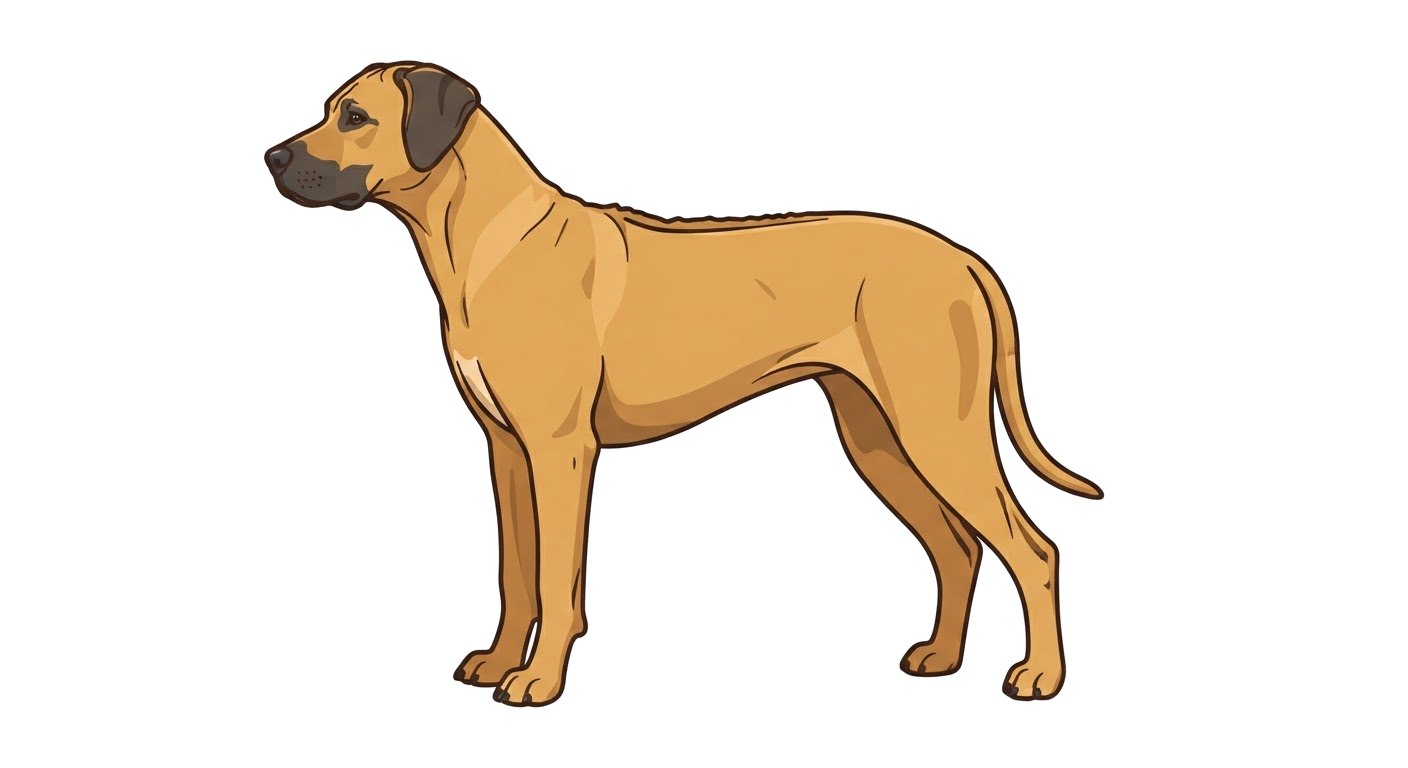
Point 1
Skull
The Rhodesian Ridgeback's skull is judged on balance rather than size — proportionate to the body, with a clean cheek and a stop typical of the breed. Coarseness or an over-refined head are both faulted.
Colours & patterns
Recognised coats
Which coats the standard accepts — and which are simply popular.
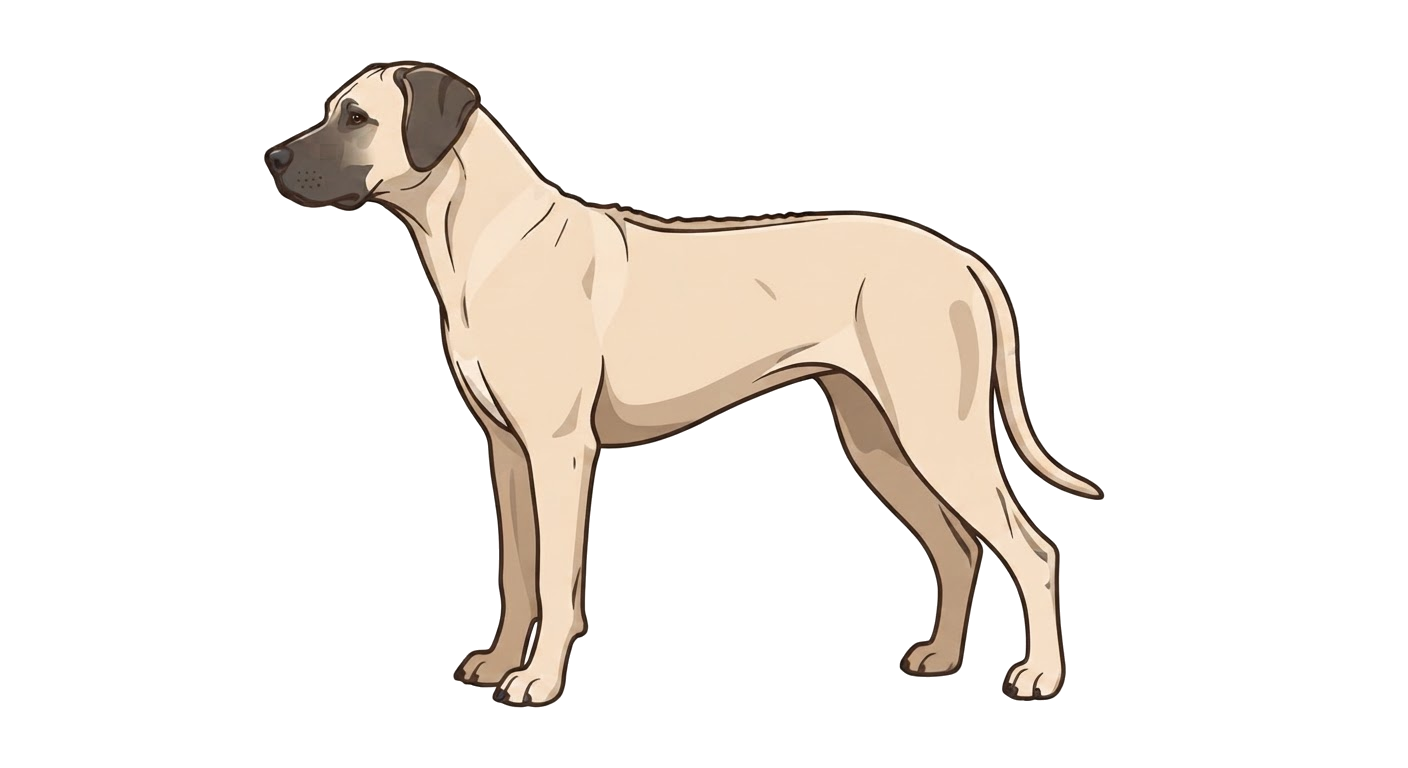
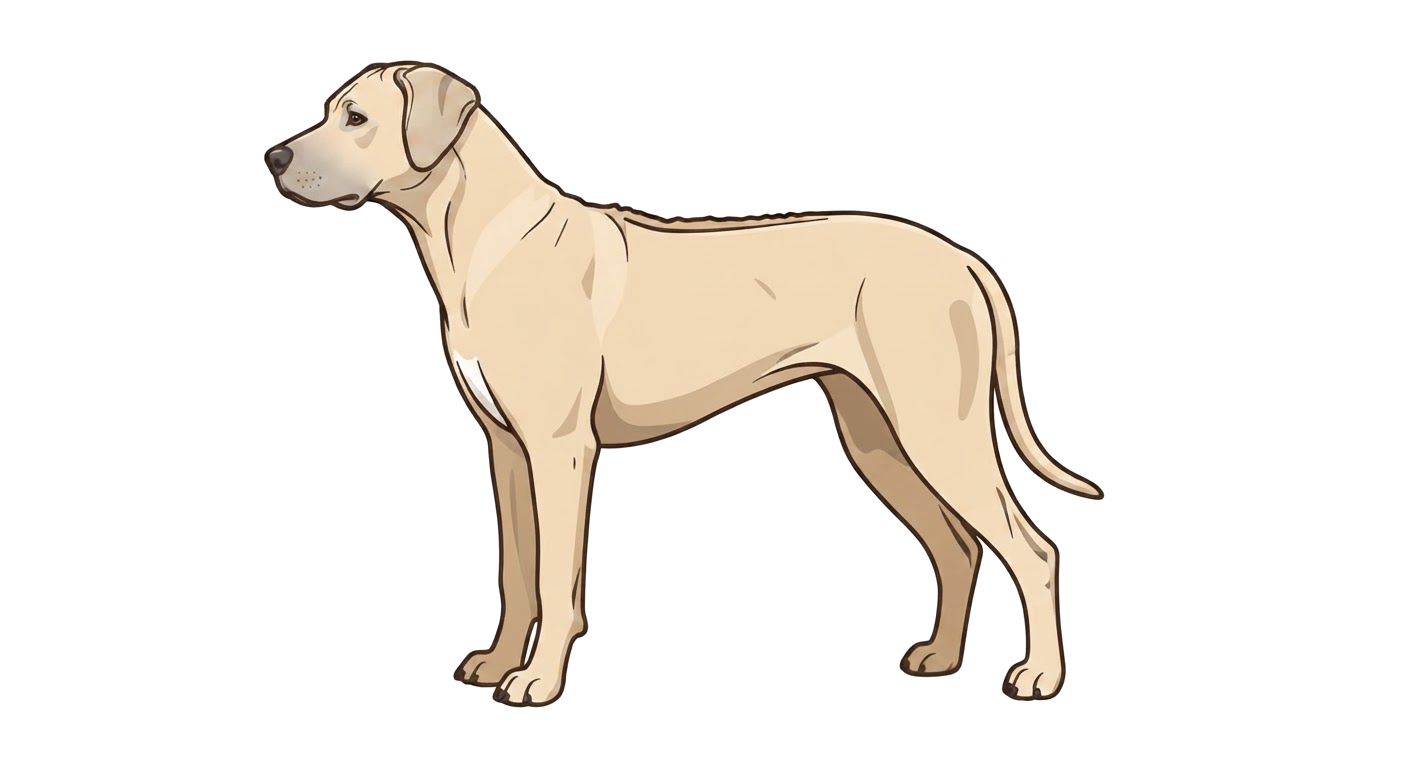
Light wheaten
Standard colour
Paler end of the accepted colour range.
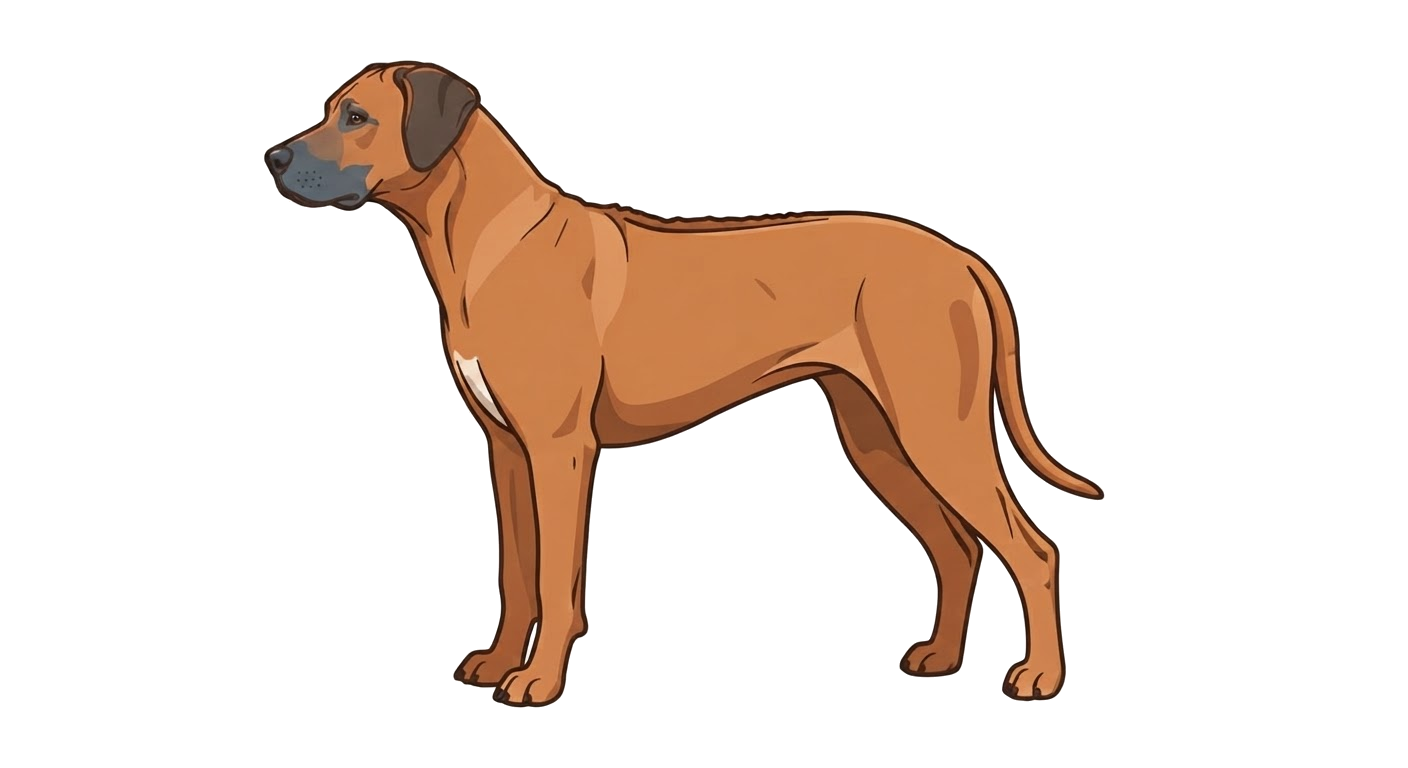
Wheaten
Standard colour
The classic, most common shade.
Red wheaten
Standard colour
Deeper, richer shade at the other end of the standard.
Timeline
History & development
1600s
Khoikhoi ridged dogs
Indigenous ridged hunting dogs are kept by the Khoikhoi people of southern Africa.
1800s
Settler crossbreeding
European settlers cross their hunting dogs with local ridged dogs, valuing the combination for big-game work.
1922
Standard formalised
Francis Barnes writes the first breed standard in Rhodesia, based on the Dalmatian standard.
1955
UK recognition
The Kennel Club recognises the breed in Britain.
Reference
Breed standard summary
- body
- Deep chest, strong back, moderate tuck-up.
- coat
- Short, dense, sleek, with a ridge of reverse-growing hair along the spine.
- ears
- Set high, carried close to the head.
- eyes
- Round, moderately spaced, matching coat colour.
- gait
- Free, active, powerful.
- head
- Flat, moderate width between the ears.
- size
- Large
- tail
- Strong at the base, tapering, slight curve.
- colour
- Light wheaten, Wheaten, Red wheaten. Colours outside this list are seen but are not accepted by the kennel clubs.
- temperament
- Typical of the breed: strongest in energy, independence, trainability. Nervousness or aggression are serious faults in the show ring and in the home.
- general appearance
- Strong, muscular, symmetrical, with a distinctive dorsal ridge.
Health
What to screen for
Green means little to worry about, amber means ask the breeder for test results, red means manage it actively.
Hip dysplasia
Screen for it
Ask for hip scores on both parents.
Dermoid sinus
Watch closely
A congenital spinal defect linked to the ridge; ask breeders about screening puppies at birth.
Bloat
Watch closely
Deep-chested; feed smaller meals and avoid exercise after eating.
Hypothyroidism
Low concern
Occasionally seen; routine screening can catch it early.
General information only — always speak to your vet about your own dog.
From real owners
Dogs like this
Rhodesian Ridgebacks added by PawPoint members through their pet passports. Share yours to appear here.
Loading the wall…
Made for the Rhodesian Ridgeback
The book, plus prints, hoodies and mugs using our own Rhodesian Ridgeback illustration — and one everyday accessory that suits any dog.

The book
Pawpoint: The Complete Dog Breed Book
Every officially recognised breed plus the unofficial ones nobody else documents. 400+ pages, hardback, printed and shipped from the UK.
Own stock — shipped by us
Framed poster
Rhodesian Ridgeback Framed Poster
Museum-weight print of our Rhodesian Ridgeback illustration, framed or unframed.
Printed to order
Hoodie
Rhodesian Ridgeback Hoodie
Heavyweight hoodie carrying the Rhodesian Ridgeback illustration on the chest.
Printed to order
Mug
Rhodesian Ridgeback Mug
Ceramic mug with the Rhodesian Ridgeback illustration wrapped around it.
Printed to order
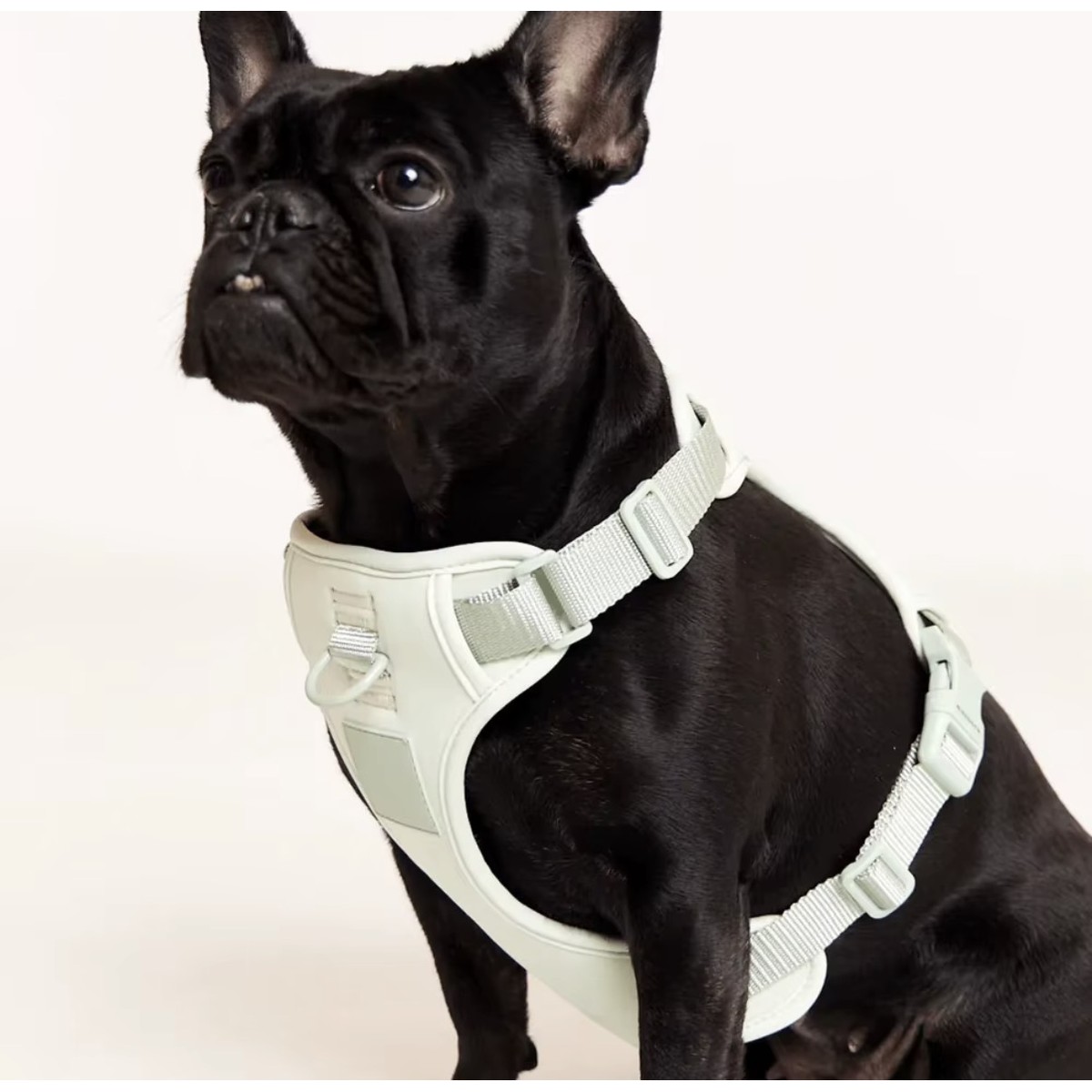
Accessory
Adjustable Harness (S/M/L)
Fully adjustable chest and girth straps — no fixed sizing.
Fits any dog

Pawpoint on YouTube
Watch the full Rhodesian Ridgeback video
Breed deep-dives, history and honest ownership talk. New film every week.
Watch now