
Russian Toy
RUH-shun TOY
Russia· Moscow
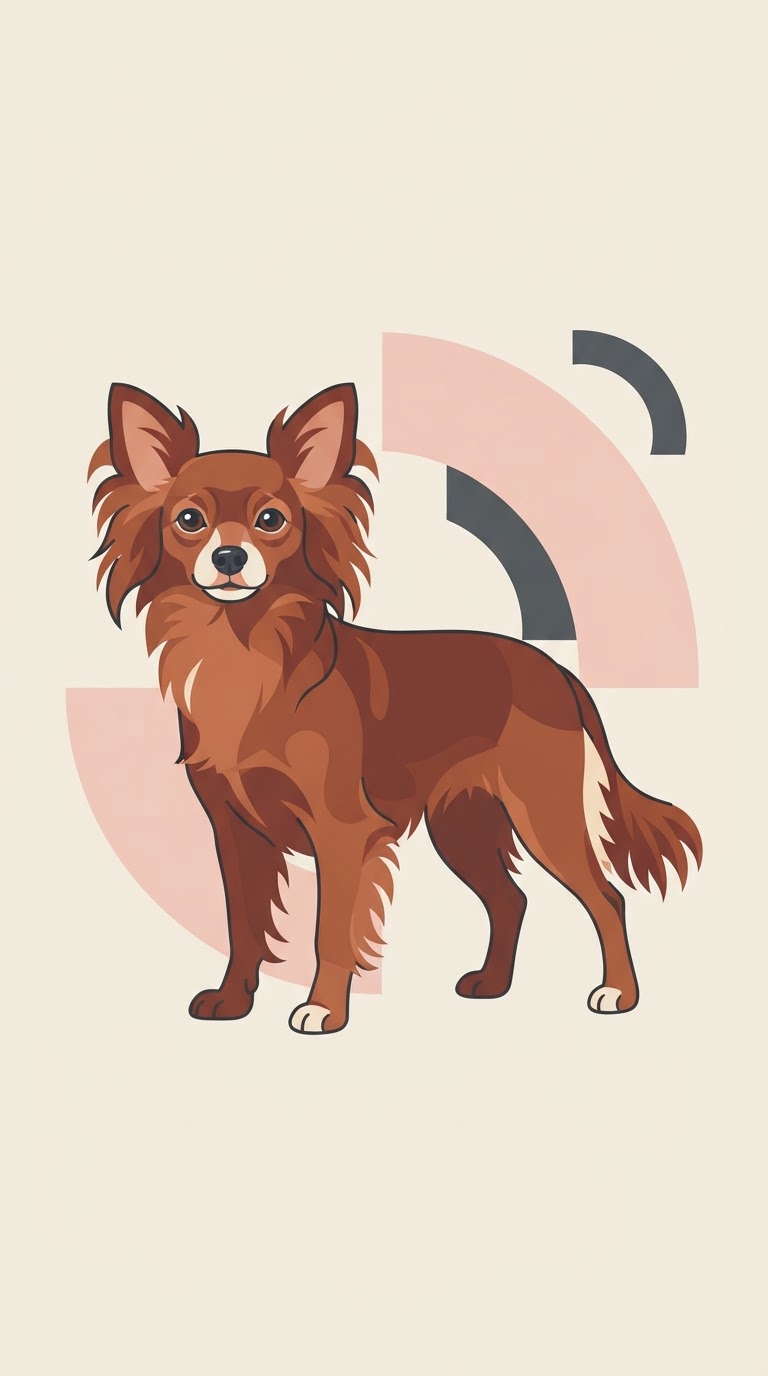
The Russian Toy is a tiny, long-legged companion breed from Russia, recognisable by its large upright ears and, in the longhaired variety, feathered fringes that give it an almost fairy-tale silhouette.
At a glance
Quick facts
Size
Toy
Exercise needs
20–30 minutes daily
Home size suited to
Flat or any size home
Grooming frequency
Weekly brush
Coat length
Short
Sheds
Yes
Lifespan
10–12 years
Town or country
Either, happy in town
Garden size needed
None needed
Where it comes from
Origins of the Russian Toy
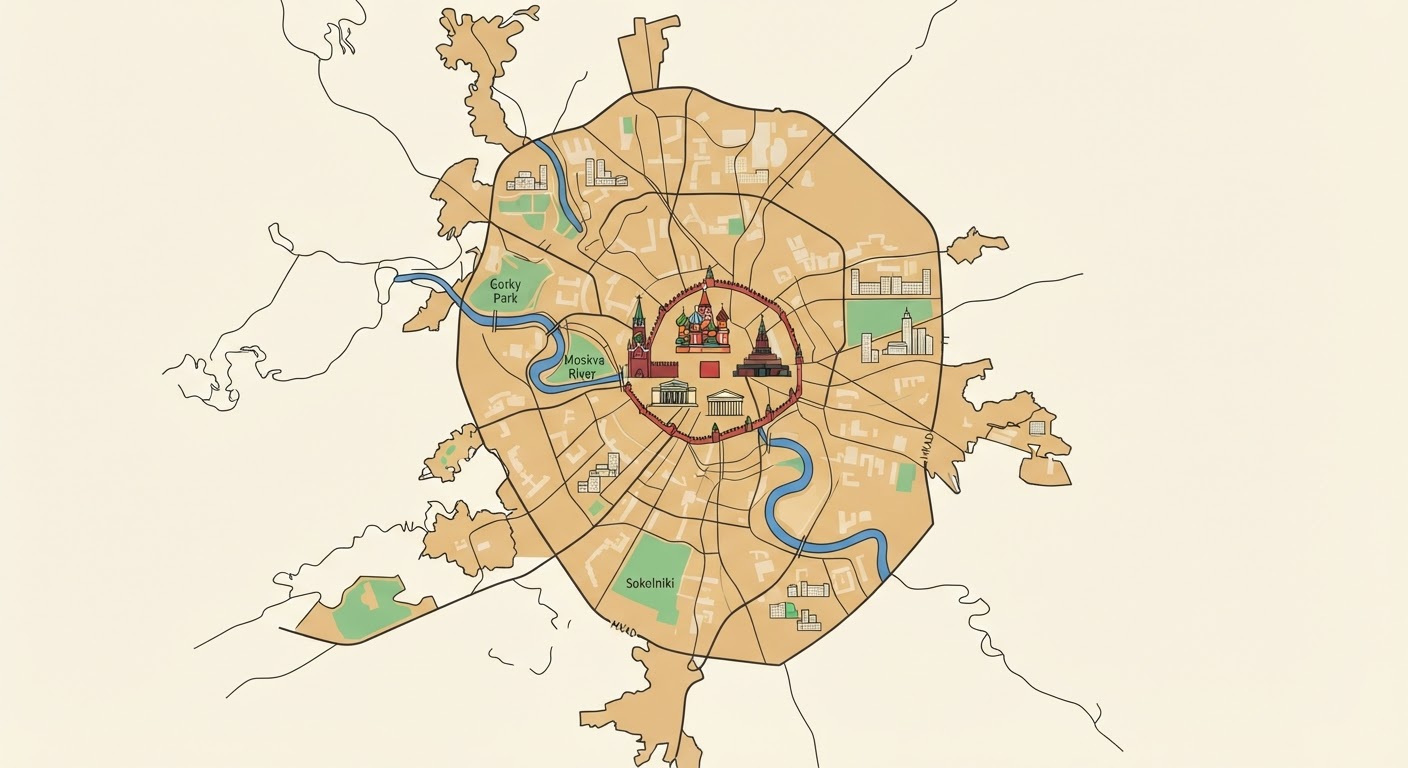
Descended from English Toy Terriers imported to Russia before the revolution, the breed was rebuilt from a handful of survivors after Soviet-era isolation cut it off from Western bloodlines.
- Region
- Moscow
- Climate it was bred for
- Cold continental winters, warm summers
- Original job
- Companion dog for aristocratic and later Soviet-era households
Living with one
Temperament & needs
Our own ratings, based on the breed standard and how these dogs behave in ordinary homes.
Friendliness
4/5
How openly the Russian Toy greets people it does not know.
Trainability
3/5
Eager to please but can be distracted; toilet training needs patience.
Energy
3/5
Lively indoors and enjoys short brisk walks.
Barking
3/5
Alert and will announce visitors, though not relentlessly.
Grooming
2/5
Smooth coats need minimal care; longhaired coats need weekly brushing.
Suits a first-time owner
3/5
How forgiving the Russian Toy is for someone taking on their first dog.
Sociability
4/5
Bonds tightly with its owner and is generally friendly with visitors.
Independence
2/5
Prefers company and dislikes being left alone for long.
Illustrated breed standard
The points of the breed
Hover or tap a numbered point to read what the standard asks for.
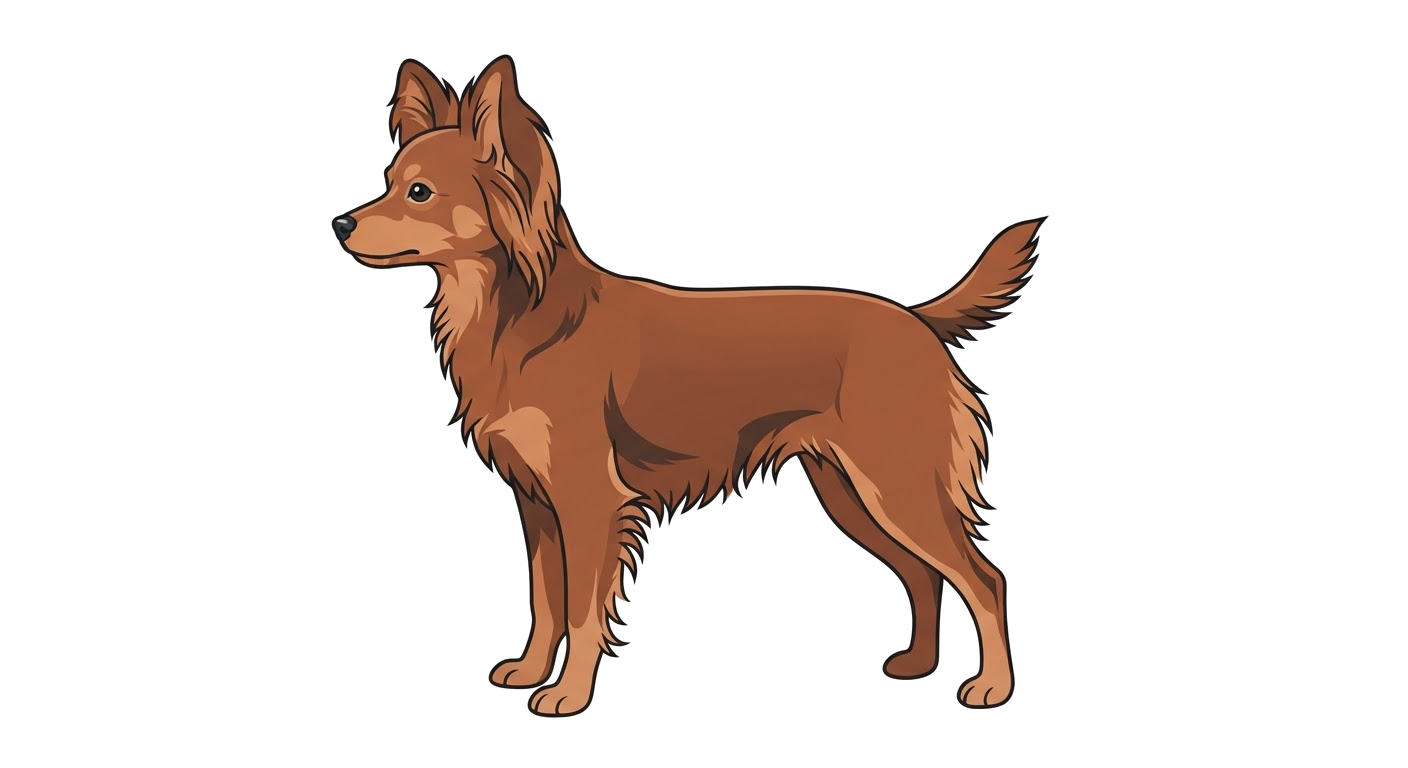
Point 1
Skull
The Russian Toy's skull is judged on balance rather than size — proportionate to the body, with a clean cheek and a stop typical of the breed. Coarseness or an over-refined head are both faulted.
Colours & patterns
Recognised coats
Which coats the standard accepts — and which are simply popular.
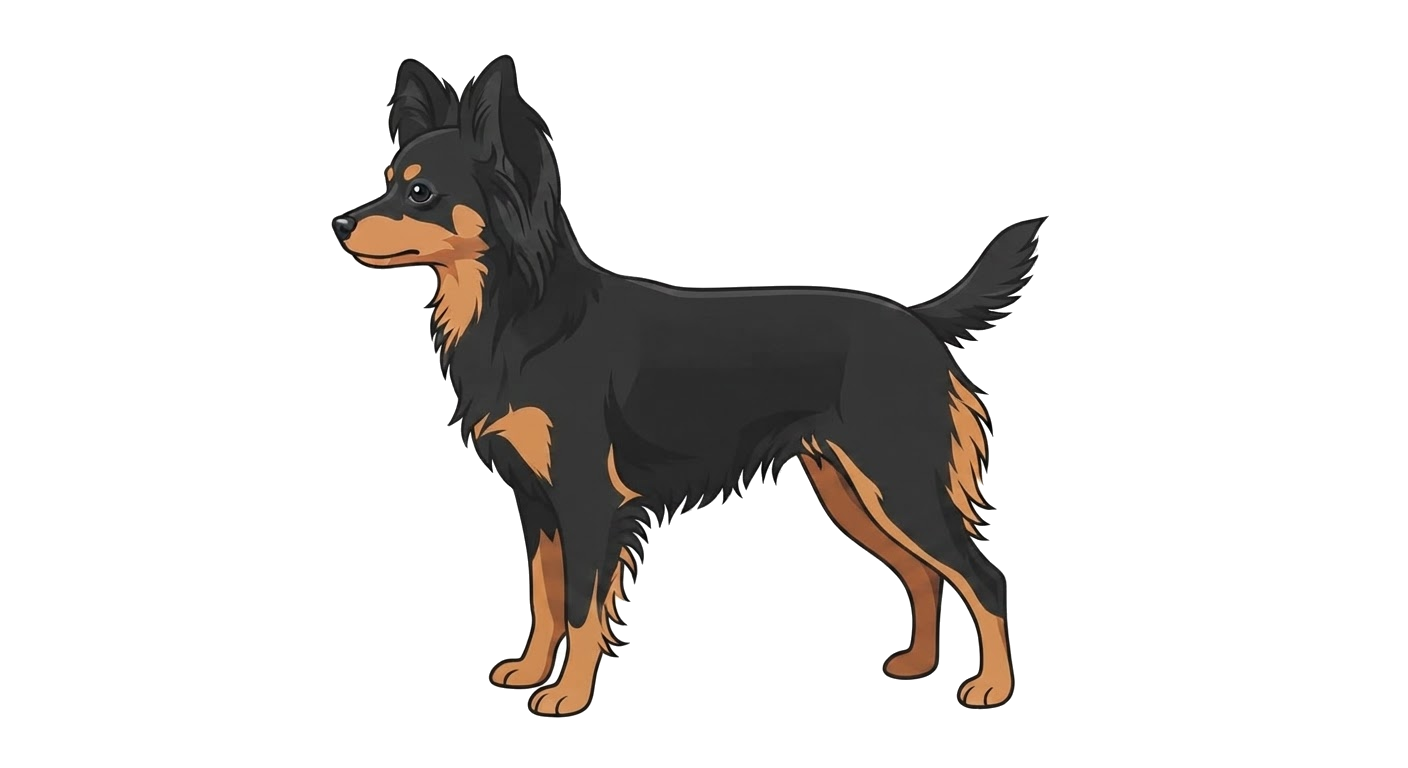
Black and Tan
Standard colour
One of the most common colour combinations.
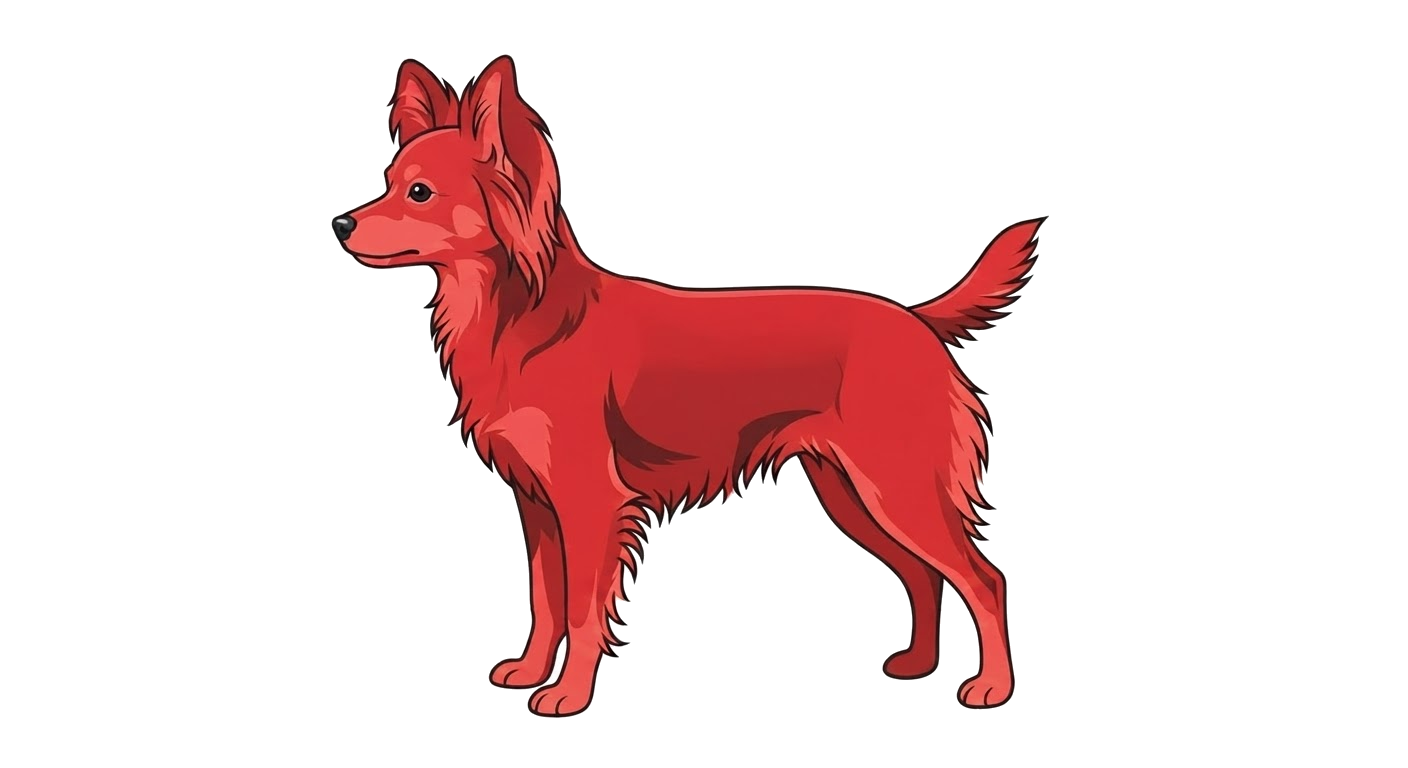
Red
Standard colour
A solid warm red, popular in both coat types.
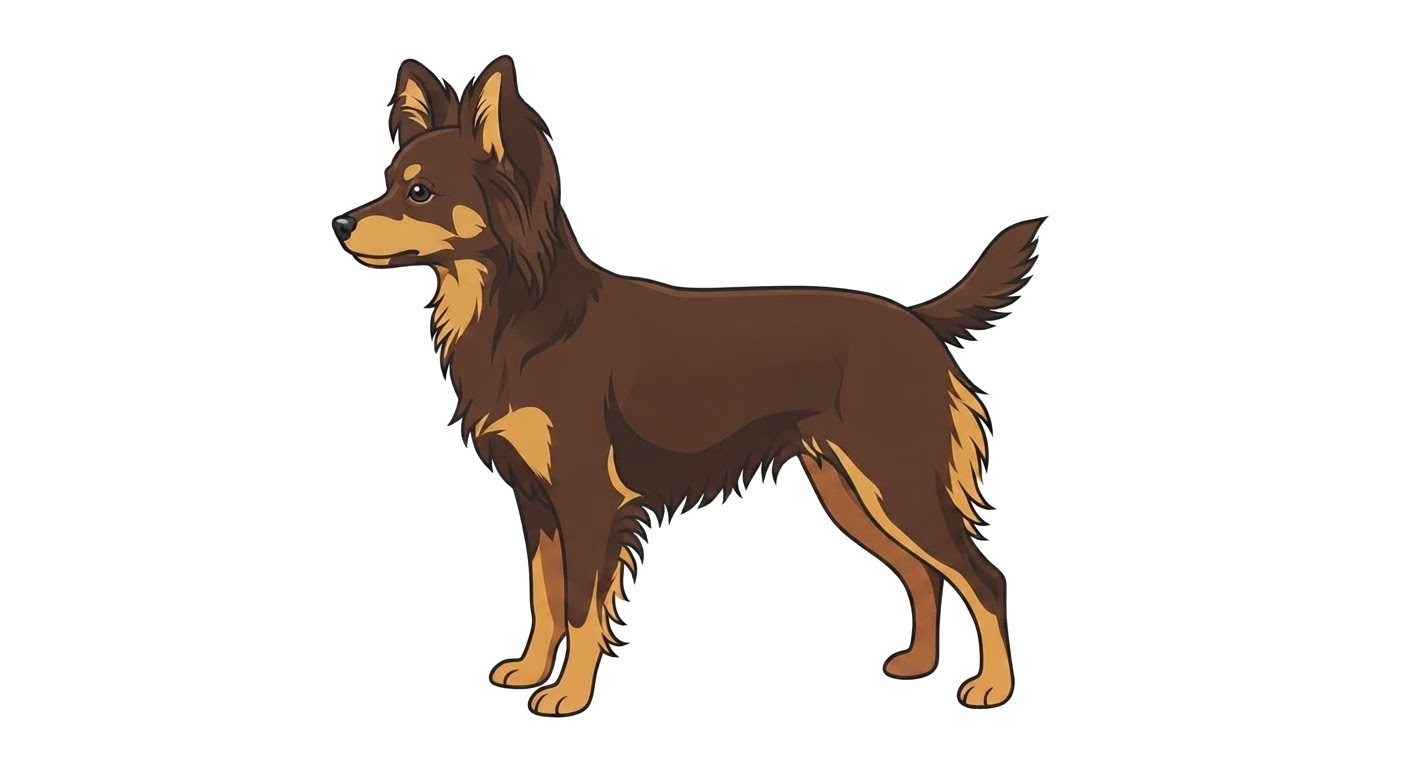
Brown and Tan
Standard colour
A chocolate-toned variant with tan points.
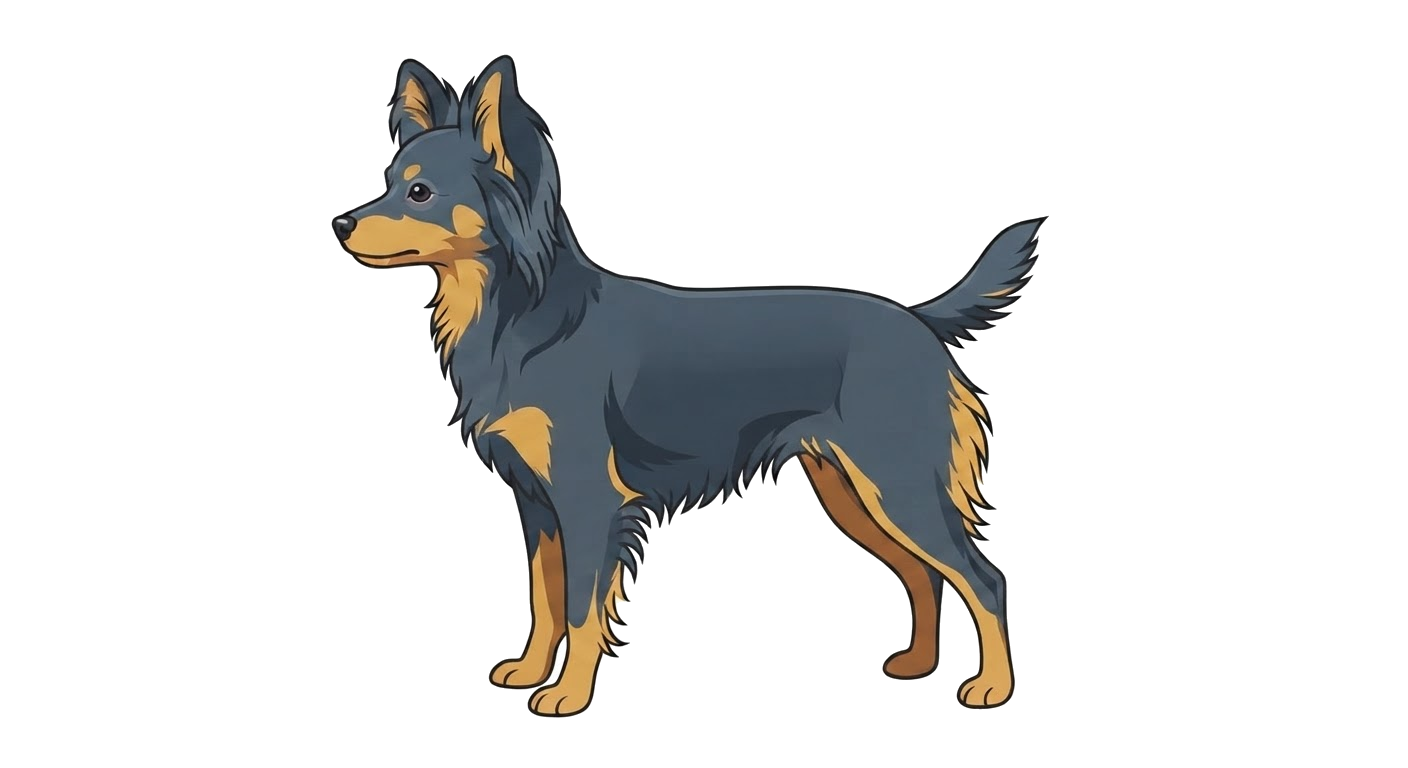
Blue and Tan
Standard colour
A dilute grey-blue shade with tan markings, less common.
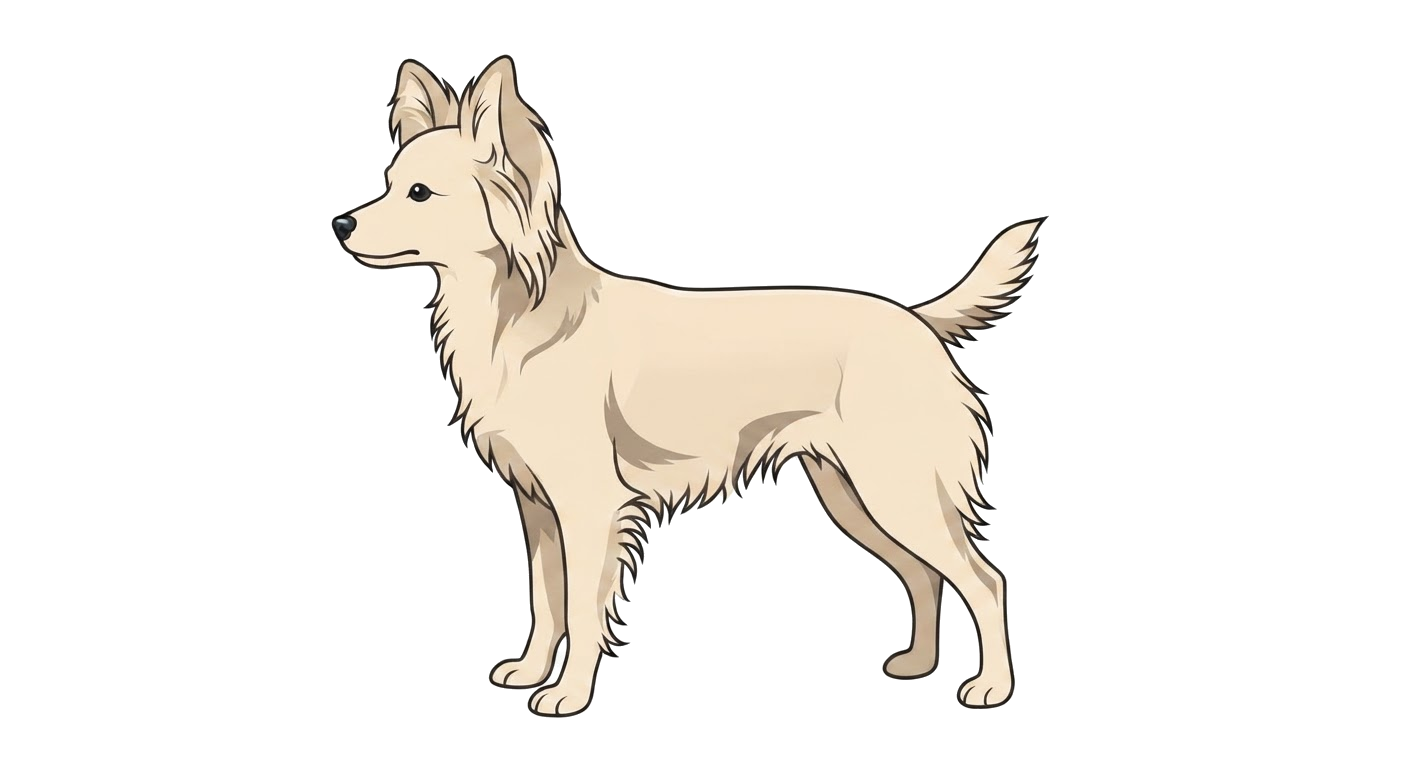
Cream
Standard colour
A pale sandy shade accepted across both coat varieties.
Timeline
History & development
1700s
English roots
English Toy Terriers were imported into Russia and became fashionable among the aristocracy.
1920s
Soviet isolation
After the revolution, Western imports stopped and Russian breeders worked with the dogs already in the country.
1958
Longhaired variety
A naturally occurring longhaired dog named Chikki became the foundation of the longhaired Russian Toy line.
2006
FCI recognition
The breed gained international recognition under the Fédération Cynologique Internationale.
Reference
Breed standard summary
- body
- Compact with a level topline.
- coat
- Smooth and close, or long with feathering on ears, legs and tail.
- ears
- Large, thin, erect, set high.
- eyes
- Large, round, dark, expressive.
- gait
- Free and light, covering ground effortlessly.
- head
- Small, wedge-shaped skull with a well-defined stop.
- size
- 20–28cm at the withers.
- tail
- Sickle-shaped or docked in origin, carried up.
- colour
- Black and Tan, Red, Brown and Tan, Blue and Tan, Cream. Colours outside this list are seen but are not accepted by the kennel clubs.
- temperament
- Typical of the breed: strongest in sociability, energy, trainability. Nervousness or aggression are serious faults in the show ring and in the home.
- general appearance
- Small, elegant, long-legged toy dog with a lively and confident manner.
Health
What to screen for
Green means little to worry about, amber means ask the breeder for test results, red means manage it actively.
Patellar luxation
Screen for it
Ask breeders for a veterinary patella grading on both parents.
Dental crowding
Low concern
Small jaws mean retained puppy teeth are common; check with a vet at six months.
Fragile limbs
Screen for it
Falls from furniture can fracture the fine leg bones, so supervise young dogs on stairs and sofas.
Hydrocephalus
Watch closely
A known risk in very small toy breeds; ask about the size and health of the puppy's littermates and parents.
General information only — always speak to your vet about your own dog.
From real owners
Dogs like this
Russian Toys added by PawPoint members through their pet passports. Share yours to appear here.
Loading the wall…
Made for the Russian Toy
The book, plus prints, hoodies and mugs using our own Russian Toy illustration — and one everyday accessory that suits any dog.
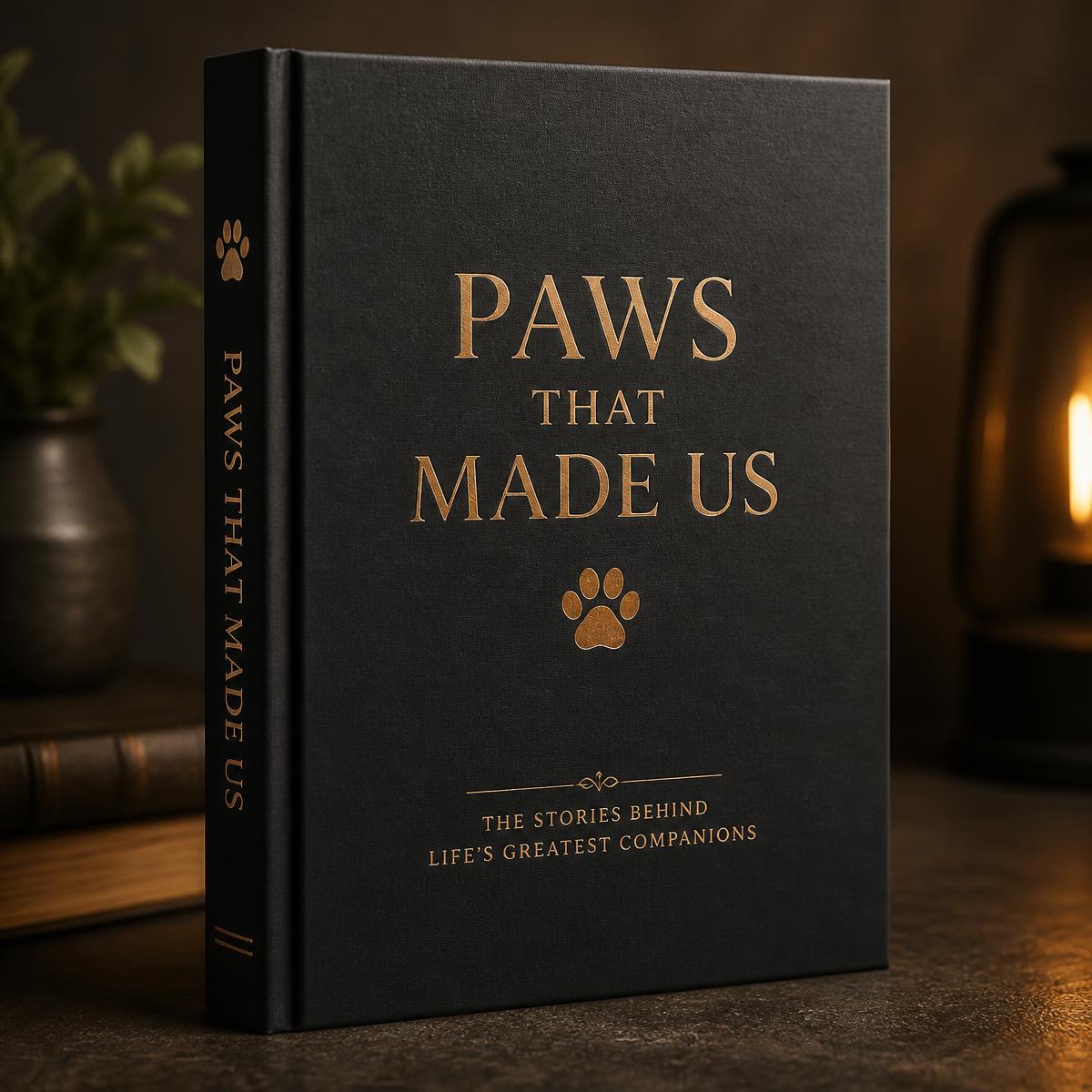
The book
Pawpoint: The Complete Dog Breed Book
Every officially recognised breed plus the unofficial ones nobody else documents. 400+ pages, hardback, printed and shipped from the UK.
Own stock — shipped by us
Framed poster
Russian Toy Framed Poster
Museum-weight print of our Russian Toy illustration, framed or unframed.
Printed to order
Hoodie
Russian Toy Hoodie
Heavyweight hoodie carrying the Russian Toy illustration on the chest.
Printed to order
Mug
Russian Toy Mug
Ceramic mug with the Russian Toy illustration wrapped around it.
Printed to order
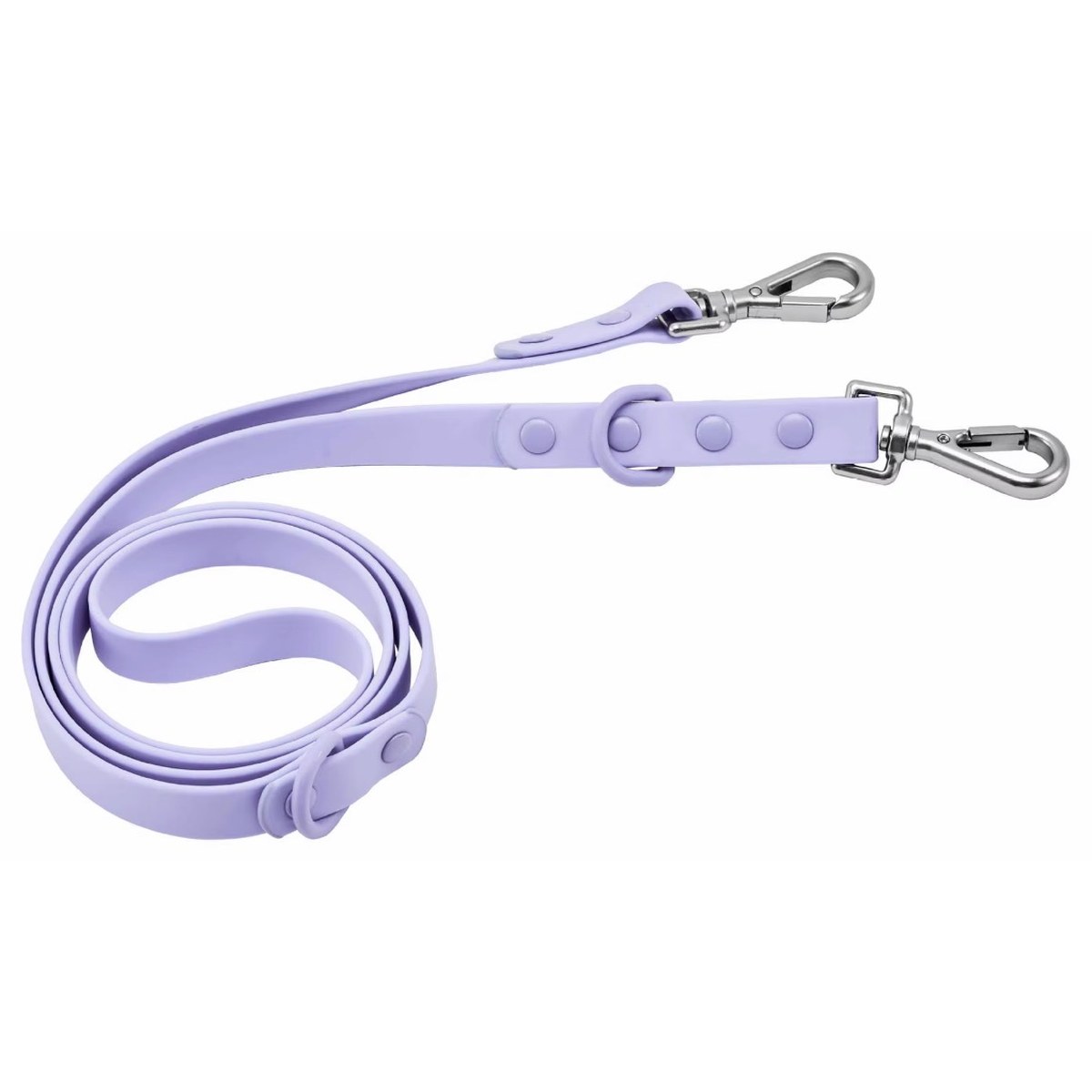
Accessory
Standard Lead
Padded-handle 1.2m lead in Pawpoint tan.
Fits any dog
Pawpoint on YouTube
Watch the full Russian Toy video
Breed deep-dives, history and honest ownership talk. New film every week.
Watch now