
Sealyham Terrier
SEE-lee-ham
Wales· Pembrokeshire
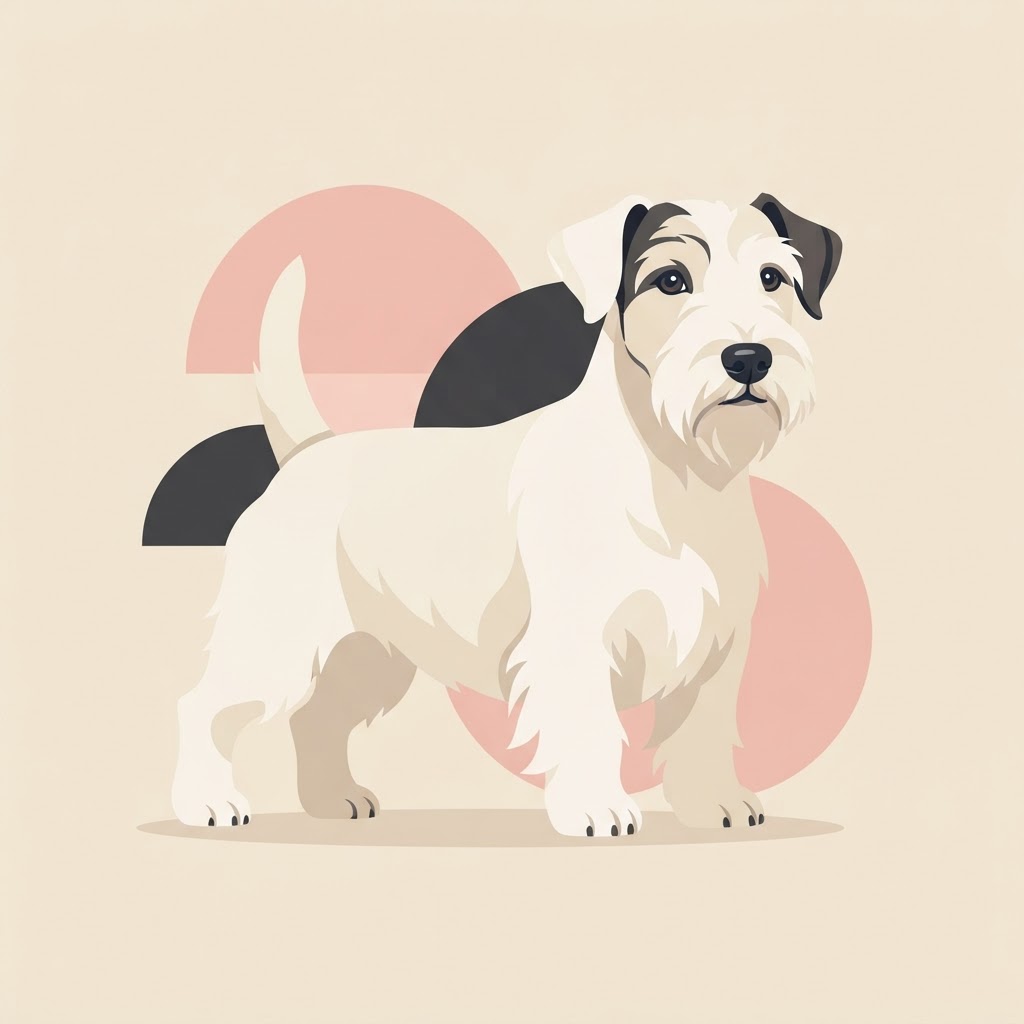
The Sealyham Terrier is a rare Welsh breed with a white wiry coat, short legs and a rectangular head, developed in Pembrokeshire to work in packs against badgers, otters and foxes on rough coastal ground.
At a glance
Quick facts
Size
Small
Exercise needs
45 minutes daily
Home size suited to
Flat or small home
Grooming frequency
Weekly brush, hand-strip a few times a year
Coat length
Wiry
Sheds
Yes, heavily when moulting
Lifespan
12–14 years
Town or country
Either, with enough exercise
Garden size needed
Small garden or none
Where it comes from
Origins of the Sealyham Terrier
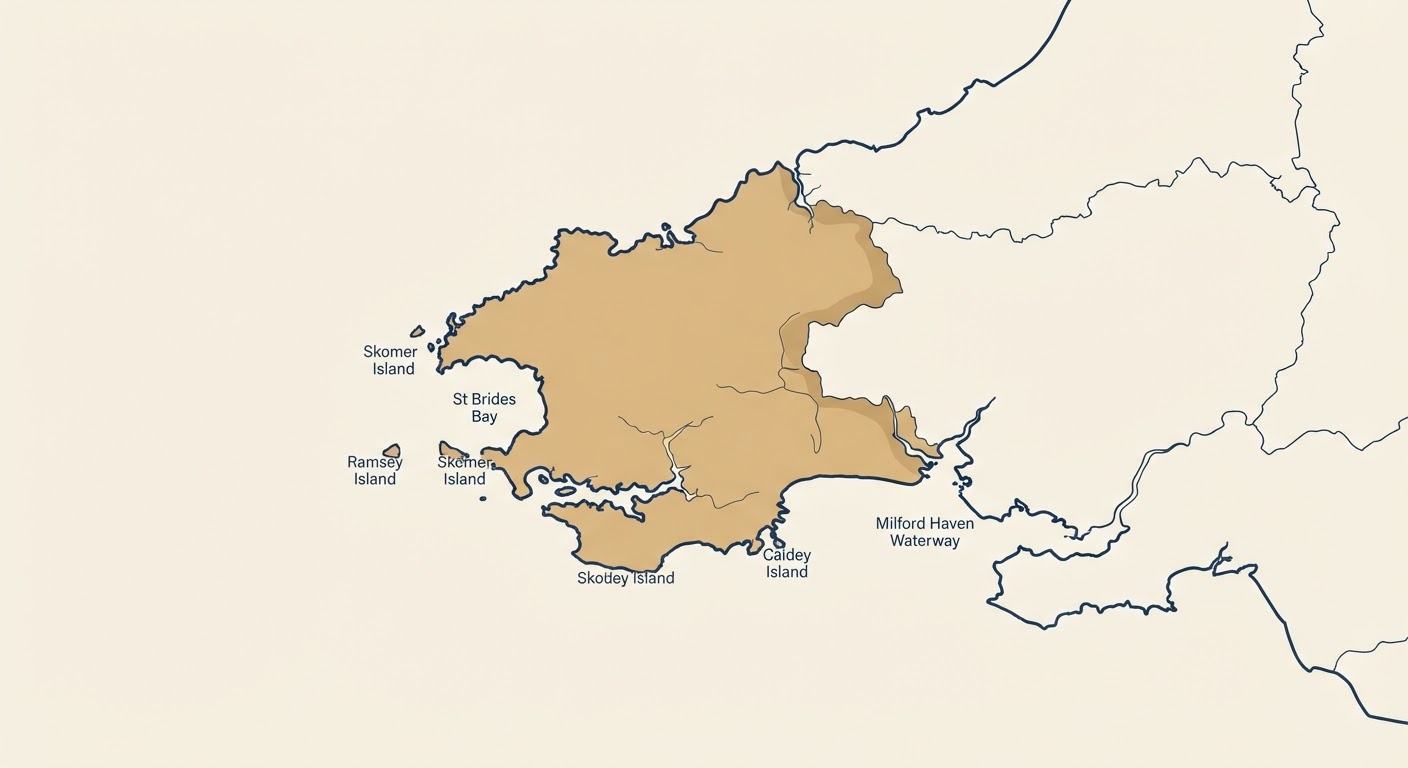
Developed at Sealyham House in Pembrokeshire by Captain John Edwardes, the breed was bred and tested on real quarry across the rough, wet farmland and river banks of west Wales.
- Region
- Pembrokeshire
- Climate it was bred for
- Cool, wet, coastal Welsh weather
- Original job
- Going to ground after badgers, otters and foxes in packs
Living with one
Temperament & needs
Our own ratings, based on the breed standard and how these dogs behave in ordinary homes.
Friendliness
3/5
How openly the Sealyham Terrier greets people it does not know.
Trainability
3/5
Intelligent and capable, though it retains a terrier's independent streak.
Energy
3/5
Enjoys a decent walk and a dig but is content to settle indoors afterwards.
Barking
3/5
Will alert to visitors but is not constantly noisy.
Grooming
4/5
Wiry white coat needs regular stripping and cleaning to stay presentable.
Suits a first-time owner
3/5
How forgiving the Sealyham Terrier is for someone taking on their first dog.
Sociability
3/5
Affectionate with its family, can be reserved with unfamiliar people and dogs.
Independence
3/5
Bred to work at a distance from handlers, so still fairly self-reliant.
Illustrated breed standard
The points of the breed
Hover or tap a numbered point to read what the standard asks for.
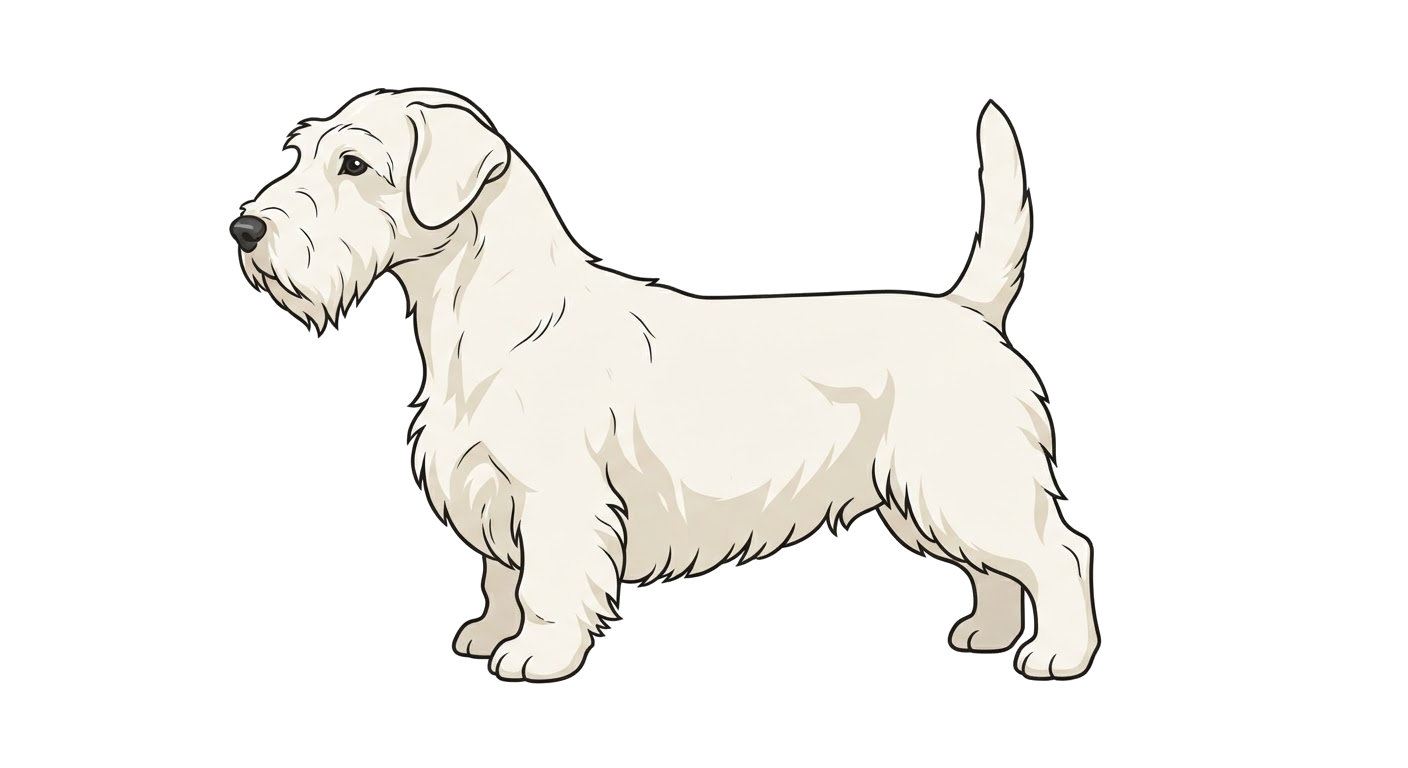
Point 1
Skull
The Sealyham Terrier's skull is judged on balance rather than size — proportionate to the body, with a clean cheek and a stop typical of the breed. Coarseness or an over-refined head are both faulted.
Colours & patterns
Recognised coats
Which coats the standard accepts — and which are simply popular.
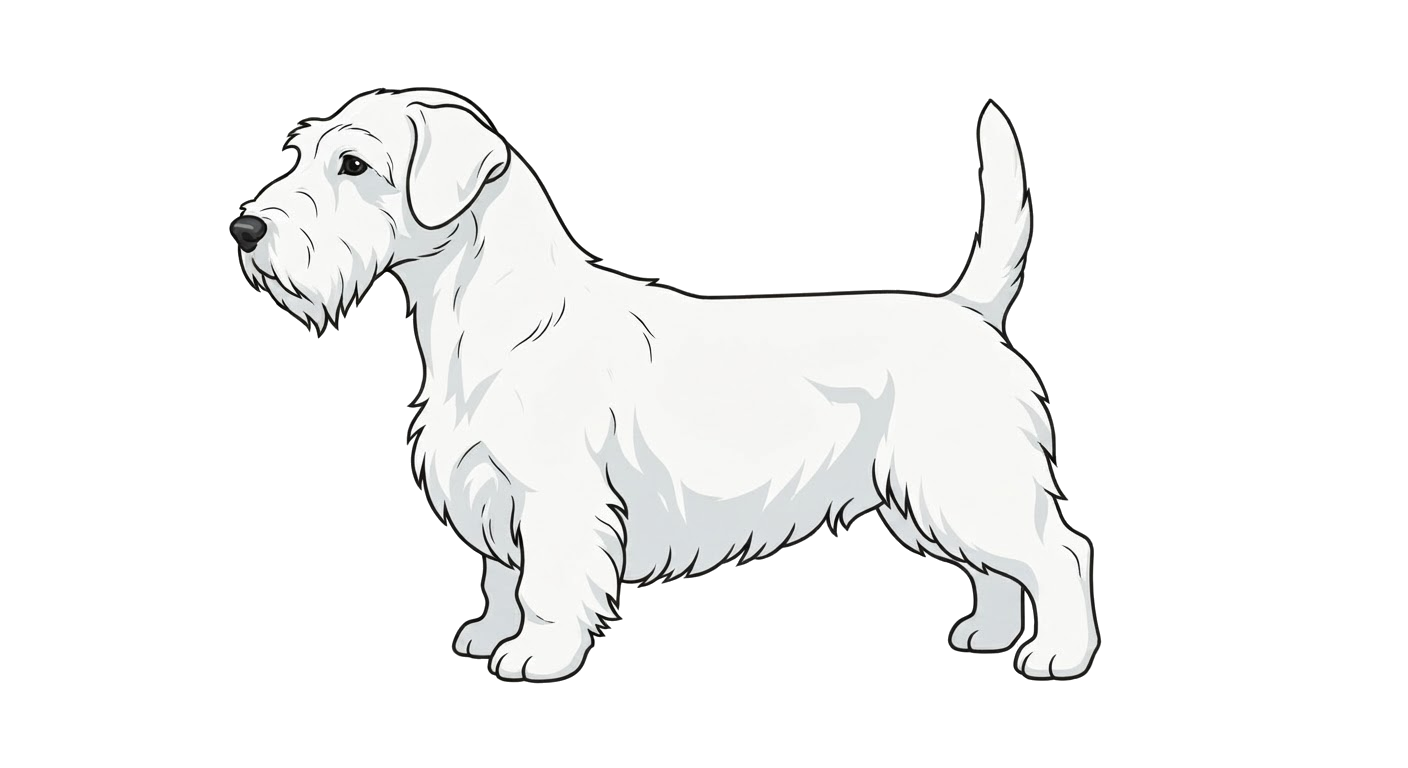
White
Standard colour
The breed's signature colour, sometimes with markings on the head and ears.
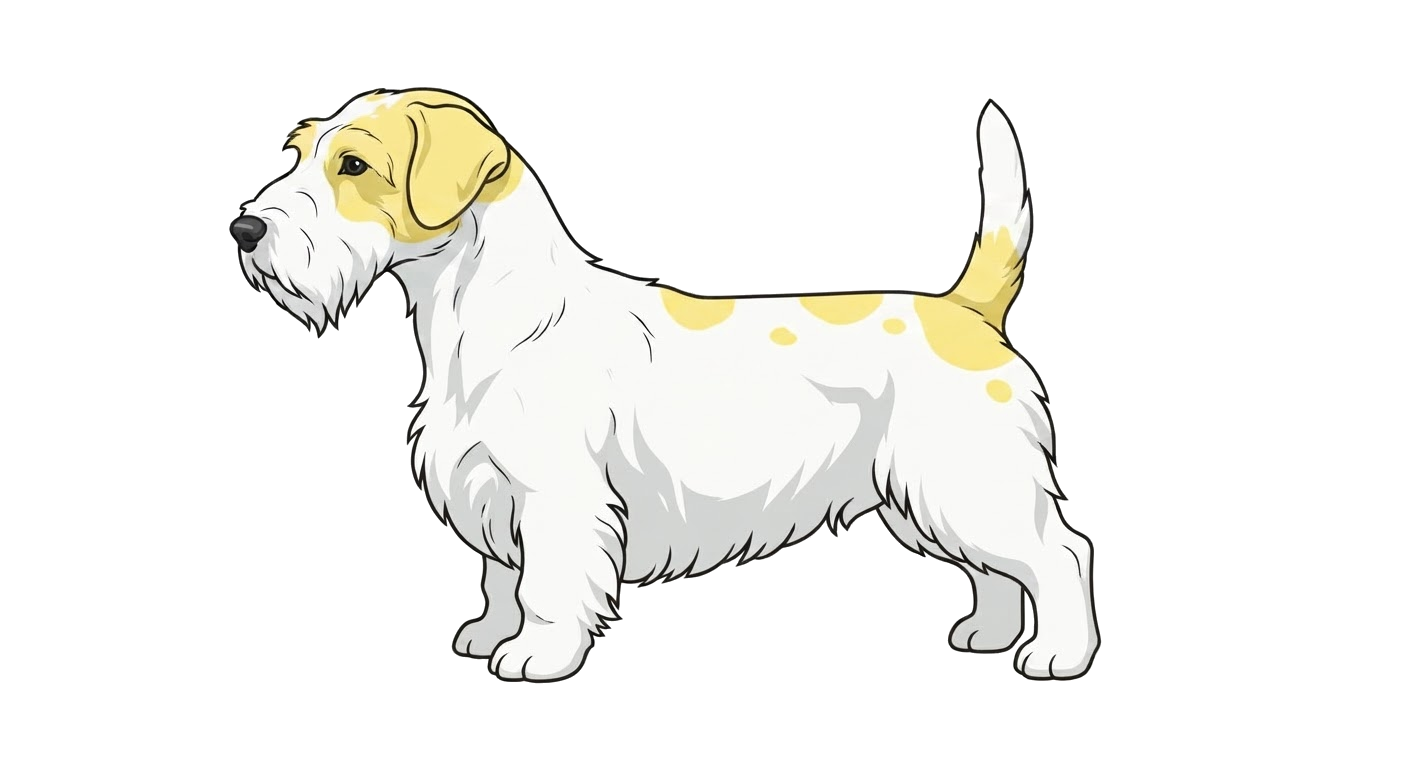
White with Lemon Markings
Standard colour
White with pale lemon patches on the ears or head.
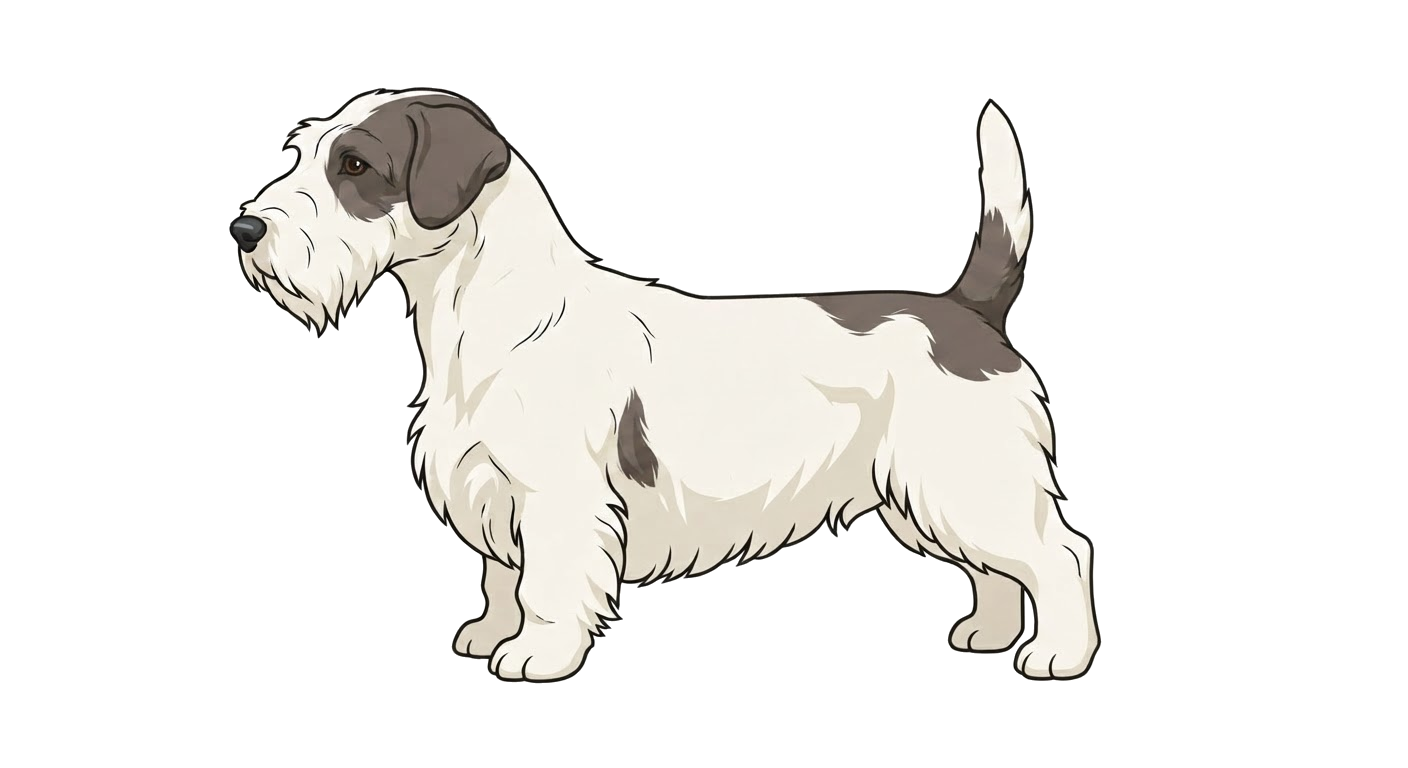
White with Badger Pittings
Standard colour
White with grey-brown flecking, an accepted traditional marking.
Timeline
History & development
1850s
Captain Edwardes' vision
John Tucker Edwardes began developing the breed at his Sealyham estate in Pembrokeshire, aiming for a fearless, low-set working terrier.
1908
First breed club
The Sealyham Terrier Club was founded to standardise and promote the breed.
1911
Kennel Club recognition
The breed gained official recognition in Britain.
1920s-30s
Hollywood popularity
The breed became fashionable among British and American celebrities, including Alfred Hitchcock and Elizabeth Taylor's family.
1950s onward
The breed today
Kennel club registrations settled into a steady pattern and the Sealyham Terrier moved from a working specialist to a family companion, with breed clubs in the UK and abroad now focused on health testing and keeping true type alive.
Reference
Breed standard summary
- body
- Strong, well-boned, moderate length.
- coat
- Long, hard, wiry topcoat over a weather-resistant undercoat.
- ears
- Folded level with the top of the head.
- eyes
- Dark, deep-set, oval.
- gait
- Free and level, driving from the rear.
- head
- Long and broad with a powerful jaw.
- size
- Around 31cm at the shoulder.
- tail
- Customarily carried erect.
- colour
- White, White with Lemon Markings, White with Badger Pittings. Colours outside this list are seen but are not accepted by the kennel clubs.
- temperament
- Typical of the breed: strongest in grooming, energy, trainability. Nervousness or aggression are serious faults in the show ring and in the home.
- general appearance
- Freely moving, strongly built terrier of a rectangular outline.
Health
What to screen for
Green means little to worry about, amber means ask the breeder for test results, red means manage it actively.
Primary lens luxation
Watch closely
A DNA test is available; ask breeders to confirm parents are clear or tested.
Retinal dysplasia
Screen for it
Request eye certification from a specialist ophthalmologist.
Deafness
Watch closely
Occurs more often in predominantly white-coated breeds; ask about hearing tests in puppies.
Skin issues
Low concern
Regular grooming and drying after wet walks helps prevent irritation under the dense coat.
General information only — always speak to your vet about your own dog.
From real owners
Dogs like this
Sealyham Terriers added by PawPoint members through their pet passports. Share yours to appear here.
Loading the wall…
Made for the Sealyham Terrier
The book, plus prints, hoodies and mugs using our own Sealyham Terrier illustration — and one everyday accessory that suits any dog.

The book
Pawpoint: The Complete Dog Breed Book
Every officially recognised breed plus the unofficial ones nobody else documents. 400+ pages, hardback, printed and shipped from the UK.
Own stock — shipped by us
Framed poster
Sealyham Terrier Framed Poster
Museum-weight print of our Sealyham Terrier illustration, framed or unframed.
Printed to order
Hoodie
Sealyham Terrier Hoodie
Heavyweight hoodie carrying the Sealyham Terrier illustration on the chest.
Printed to order
Mug
Sealyham Terrier Mug
Ceramic mug with the Sealyham Terrier illustration wrapped around it.
Printed to order
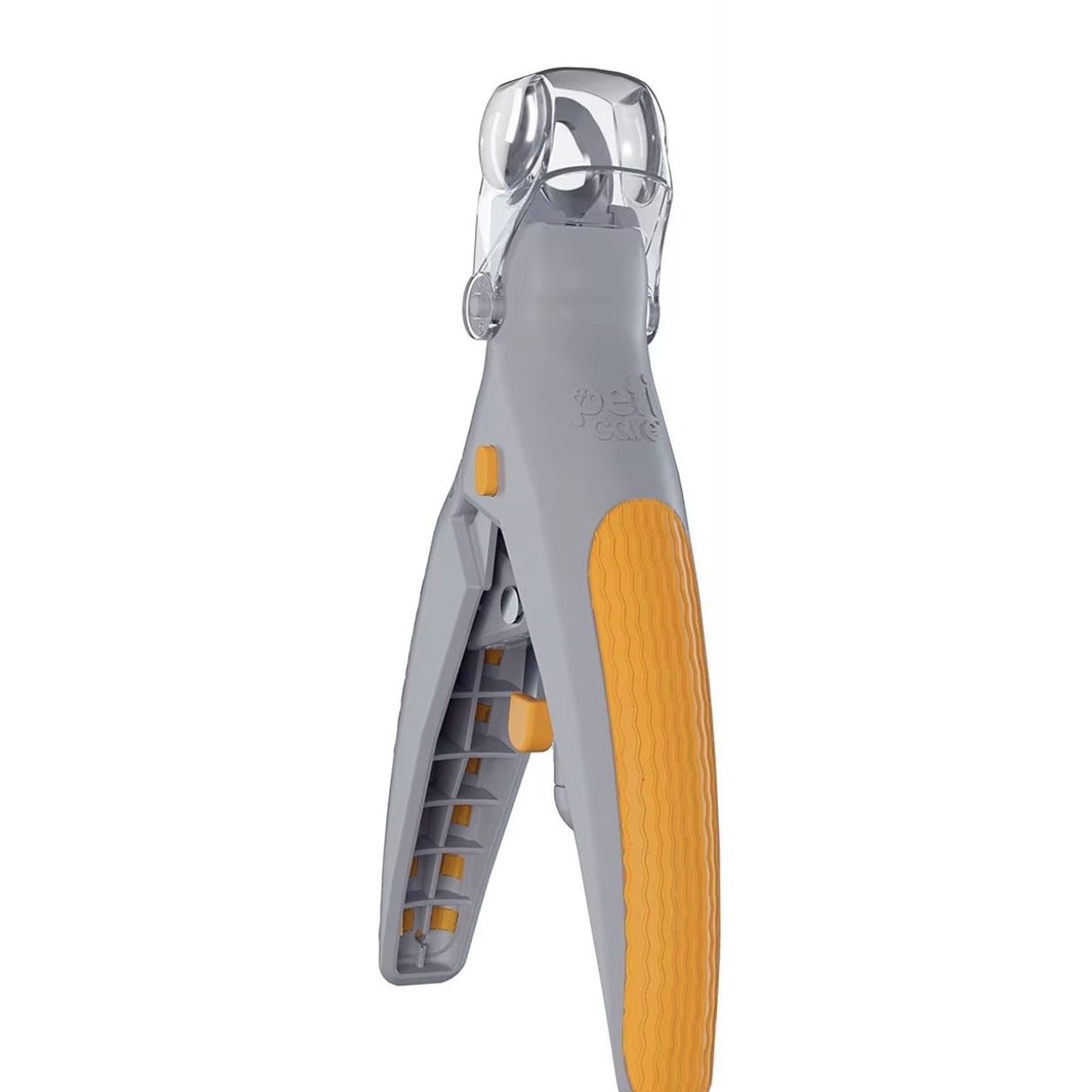
Accessory
Nail Clippers & Grinder
Safety-guard clippers with a quiet rotary grinder.
Fits any dog

Pawpoint on YouTube
Watch the full Sealyham Terrier video
Breed deep-dives, history and honest ownership talk. New film every week.
Watch now