
Shetland Sheepdog
SHET-luhnd SHEEP-dog
Scotland· Shetland Islands
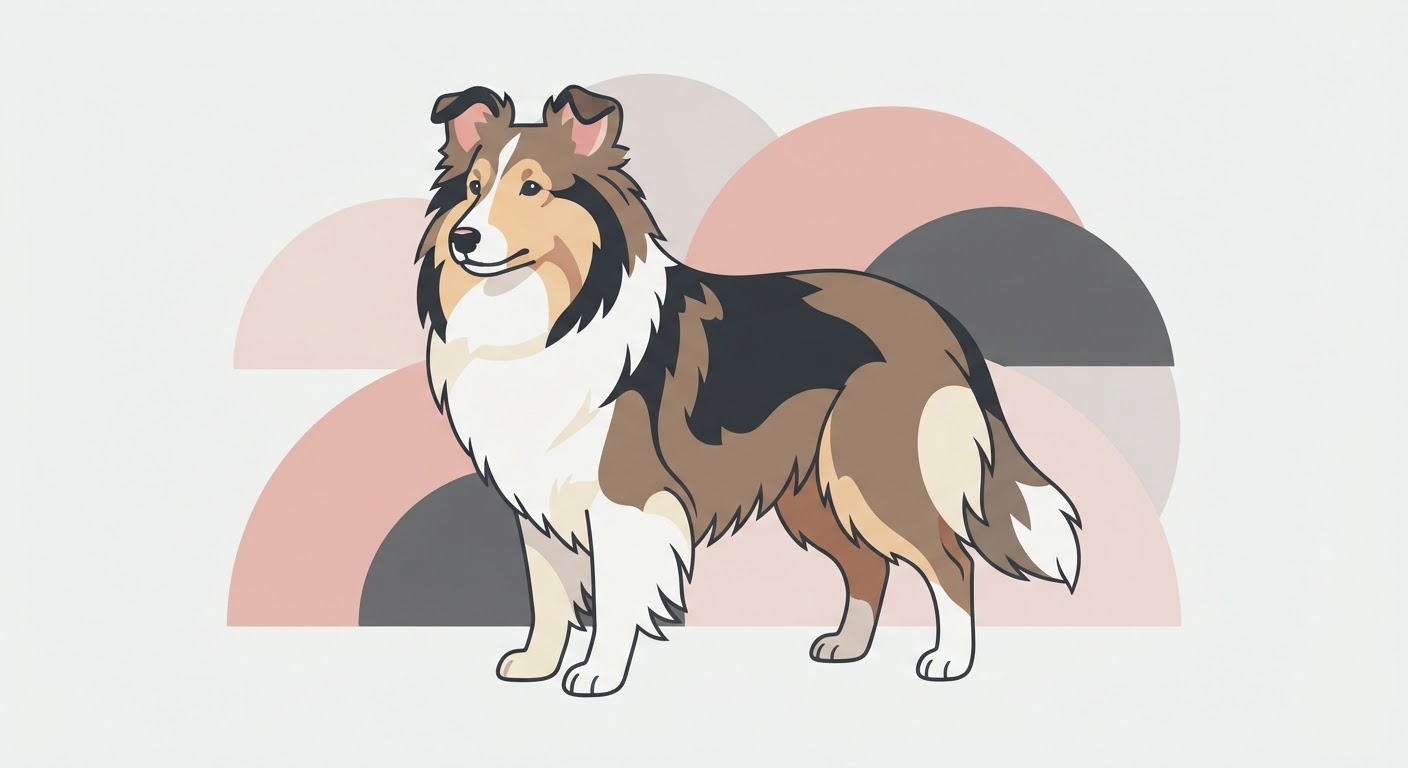
The Shetland Sheepdog, often called the Sheltie, is a small collie-type herding breed from the Shetland Islands, bred down in size to suit the sparse grazing of its island home while keeping the intelligence and agility of its larger collie relatives.
At a glance
Quick facts
Size
Small
Exercise needs
60 minutes daily
Home size suited to
Small to medium home
Grooming frequency
Weekly brush, hand-strip a few times a year
Coat length
Wiry
Sheds
Yes, heavily when moulting
Lifespan
12–14 years
Town or country
Happiest in the country
Garden size needed
Small to medium
Where it comes from
Origins of the Shetland Sheepdog
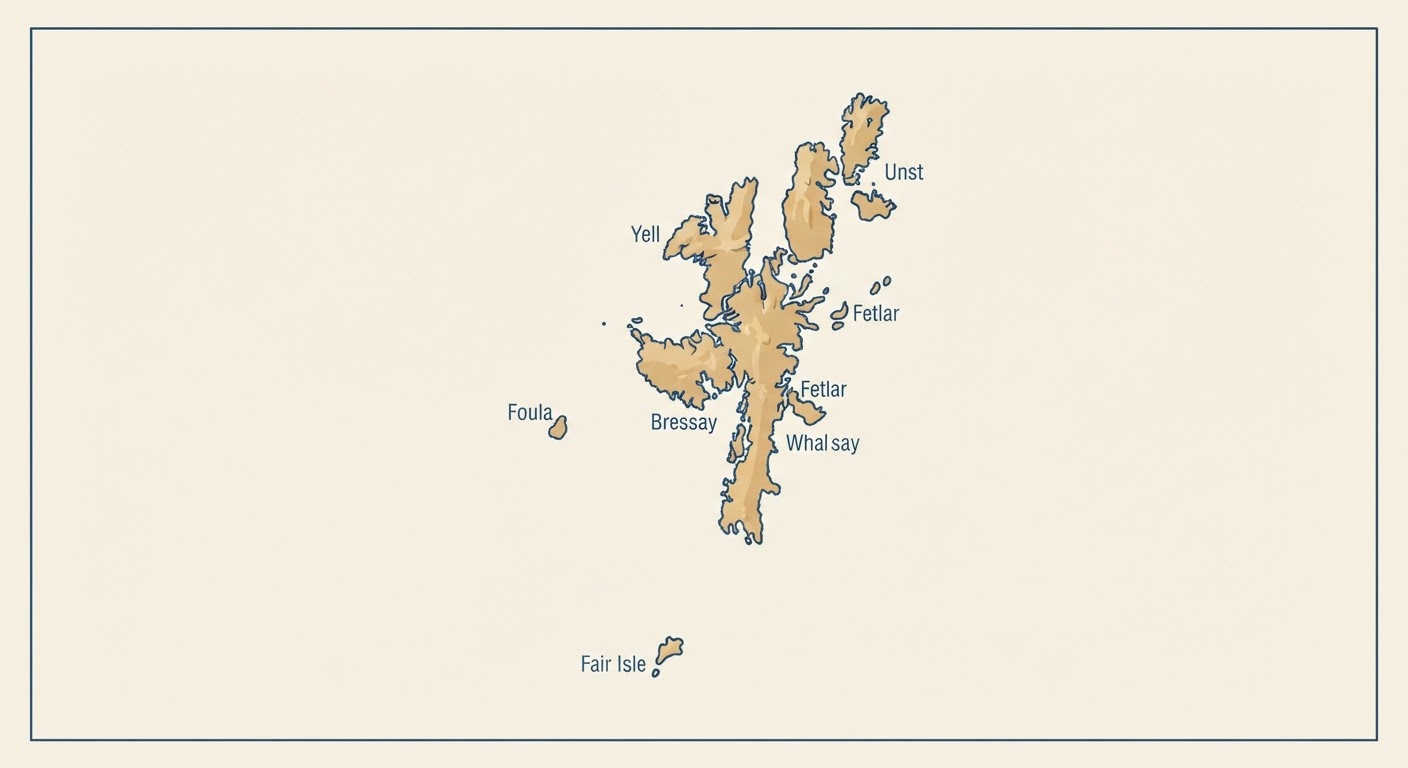
Shaped by the harsh, resource-poor Shetland Islands, the Sheltie was bred smaller than mainland collies to suit the islands' modest sheep and limited grazing while still herding effectively.
- Region
- Shetland Islands
- Climate it was bred for
- Cold, windswept, remote island climate
- Original job
- Herding sheep and poultry, guarding crofts
Living with one
Temperament & needs
Our own ratings, based on the breed standard and how these dogs behave in ordinary homes.
Friendliness
3/5
How openly the Shetland Sheepdog greets people it does not know.
Trainability
5/5
Highly intelligent and eager to please, excels in obedience and agility.
Energy
4/5
An active breed that thrives on daily exercise and mental work.
Barking
4/5
A notably vocal breed, prone to barking at movement and noise.
Grooming
4/5
Long double coat needs brushing several times a week to prevent matting.
Suits a first-time owner
4/5
How forgiving the Shetland Sheepdog is for someone taking on their first dog.
Sociability
3/5
Devoted to family, often reserved or shy with strangers if not well socialised.
Independence
2/5
Bonds closely with its owner and prefers to work alongside people.
Illustrated breed standard
The points of the breed
Hover or tap a numbered point to read what the standard asks for.
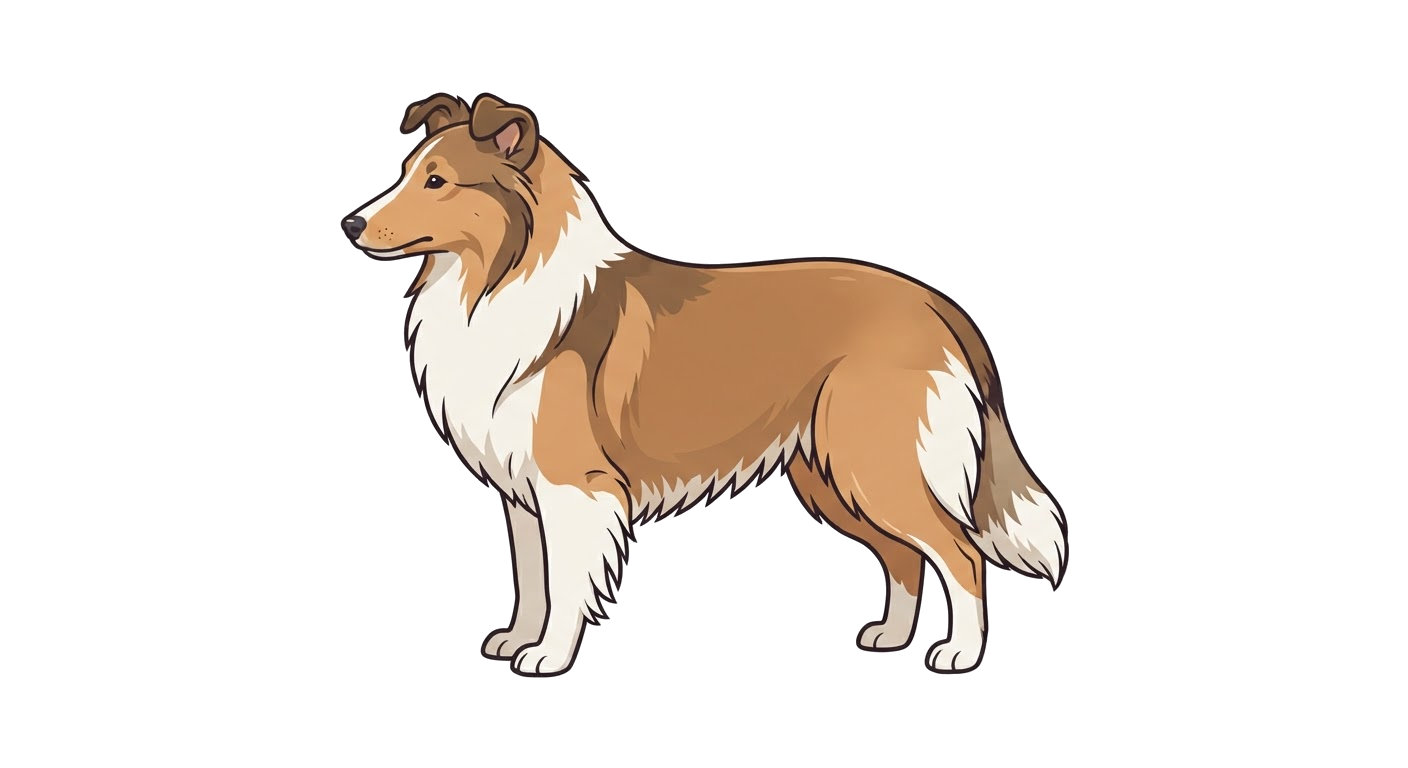
Point 1
Skull
The Shetland Sheepdog's skull is judged on balance rather than size — proportionate to the body, with a clean cheek and a stop typical of the breed. Coarseness or an over-refined head are both faulted.
Colours & patterns
Recognised coats
Which coats the standard accepts — and which are simply popular.
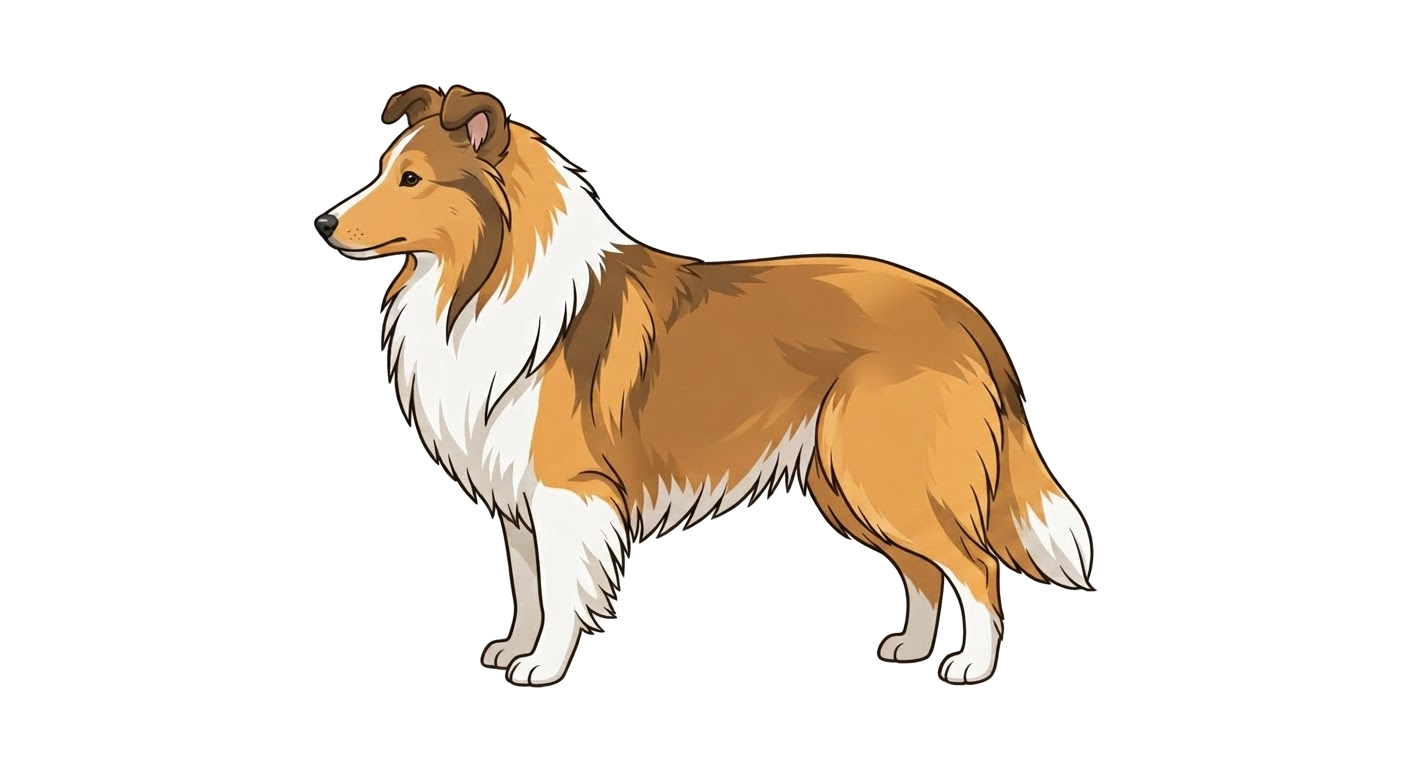
Sable
Standard colour
Ranges from pale gold to deep mahogany, the most common Sheltie colour.
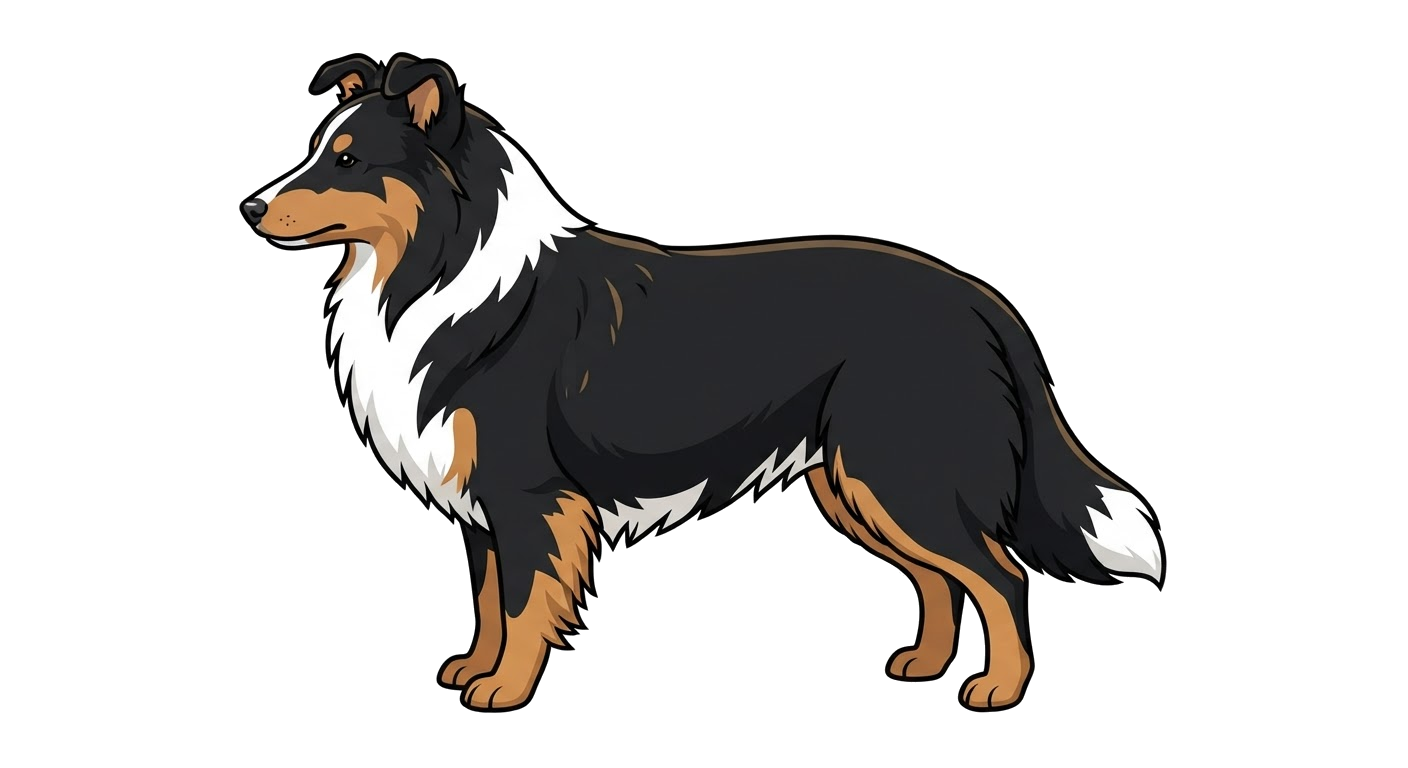
Tricolour
Standard colour
Black, white and tan, a striking and popular combination.
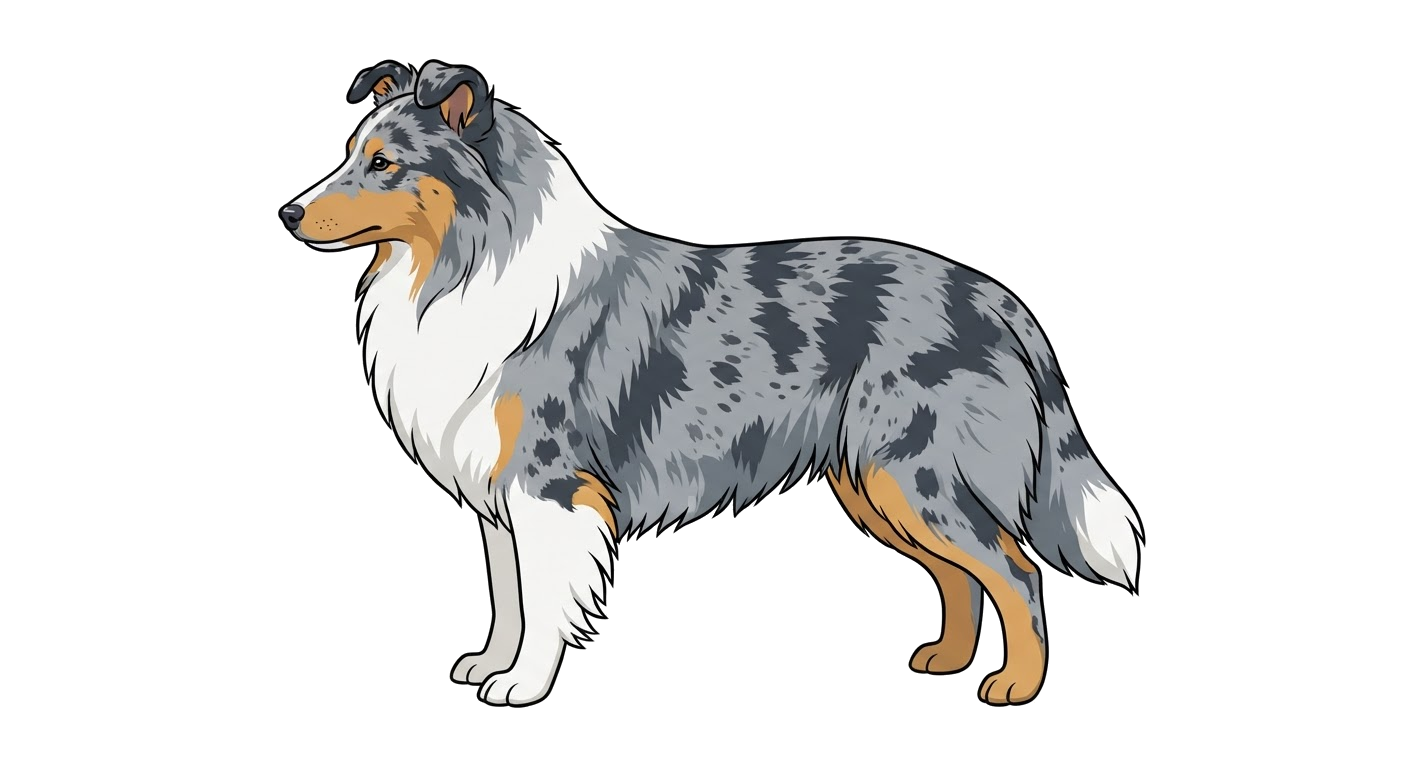
Blue Merle
Standard colour
A mottled blue-grey pattern with black patches, needs careful breeding to avoid health issues.
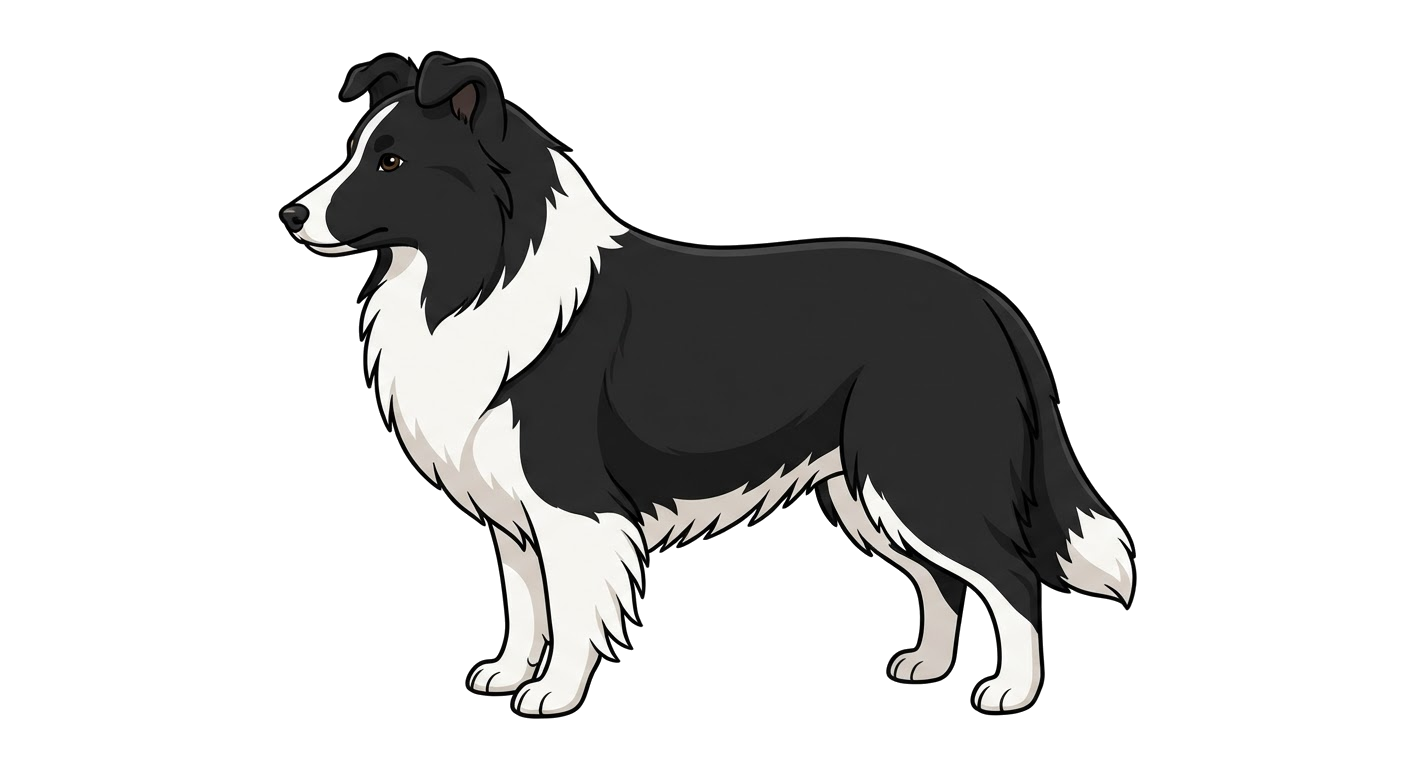
Bi-black
Standard colour
Black and white without tan points.
Timeline
History & development
1700s
Island crofts
Small collie-type dogs worked the crofts of the Shetland Islands, herding sheep and poultry on limited grazing land.
1908
Early breed club
The first Shetland Collie Club formed in Lerwick to promote the breed.
1909
Kennel Club recognition
The breed was recognised in Britain, initially as the Shetland Collie.
1914
Name changed to Sheepdog
The name was changed to Shetland Sheepdog after objections from Rough Collie breeders.
1950s onward
The breed today
Kennel club registrations settled into a steady pattern and the Shetland Sheepdog moved from a working specialist to a family companion, with breed clubs in the UK and abroad now focused on health testing and keeping true type alive.
Reference
Breed standard summary
- body
- Slightly longer than tall, level topline.
- coat
- Long, straight, harsh outer coat with a soft dense undercoat.
- ears
- Small, tipped forward, three-quarters erect.
- eyes
- Medium-sized, almond-shaped, dark.
- gait
- Smooth, effortless, ground-covering.
- head
- Long, wedge-shaped, tapering to the nose.
- size
- 33–40cm at the withers.
- tail
- Long, carried low with an upward swirl.
- colour
- Sable, Tricolour, Blue Merle, Bi-black. Colours outside this list are seen but are not accepted by the kennel clubs.
- temperament
- Typical of the breed: strongest in trainability, energy, barking. Nervousness or aggression are serious faults in the show ring and in the home.
- general appearance
- Small, long-haired, elegant collie in miniature, alert and intelligent.
Health
What to screen for
Green means little to worry about, amber means ask the breeder for test results, red means manage it actively.
Collie eye anomaly
Screen for it
Ask for DNA or eye test results confirming the parents are clear or tested normal.
Hip dysplasia
Screen for it
Request hip scores under the official scheme where available.
MDR1 drug sensitivity
Watch closely
Ask if the line has been DNA tested, as affected dogs react badly to certain medications.
Dermatomyositis
Screen for it
An inherited skin and muscle condition seen in some lines; ask breeders about its history.
General information only — always speak to your vet about your own dog.
From real owners
Dogs like this
Shetland Sheepdogs added by PawPoint members through their pet passports. Share yours to appear here.
Loading the wall…
Made for the Shetland Sheepdog
The book, plus prints, hoodies and mugs using our own Shetland Sheepdog illustration — and one everyday accessory that suits any dog.

The book
Pawpoint: The Complete Dog Breed Book
Every officially recognised breed plus the unofficial ones nobody else documents. 400+ pages, hardback, printed and shipped from the UK.
Own stock — shipped by us
Framed poster
Shetland Sheepdog Framed Poster
Museum-weight print of our Shetland Sheepdog illustration, framed or unframed.
Printed to order
Hoodie
Shetland Sheepdog Hoodie
Heavyweight hoodie carrying the Shetland Sheepdog illustration on the chest.
Printed to order
Mug
Shetland Sheepdog Mug
Ceramic mug with the Shetland Sheepdog illustration wrapped around it.
Printed to order
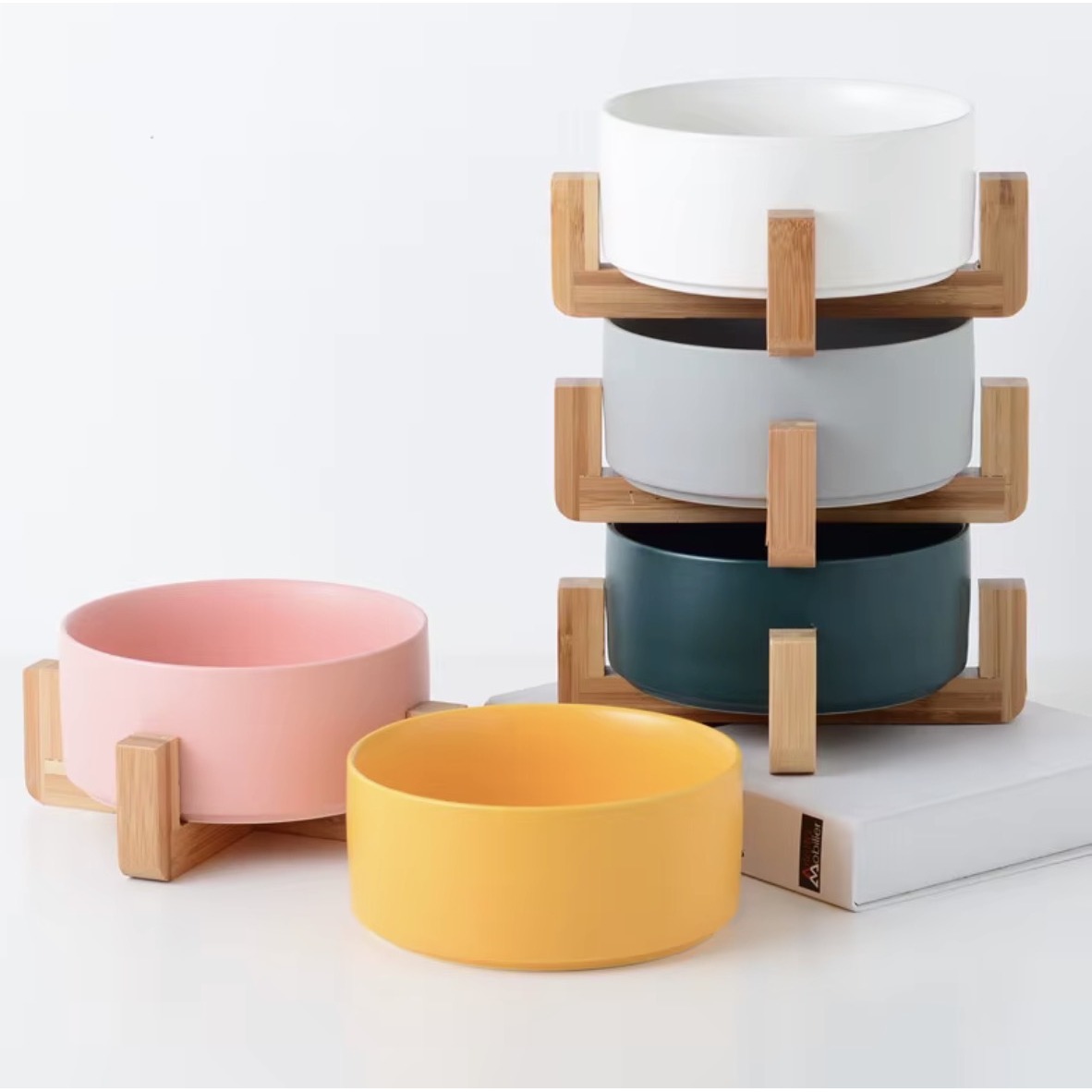
Accessory
Stainless Dog Bowl
Weighted, non-slip base. Dishwasher safe.
Fits any dog
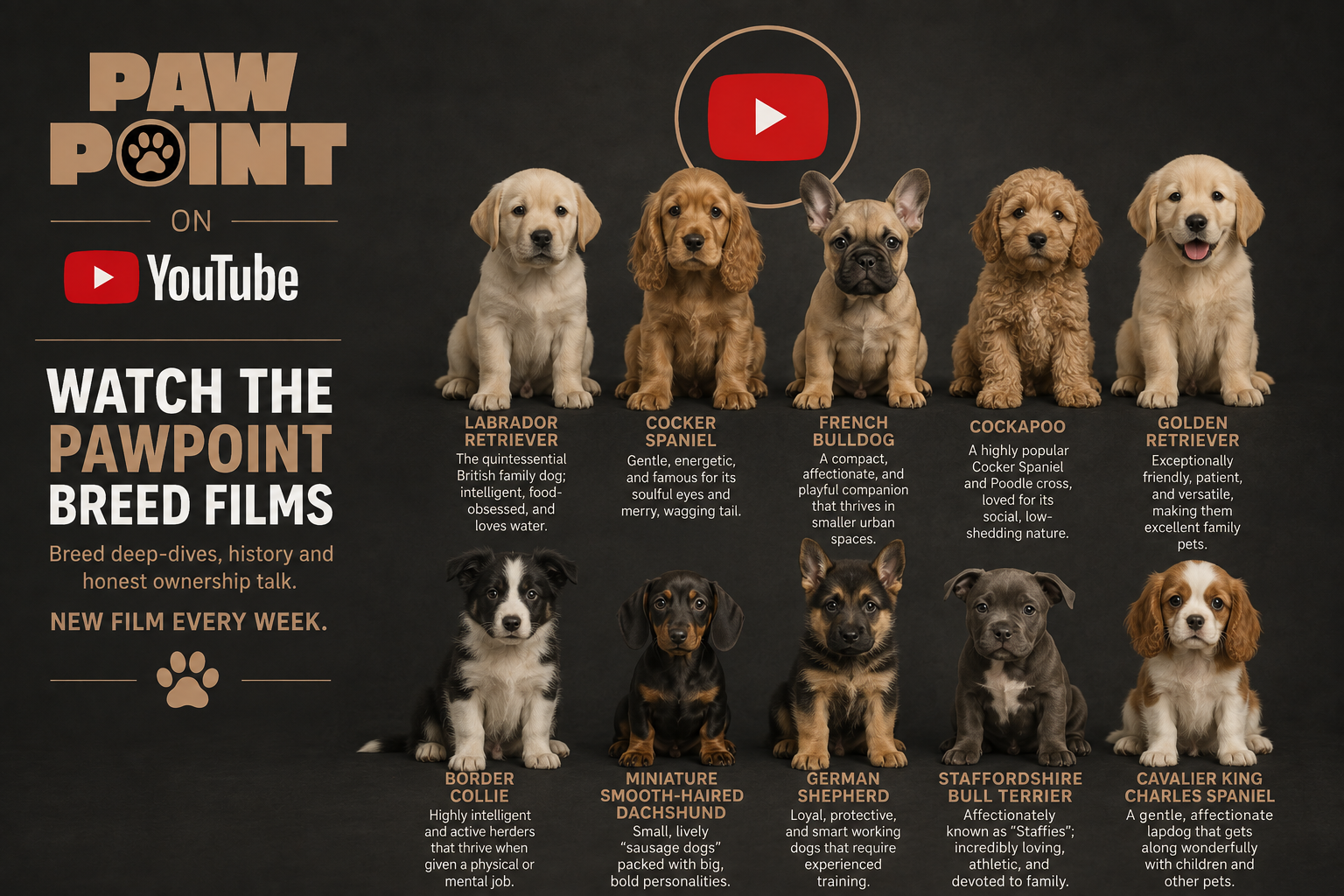
Pawpoint on YouTube
Watch the full Shetland Sheepdog video
Breed deep-dives, history and honest ownership talk. New film every week.
Watch now