
Sindhi Dog
SIN-dhee Dog
India· Sindh region (Western India / Southern Pakistan)
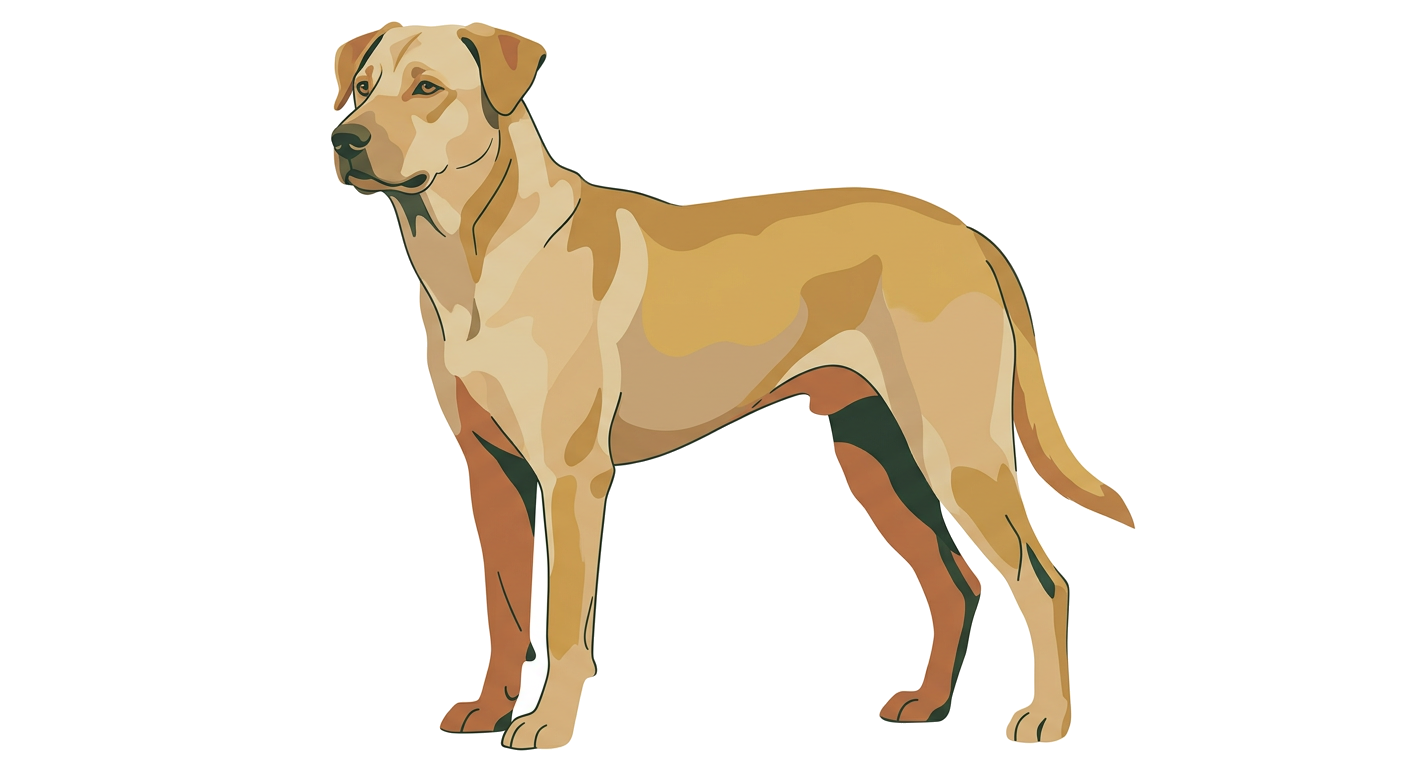
The Sindhi Dog is an indigenous landrace native to the historic Sindh region, which straddles parts of present-day southern Pakistan and the border tracts of western India, such as Gujarat and Rajasthan. Primarily developed by pastoralist communities, these dogs were valued as general-purpose working animals, tasked with guarding livestock against predators, protecting encampments, and occasionally assisting in pest control and hunting.
At a glance
Quick facts
Size
Medium to large
Exercise needs
Moderate to high
Home size suited to
Spacious home with secure grounds
Grooming frequency
Low
Coat length
Short
Sheds
Moderate
Lifespan
10–13 years
Town or country
Country or rural fringe
Garden size needed
Large, securely fenced garden or rural smallholding
Where it comes from
Origins of the Sindhi Dog
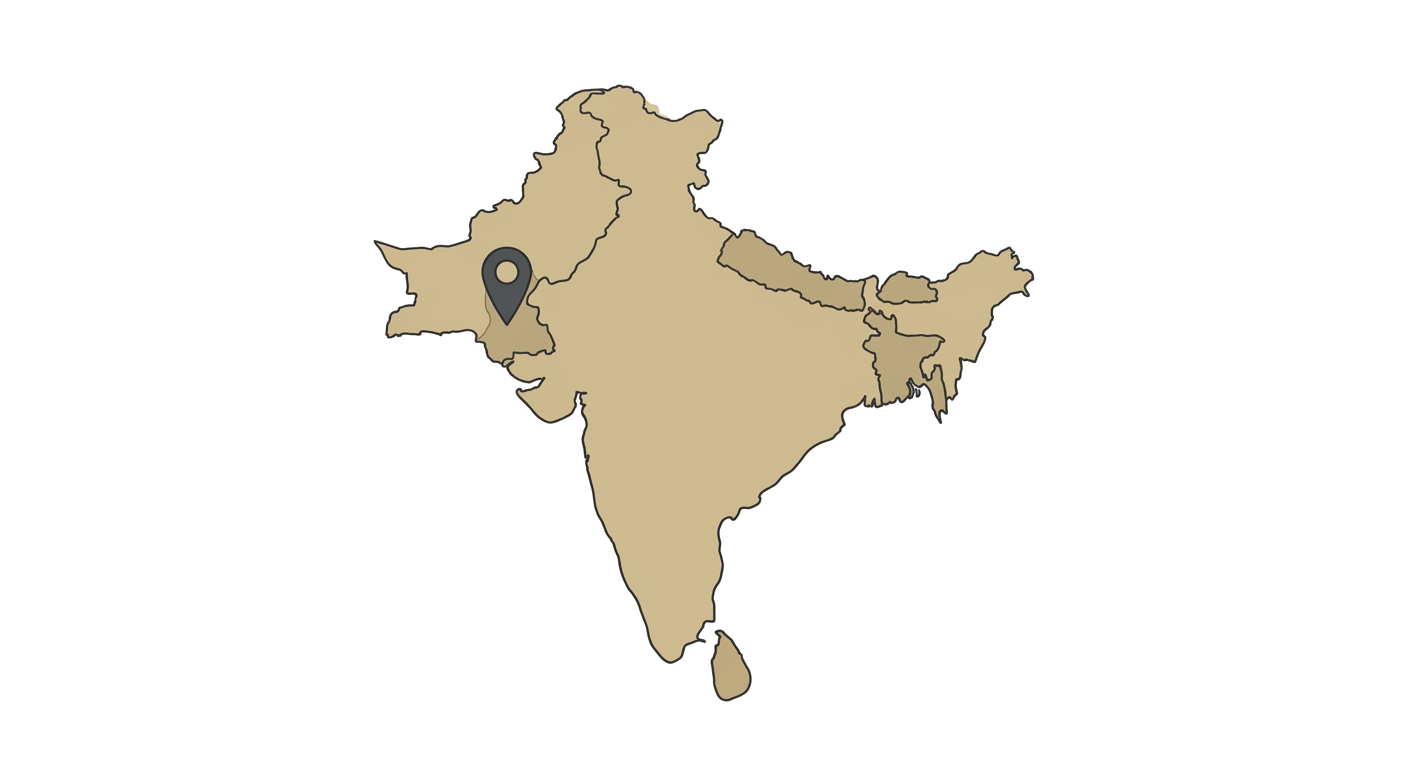
Indigenous to the arid plains and borderlands of the historic Sindh region.
- Region
- Sindh region (Western India / Southern Pakistan)
- Climate it was bred for
- Arid to semi-arid subtropical
- Original job
- Livestock guardian and pastoral camp watch dog
The long read
About the breed
Because the breed has developed largely through functional working selection rather than closed studbook breeding, formal documentation regarding its exact lineage is sparse. The dog typically presents as a hardy, medium-to-large animal capable of withstanding the arid and semi-arid conditions of the Thar Desert and surrounding river plains. Physical uniformity can vary across localities, reflecting its landrace status.
In contemporary times, the Sindhi Dog remains largely unregistered with major international kennel clubs, though it retains cultural significance among local pastoral groups. Like many indigenous South Asian breeds, its numbers are thought to have declined due to cross-breeding with imported types and the gradual mechanisation of rural pastoral life.
Illustrated breed standard
The points of the breed
Hover or tap a numbered point to read what the standard asks for.
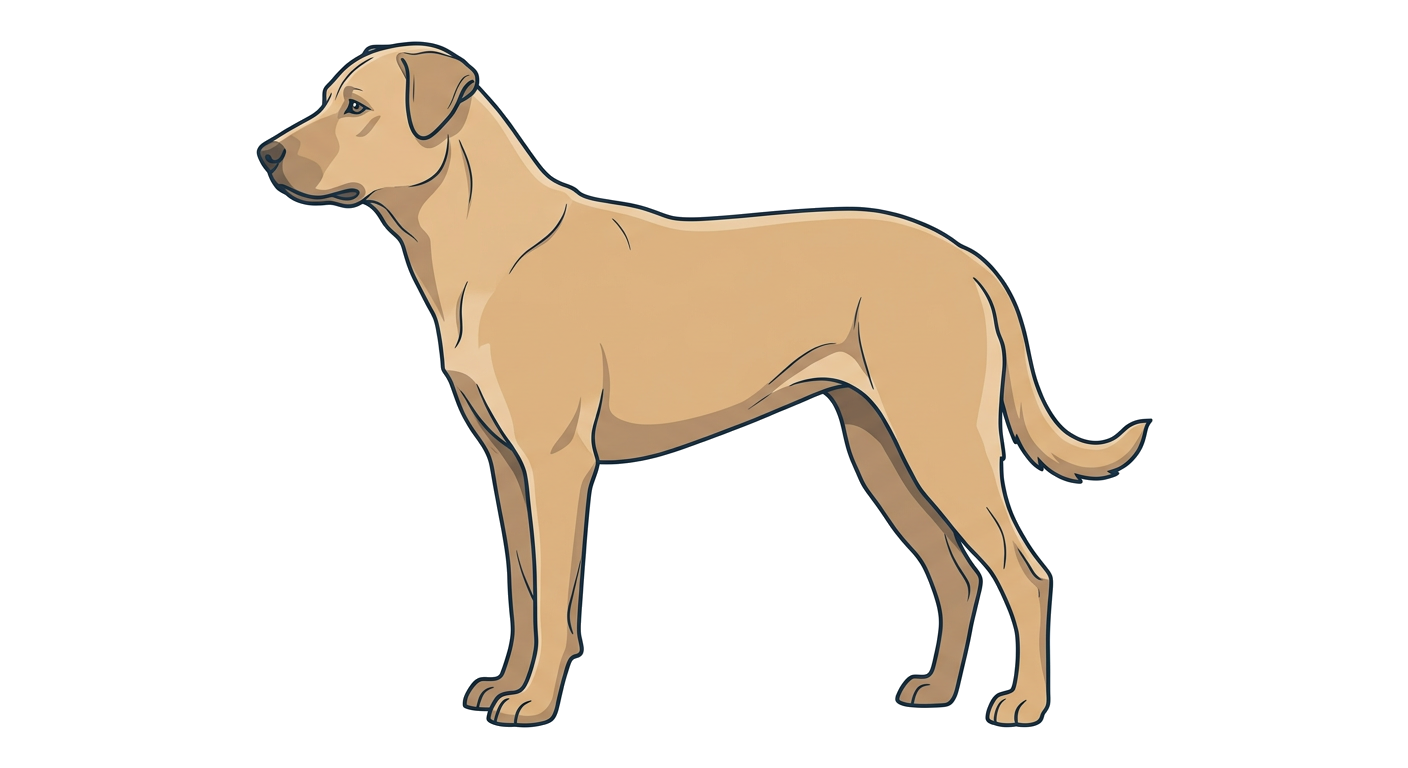
Point 1
Skull
The Sindhi Dog's skull is judged on balance rather than size — proportionate to the body, with a clean cheek and a stop typical of the breed. Coarseness or an over-refined head are both faulted.
Colours & patterns
Recognised coats
Which coats the standard accepts — and which are simply popular.
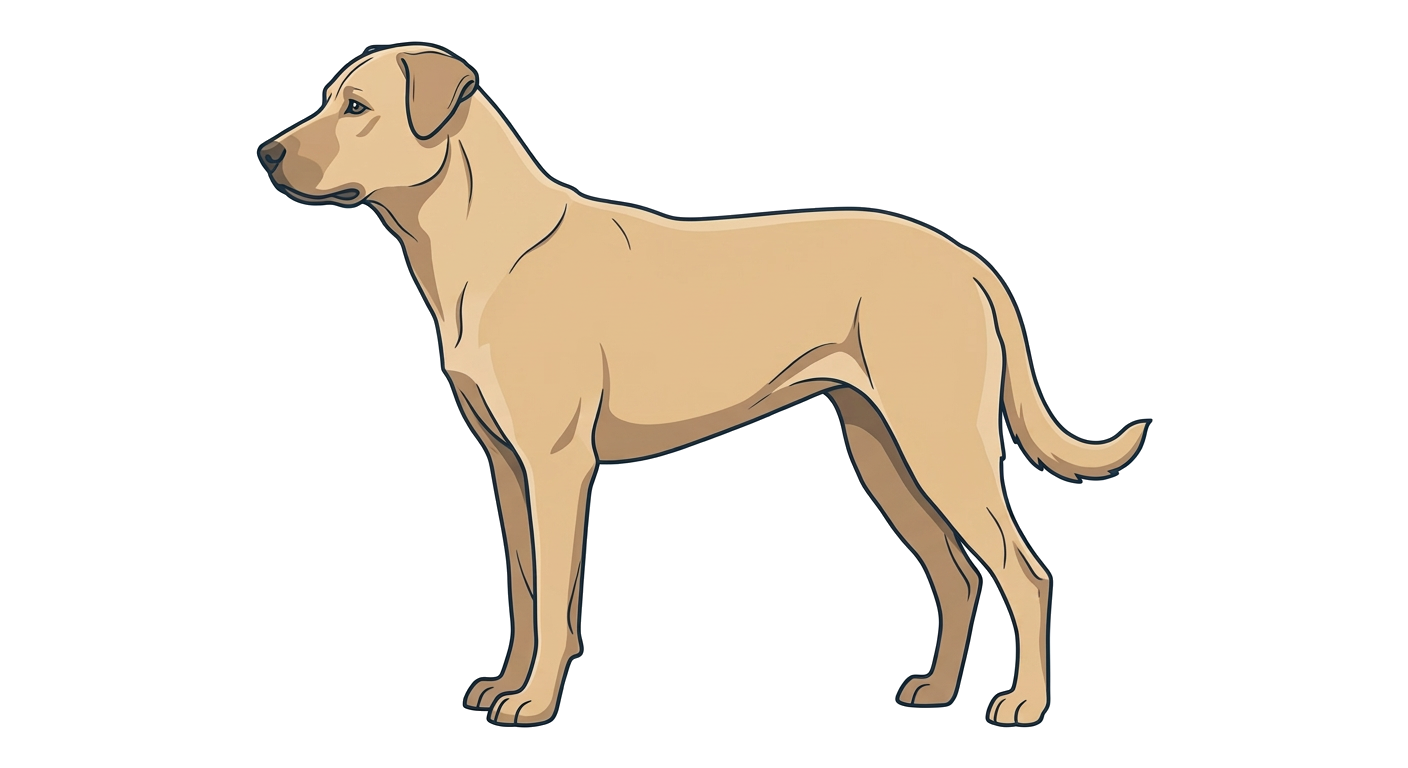
Fawn / Desert Sand
Standard colour
A common shade providing natural camouflage in semi-desert landscapes.
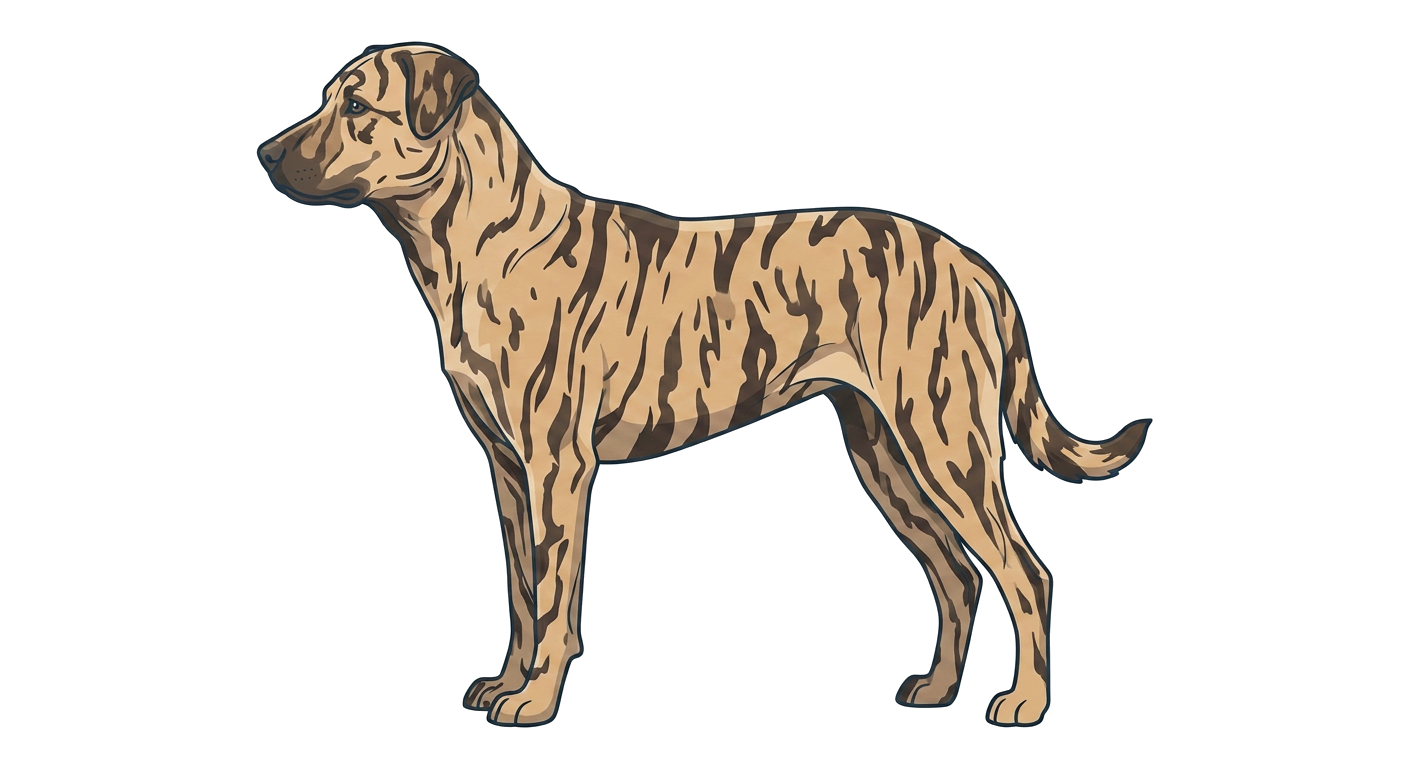
Brindle
Standard colour
Dark striping over a lighter base, frequently observed in working pastoral dogs.
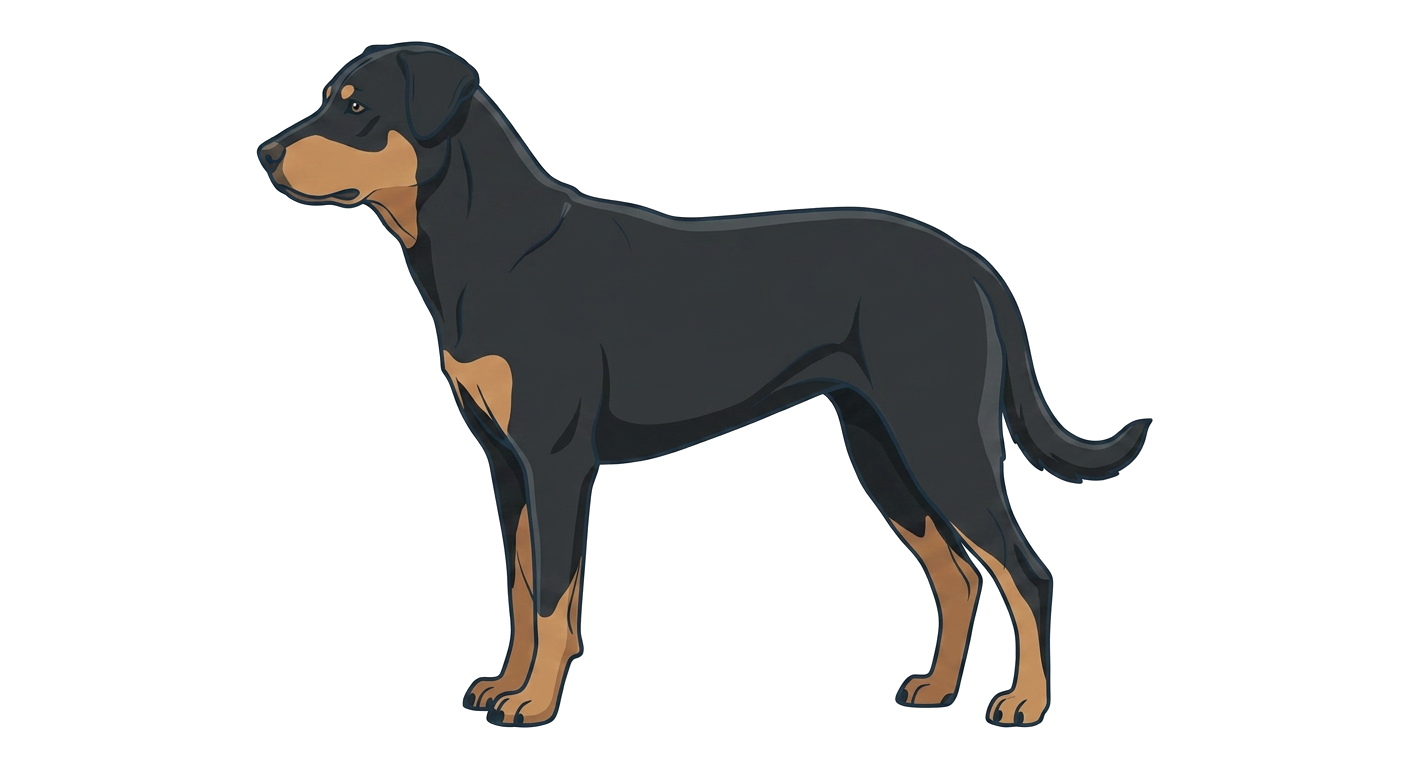
Black and Tan
Standard colour
Solid black coat with tan markings on the muzzle, chest, and legs.
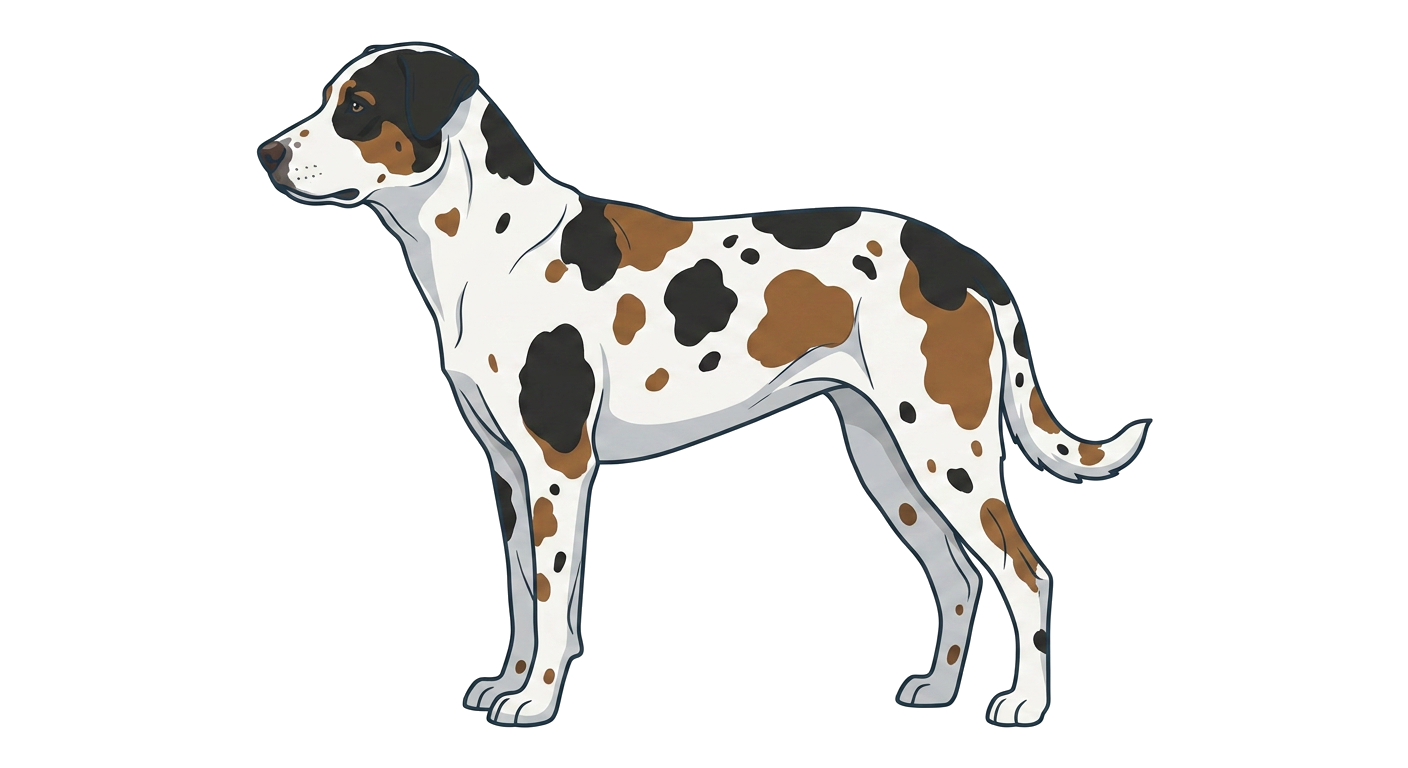
Pied / White-Patched
Standard colour
White base with patches of black, brown, or fawn.
Timeline
History & development
Traditional era
Pastoral Selection
Selected primarily by nomadic herders and rural villagers in Sindh for resilience, territorial defence, and the ability to endure extreme heat.
19th–20th Century
Colonial Observations
Noted occasionally in British Indian regional gazetteers as sturdy camp and village dogs, though rarely distinguished systematically from other native Indian pariah and pastoral types.
Present
Conservation Concerns
Maintained primarily in rural pockets without centralised breed registries, raising concerns among native breed enthusiasts regarding genetic dilution and population decline.
Reference
Breed standard summary
- body
- Well-balanced with a deep chest, moderately tucked-up loin, and a strong, straight back capable of sustained movement over rough terrain.
- coat
- Short to medium-short, harsh and weather-resistant, with a light undercoat that adapts seasonally to desert temperature shifts.
- ears
- Medium in size, set moderately high, carried either semi-erect, folded, or naturally dropped depending on local regional strain.
- eyes
- Almond-shaped, medium in size, ranging from hazel to dark brown, displaying a watchful and confident expression.
- gait
- Tireless, ground-covering, and economical trot, demonstrating functional efficiency across sandy and uneven terrain.
- head
- Wedge-shaped and proportionate to the body, with a moderately broad skull tapering slightly towards the muzzle; stop is gentle to moderate.
- size
- Typically stands between 55 and 68 cm at the withers, with males generally noticeably larger and broader than females.
- tail
- Moderately long, set low to medium, carried in a slight upward curve or sickle carriage when alert, tapering towards the tip.
- colour
- Commonly seen in fawn, sand, brindle, black, or pied variations, often featuring white markings on the chest and feet.
- muzzle
- Strong and of moderate length, tapering slightly towards a dark, well-pigmented nose.
- temperament
- Aloof with strangers, highly protective of home territory and livestock, yet calm, independent, and steady in familiar surroundings.
- general appearance
- A medium-to-large, athletic, and robust working dog built for stamina in arid conditions, exhibiting clean lines, functional musculature, and an alert posture.
Health
What to screen for
Green means little to worry about, amber means ask the breeder for test results, red means manage it actively.
Tick-Borne Diseases
Screen for it
Common in its native semi-arid environment; regular prophylaxis is advised against pathogens like Ehrlichia.
Musculoskeletal Wear
Watch closely
Working dogs active on hard terrain may develop osteoarthritis or joint strain in older age.
General Hardiness
Watch closely
Lacks documented inherited breed-specific disorders, though formal veterinary screening data remains sparse.
General information only — always speak to your vet about your own dog.
From real owners
Dogs like this
Sindhi Dogs added by PawPoint members through their pet passports. Share yours to appear here.
Loading the wall…
Made for the Sindhi Dog
The book, plus prints, hoodies and mugs using our own Sindhi Dog illustration — and one everyday accessory that suits any dog.

The book
Pawpoint: The Complete Dog Breed Book
Every officially recognised breed plus the unofficial ones nobody else documents. 400+ pages, hardback, printed and shipped from the UK.
Own stock — shipped by us
Framed poster
Sindhi Dog Framed Poster
Museum-weight print of our Sindhi Dog illustration, framed or unframed.
Printed to order
Hoodie
Sindhi Dog Hoodie
Heavyweight hoodie carrying the Sindhi Dog illustration on the chest.
Printed to order
Mug
Sindhi Dog Mug
Ceramic mug with the Sindhi Dog illustration wrapped around it.
Printed to order
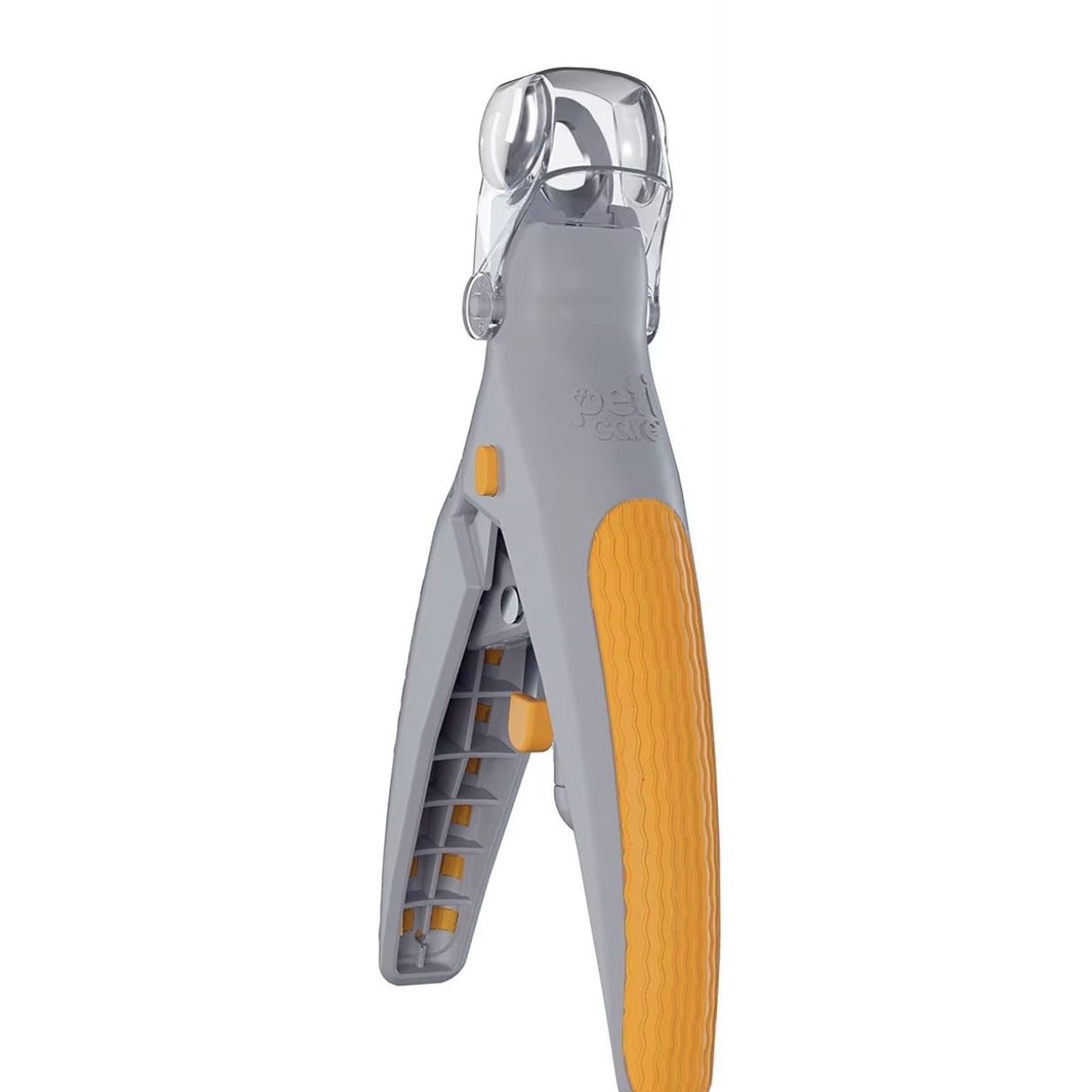
Accessory
Nail Clippers & Grinder
Safety-guard clippers with a quiet rotary grinder.
Fits any dog
Pawpoint on YouTube
Watch the full Sindhi Dog video
Breed deep-dives, history and honest ownership talk. New film every week.
Watch now