
Skye Terrier
SKY TER-ee-uhr
Scotland· Isle of Skye, Inner Hebrides
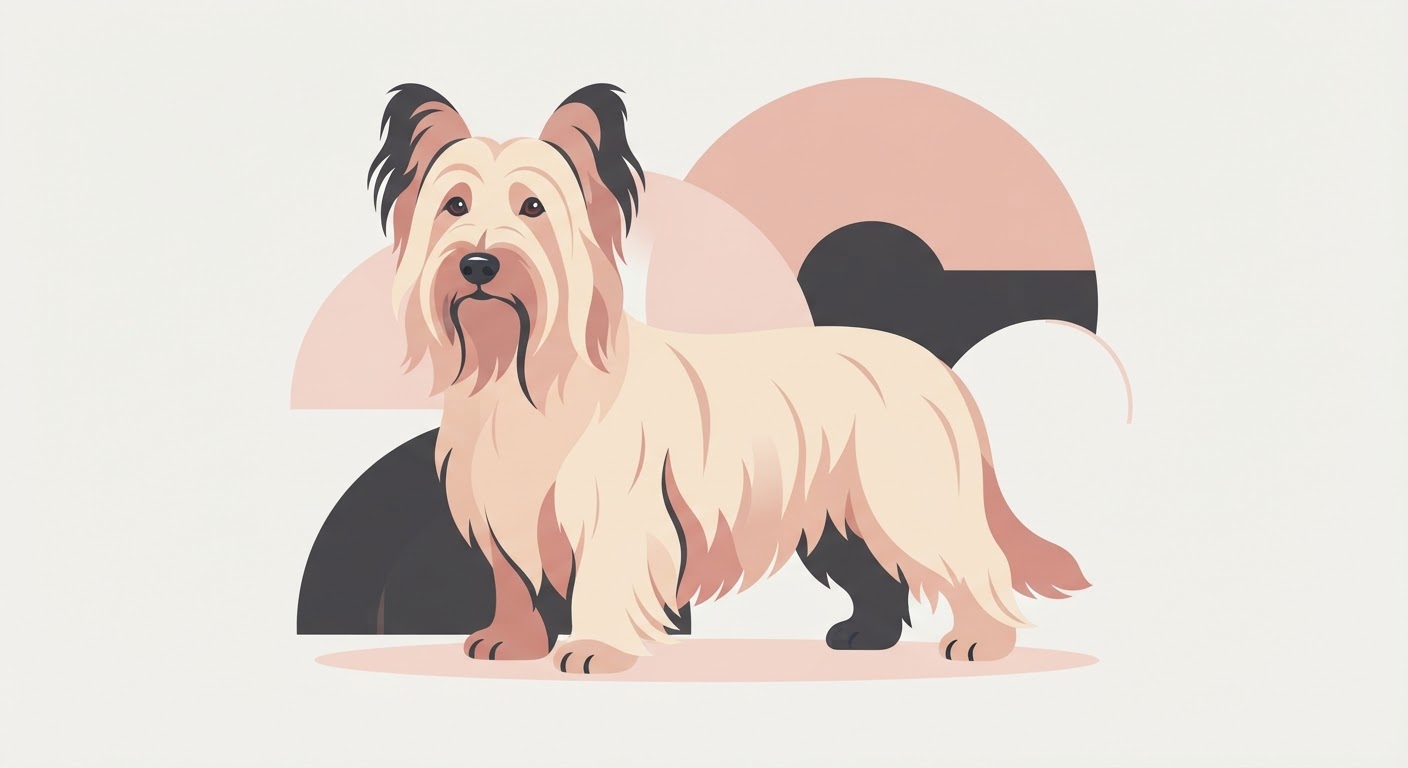
The Skye Terrier is a long, low, hard-coated terrier from Scotland's Isle of Skye, bred to go to ground after foxes, otters and badgers among the island's rocky cairns.
At a glance
Quick facts
Size
Small
Exercise needs
45-60 minutes daily
Home size suited to
Flat or any size home
Grooming frequency
Brush every other day, clip regularly
Coat length
Curly
Sheds
Very little
Lifespan
12-14 years
Town or country
Either, with enough exercise
Garden size needed
None needed
Where it comes from
Origins of the Skye Terrier
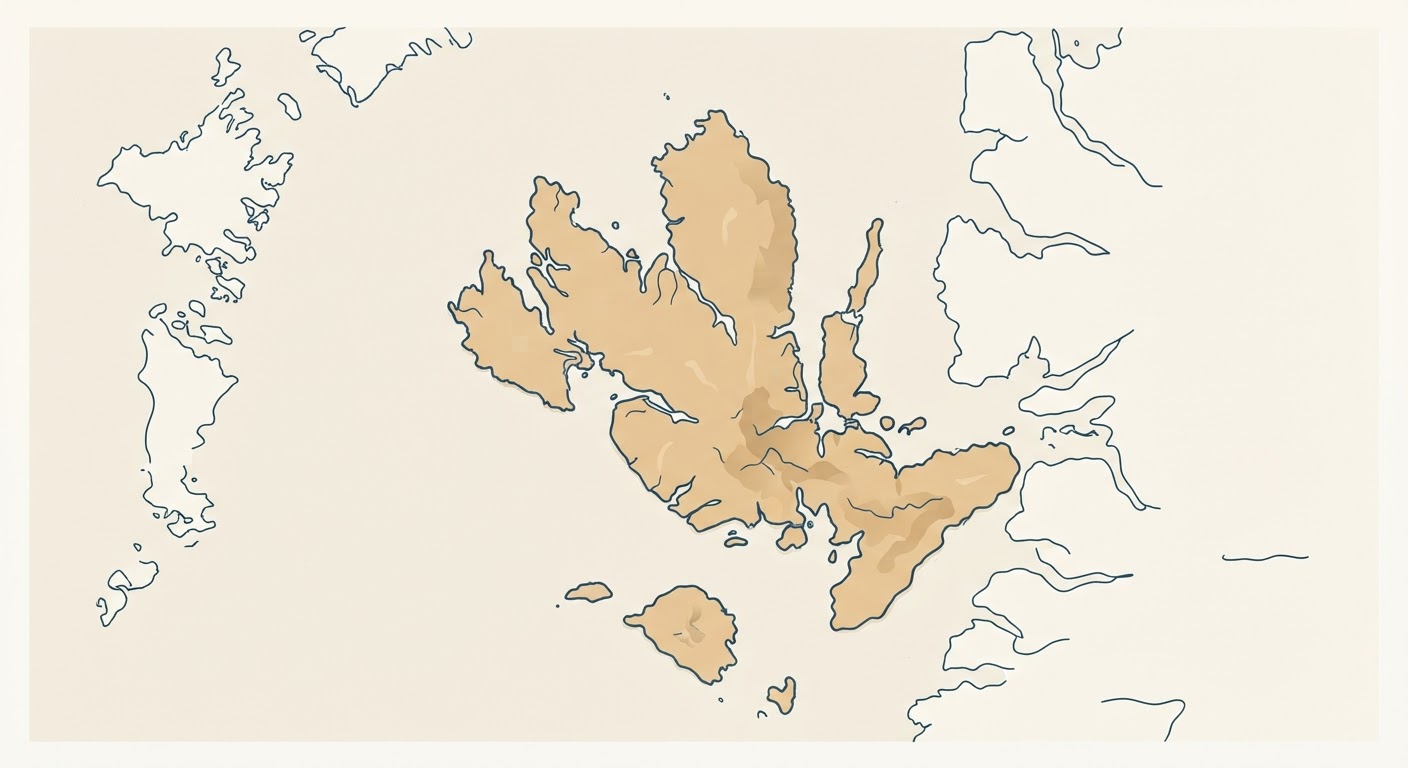
Named for the Isle of Skye in Scotland's Inner Hebrides, where crofters relied on a low, long-bodied terrier able to squeeze into rocky cairns to hunt fox, otter and badger.
- Region
- Isle of Skye, Inner Hebrides
- Climate it was bred for
- Wet, windswept, coastal Hebridean climate
- Original job
- Hunting fox, otter and badger among rocky cairns
The long read
About the breed
The breed takes its name from the Isle of Skye in the Inner Hebrides, where it developed over several centuries to work the loose rock cairns and dens of the island's coastline, hunting vermin and predators that threatened crofters' livestock. Its long body and short legs suited it to squeezing into narrow rock crevices that a leggier terrier could not manage. The breed gained wider fame in the Victorian era partly through Queen Victoria's fondness for the type, and partly through the story of Greyfriars Bobby, a Skye Terrier said to have guarded his owner's Edinburgh grave for fourteen years, a tale that made the breed a byword for loyalty across Britain.
As a companion, the Skye Terrier is dignified, watchful and deeply loyal to its own family, but reserved, sometimes to the point of aloofness, with strangers. It is not a breed that seeks approval from everyone it meets, and early socialisation matters if it is to cope calmly with visitors and busy environments. The long, straight double coat, which falls almost to the ground, needs regular brushing to prevent matting, and owners who want a low-maintenance dog should look elsewhere.
Living with one
Temperament & needs
Our own ratings, based on the breed standard and how these dogs behave in ordinary homes.
Friendliness
2/5
How openly the Skye Terrier greets people it does not know.
Trainability
3/5
Intelligent and capable, but independent and sometimes stubborn.
Energy
3/5
Enjoys a good walk but is content with moderate daily exercise.
Barking
2/5
Generally quiet, though will alert to strangers.
Grooming
5/5
Long, straight coat needs brushing several times a week.
Suits a first-time owner
3/5
How forgiving the Skye Terrier is for someone taking on their first dog.
Sociability
2/5
Deeply loyal to its family, reserved and wary with strangers.
Independence
4/5
Bred to hunt alone underground with minimal handler input.
Illustrated breed standard
The points of the breed
Hover or tap a numbered point to read what the standard asks for.
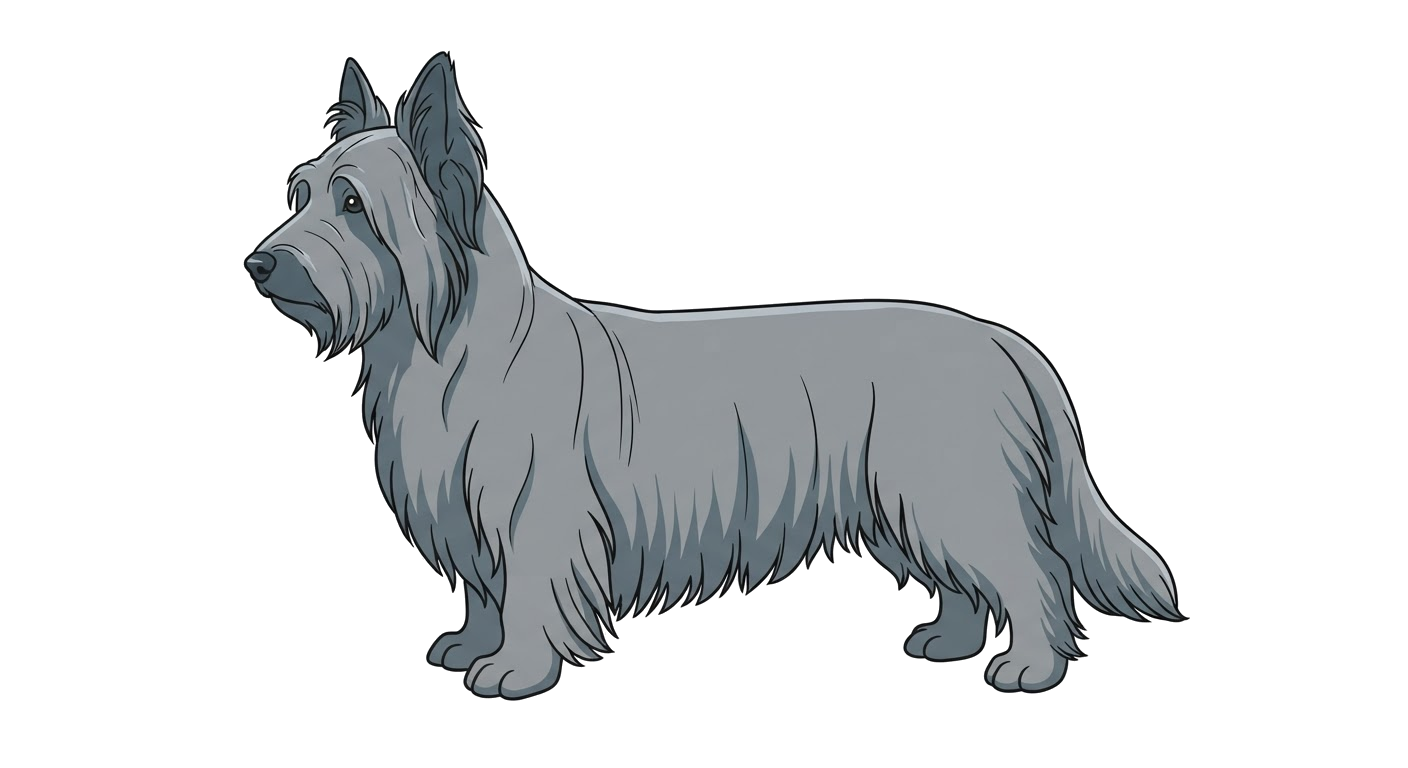
Point 1
Skull
The Skye Terrier's skull is judged on balance rather than size — proportionate to the body, with a clean cheek and a stop typical of the breed. Coarseness or an over-refined head are both faulted.
Colours & patterns
Recognised coats
Which coats the standard accepts — and which are simply popular.
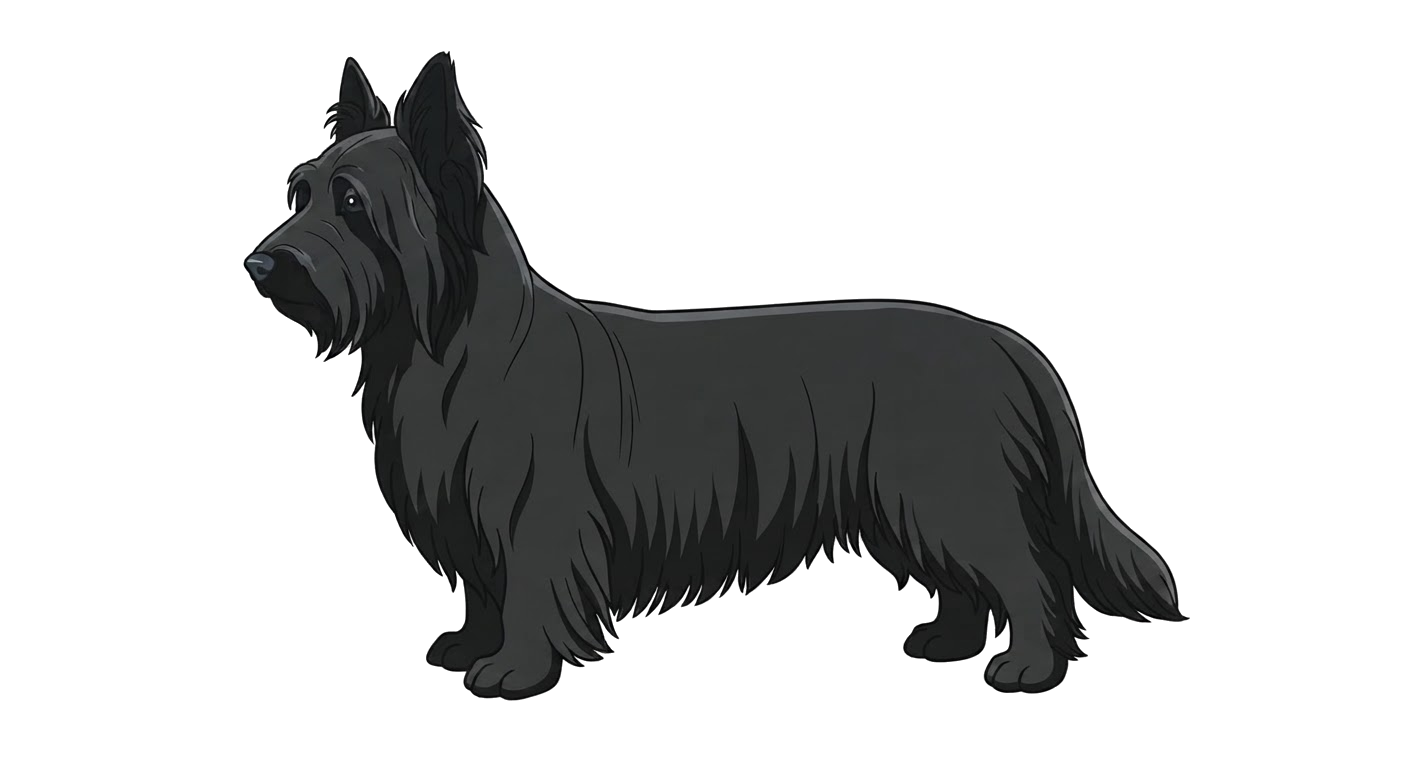
Black
Standard colour
A solid, traditional Skye Terrier colour.
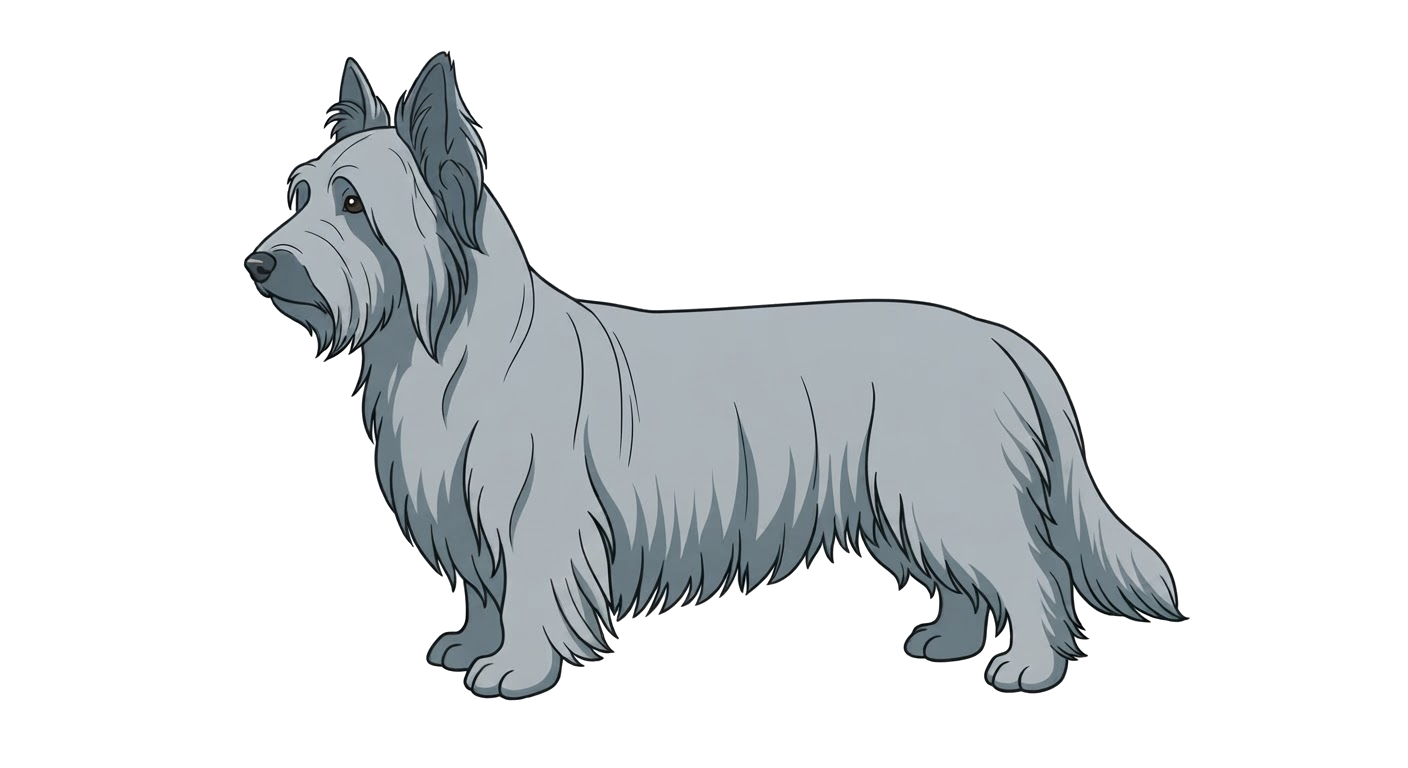
Grey
Standard colour
Ranges from silver to dark steel grey, all accepted.
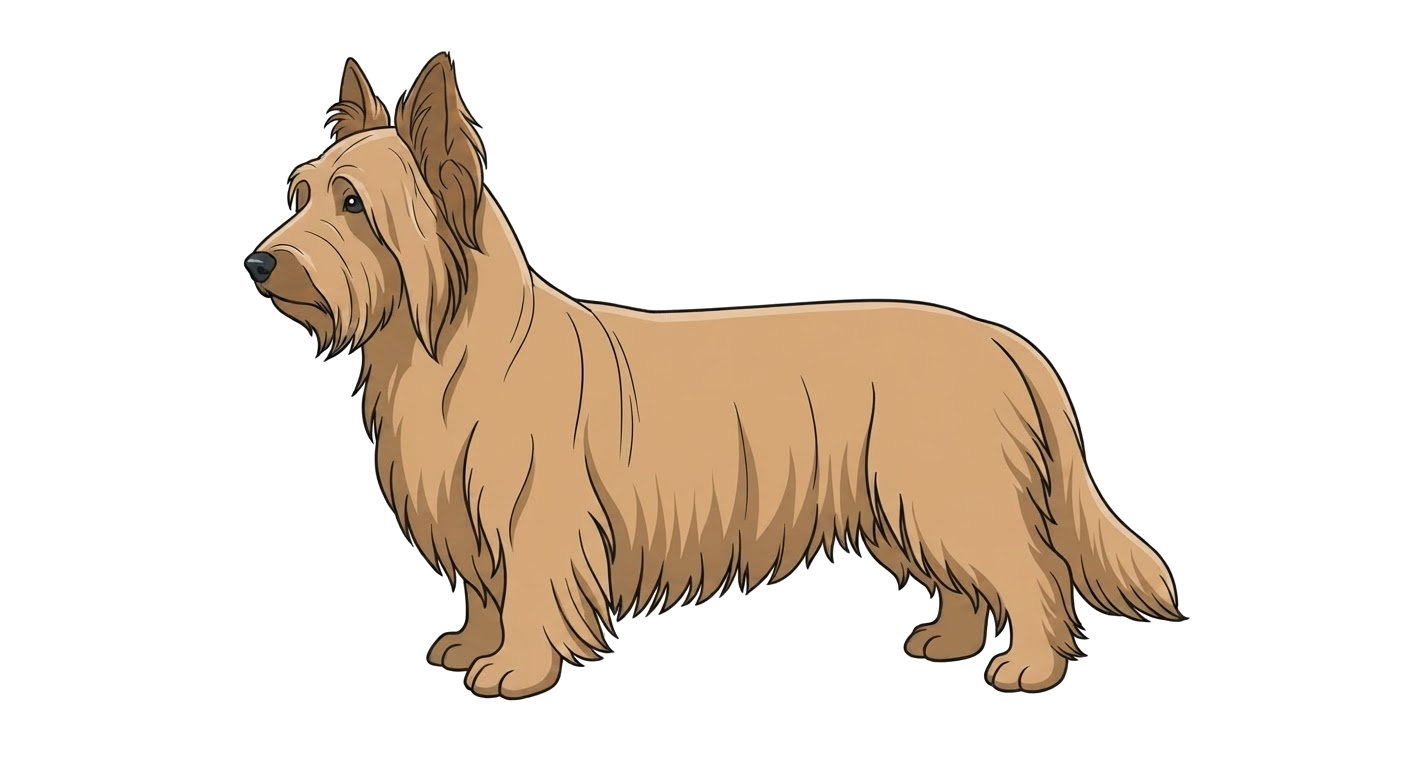
Fawn
Standard colour
A warm cream-to-tan shade with a black mask and ear tips.
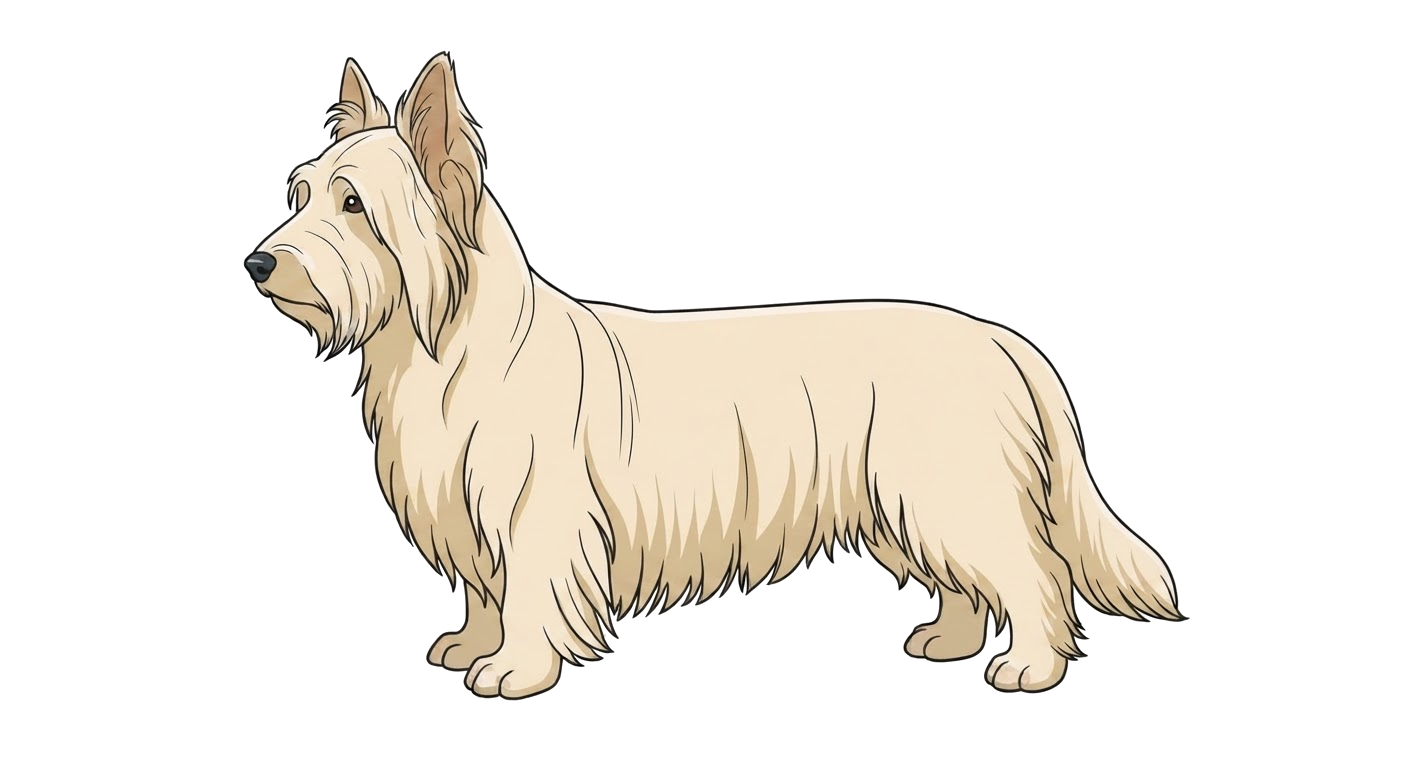
Cream
Standard colour
A pale variant, still requiring the breed's characteristic black points.
Timeline
History & development
1600s
Hebridean origins
Long-bodied terriers were established on the Isle of Skye, bred by crofters to hunt fox and vermin among rocky ground.
1840s
Royal patronage
Queen Victoria took a strong liking to the breed, raising its profile across Victorian Britain.
1858-1872
Greyfriars Bobby
A Skye Terrier reportedly kept vigil at his owner's Edinburgh grave for fourteen years, becoming a lasting symbol of canine loyalty.
1887
Kennel Club recognition
The Skye Terrier was formally recognised as a distinct breed in Britain.
2000s
Vulnerable native breed
Low registration numbers led the Kennel Club to classify the Skye Terrier as a vulnerable native breed.
Reference
Breed standard summary
- body
- Long and low, with a level topline and well-sprung ribs.
- coat
- Long, straight, hard top coat with a soft, woolly undercoat.
- ears
- Either prick or drop, but always feathered and in proportion.
- eyes
- Brown, medium-sized, close-set, with a keen, alert expression.
- gait
- Free and easy, without exaggeration, close to the ground.
- head
- Long, powerful, with a strong muzzle and moderate stop.
- size
- 25-26cm at the withers.
- tail
- Long, well-feathered, carried in a graceful curve when moving.
- colour
- Black, Grey, Fawn, Cream. Colours outside this list are seen but are not accepted by the kennel clubs.
- temperament
- Typical of the breed: strongest in grooming, independence, energy. Nervousness or aggression are serious faults in the show ring and in the home.
- general appearance
- A long, low, hard-coated terrier, twice as long as it is high, giving an impression of substance and power.
Health
What to screen for
Green means little to worry about, amber means ask the breeder for test results, red means manage it actively.
Intervertebral disc disease
Watch closely
Keep the dog lean and discourage jumping from height given its long back.
Hyperparathyroidism
Watch closely
A DNA test exists in some lines; ask breeders whether they screen for it.
Autoimmune conditions
Watch closely
Ask the breeder about any family history before buying.
Ear infections
Low concern
Check drop ears periodically, especially if hairy inside.
General information only — always speak to your vet about your own dog.
From real owners
Dogs like this
Skye Terriers added by PawPoint members through their pet passports. Share yours to appear here.
Loading the wall…
Made for the Skye Terrier
The book, plus prints, hoodies and mugs using our own Skye Terrier illustration — and one everyday accessory that suits any dog.
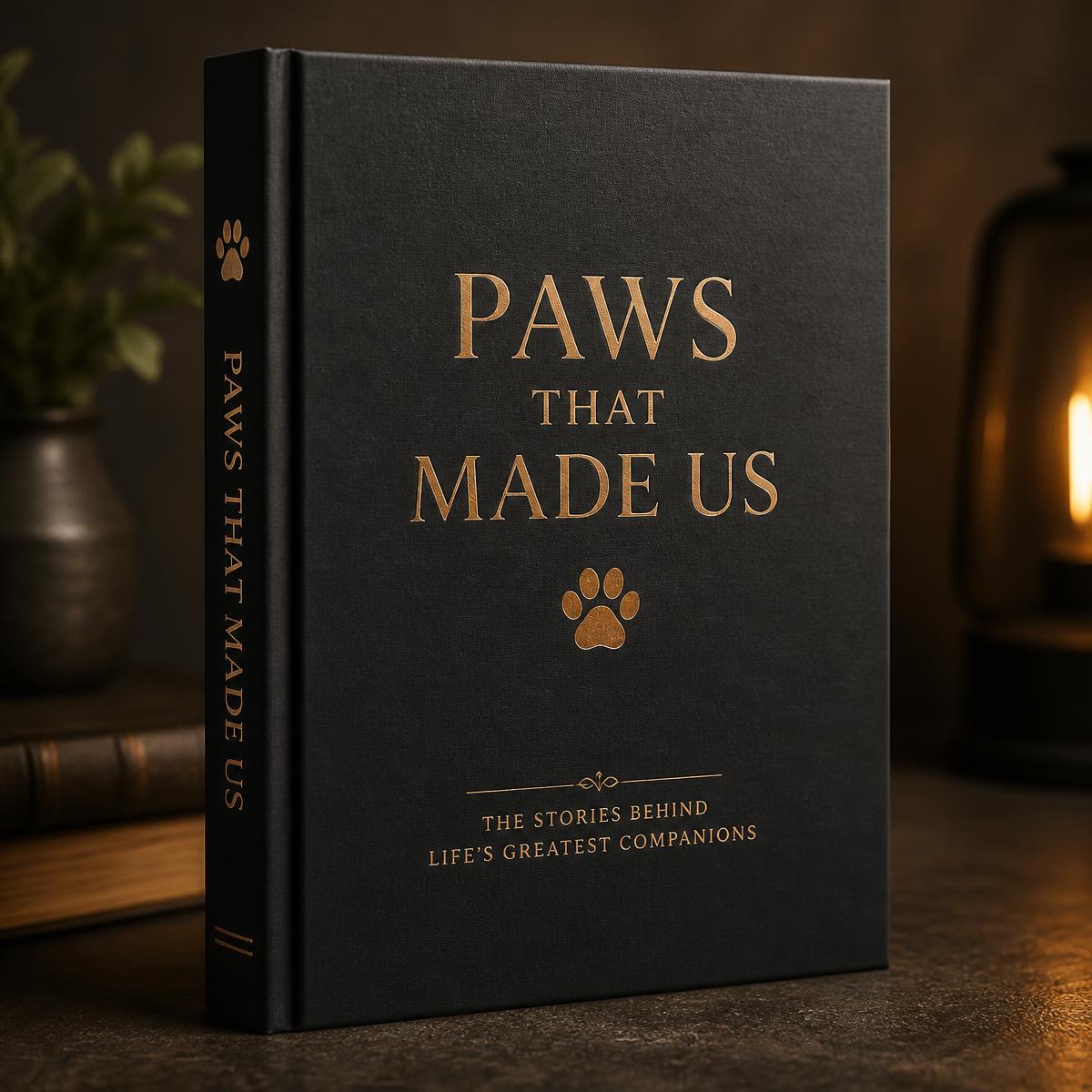
The book
Pawpoint: The Complete Dog Breed Book
Every officially recognised breed plus the unofficial ones nobody else documents. 400+ pages, hardback, printed and shipped from the UK.
Own stock — shipped by us
Framed poster
Skye Terrier Framed Poster
Museum-weight print of our Skye Terrier illustration, framed or unframed.
Printed to order
Hoodie
Skye Terrier Hoodie
Heavyweight hoodie carrying the Skye Terrier illustration on the chest.
Printed to order
Mug
Skye Terrier Mug
Ceramic mug with the Skye Terrier illustration wrapped around it.
Printed to order
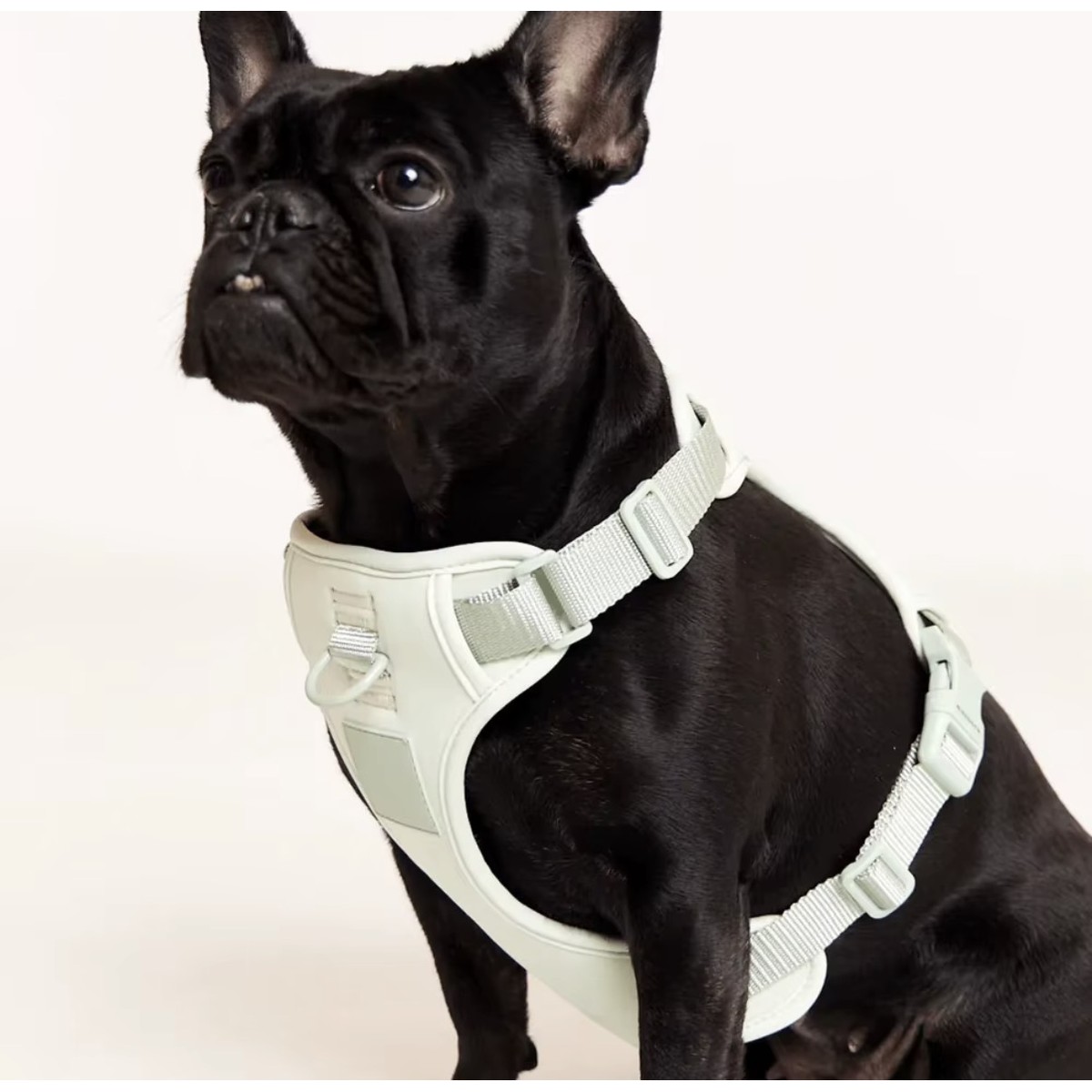
Accessory
Adjustable Harness (S/M/L)
Fully adjustable chest and girth straps — no fixed sizing.
Fits any dog
Pawpoint on YouTube
Watch the full Skye Terrier video
Breed deep-dives, history and honest ownership talk. New film every week.
Watch now