
Small Munsterlander
SMOL MUN-ster-lan-der
Germany· Munster region, north-western Germany
The Small Munsterlander is a compact, versatile German gundog developed from old local pointing stock in the Munster region.
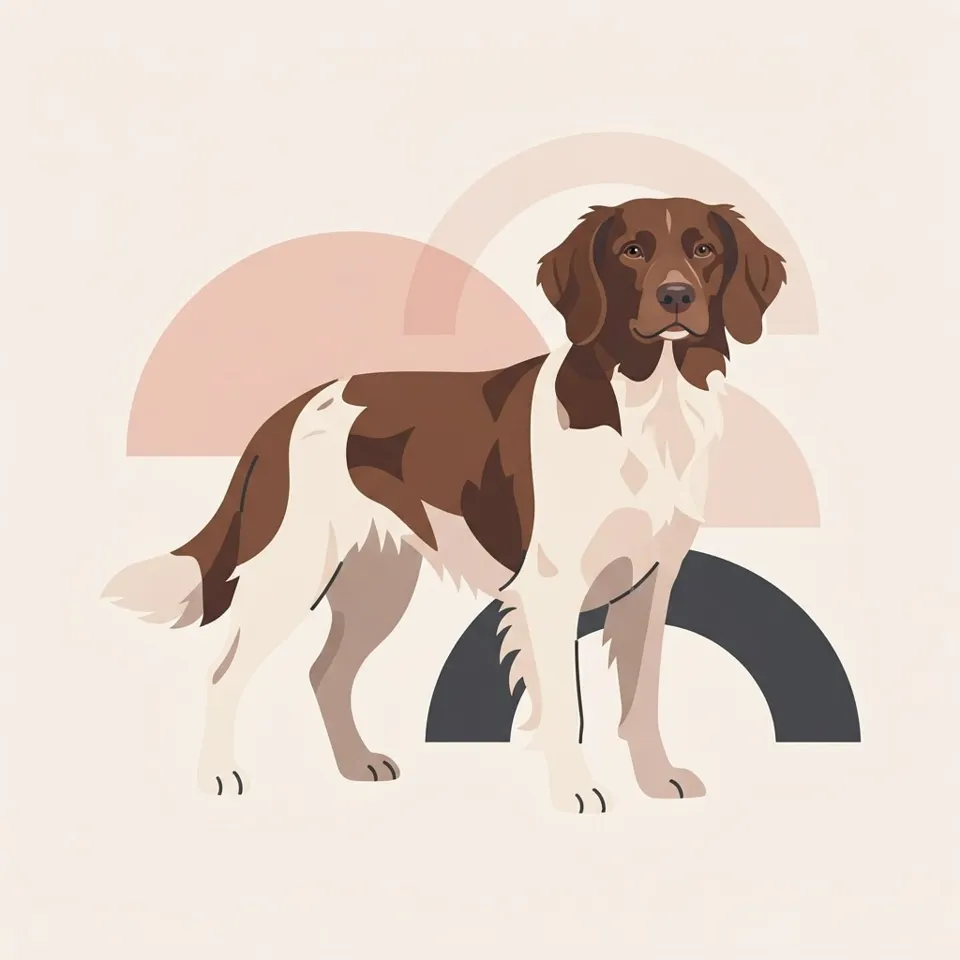
At a glance
Quick facts
- Size
- Medium
- Exercise needs
- 1-2 hours per day
- Home size suited to
- Medium or larger
- Grooming frequency
- Weekly brush, more when moulting
- Coat length
- Medium
- Sheds
- Yes
- Lifespan
- 12-14 years
- Town or country
- Flexible with sufficient exercise
- Garden size needed
- Medium or larger
Where it comes from
Origins of the Small Munsterlander
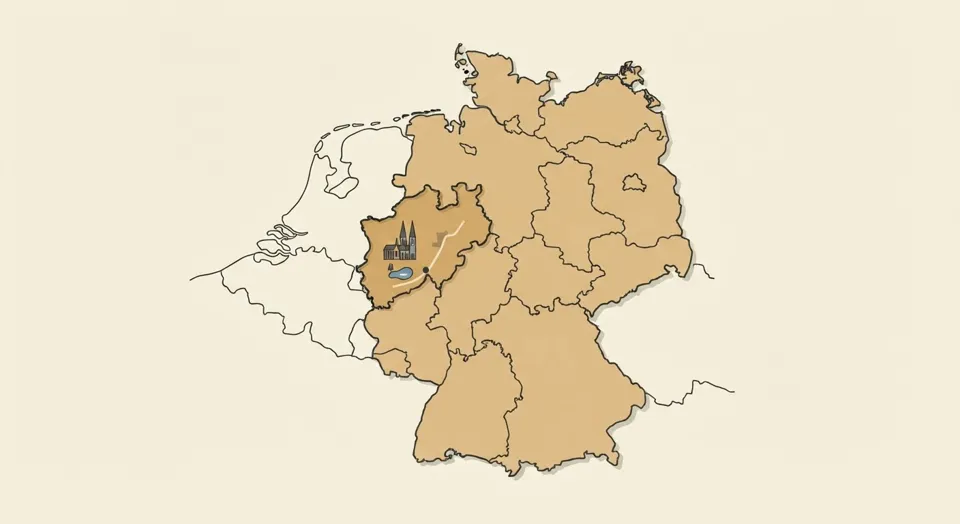
In the farmland around Munster, small landholders needed a compact, all-round gundog capable of pointing, tracking and retrieving without the size and upkeep of larger continental pointers, resulting in a lighter-framed, spaniel-like breed.
- Region
- Munster region, north-western Germany
- Climate it was bred for
- Cool, damp lowland farmland and woodland
- Original job
- Compact, versatile pointing and retrieving gundog for smallholders
The long read
About the breed
Its role as an all-round hunting companion for smallholders shaped a close-working, biddable dog equally capable of pointing, tracking and retrieving on land and water.
At home it is affectionate, lively and eager to please, generally excellent with families, though it needs plenty of exercise and mental stimulation to stay settled.
Today the breed is a popular versatile hunting dog across Germany and increasingly abroad, valued by both hunters and active pet owners for its intelligence and adaptability.
Living with one
Temperament & needs
Our own ratings, based on the breed standard and how these dogs behave in ordinary homes.
Friendliness
3/5
How openly the Small Munsterlander greets people it does not know.
Trainability
3/5
How readily the breed takes to training in an ordinary home.
Energy
3/5
How much daily exercise and stimulation the breed expects.
Barking
3/5
How vocal the breed tends to be day to day.
Grooming
3/5
How much coat work the breed needs to stay comfortable.
Suits a first-time owner
3/5
How forgiving the Small Munsterlander is for someone taking on their first dog.
Illustrated breed standard
The points of the breed
Hover or tap a numbered point to read what the standard asks for.
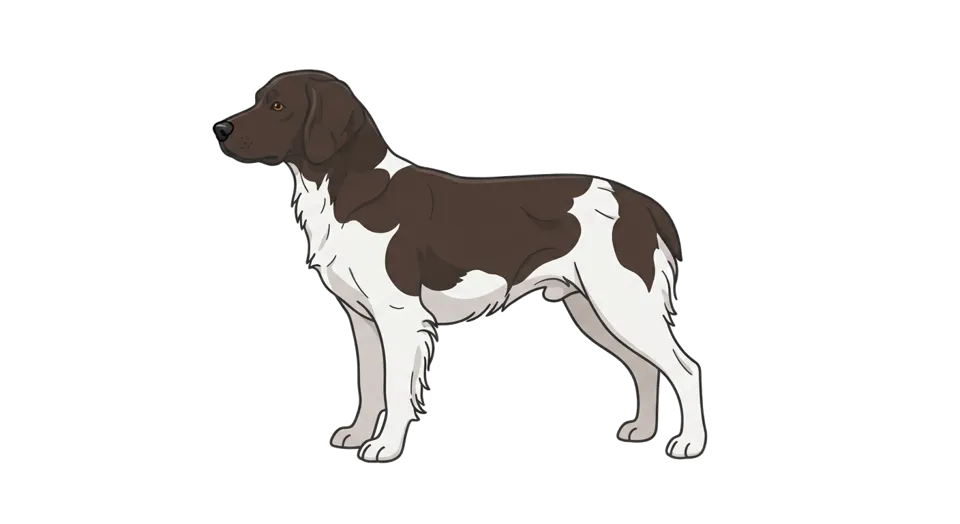
Point 1
Skull
The Small Munsterlander's skull is judged on balance rather than size — proportionate to the body, with a clean cheek and a stop typical of the breed. Coarseness or an over-refined head are both faulted.
Timeline
History & development
1800s
Local farm pointer
A smaller, spaniel-like pointing type was maintained by farmers around Munster alongside the larger Longhaired Pointer.
1906
Breed distinguished
Breeders began deliberately distinguishing the smaller type as a separate breed.
1912
Breed club founded
A dedicated breed club was established for the Small Munsterlander.
1921
Standard published
The first official breed standard was adopted.
1990s
International growth
The breed gained a strong following in North America and the United Kingdom as a versatile hunting companion.
Reference
Breed standard summary
- body
- Slightly longer than tall, with a moderately deep chest.
- coat
- Medium-length, dense and slightly wavy, with feathering.
- ears
- Set high, broad, hanging close to the head with feathering.
- eyes
- Medium-sized, dark brown, with a lively, friendly expression.
- head
- Moderately long, with a slight stop.
- size
- Dogs 50-56cm, bitches 48-54cm
- colour
- Brown and white, often roan or ticked, with a brown head.
- temperament
- Lively, affectionate, intelligent and eager to work.
- general appearance
- A medium-sized, elegant, spaniel-like pointing dog, lighter in build than the German Longhaired Pointer.
Health
What to screen for
Green means little to worry about, amber means ask the breeder for test results, red means manage it actively.
General information only — always speak to your vet about your own dog.
From real owners
Small Munsterlanders in the PAWPOINT Pack
Small Munsterlanders added by PawPoint members through their pet passports. Share yours to appear here.
Loading the wall…
Made for the Small Munsterlander
The book, plus hoodies, tees and mugs featuring the Small Munsterlander.