
Small Swiss Hound
smawl swiss hownd
Switzerland· Various cantons of Switzerland
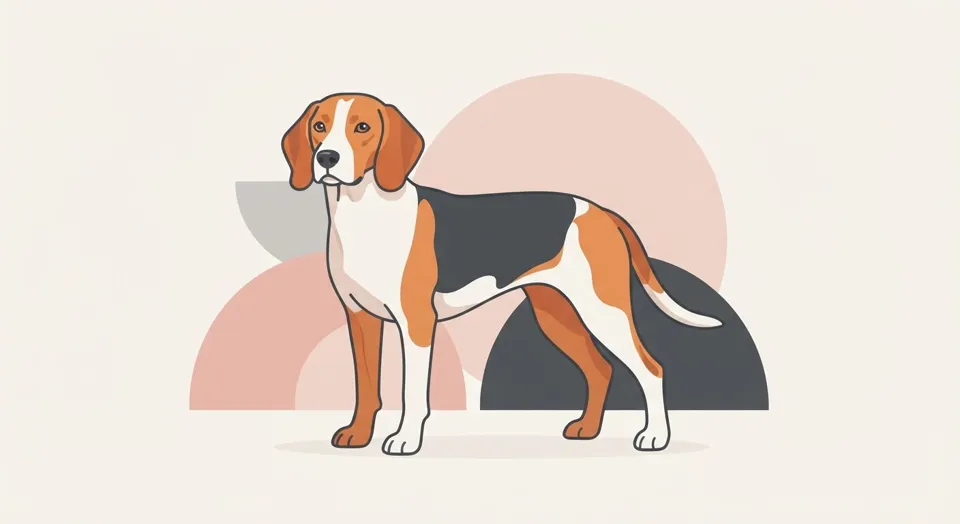
The Small Swiss Hound is a compact Swiss scenthound, a smaller counterpart to the Swiss Hound, developed for hunting hare and fox over steep alpine terrain.
At a glance
Quick facts
- Size
- Small
- Exercise needs
- 1-2 hours per day
- Home size suited to
- Medium or larger
- Grooming frequency
- Weekly brush
- Coat length
- Short
- Sheds
- Yes
- Lifespan
- 13-15 years
- Town or country
- Country preferred
- Garden size needed
- Medium or larger
Where it comes from
Origins of the Small Swiss Hound
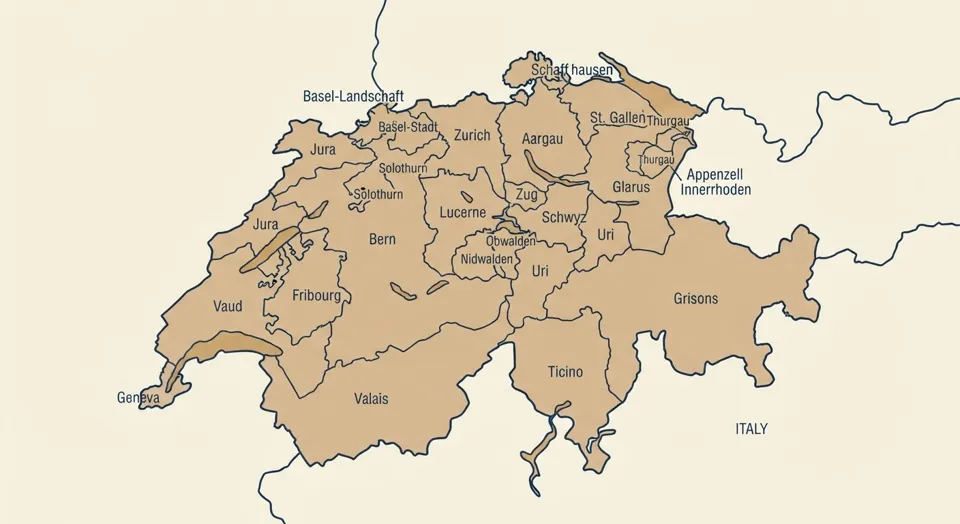
Bred down from the standard Swiss Hound, this smaller version suited hunters who wanted the same stamina and scenting ability but in a more manageable size for foot hunting in steep, rugged cantons. It shares the four regional colour varieties of its larger relative, reflecting a shared ancestry across Swiss cantons. Its smaller frame made it easier to keep and transport while still coping with demanding alpine terrain. It remains a specialist Swiss hunting breed today.
- Region
- Various cantons of Switzerland
- Climate it was bred for
- Mountainous and hilly terrain with cold winters
- Original job
- Hunting hare and fox over steep alpine terrain in a more compact size
The long read
About the breed
Its reduced size retained the stamina and keen nose of its larger relative while offering a more manageable hound for hunters working demanding cantonal terrain on foot.
It is an affectionate, lively companion that needs plenty of exercise and mental stimulation, retaining the strong scenting drive typical of the breed group.
The breed remains most common in Switzerland, used for hunting and as an active companion, with very limited numbers found elsewhere.
Living with one
Temperament & needs
Our own ratings, based on the breed standard and how these dogs behave in ordinary homes.
Friendliness
3/5
How openly the Small Swiss Hound greets people it does not know.
Trainability
3/5
How readily the breed takes to training in an ordinary home.
Energy
3/5
How much daily exercise and stimulation the breed expects.
Barking
3/5
How vocal the breed tends to be day to day.
Grooming
3/5
How much coat work the breed needs to stay comfortable.
Suits a first-time owner
3/5
How forgiving the Small Swiss Hound is for someone taking on their first dog.
Illustrated breed standard
The points of the breed
Hover or tap a numbered point to read what the standard asks for.
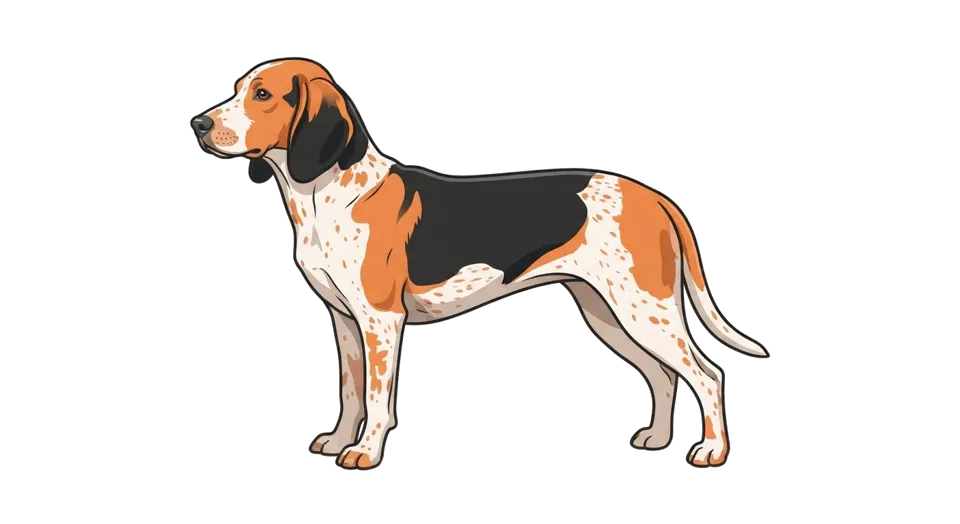
Point 1
Skull
The Small Swiss Hound's skull is judged on balance rather than size — proportionate to the body, with a clean cheek and a stop typical of the breed. Coarseness or an over-refined head are both faulted.
Timeline
History & development
1900s
Smaller type selected
Smaller individuals from Swiss Hound stock were selectively bred for a more compact hunting hound.
1933
Standard alongside Swiss Hound
The Small Swiss Hound was formally standardised alongside its larger relative with matching colour varieties.
1960s
Established as separate breed
The breed was confirmed as distinct from the standard Swiss Hound by size.
1990s
Continued specialist use
The breed has remained popular with Swiss hunters valuing its compact size and stamina.
Reference
Breed standard summary
- body
- Compact, muscular body with a level topline.
- coat
- Short, dense and close-lying.
- ears
- Set at eye level, medium length, rounded at the tip.
- eyes
- Dark brown, lively expression.
- head
- Moderately long with a slightly domed skull.
- size
- Dogs and bitches 33-41cm
- colour
- Tricolour or orange and white, depending on variety.
- temperament
- Affectionate, lively and determined, with a keen nose.
- general appearance
- A compact, well-proportioned hound resembling a smaller Swiss Hound.
Health
What to screen for
Green means little to worry about, amber means ask the breeder for test results, red means manage it actively.
General information only — always speak to your vet about your own dog.
From real owners
Small Swiss Hounds in the PAWPOINT Pack
Small Swiss Hounds added by PawPoint members through their pet passports. Share yours to appear here.
Loading the wall…
Made for the Small Swiss Hound
The book, plus hoodies, tees and mugs featuring the Small Swiss Hound.