
South Russian Shepherd Dog
SOWTH RUSH-un SHEP-erd dog
Ukraine and southern Russia· Steppe grasslands of southern Ukraine, especially around Askania-Nova
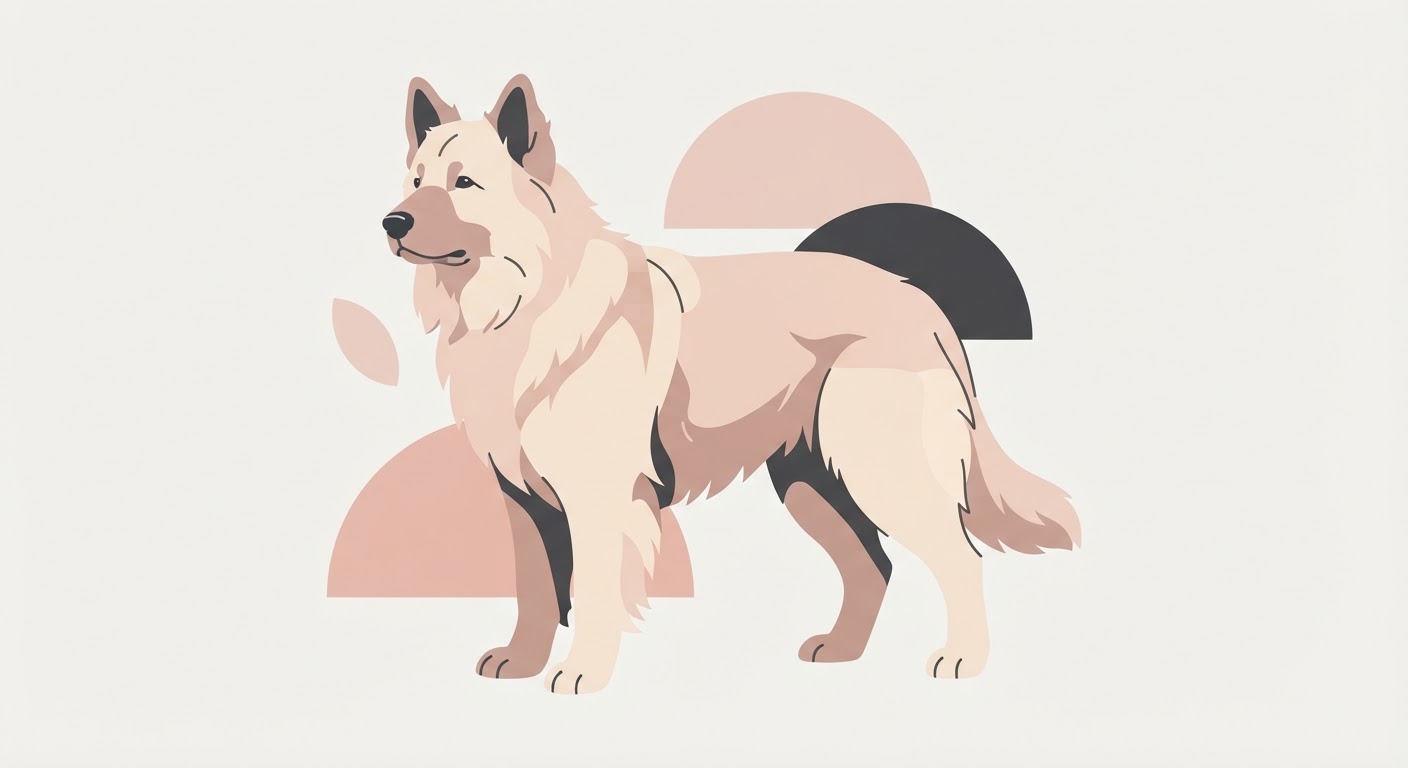
The South Russian Shepherd Dog is a large, heavily coated livestock guardian breed developed on the open steppes of southern Ukraine to protect vast sheep flocks.
At a glance
Quick facts
Size
Large
Exercise needs
1-2 hours per day
Home size suited to
Large
Grooming frequency
Twice-weekly brush, more when shedding
Coat length
Long
Sheds
Yes
Lifespan
10-12 years
Town or country
Country preferred
Garden size needed
Large, securely fenced
Where it comes from
Origins of the South Russian Shepherd Dog
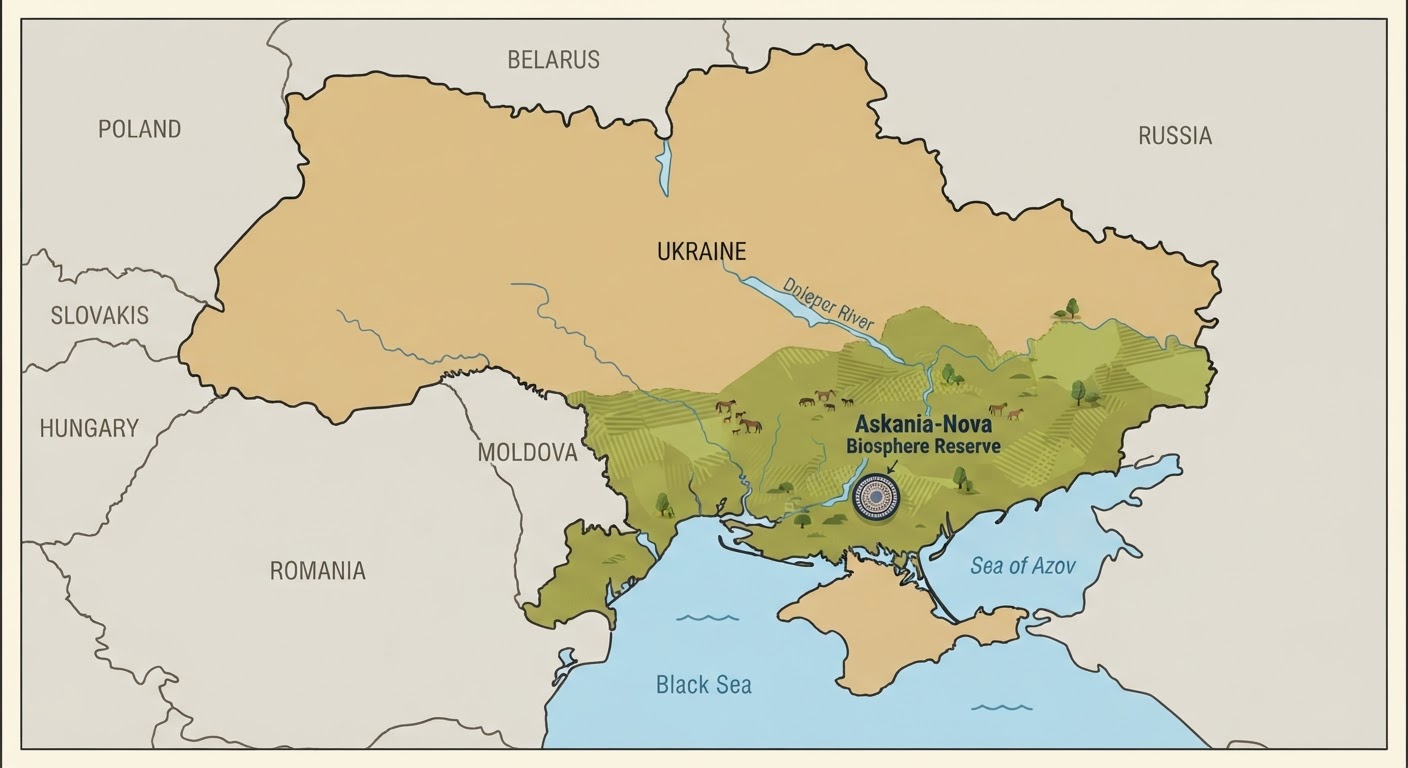
The vast, treeless steppes of southern Ukraine, used for enormous merino sheep flocks in the 19th century, needed a large, thickly coated guardian dog able to work in open country with extreme temperature swings and little shelter. Its dense white coat and independent, sometimes sharp temperament developed to suit this demanding, exposed environment.
- Region
- Steppe grasslands of southern Ukraine, especially around Askania-Nova
- Climate it was bred for
- Open steppe climate with cold winters and hot, dry summers
- Original job
- Guarding large sheep flocks on open steppe grasslands
The long read
About the breed
Its steppe guarding heritage produced a bold, independent dog with a strong protective drive and a notably sharp edge compared with some other guardian breeds, reflecting its role confronting both predators and thieves.
As a companion it is loyal and devoted to its own family, but it can be aloof or suspicious with strangers and other dogs, making early, consistent socialisation and experienced handling essential.
The breed remains a working guardian in parts of Ukraine and Russia and has a small international following, valued for its imposing coat and formidable guarding ability.
Living with one
Temperament & needs
Our own ratings, based on the breed standard and how these dogs behave in ordinary homes.
Friendliness
3/5
How openly the South Russian Shepherd Dog greets people it does not know.
Trainability
3/5
How readily the breed takes to training in an ordinary home.
Energy
3/5
How much daily exercise and stimulation the breed expects.
Barking
3/5
How vocal the breed tends to be day to day.
Grooming
3/5
How much coat work the breed needs to stay comfortable.
Suits a first-time owner
3/5
How forgiving the South Russian Shepherd Dog is for someone taking on their first dog.
Illustrated breed standard
The points of the breed
Hover or tap a numbered point to read what the standard asks for.
Point 1
Skull
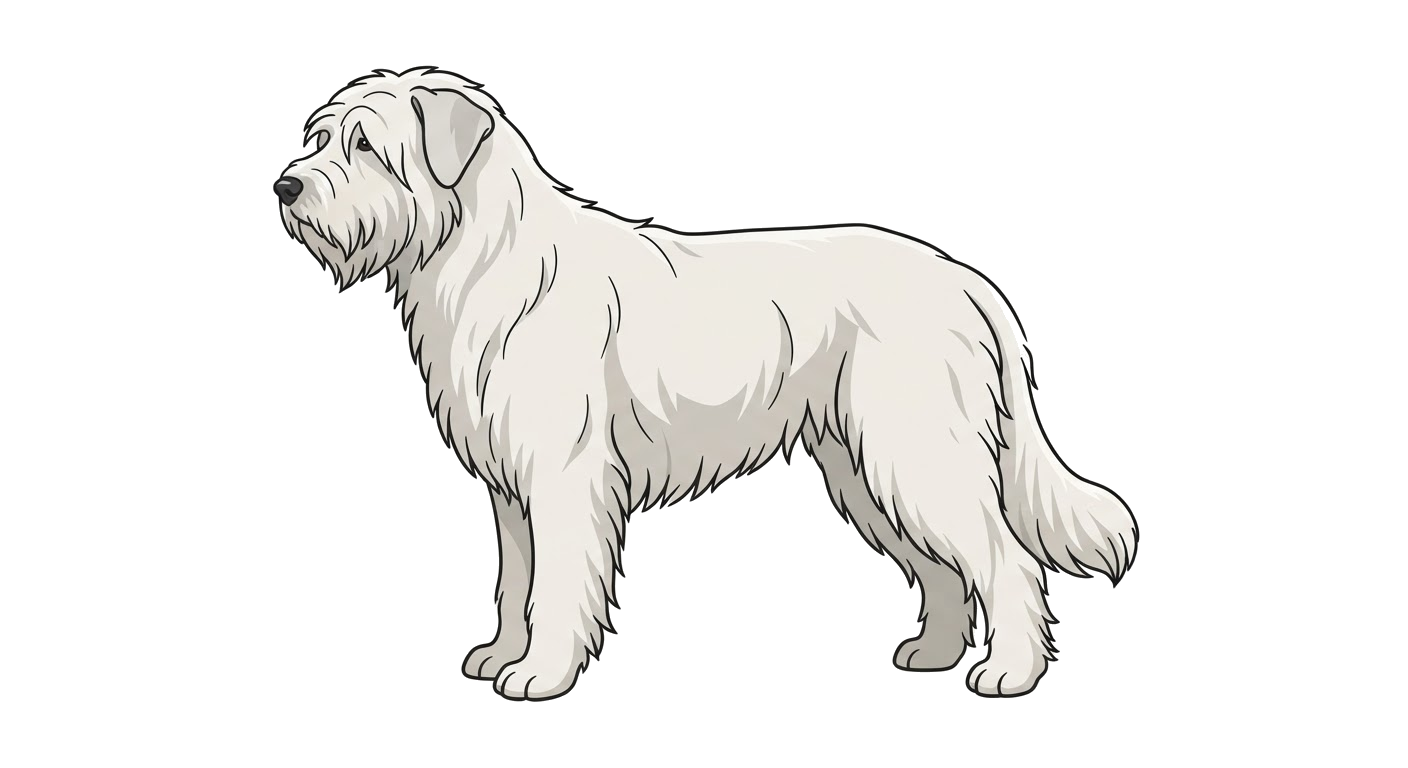
The South Russian Shepherd Dog's skull is judged on balance rather than size — proportionate to the body, with a clean cheek and a stop typical of the breed. Coarseness or an over-refined head are both faulted.
Timeline
History & development
1790s
Origins in imported stock
The breed likely developed from Spanish merino guard dogs brought to southern Russia alongside imported sheep.
1800s
Steppe sheep farming boom
Large-scale merino sheep farming on the southern Ukrainian steppe relied heavily on these guardian dogs.
1930s
First formal standard
Soviet cynologists documented and standardised the breed as sheep farming practices changed.
1950s
Wider Soviet use
The breed was also used for guard duties beyond farming, including at industrial and military sites.
2010s
Renewed international interest
Breed enthusiasts outside its native region have worked to promote and preserve the breed.
Reference
Breed standard summary
- body
- Well-muscled with a strong back and deep chest.
- coat
- Long, thick and coarse, forming a dense protective covering over the whole body including the face.
- ears
- Medium-sized, hanging, often covered by long hair.
- eyes
- Dark, medium-sized, often hidden by overhanging coat.
- head
- Elongated skull with a slight stop and a strong, straight muzzle, often obscured by facial hair.
- size
- Dogs 65cm and over, bitches 62cm and over at the withers
- colour
- White, straw or white with pale yellow or grey markings.
- temperament
- Bold, independent and protective, can be sharp with strangers and needs firm handling.
- general appearance
- A large, heavily coated guardian dog, slightly longer than tall, with a bold, confident bearing hidden beneath a thick white coat.
Health
What to screen for
Green means little to worry about, amber means ask the breeder for test results, red means manage it actively.
General information only — always speak to your vet about your own dog.
From real owners
Dogs like this
South Russian Shepherd Dogs added by PawPoint members through their pet passports. Share yours to appear here.
Loading the wall…
Made for the South Russian Shepherd Dog
The book, plus prints, hoodies and mugs using our own South Russian Shepherd Dog illustration — and one everyday accessory that suits any dog.

The book
Pawpoint: The Complete Dog Breed Book
Every officially recognised breed plus the unofficial ones nobody else documents. 400+ pages, hardback, printed and shipped from the UK.
Own stock — shipped by us
Framed poster
South Russian Shepherd Dog Framed Poster
Museum-weight print of our South Russian Shepherd Dog illustration, framed or unframed.
Printed to order
Hoodie
South Russian Shepherd Dog Hoodie
Heavyweight hoodie carrying the South Russian Shepherd Dog illustration on the chest.
Printed to order
Mug
South Russian Shepherd Dog Mug
Ceramic mug with the South Russian Shepherd Dog illustration wrapped around it.
Printed to order
Accessory
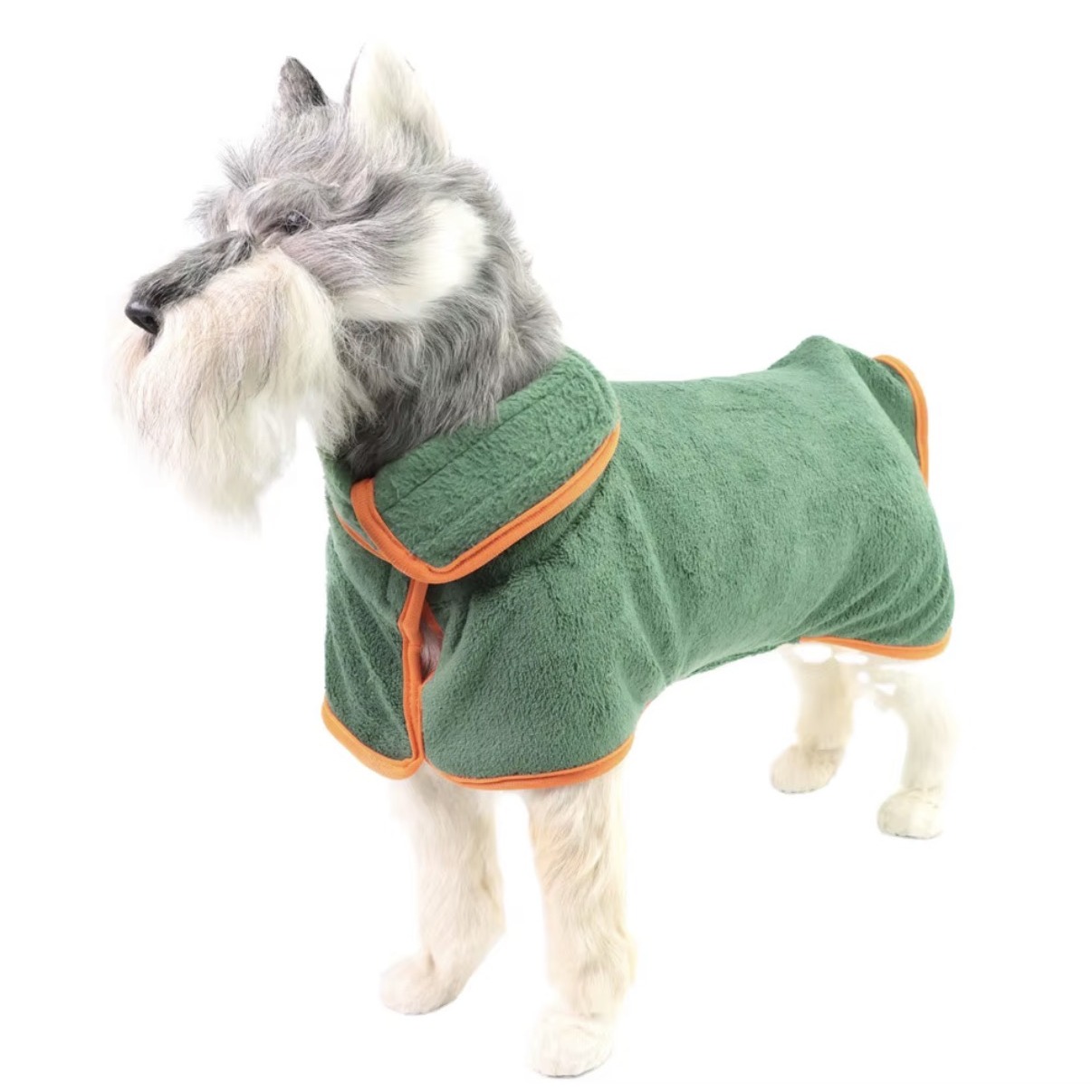
Drying Towel Robe
Microfibre robe that soaks up a wet-walk shake.
Fits any dog
Pawpoint on YouTube
Watch the full South Russian Shepherd Dog video
Breed deep-dives, history and honest ownership talk. New film every week.
Watch now