
Spanish Water Dog
SPAN-ish WAW-ter dog
Spain· Andalusia and coastal Spain
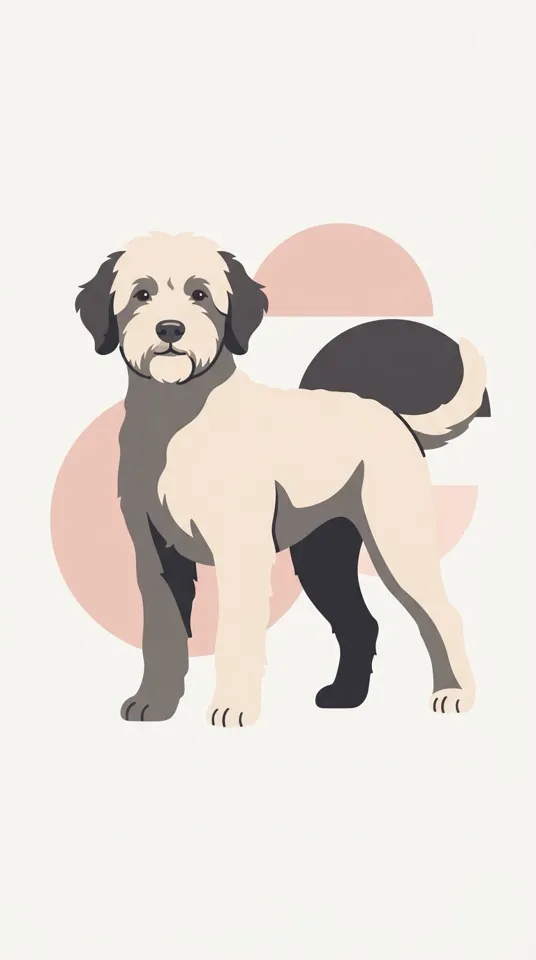
The Spanish Water Dog is a medium-sized, curly-corded breed valued equally as a herding dog and a water-retrieving companion to fishermen.
At a glance
Quick facts
- Size
- Medium
- Exercise needs
- 1-2 hours per day
- Home size suited to
- Medium or larger
- Grooming frequency
- Low, coat is clipped rather than brushed
- Coat length
- Medium, curly and corded
- Sheds
- Very low
- Lifespan
- 12-14 years
- Town or country
- Adaptable with sufficient exercise
- Garden size needed
- Medium or larger
Where it comes from
Origins of the Spanish Water Dog
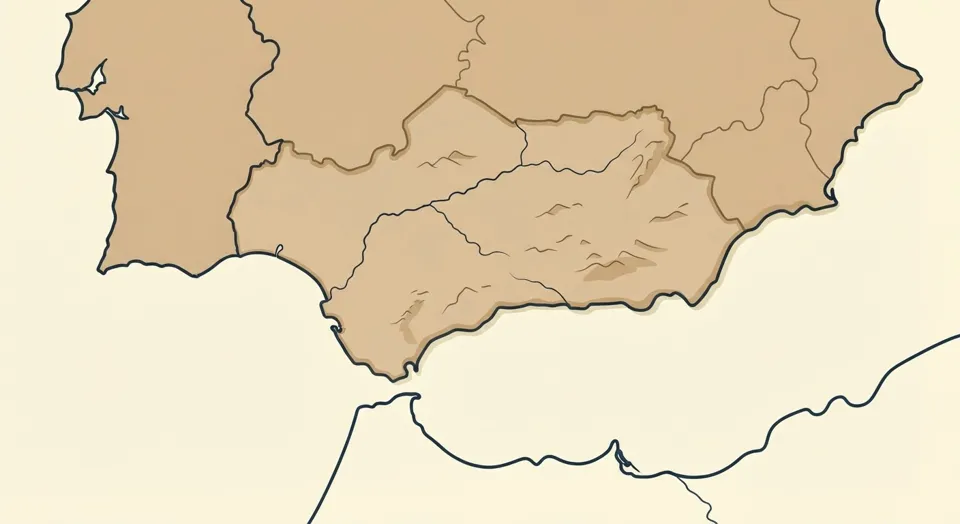
Found across rural Spain for centuries, this curly-coated dog earned its keep both inland, herding goats and sheep, and on the coast, where fishermen used it to retrieve nets and lost tackle from the sea, giving it an unusually broad working versatility for a single breed.
- Region
- Andalusia and coastal Spain
- Climate it was bred for
- Warm Mediterranean, coastal and rural
- Original job
- Herding livestock and assisting fishermen with nets and retrieving
The long read
About the breed
Its dual heritage produced an intelligent, adaptable, hardworking dog with a distinctive woolly, corded coat that sheds little and protects against both weather and thorny scrub.
As a family dog it is loyal, protective and highly trainable, bonding closely with its people, though it needs plenty of mental and physical stimulation and can be reserved with strangers if not well socialised.
The breed has grown steadily in popularity beyond Spain since the late 20th century, now kept both as a working herder and as an active family companion, valued particularly by allergy-sensitive owners for its low-shedding coat.
Living with one
Temperament & needs
Our own ratings, based on the breed standard and how these dogs behave in ordinary homes.
Friendliness
3/5
How openly the Spanish Water Dog greets people it does not know.
Trainability
3/5
How readily the breed takes to training in an ordinary home.
Energy
3/5
How much daily exercise and stimulation the breed expects.
Barking
3/5
How vocal the breed tends to be day to day.
Grooming
3/5
How much coat work the breed needs to stay comfortable.
Suits a first-time owner
3/5
How forgiving the Spanish Water Dog is for someone taking on their first dog.
Illustrated breed standard
The points of the breed
Hover or tap a numbered point to read what the standard asks for.
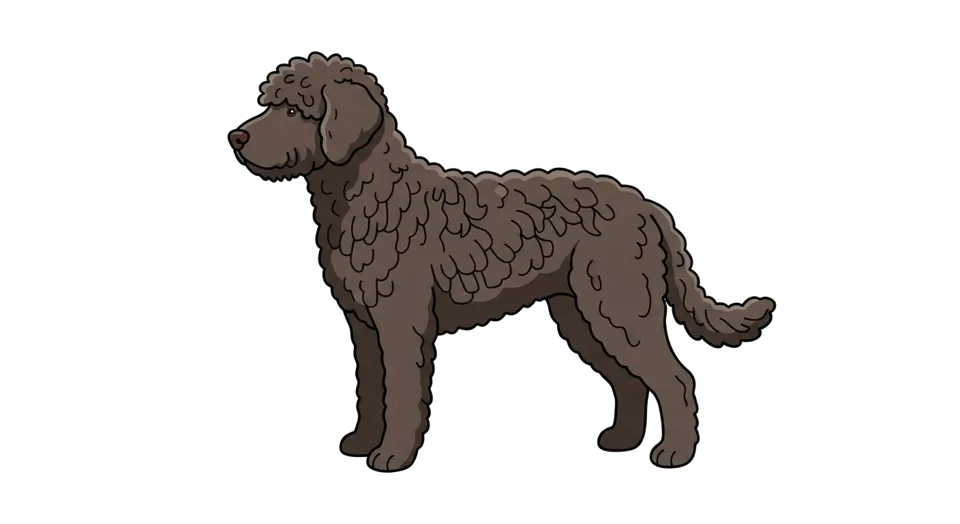
Point 1
Skull
The Spanish Water Dog's skull is judged on balance rather than size — proportionate to the body, with a clean cheek and a stop typical of the breed. Coarseness or an over-refined head are both faulted.
Timeline
History & development
1600s
Rural multi-purpose dog
Curly-coated water dogs were kept across Spain for herding and coastal work.
1975
Breed preservation begins
Spanish enthusiasts began systematic efforts to document and preserve regional water dogs as a single breed.
1985
Standard published
A national breed standard for the Spanish Water Dog was established.
1999
FCI recognition
The breed received formal FCI recognition.
2008
International growth
Kennel Club and international recognition followed, boosting popularity as a family and working dog worldwide.
Reference
Breed standard summary
- body
- Well proportioned, slightly longer than tall, with a level topline.
- coat
- Curly, wool-like, forming cords when left uncut, never combed or brushed out.
- ears
- Triangular, hanging close to the head, covered in curly hair.
- eyes
- Medium sized, chestnut to hazel, lively and alert.
- head
- Strong, moderately broad skull, well-defined stop, straight muzzle.
- size
- Dogs 44-50cm, bitches 40-46cm
- colour
- Solid black, brown, beige or white, or bicolour combinations with white.
- temperament
- Intelligent, loyal and hardworking, protective of family and reserved with strangers.
- general appearance
- A medium-sized, rustic-looking dog with a distinctive woolly, corded coat and an athletic, workmanlike build.
Health
What to screen for
Green means little to worry about, amber means ask the breeder for test results, red means manage it actively.
General information only — always speak to your vet about your own dog.
From real owners
Spanish Water Dogs in the PAWPOINT Pack
Spanish Water Dogs added by PawPoint members through their pet passports. Share yours to appear here.
Loading the wall…
Made for the Spanish Water Dog
The book, plus hoodies, tees and mugs featuring the Spanish Water Dog.