
Sussex Spaniel
SUSS-iks SPAN-yuhl
United Kingdom· The Weald, Sussex
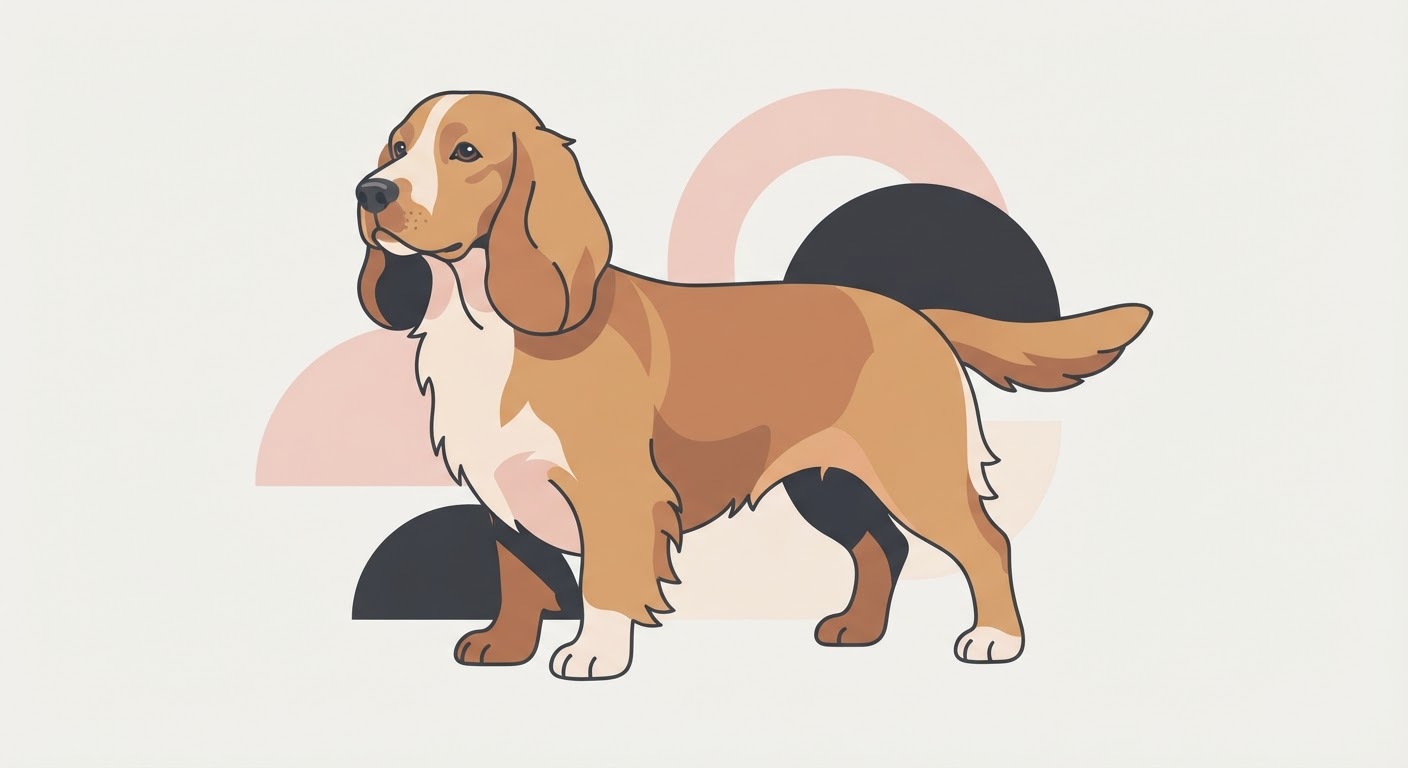
The Sussex Spaniel is a low, heavily built gundog from the Weald of Sussex, bred to push through thick hedgerow and briar where lighter spaniels would balk.
At a glance
Quick facts
Size
Medium
Exercise needs
45-60 minutes a day, steady rather than fast
Home size suited to
Small to medium home
Grooming frequency
Twice weekly brush
Coat length
Medium
Sheds
Yes
Lifespan
11-13 years
Town or country
Either, with enough exercise
Garden size needed
Small to medium
Where it comes from
Origins of the Sussex Spaniel
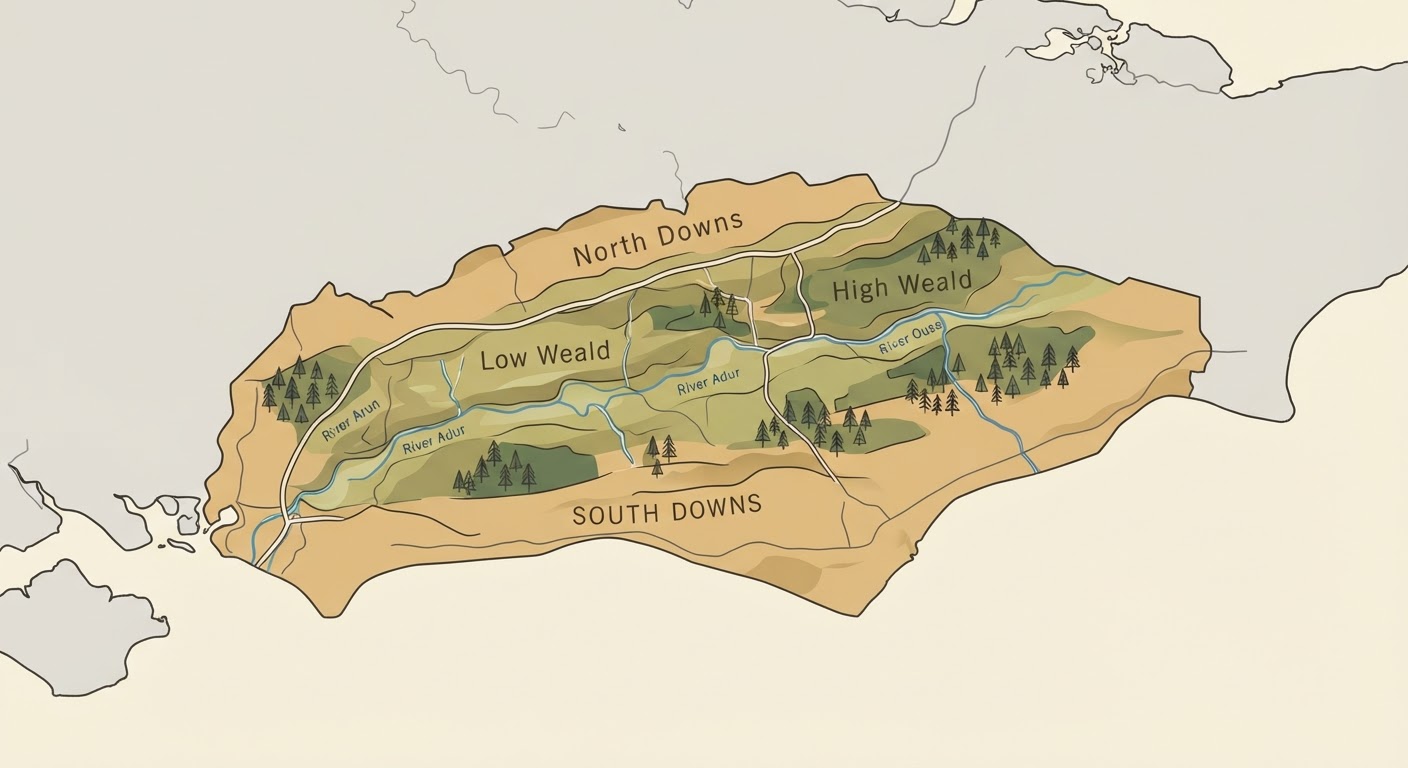
Bred on the Rosehill estate near Uckfield for the thick briar and clay of the Sussex Weald. Its low build and loud, baying tongue let a foot-following gun track it through cover too dense to see into.
- Region
- The Weald, Sussex
- Climate it was bred for
- Damp, wooded lowland with heavy clay soil
- Original job
- Flushing game through dense hedgerow on foot
The long read
About the breed
It was developed in the early nineteenth century on the Rosehill estate near Uckfield by a squire named Fuller, who wanted a spaniel with enough bone and drive to work dense Wealden cover on foot rather than on horseback, flushing game within gunshot range and giving tongue while trailing so the gun could follow its progress by ear. That baying voice, unusual in a spaniel, remains a breed trademark and is prized by the few shooting men who still work them.
Living with a Sussex Spaniel means accepting a dog that moves at its own pace. It is not built for speed; its rolling gait and stocky frame suit a steady, methodical search rather than a dash. It is affectionate with its own family, somewhat reserved with strangers, and slower to mature mentally than many gundogs, so early training needs patience rather than repetition. The rich golden-liver coat needs regular brushing to keep the feathering free of tangles and the ears clean, since the low-set, heavy ears trap moisture.
Today the Sussex Spaniel is one of the rarest native British breeds, appearing on the Kennel Club's vulnerable native breeds list most years with fewer than fifty registrations annually. Breeders work hard to keep the gene pool viable, which makes health testing and patient waiting for a litter a normal part of getting one. It suits a household wanting a calm, home-loving dog with a working spaniel's nose but none of the frantic energy of a Springer.
Living with one
Temperament & needs
Our own ratings, based on the breed standard and how these dogs behave in ordinary homes.
Friendliness
3/5
How openly the Sussex Spaniel greets people it does not know.
Trainability
3/5
Willing but slow to mature, needs patient repetition.
Energy
2/5
Steady worker, content with modest daily exercise.
Barking
3/5
Known for baying while trailing scent.
Grooming
3/5
Weekly brushing and regular ear checks.
Suits a first-time owner
3/5
How forgiving the Sussex Spaniel is for someone taking on their first dog.
Sociability
3/5
Devoted at home, reserved with strangers.
Independence
3/5
Will potter off on its own nose if given the chance.
Illustrated breed standard
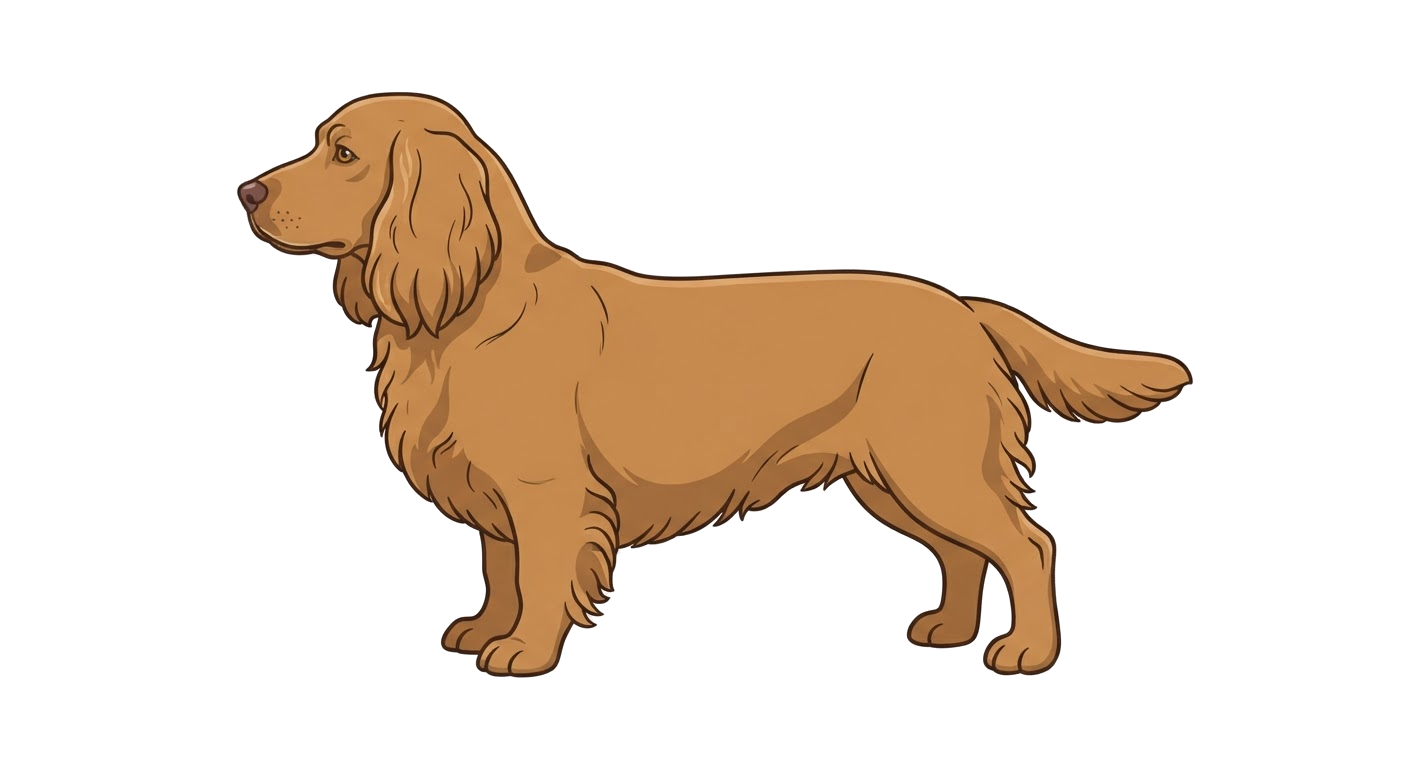
The points of the breed
Hover or tap a numbered point to read what the standard asks for.
Point 1
Skull
The Sussex Spaniel's skull is judged on balance rather than size — proportionate to the body, with a clean cheek and a stop typical of the breed. Coarseness or an over-refined head are both faulted.
Colours & patterns
Recognised coats
Which coats the standard accepts — and which are simply popular.
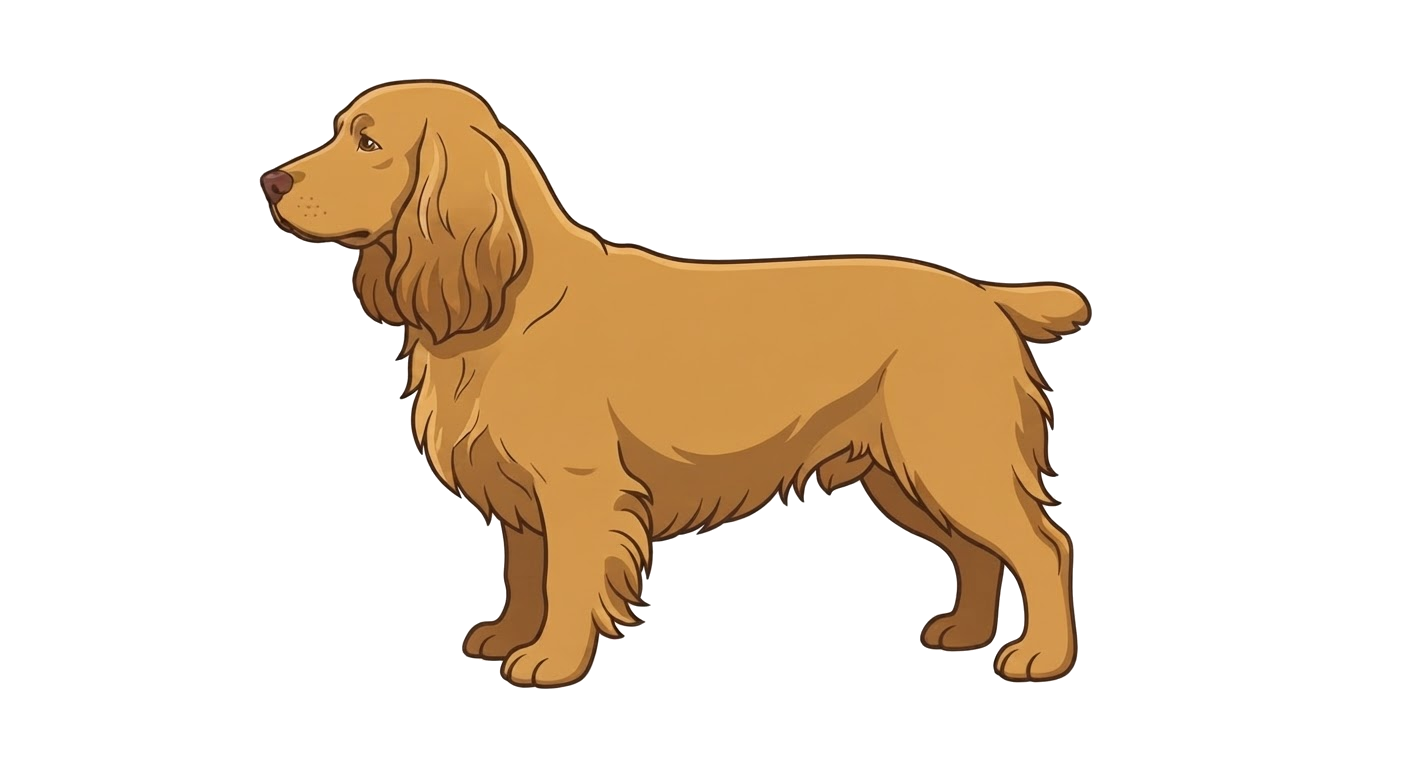
Golden liver
Standard colour
The only colour permitted by the breed standard, with a natural golden sheen.
Outside the standard
Other colours
Dilute coats you will see advertised. They are the same breed, but no kennel club accepts them.
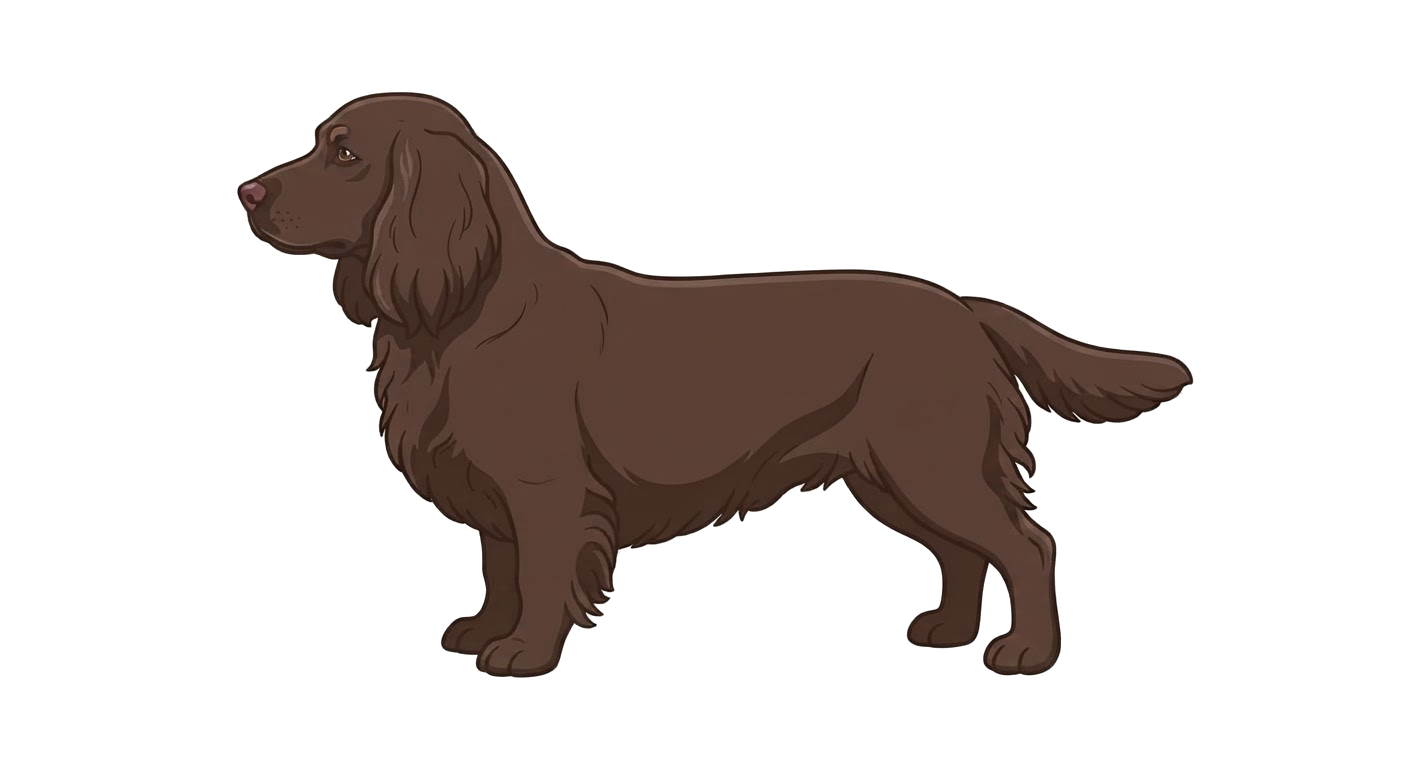
Dark liver
Not in the standard
A deeper shade sometimes seen but considered less typical than golden liver.
Timeline
History & development
1795
Early Weald spaniels
Heavy, low spaniels were already worked in the dense cover of the Sussex Weald before the breed was formally named.
1820s
Rosehill kennel
Squire Fuller of Rosehill near Uckfield is credited with fixing the type, breeding for bone, low build and a distinctive baying tongue.
1885
Kennel Club recognition
The Sussex Spaniel was among the first breeds recognised when the Kennel Club began keeping a studbook.
1940s
Near extinction
Numbers fell close to a handful of dogs after the Second World War, and the modern breed descends from a very narrow base.
present
Vulnerable native breed
The Sussex Spaniel regularly appears on the Kennel Club's at-risk list with under fifty puppies registered a year.
Reference
Breed standard summary
- body
- Long, low and level, with deep chest and well-sprung ribs.
- coat
- Abundant, flat or slightly waved, golden liver in colour with good feathering.
- ears
- Large, lobe-shaped, set fairly low and hanging close to the head.
- eyes
- Hazel, fairly large but not prominent, showing no haw.
- gait
- Distinctive rolling, unhurried movement.
- head
- Broad skull with a pronounced frown, giving a slightly stern expression.
- size
- Medium, low to ground with heavy bone for its height.
- tail
- Customarily docked where legal, carried level with the back and in constant action.
- colour
- Golden liver. Colours outside this list are seen but are not accepted by the kennel clubs.
- temperament
- Typical of the breed: strongest in trainability, sociability, independence. Nervousness or aggression are serious faults in the show ring and in the home.
- general appearance
- Low, long and heavily built, rectangular in outline, with a rolling gait.
Health
What to screen for
Green means little to worry about, amber means ask the breeder for test results, red means manage it actively.
Hip dysplasia
Screen for it
Ask breeders for BVA/KC hip scores on both parents.
Heart disease (PDA and murmurs)
Watch closely
Request a veterinary cardiac check before buying a puppy.
Intervertebral disc disease
Watch closely
Keep weight down and avoid jumping from height given the long, low back.
Ear infections
Low concern
Clean and dry the heavy ears after exercise in wet cover.
General information only — always speak to your vet about your own dog.
From real owners
Dogs like this
Sussex Spaniels added by PawPoint members through their pet passports. Share yours to appear here.
Loading the wall…
Made for the Sussex Spaniel
The book, plus prints, hoodies and mugs using our own Sussex Spaniel illustration — and one everyday accessory that suits any dog.

The book
Pawpoint: The Complete Dog Breed Book
Every officially recognised breed plus the unofficial ones nobody else documents. 400+ pages, hardback, printed and shipped from the UK.
Own stock — shipped by us
Framed poster
Sussex Spaniel Framed Poster
Museum-weight print of our Sussex Spaniel illustration, framed or unframed.
Printed to order
Hoodie
Sussex Spaniel Hoodie
Heavyweight hoodie carrying the Sussex Spaniel illustration on the chest.
Printed to order
Mug
Sussex Spaniel Mug
Ceramic mug with the Sussex Spaniel illustration wrapped around it.
Printed to order
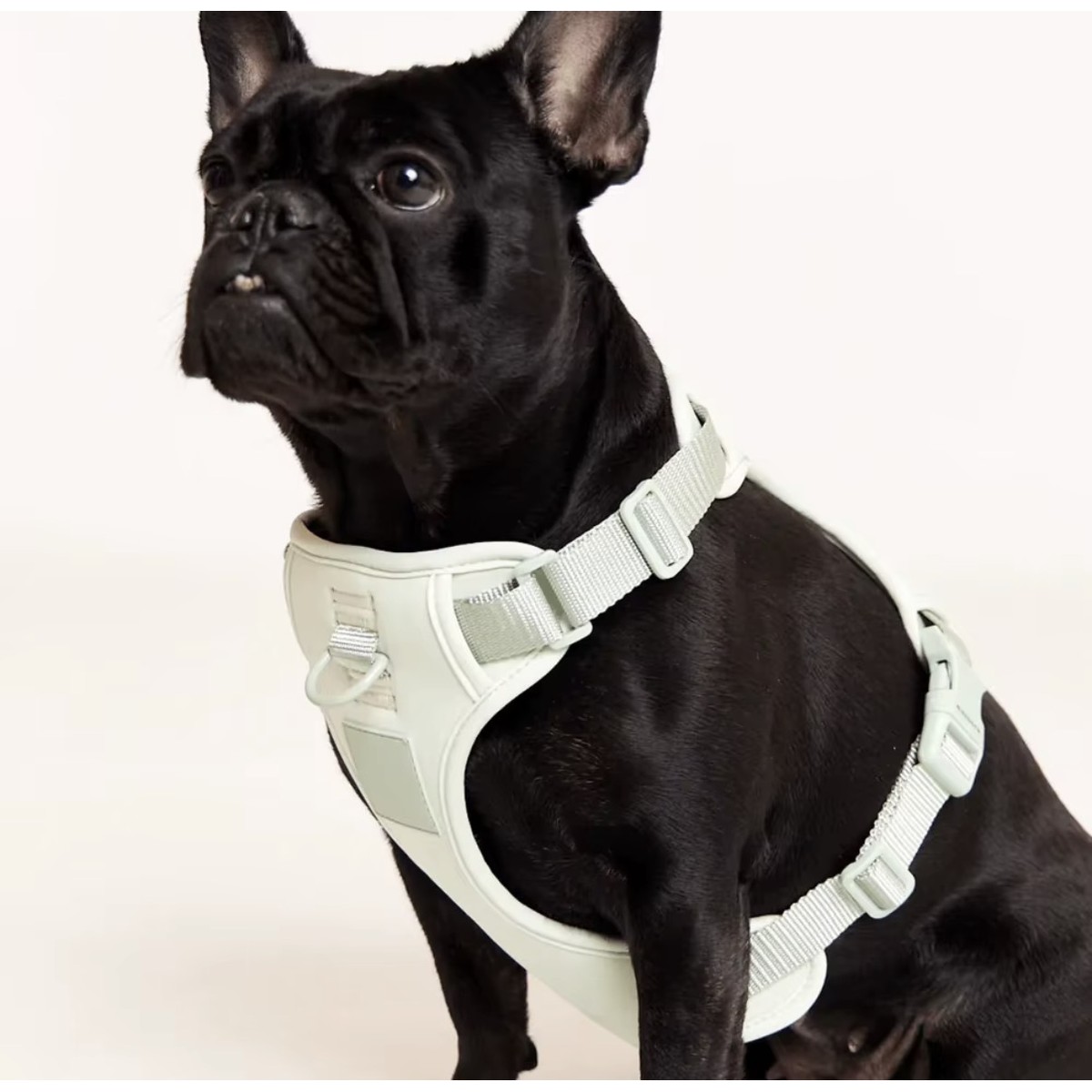
Accessory
Adjustable Harness (S/M/L)
Fully adjustable chest and girth straps — no fixed sizing.
Fits any dog

Pawpoint on YouTube
Watch the full Sussex Spaniel video
Breed deep-dives, history and honest ownership talk. New film every week.
Watch now