
Swedish Elkhound
SWEE-dish ELK-hound
Sweden· Northern and central Sweden
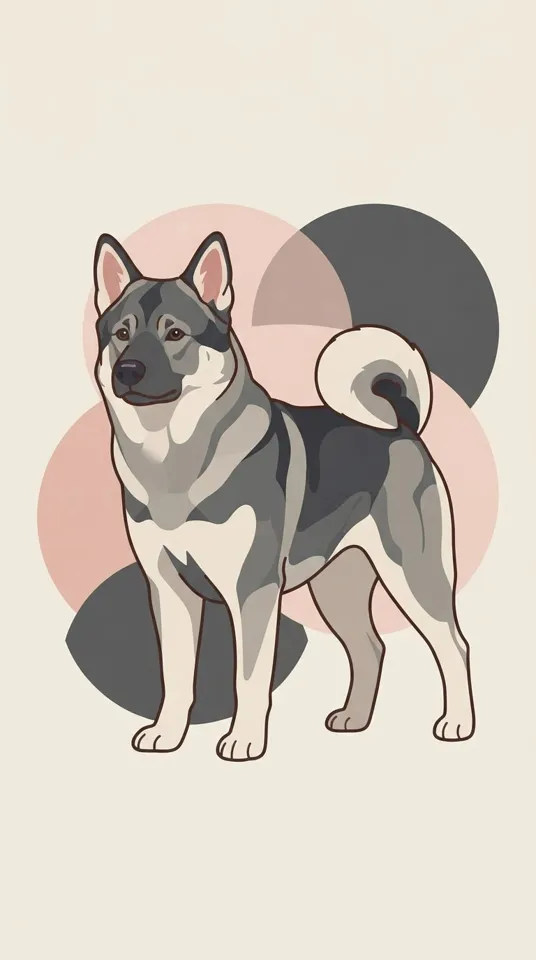
The Swedish Elkhound, known in its homeland as the Jamthund, is a large spitz breed developed in northern Sweden to hunt moose and other big game.
At a glance
Quick facts
- Size
- Large
- Exercise needs
- 1-2 hours per day
- Home size suited to
- Medium or larger
- Grooming frequency
- Weekly brush, more when shedding
- Coat length
- Medium, double coat
- Sheds
- Yes, heavily seasonally
- Lifespan
- 12-13 years
- Town or country
- Prefers rural, active life
- Garden size needed
- Medium or larger, fenced
Where it comes from
Origins of the Swedish Elkhound
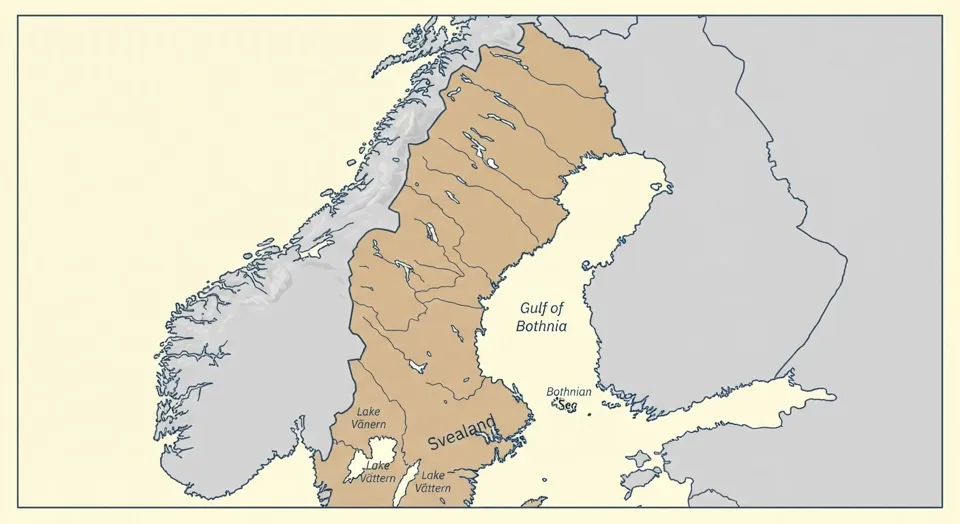
Also known as the Jamthund, this breed developed in the dense forests of northern Sweden where hunters needed a dog with the stamina and courage to track moose over long distances and hold them at bay with loud, persistent barking until the hunter arrived. Its size and boldness set it apart from smaller Nordic hunting spitzes.
- Region
- Northern and central Sweden
- Climate it was bred for
- Cold, forested subarctic and boreal climate
- Original job
- Hunting moose (elk) and other large game by baying and holding at a distance
The long read
About the breed
Its moose-hunting role required great stamina, a loud, carrying voice and the confidence to bay large, dangerous quarry at a safe distance, traits still evident in the breed today.
At home it is calm and even-tempered with family, generally good with children, though it retains a strong, independent streak and benefits from an experienced, active owner.
Today it remains primarily a Scandinavian breed, valued both as a hunting dog and steady family companion, but it is still rare outside Sweden and Norway.
Living with one
Temperament & needs
Our own ratings, based on the breed standard and how these dogs behave in ordinary homes.
Friendliness
3/5
How openly the Swedish Elkhound greets people it does not know.
Trainability
3/5
How readily the breed takes to training in an ordinary home.
Energy
3/5
How much daily exercise and stimulation the breed expects.
Barking
3/5
How vocal the breed tends to be day to day.
Grooming
3/5
How much coat work the breed needs to stay comfortable.
Suits a first-time owner
3/5
How forgiving the Swedish Elkhound is for someone taking on their first dog.
Illustrated breed standard
The points of the breed
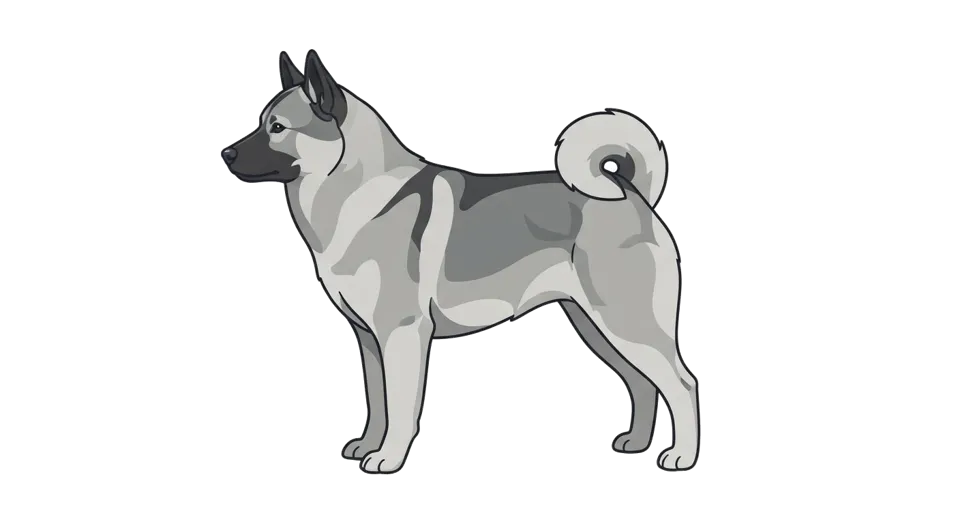
Hover or tap a numbered point to read what the standard asks for.
Point 1
Skull
The Swedish Elkhound's skull is judged on balance rather than size — proportionate to the body, with a clean cheek and a stop typical of the breed. Coarseness or an over-refined head are both faulted.
Timeline
History & development
1500s
Moose-hunting origins
Developed in the forests of Jamtland and northern Sweden to hunt moose by baying.
1946
Breed standard
The Jamthund was formally recognised as a breed distinct from the Norwegian Elkhound.
1954
National breed status
It was declared Sweden's national dog breed.
1980s
FCI recognition
The breed gained wider international recognition through the FCI.
2000s
Companion role grows
Increasing numbers were kept purely as family companions alongside working use.
Reference
Breed standard summary
- body
- Rectangular and strongly built with a deep chest and level back.
- coat
- Dense, harsh double coat, longer around the neck and tail.
- ears
- Erect, medium-sized and highly mobile.
- eyes
- Brown, medium-sized and lively.
- head
- Broad and slightly wedge-shaped with a moderate stop.
- size
- Dogs about 58-63cm, bitches about 53-58cm
- colour
- Various shades of grey with lighter markings.
- temperament
- Calm, confident and courageous, loyal to family and steady in temperament.
- general appearance
- Large, powerful spitz with a solid, rectangular build and a bold, confident bearing.
Health
What to screen for
Green means little to worry about, amber means ask the breeder for test results, red means manage it actively.
General information only — always speak to your vet about your own dog.
From real owners
Swedish Elkhounds in the PAWPOINT Pack
Swedish Elkhounds added by PawPoint members through their pet passports. Share yours to appear here.
Loading the wall…
Made for the Swedish Elkhound
The book, plus hoodies, tees and mugs featuring the Swedish Elkhound.