
Tibetan Spaniel
ti-BET-uhn SPAN-yuhl
China· Tibetan plateau, monasteries
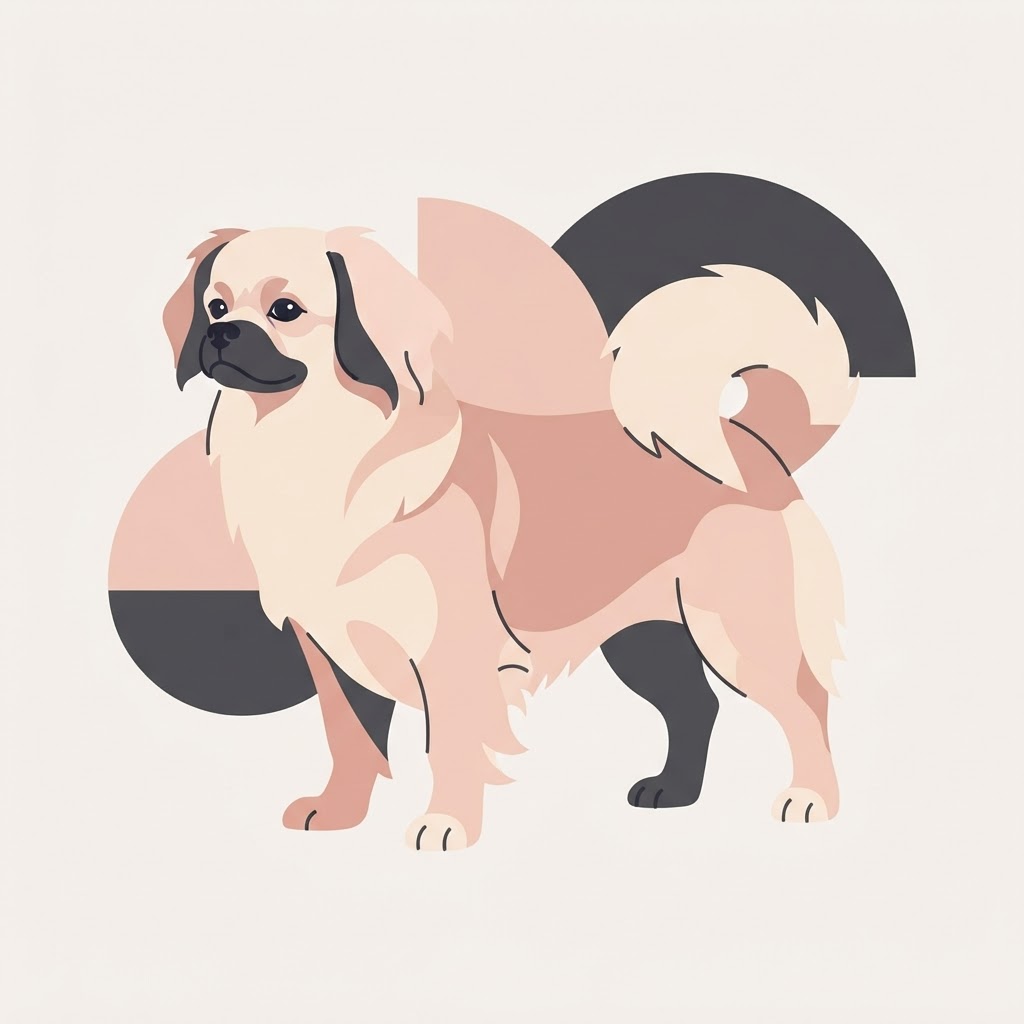
The Tibetan Spaniel is a small, self-possessed companion breed from the monasteries of Tibet, bred not for lap-sitting but for keeping watch from raised vantage points such as walls and rooftops.
At a glance
Quick facts
Size
Small
Exercise needs
30-40 minutes a day
Home size suited to
Flat or small home
Grooming frequency
Daily brushing
Coat length
Long
Sheds
Yes, heavily when moulting
Lifespan
12-15 years
Town or country
Either, happy in town
Garden size needed
Small garden or none
Where it comes from
Origins of the Tibetan Spaniel
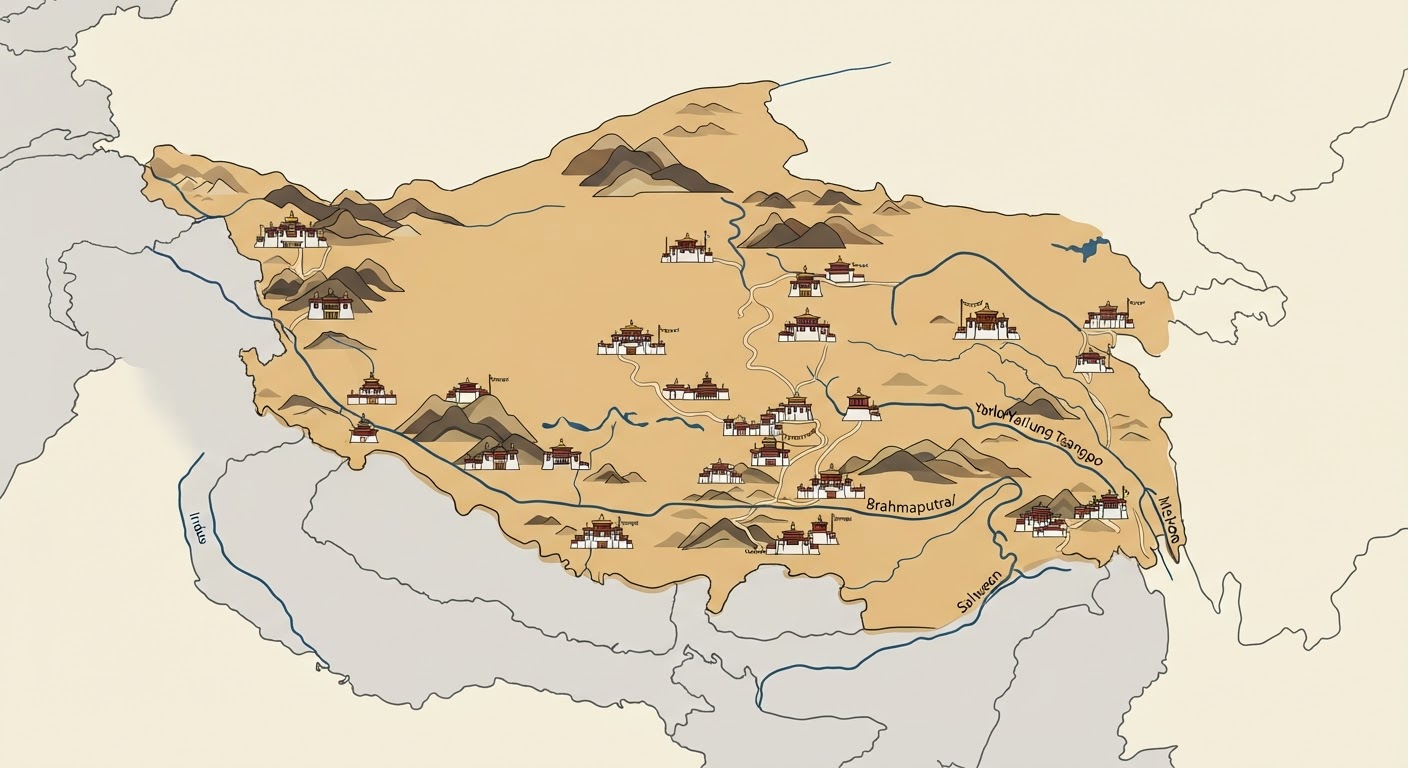
Kept in Tibetan monasteries for centuries, perched on walls and gateways to watch for visitors long before larger guard dogs reacted. Trade along Silk Road routes carried the breed into China well before it reached the West.
- Region
- Tibetan plateau, monasteries
- Climate it was bred for
- High-altitude, cold and dry
- Original job
- Watchdog and monastery companion
The long read
About the breed
Monks kept these little dogs in monasteries across Tibet for centuries, and legend holds they were used to turn prayer wheels, though their real value was as alert little watchdogs that would perch on walls and gates to spot approaching visitors long before the resident Tibetan Mastiffs needed to react. They were traded and given as diplomatic gifts along Silk Road trade routes, spreading into China and occasionally further afield well before any organised Western breeding began.
Living with a Tibetan Spaniel suits someone wanting an independent, dignified small dog rather than a clingy lapdog. It is affectionate with its own household but can be reserved with strangers and is notably more self-reliant in outlook than many toy breeds, a trait that traces directly back to its watchdog role. It is generally healthy, adaptable to town or country life, and content with modest exercise, though it retains a stubborn streak and a habit of choosing its own high vantage point on the sofa back or windowsill. The silky double coat needs a weekly brush rather than daily grooming.
The breed reached Britain and the United States only in the twentieth century, mostly through dogs brought out of Tibet and China by travellers and missionaries, and it remains a modest but steady presence in the show ring rather than a fashionable pet. It suits owners who want a small, low-maintenance companion with genuine character and no interest in constant fuss.
Living with one
Temperament & needs
Our own ratings, based on the breed standard and how these dogs behave in ordinary homes.
Friendliness
3/5
How openly the Tibetan Spaniel greets people it does not know.
Trainability
3/5
Intelligent but independent, not eager to please for its own sake.
Energy
2/5
Content with modest daily walks and time to observe from a perch.
Barking
2/5
Alert rather than yappy, will announce visitors.
Grooming
2/5
Weekly brushing keeps the silky double coat tidy.
Suits a first-time owner
3/5
How forgiving the Tibetan Spaniel is for someone taking on their first dog.
Sociability
3/5
Affectionate at home, reserved with unfamiliar people.
Independence
4/5
Self-reliant outlook inherited from its watchdog role.
Illustrated breed standard
The points of the breed
Hover or tap a numbered point to read what the standard asks for.
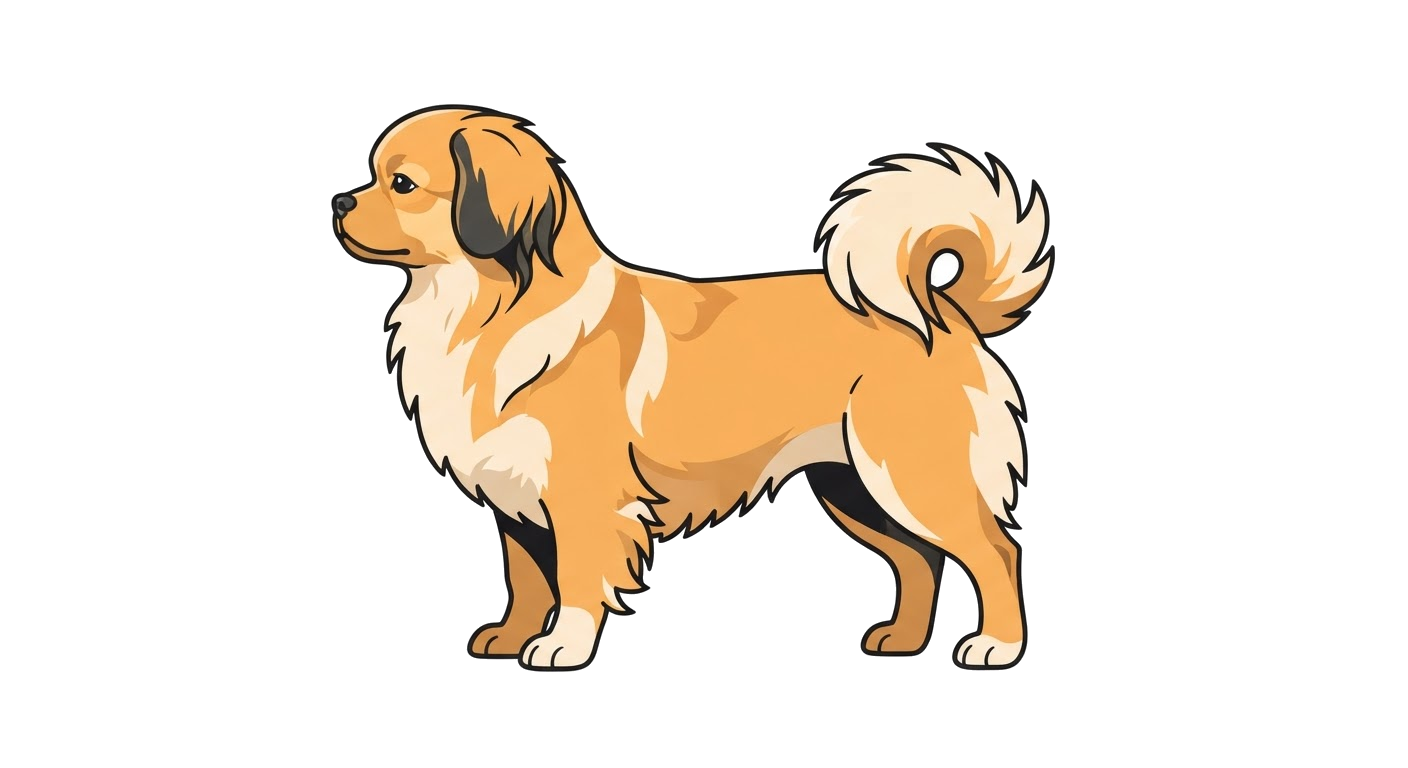
Point 1
Skull
The Tibetan Spaniel's skull is judged on balance rather than size — proportionate to the body, with a clean cheek and a stop typical of the breed. Coarseness or an over-refined head are both faulted.
Colours & patterns
Recognised coats
Which coats the standard accepts — and which are simply popular.
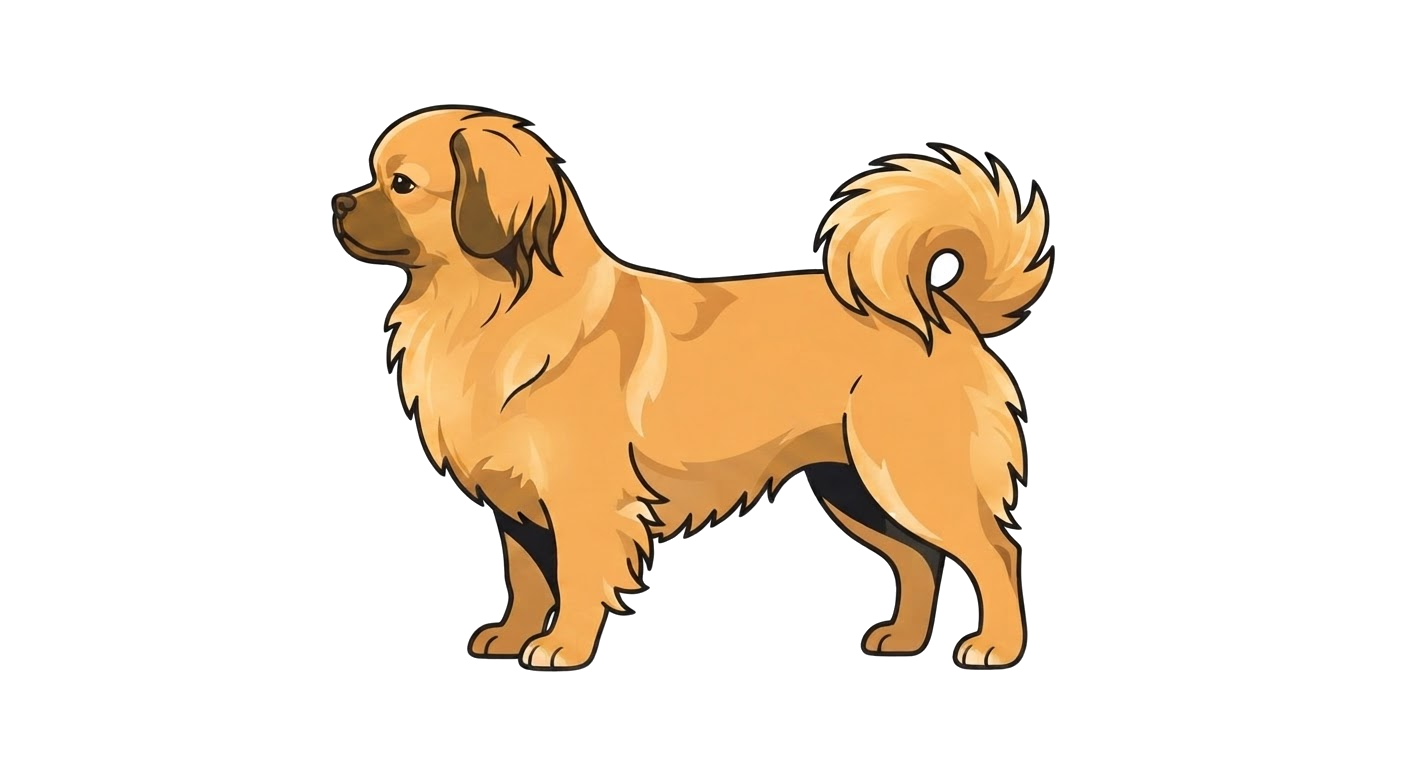
Golden
Standard colour
A common and popular shade in the breed.
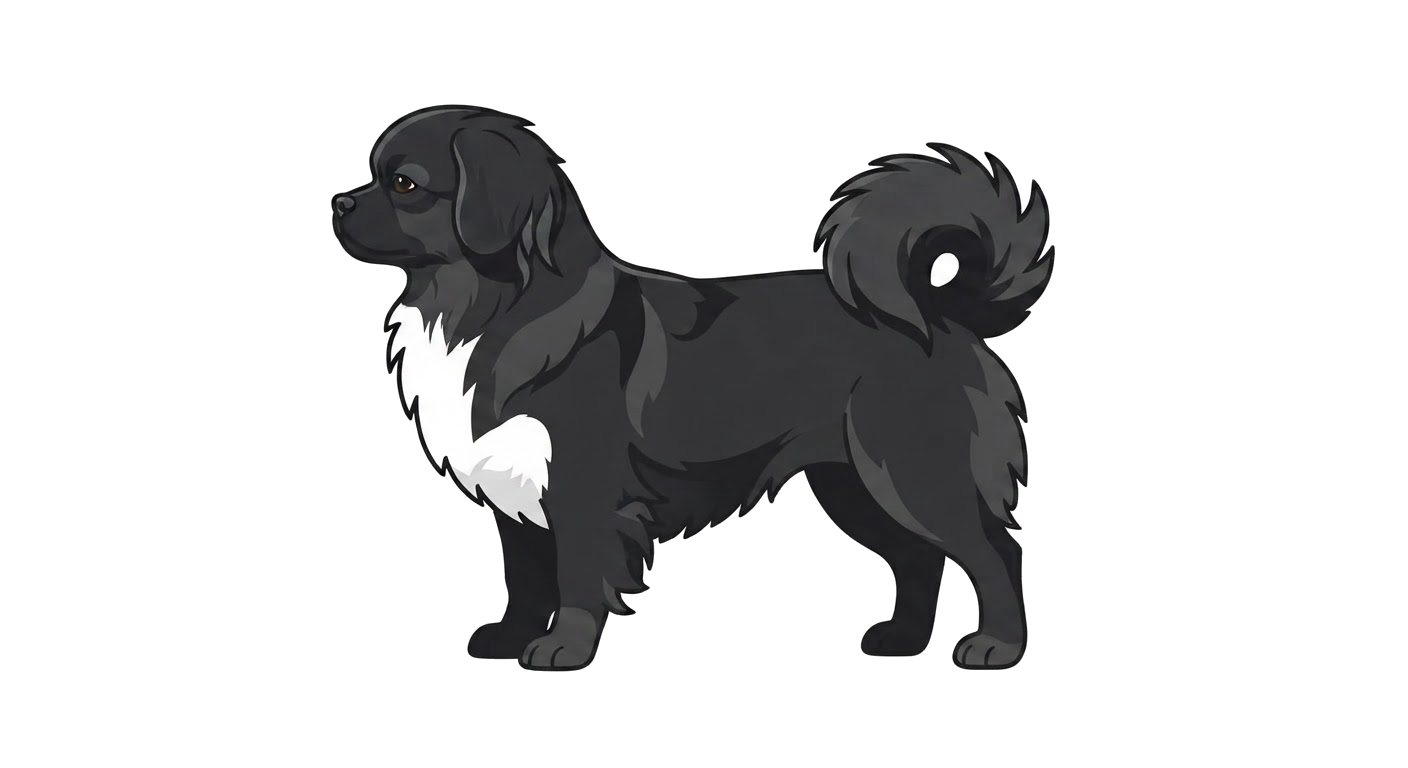
Black
Standard colour
Solid black, sometimes with tan points.
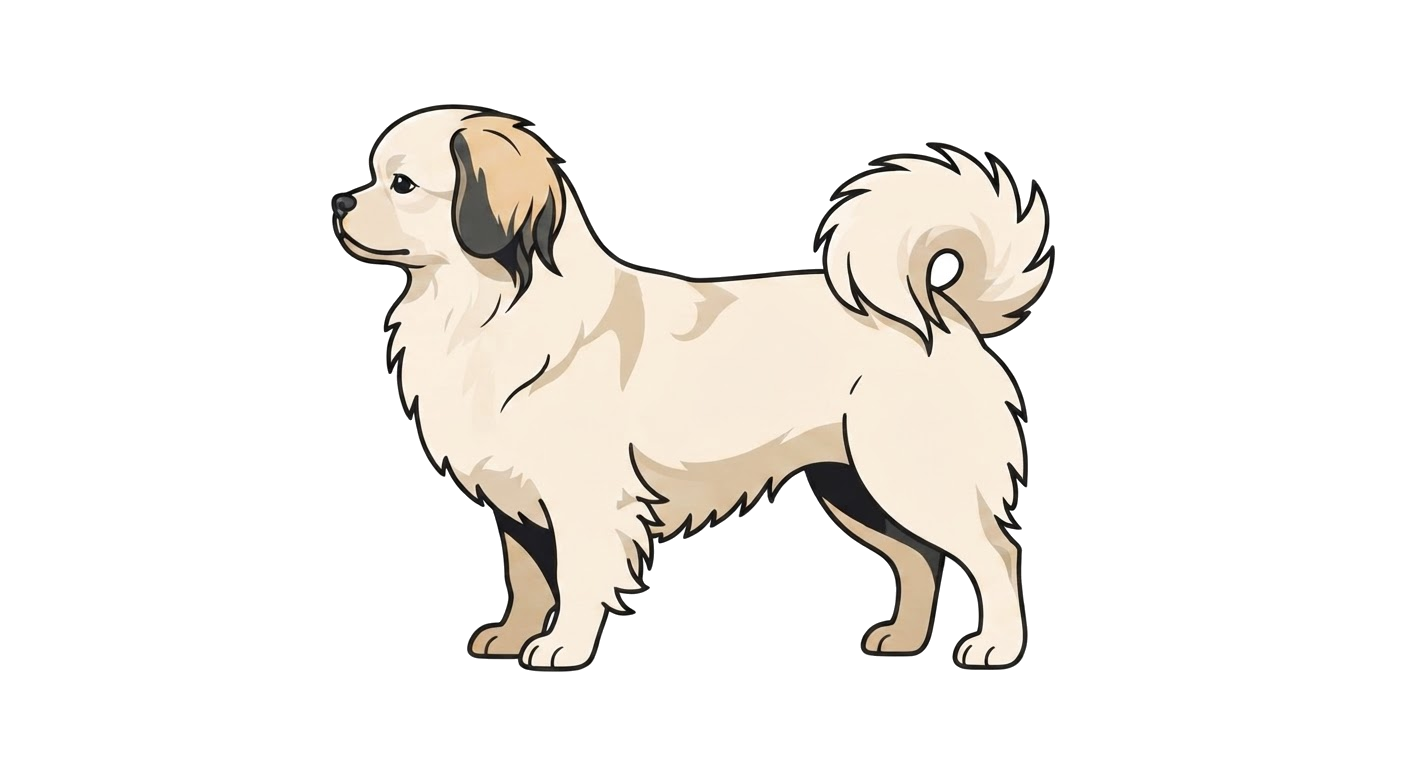
Cream
Standard colour
Pale cream, often with darker shading on the face.
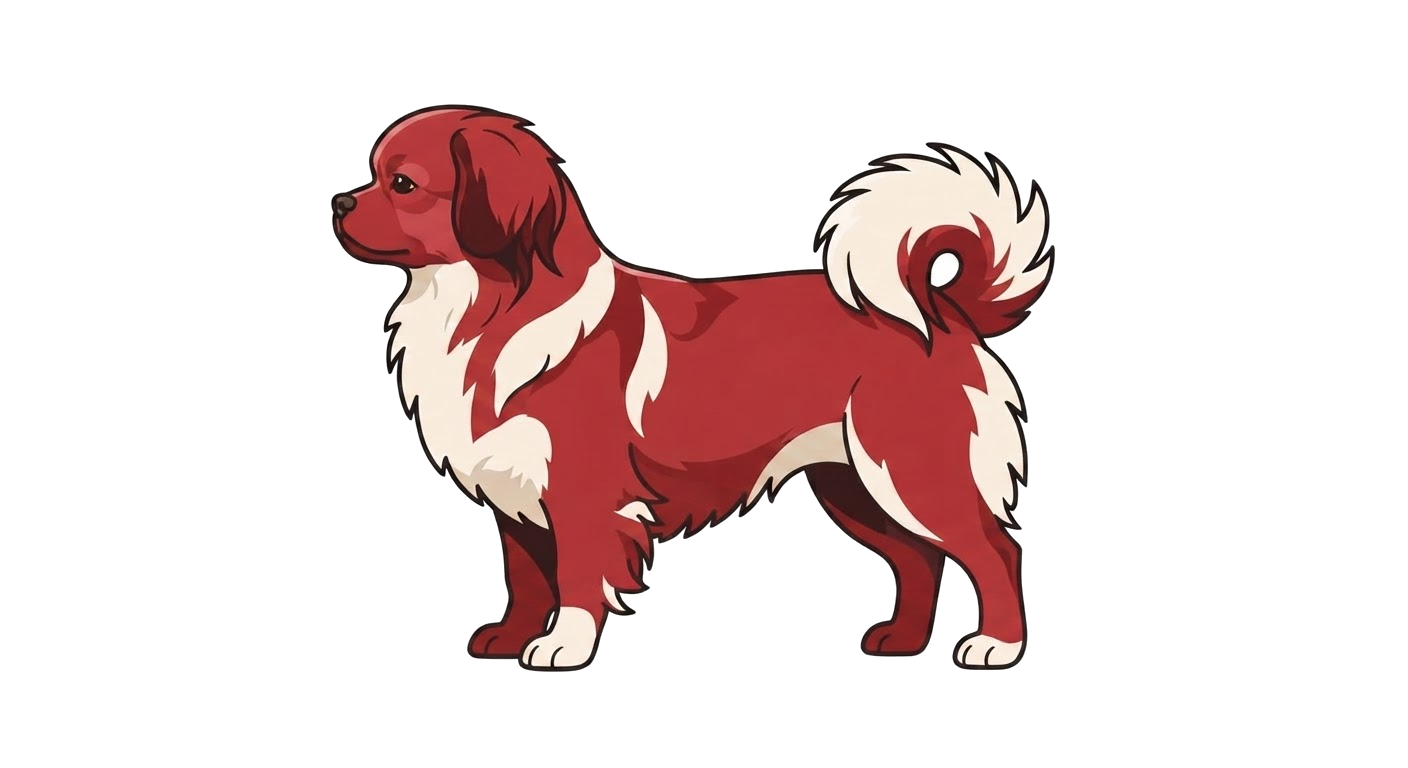
Red
Standard colour
Rich chestnut-red, accepted in any combination.
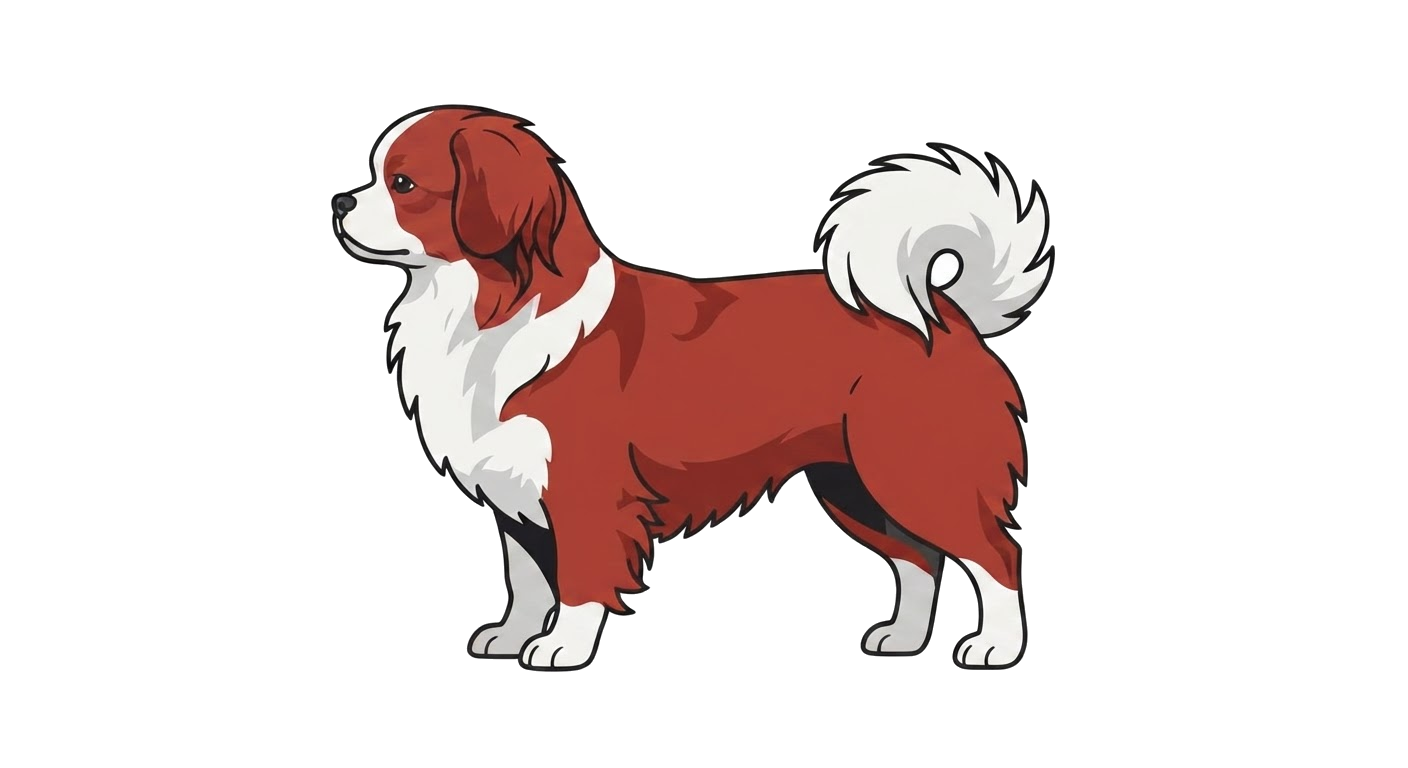
White markings
Standard colour
Small white markings are permitted on the chest and toes.
Timeline
History & development
Centuries past
Monastery watchdogs
Tibetan monks kept small alert dogs on monastery walls and gates, valuing their keen sight and hearing.
1900s
Trade and gift routes
Dogs were exchanged as gifts along trade routes into China, spreading the type beyond Tibet.
1920s-1940s
First Western imports
Travellers and diplomats brought small numbers of Tibetan Spaniels to Britain.
1960
Formal breed club
A UK breed club was founded to establish a standard for the growing Western population.
1983
AKC recognition
The American Kennel Club admitted the Tibetan Spaniel to its Non-Sporting Group.
Reference
Breed standard summary
- body
- Slightly longer than tall, level topline, well ribbed.
- coat
- Silky double coat, smooth on the face, longer on the body.
- ears
- Medium, pendant, well feathered, set fairly high.
- eyes
- Dark brown, oval, medium-sized, expressive.
- gait
- Free, straight and quite fast for the size of the dog.
- head
- Small in proportion to the body, with a domed skull.
- size
- Small, sturdy for its size, never coarse.
- tail
- Set high, richly plumed, carried in a curl over the back.
- colour
- Golden, Black, Cream, Red, White markings. Colours outside this list are seen but are not accepted by the kennel clubs.
- temperament
- Typical of the breed: strongest in independence, trainability, sociability. Nervousness or aggression are serious faults in the show ring and in the home.
- general appearance
- Small, active and alert, slightly longer than tall.
Health
What to screen for
Green means little to worry about, amber means ask the breeder for test results, red means manage it actively.
Progressive retinal atrophy
Screen for it
Ask for eye clearance certificates from a breeder before buying.
Patellar luxation
Screen for it
Request a veterinary check of the knees in both parents.
Portosystemic shunt
Watch closely
A known but uncommon issue; ask the breeder if they screen for it.
General information only — always speak to your vet about your own dog.
From real owners
Dogs like this
Tibetan Spaniels added by PawPoint members through their pet passports. Share yours to appear here.
Loading the wall…
Made for the Tibetan Spaniel
The book, plus prints, hoodies and mugs using our own Tibetan Spaniel illustration — and one everyday accessory that suits any dog.

The book
Pawpoint: The Complete Dog Breed Book
Every officially recognised breed plus the unofficial ones nobody else documents. 400+ pages, hardback, printed and shipped from the UK.
Own stock — shipped by us
Framed poster
Tibetan Spaniel Framed Poster
Museum-weight print of our Tibetan Spaniel illustration, framed or unframed.
Printed to order
Hoodie
Tibetan Spaniel Hoodie
Heavyweight hoodie carrying the Tibetan Spaniel illustration on the chest.
Printed to order
Mug
Tibetan Spaniel Mug
Ceramic mug with the Tibetan Spaniel illustration wrapped around it.
Printed to order
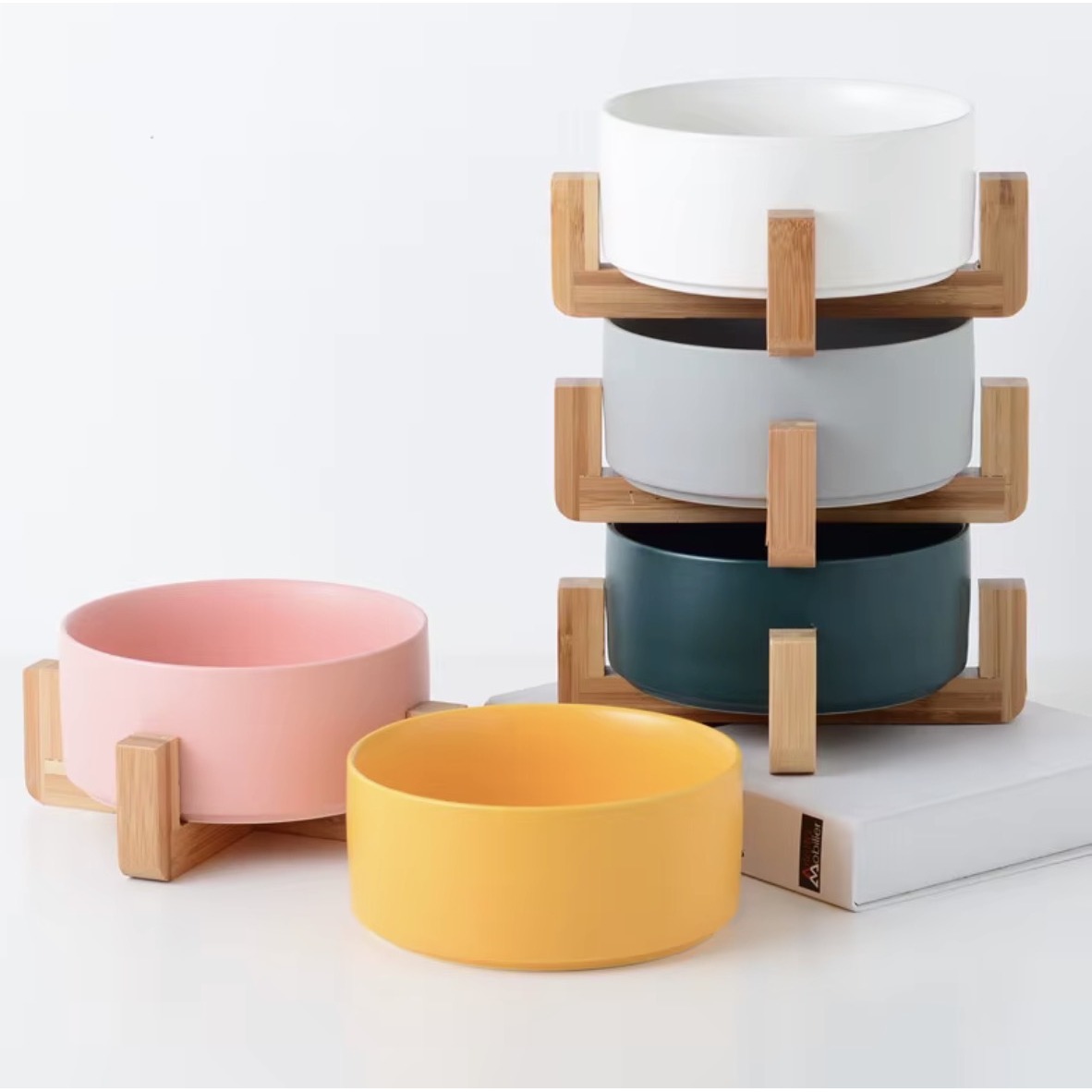
Accessory
Stainless Dog Bowl
Weighted, non-slip base. Dishwasher safe.
Fits any dog
Pawpoint on YouTube
Watch the full Tibetan Spaniel video
Breed deep-dives, history and honest ownership talk. New film every week.
Watch now