
Tibetan Terrier
ti-BET-uhn TER-ee-uhr
China· Tibetan plateau
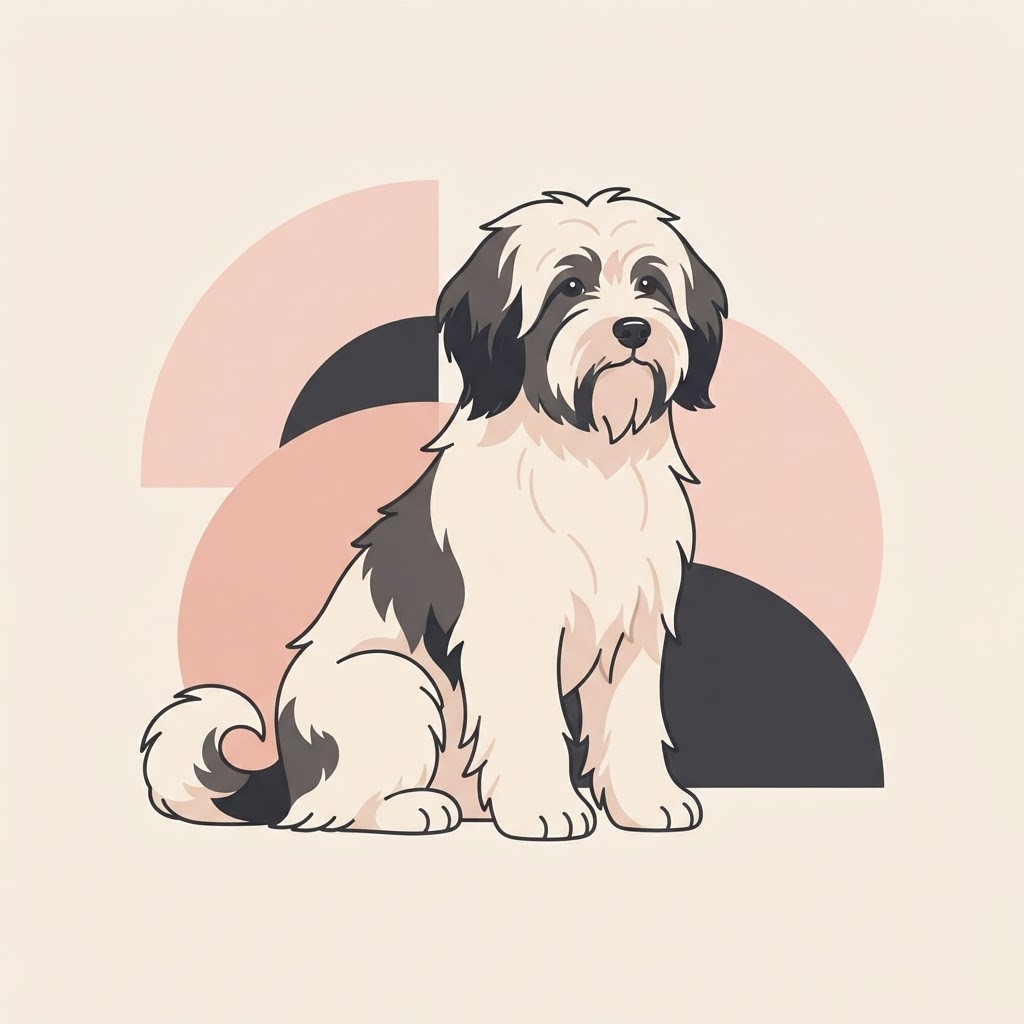
The Tibetan Terrier is a medium-sized, shaggy-coated companion breed from Tibet, historically kept as a good-luck charm and general farm dog rather than as a working terrier in the European sense.
At a glance
Quick facts
Size
Medium
Exercise needs
45-60 minutes a day
Home size suited to
Medium to large home
Grooming frequency
Brush every other day, clip regularly
Coat length
Curly
Sheds
Very little
Lifespan
12-15 years
Town or country
Either, happy in town
Garden size needed
Medium or larger
Where it comes from
Origins of the Tibetan Terrier
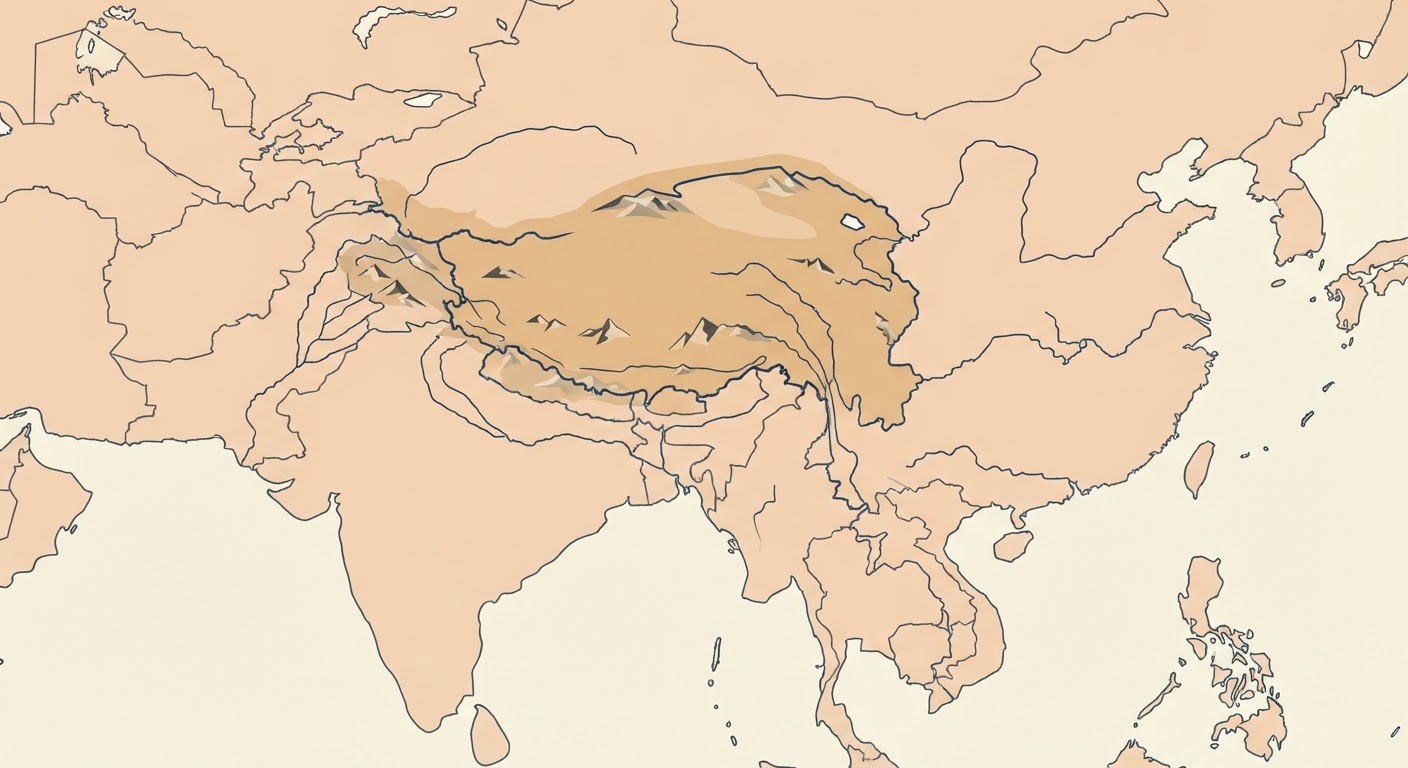
Bred by Tibetan farmers and monasteries as an all-purpose companion able to cross rocky, snow-covered terrain on broad, flat feet. Traditionally never sold, only given as gifts thought to bring good luck.
- Region
- Tibetan plateau
- Climate it was bred for
- High-altitude, cold, rocky and snowbound
- Original job
- Companion, herding aid and watchdog
The long read
About the breed
Despite the name it is not a terrier at all and was never bred to go to ground; early Western travellers simply called it a terrier because of its size. Tibetan families and monasteries bred it for centuries as an all-purpose companion and occasional herder, valuing its steady, watchful nature and its ability to move easily over rough, rocky, snow-covered ground on broad, snowshoe-like feet, and dogs were traditionally never sold, only given as gifts believed to bring good fortune.
Living with a Tibetan Terrier suits a family wanting a medium-sized, affectionate dog with a genuine working history behind its shaggy appearance. It is playful and bonds closely with its people, tends to be wary of strangers until properly introduced, and retains enough independence to think for itself rather than simply obey. Its long double coat needs serious, consistent brushing to prevent matting, and many pet owners choose to keep it clipped shorter than the flowing show coat. It is an agile, athletic dog underneath the hair and enjoys real exercise rather than just gentle strolls.
The breed reached the West in the 1920s through Dr Agnes Greig, a doctor working in India who was given a Tibetan Terrier as a gift and went on to establish a breeding kennel. It remains a moderately popular companion breed today, valued for combining a distinctive, engaging look with a genuinely sound, sturdy temperament.
Living with one
Temperament & needs
Our own ratings, based on the breed standard and how these dogs behave in ordinary homes.
Friendliness
3/5
How openly the Tibetan Terrier greets people it does not know.
Trainability
3/5
Intelligent but independent, responds best to patient, reward-based training.
Energy
3/5
Athletic and enjoys real exercise, not just gentle walks.
Barking
3/5
Will alert bark but not constantly noisy.
Grooming
5/5
Long double coat needs frequent, thorough brushing.
Suits a first-time owner
3/5
How forgiving the Tibetan Terrier is for someone taking on their first dog.
Sociability
3/5
Loyal to family, wary of strangers until introduced.
Independence
3/5
Thinks for itself, a trait from its farm-dog past.
Illustrated breed standard
The points of the breed
Hover or tap a numbered point to read what the standard asks for.
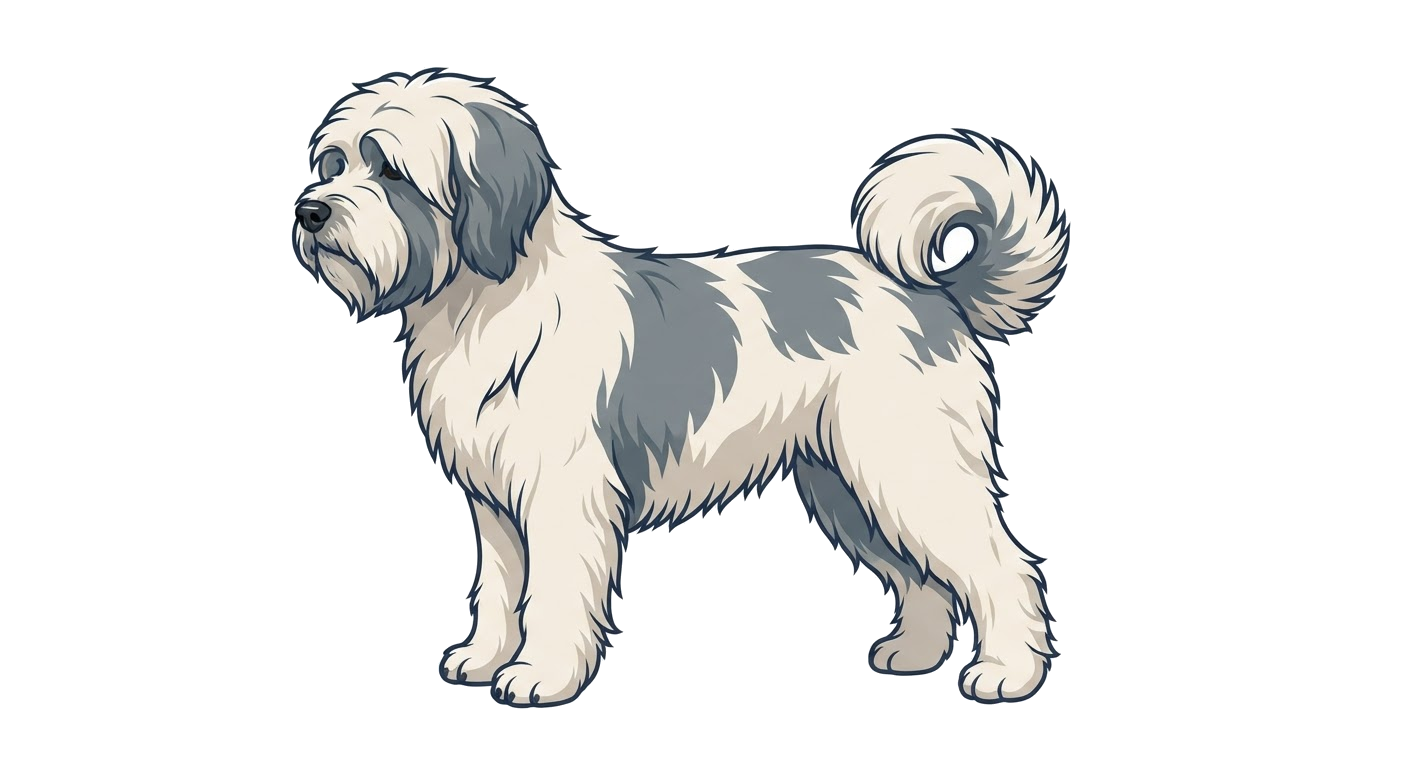
Point 1
Skull
The Tibetan Terrier's skull is judged on balance rather than size — proportionate to the body, with a clean cheek and a stop typical of the breed. Coarseness or an over-refined head are both faulted.
Colours & patterns
Recognised coats
Which coats the standard accepts — and which are simply popular.
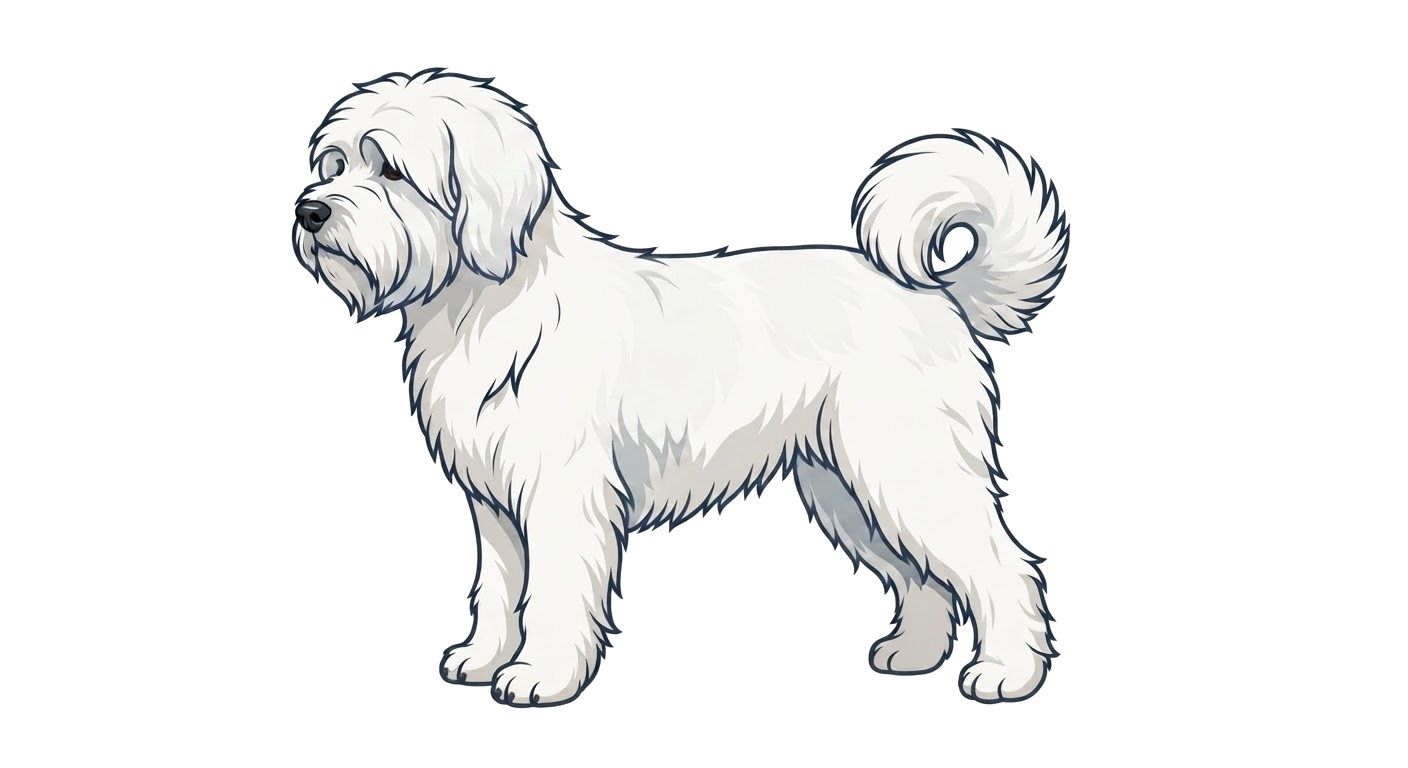
White
Standard colour
Pure white, one of several accepted solid shades.
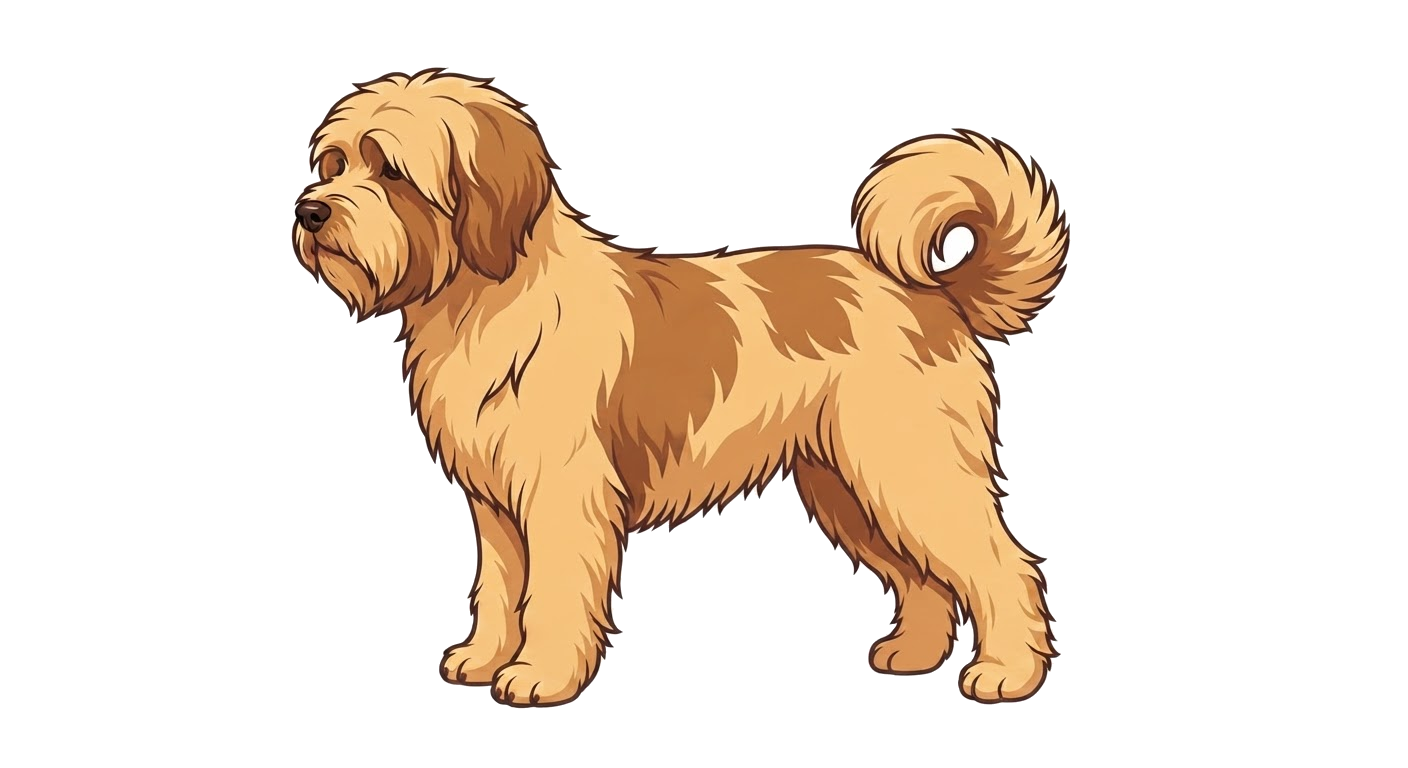
Golden
Standard colour
A common warm gold shade.
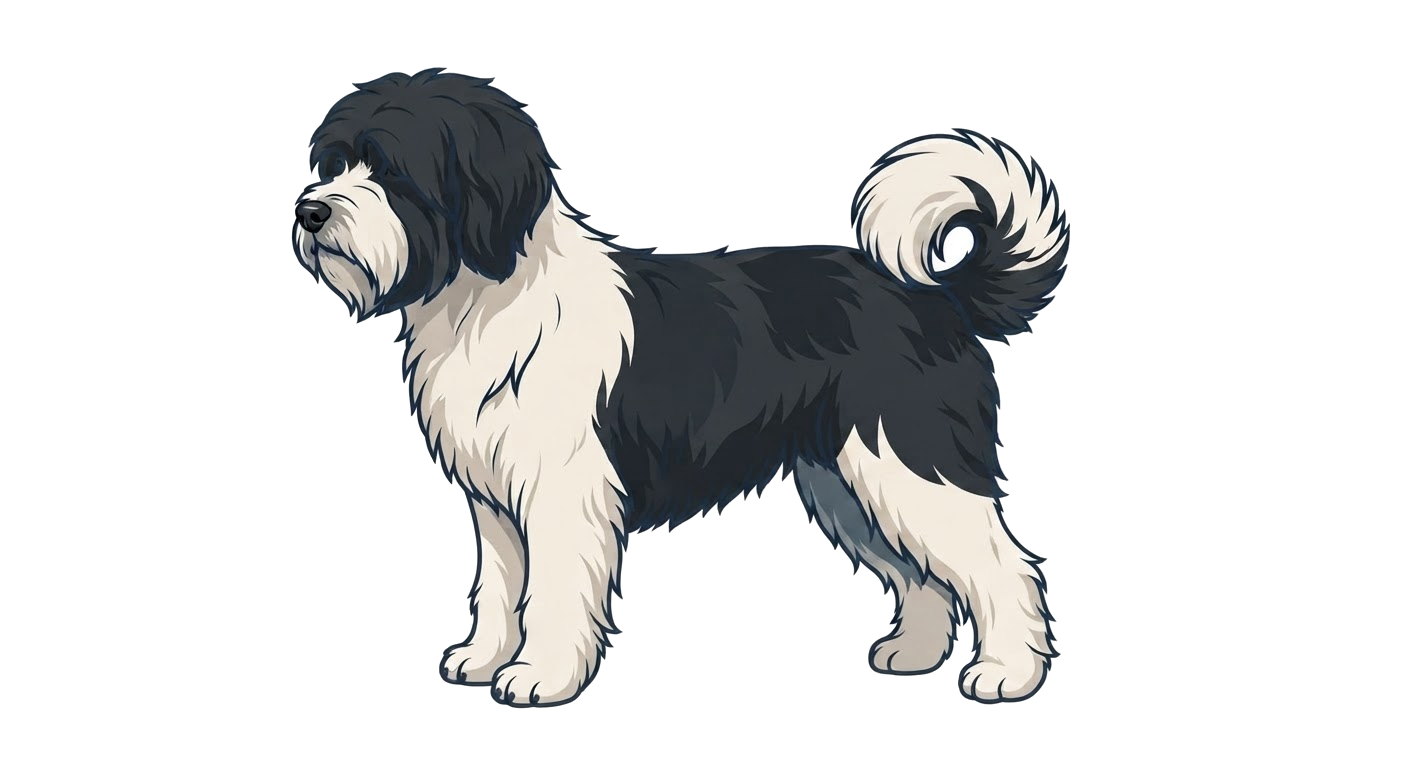
Black
Standard colour
Solid black, sometimes with white markings.
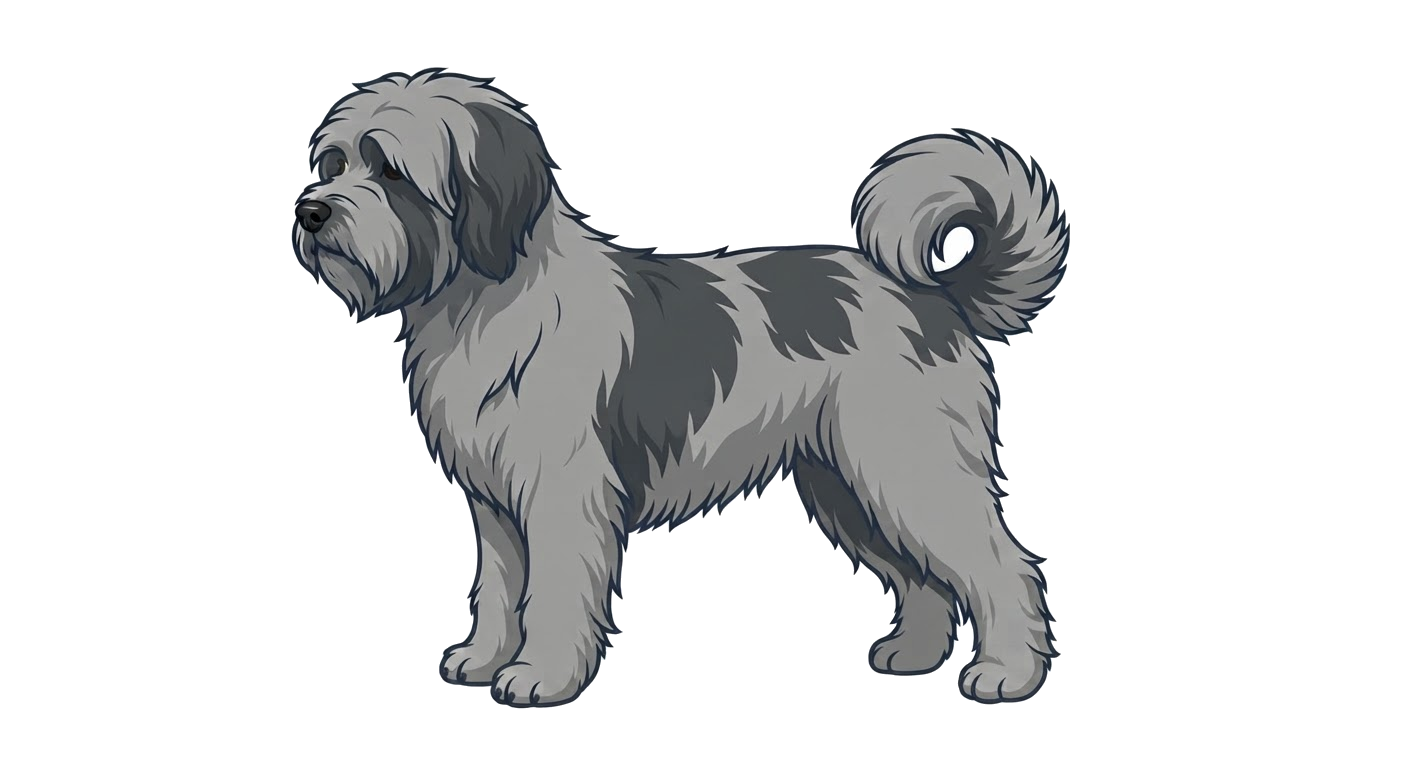
Grey
Standard colour
Ranges from silver to slate grey.
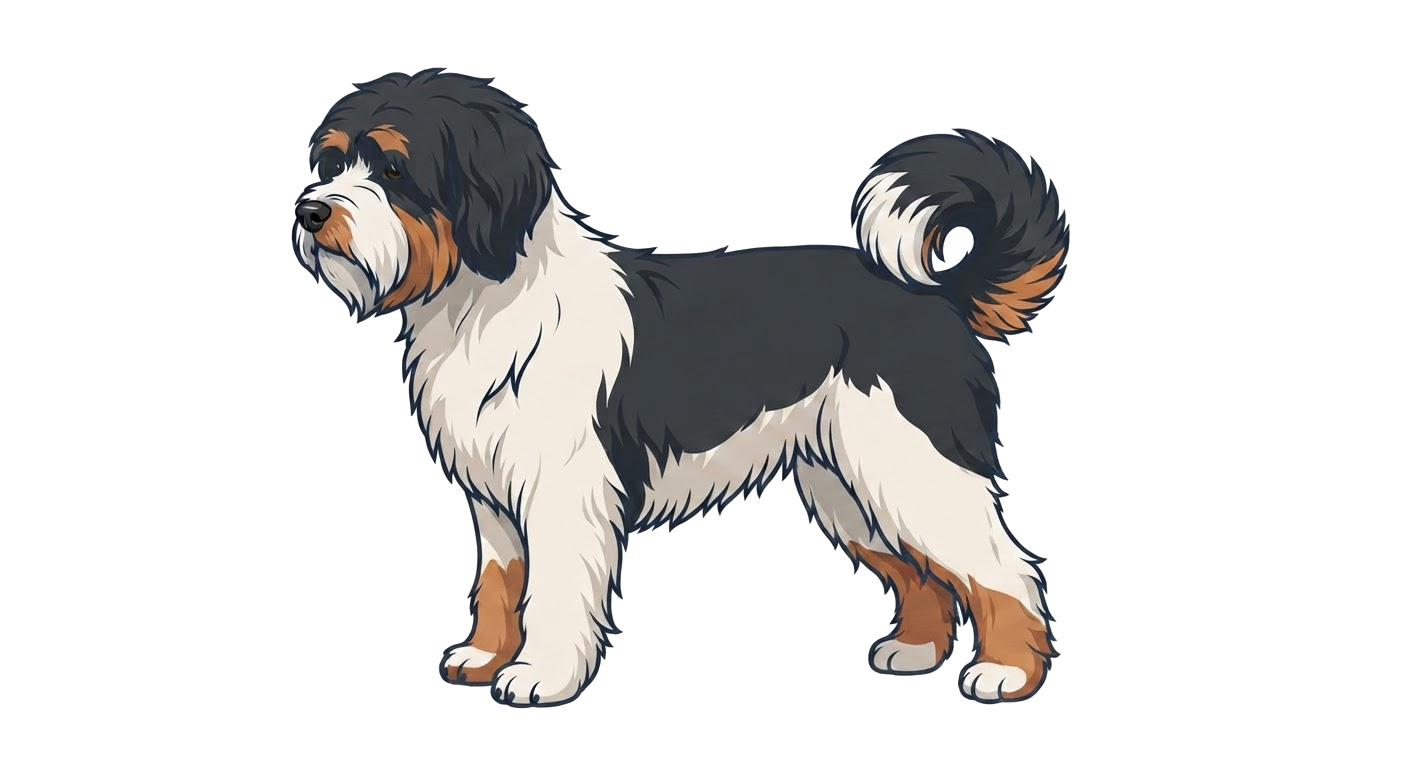
Tricolour
Standard colour
Any combination of colours including white is acceptable in the standard.
Timeline
History & development
Centuries past
Monastery companion
Tibetan Terriers were kept in monasteries and farms across Tibet, prized as good-luck companions rather than working dogs.
1920s
Dr Agnes Greig
A British doctor working in India was given a Tibetan Terrier as a gift and began the first Western breeding kennel.
1937
UK Kennel Club recognition
The breed gained official recognition in Britain.
1956
Arrival in the United States
The first Tibetan Terriers were imported to America, leading to AKC recognition in 1973.
1973
AKC recognition
The American Kennel Club admitted the breed to its Non-Sporting Group.
Reference
Breed standard summary
- body
- Compact and powerful, well muscled, with a level topline.
- coat
- Double coat, fine wool undercoat and long, fine outer coat.
- ears
- Pendant, heavily feathered, hanging close to the head.
- eyes
- Large, dark, set fairly wide apart.
- gait
- Free and effortless, with good drive from the rear.
- head
- Skull medium length, not too broad, with a good fall of hair over the eyes.
- size
- Medium, described as roughly square, with large, flat, snowshoe-like feet.
- tail
- Medium length, well feathered, carried in a curl over the back.
- colour
- White, Golden, Black, Grey, Tricolour. Colours outside this list are seen but are not accepted by the kennel clubs.
- temperament
- Typical of the breed: strongest in grooming, energy, trainability. Nervousness or aggression are serious faults in the show ring and in the home.
- general appearance
- Medium-sized, square in profile, powerful and shaggy-coated.
Health
What to screen for
Green means little to worry about, amber means ask the breeder for test results, red means manage it actively.
Progressive retinal atrophy
Screen for it
Ask for eye clearance certificates on both parents before buying.
Hip dysplasia
Screen for it
Request hip scores where available for the breeding pair.
Lens luxation
Watch closely
A known inherited eye issue; ask the breeder about screening.
Neuronal ceroid lipofuscinosis
Watch closely
A DNA test exists for this inherited condition; ask to see clear or carrier results.
General information only — always speak to your vet about your own dog.
From real owners
Dogs like this
Tibetan Terriers added by PawPoint members through their pet passports. Share yours to appear here.
Loading the wall…
Made for the Tibetan Terrier
The book, plus prints, hoodies and mugs using our own Tibetan Terrier illustration — and one everyday accessory that suits any dog.

The book
Pawpoint: The Complete Dog Breed Book
Every officially recognised breed plus the unofficial ones nobody else documents. 400+ pages, hardback, printed and shipped from the UK.
Own stock — shipped by us
Framed poster
Tibetan Terrier Framed Poster
Museum-weight print of our Tibetan Terrier illustration, framed or unframed.
Printed to order
Hoodie
Tibetan Terrier Hoodie
Heavyweight hoodie carrying the Tibetan Terrier illustration on the chest.
Printed to order
Mug
Tibetan Terrier Mug
Ceramic mug with the Tibetan Terrier illustration wrapped around it.
Printed to order
Accessory
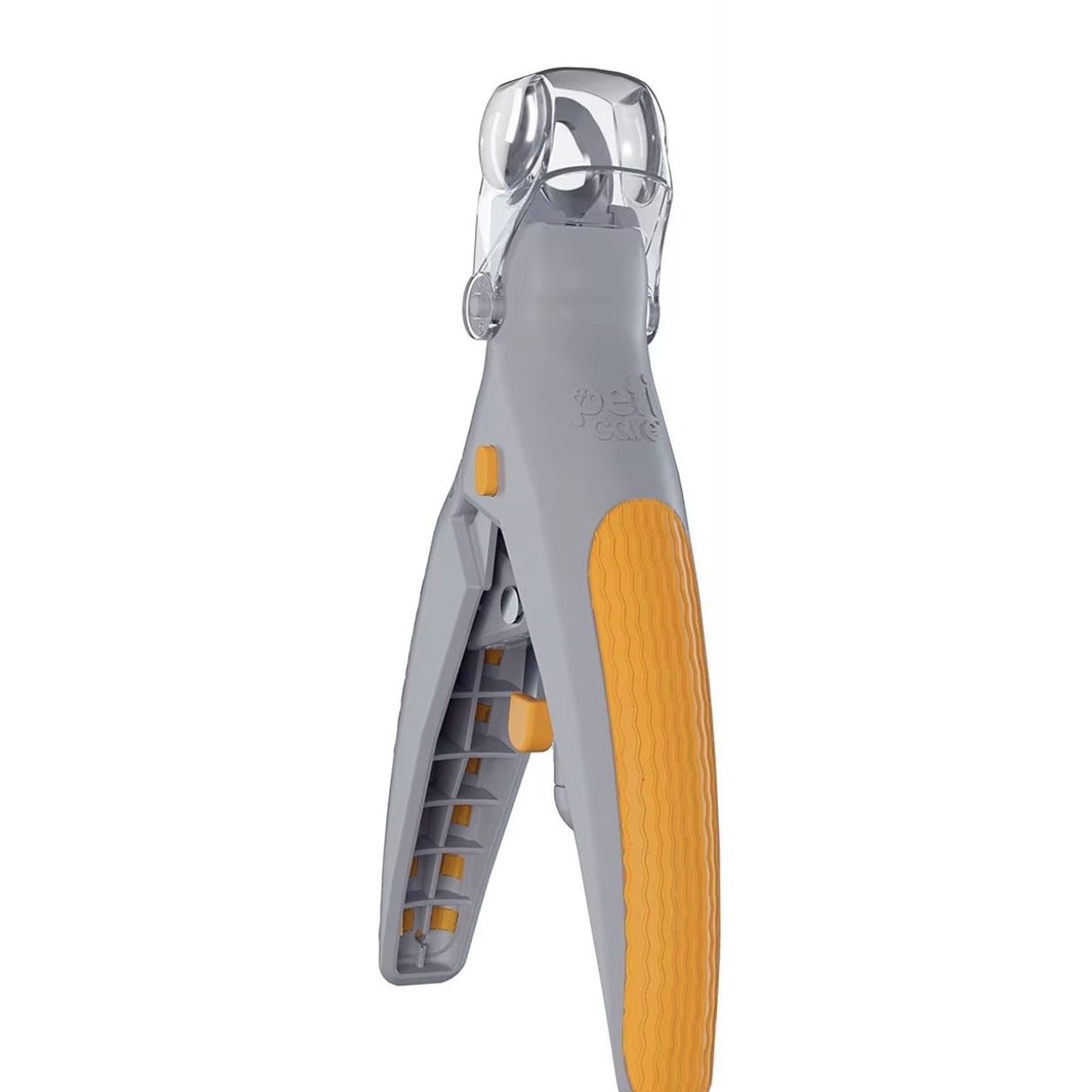
Nail Clippers & Grinder
Safety-guard clippers with a quiet rotary grinder.
Fits any dog
Pawpoint on YouTube
Watch the full Tibetan Terrier video
Breed deep-dives, history and honest ownership talk. New film every week.
Watch now