
Weimaraner
VY-mar-ah-ner
Germany· Weimar, Thuringia
The Weimaraner is a sleek, silver-grey gundog from the German court of Weimar, bred originally as a versatile hunter of large game before becoming one of the most recognisable pointing breeds in the world.
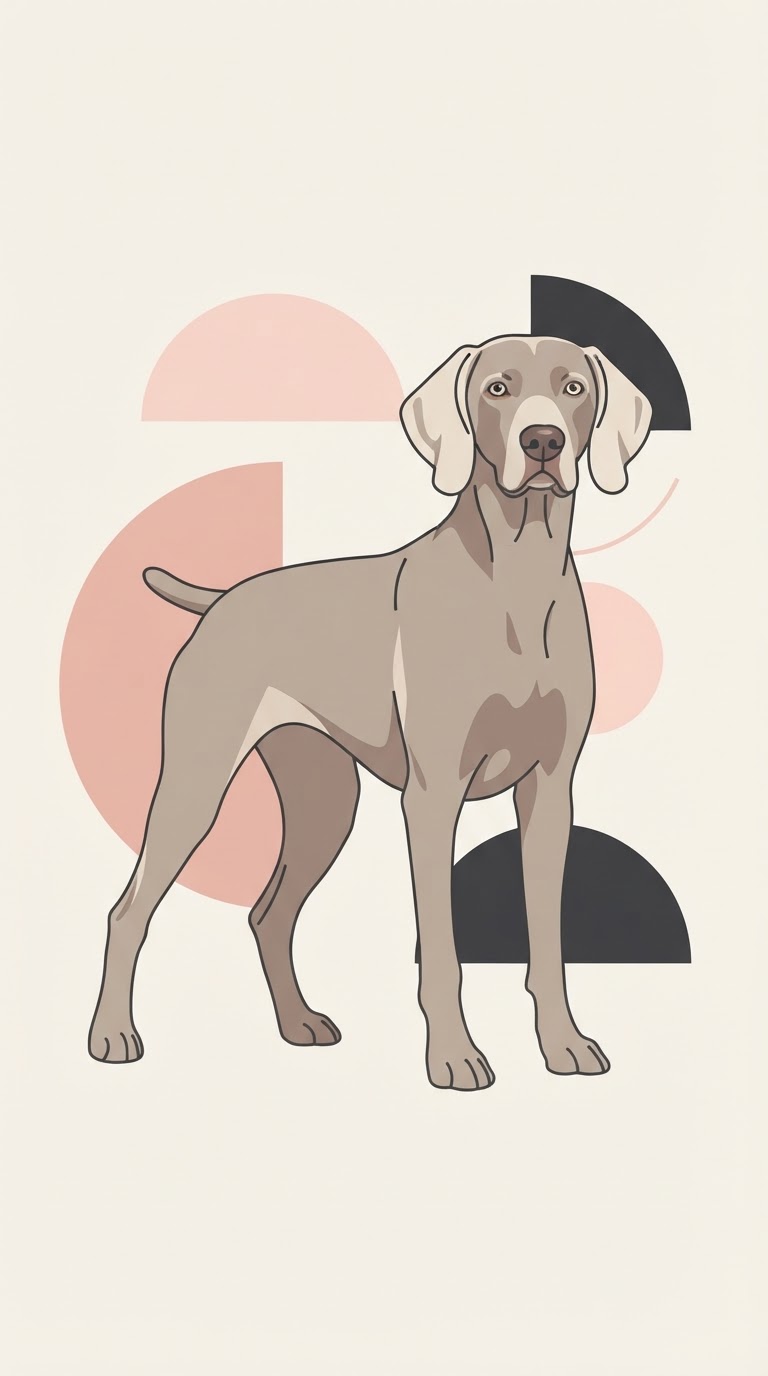
At a glance
Quick facts
Size
Large
Exercise needs
90 minutes or more a day
Home size suited to
Medium to large home
Grooming frequency
Weekly brush
Coat length
Short
Sheds
Yes
Lifespan
10-13 years
Town or country
Either, with enough exercise
Garden size needed
Medium or larger
Where it comes from
Origins of the Weimaraner
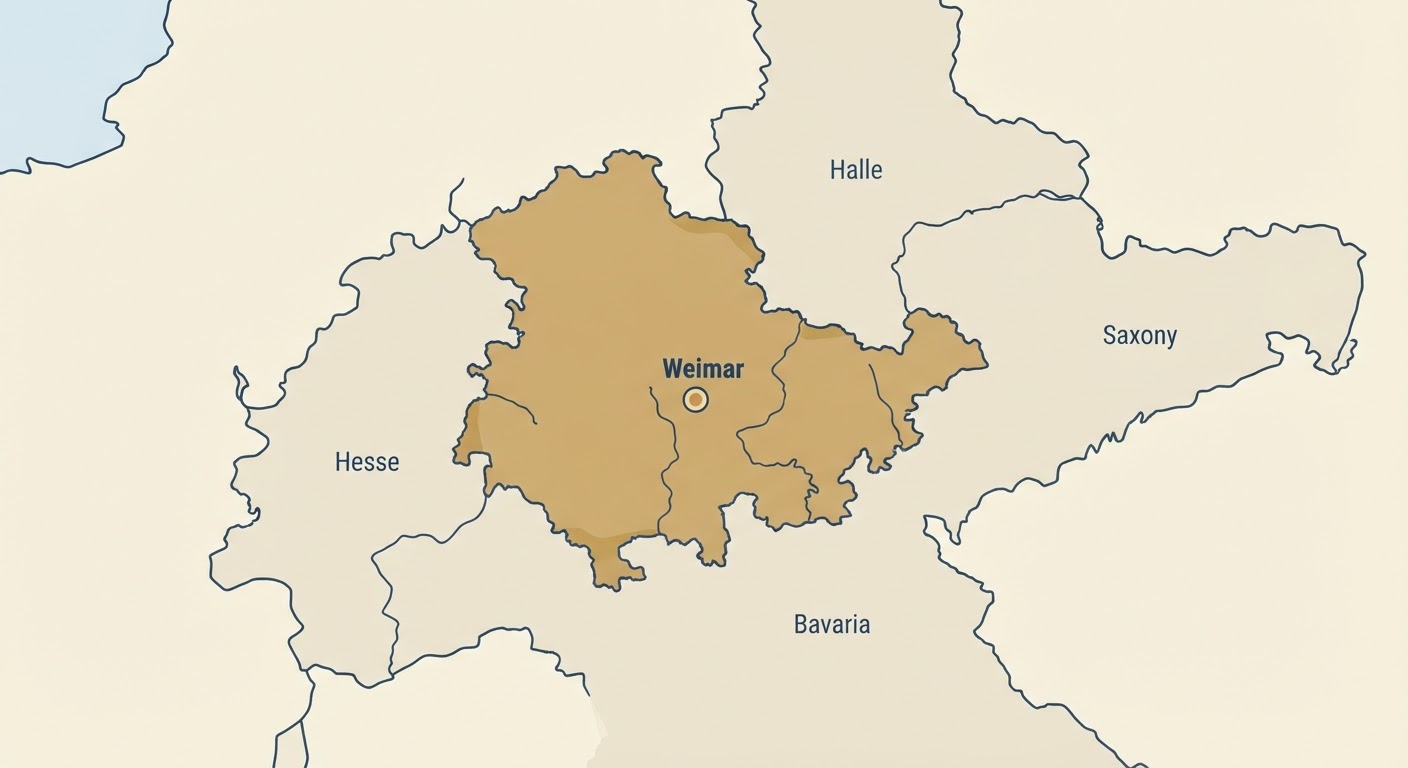
Developed at the court of Weimar for tracking large game such as deer and boar through Thuringian forest. As big game declined the breed shifted to bird work, retaining the stamina and nose bred into it from the start.
- Region
- Weimar, Thuringia
- Climate it was bred for
- Temperate central European forest
- Original job
- Hunting large game including deer and boar
The long read
About the breed
Nineteenth-century noblemen at the court of Grand Duke Karl August in Weimar developed the breed to track and hold deer, boar and even bear, prizing its keen nose, boldness and stamina in the field. As big game became scarcer in Germany the breed's role shifted toward smaller quarry and general bird work, and its versatility as a pointer, retriever and all-round gundog kept it in demand long after its original purpose faded. Ownership was tightly controlled by the German Weimaraner Club for decades, with export restricted to protect the breed's working quality.
Living with a Weimaraner means committing to serious daily exercise; this is a breed built for a full day's hunting and it becomes destructive and anxious without enough physical and mental outlet. It is intensely bonded to its family, sometimes to the point of separation anxiety, and it is intelligent enough to be trained to a high standard by an owner willing to put in consistent, structured work. Its short, sleek coat is easy to maintain but offers little insulation, so it feels the cold and is not an outdoor dog in a British winter. Its striking pale eyes and silver coat, sometimes called the Grey Ghost, have made it as popular in the show ring and as a family companion as in the shooting field.
Today the Weimaraner is a genuinely dual-purpose breed, still worked by shooting enthusiasts and kept by families able to meet its considerable exercise needs, though it is a poor match for anyone wanting a low-energy, easily left-alone dog.
Living with one
Temperament & needs
Our own ratings, based on the breed standard and how these dogs behave in ordinary homes.
Friendliness
4/5
How openly the Weimaraner greets people it does not know.
Trainability
4/5
Intelligent and responsive to structured, consistent training.
Energy
5/5
Bred for a full day in the field, needs serious daily exercise.
Barking
3/5
Vocal when anxious or under-exercised.
Grooming
1/5
Short sleek coat needs minimal brushing but little cold protection.
Suits a first-time owner
3/5
How forgiving the Weimaraner is for someone taking on their first dog.
Sociability
4/5
Deeply attached to family, can be prone to separation anxiety.
Independence
2/5
Wants to be involved in everything, rarely content alone.
Illustrated breed standard
The points of the breed
Hover or tap a numbered point to read what the standard asks for.
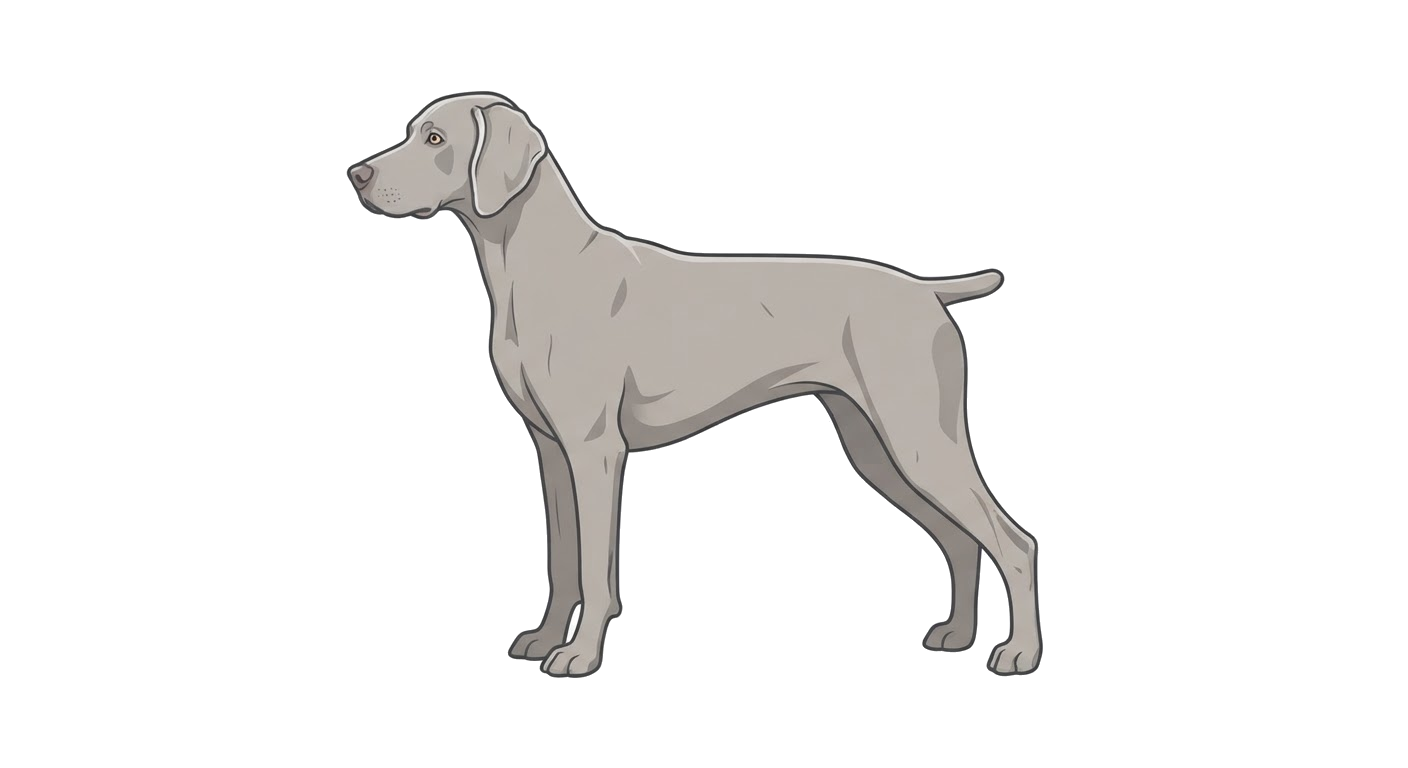
Point 1
Skull
The Weimaraner's skull is judged on balance rather than size — proportionate to the body, with a clean cheek and a stop typical of the breed. Coarseness or an over-refined head are both faulted.
Colours & patterns
Recognised coats
Which coats the standard accepts — and which are simply popular.
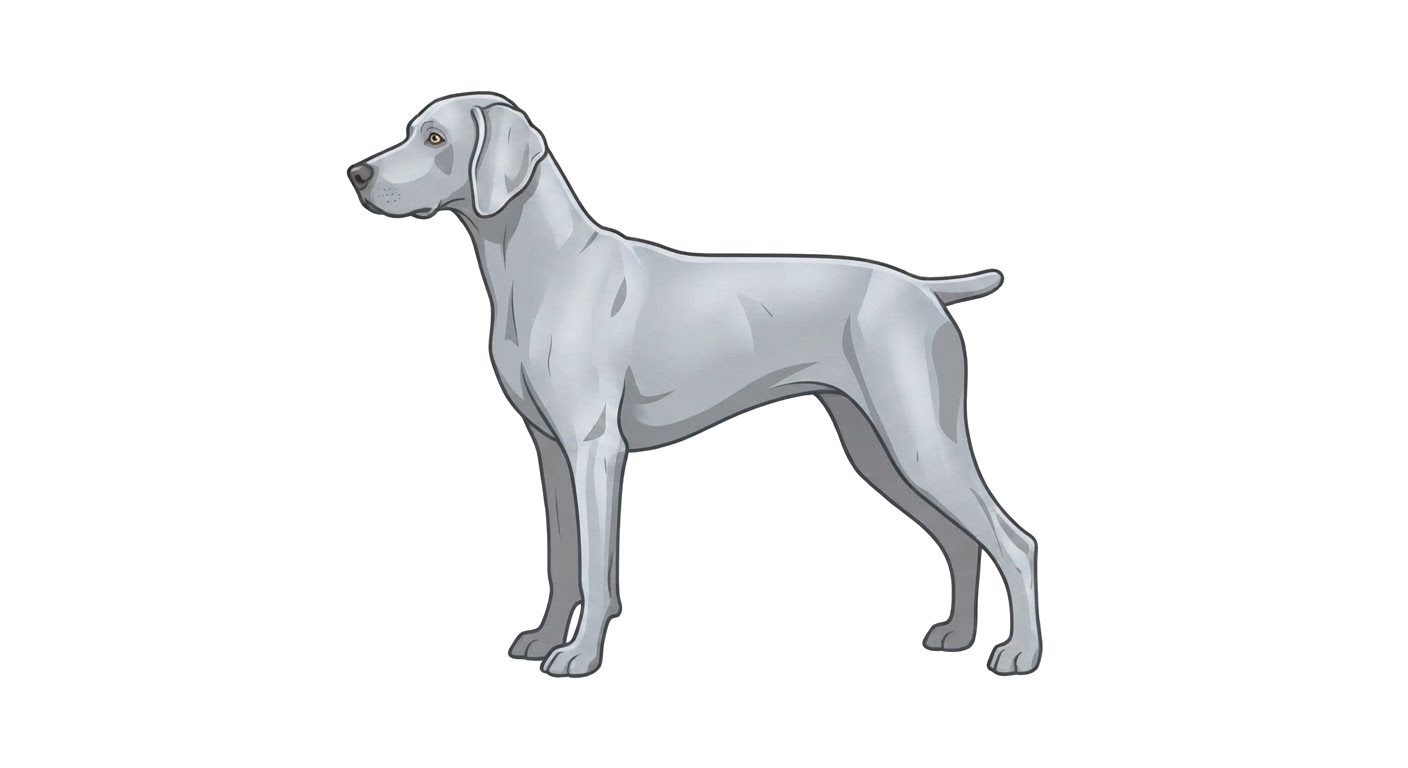
Silver grey
Standard colour
The breed's signature shade, giving rise to the nickname Grey Ghost.
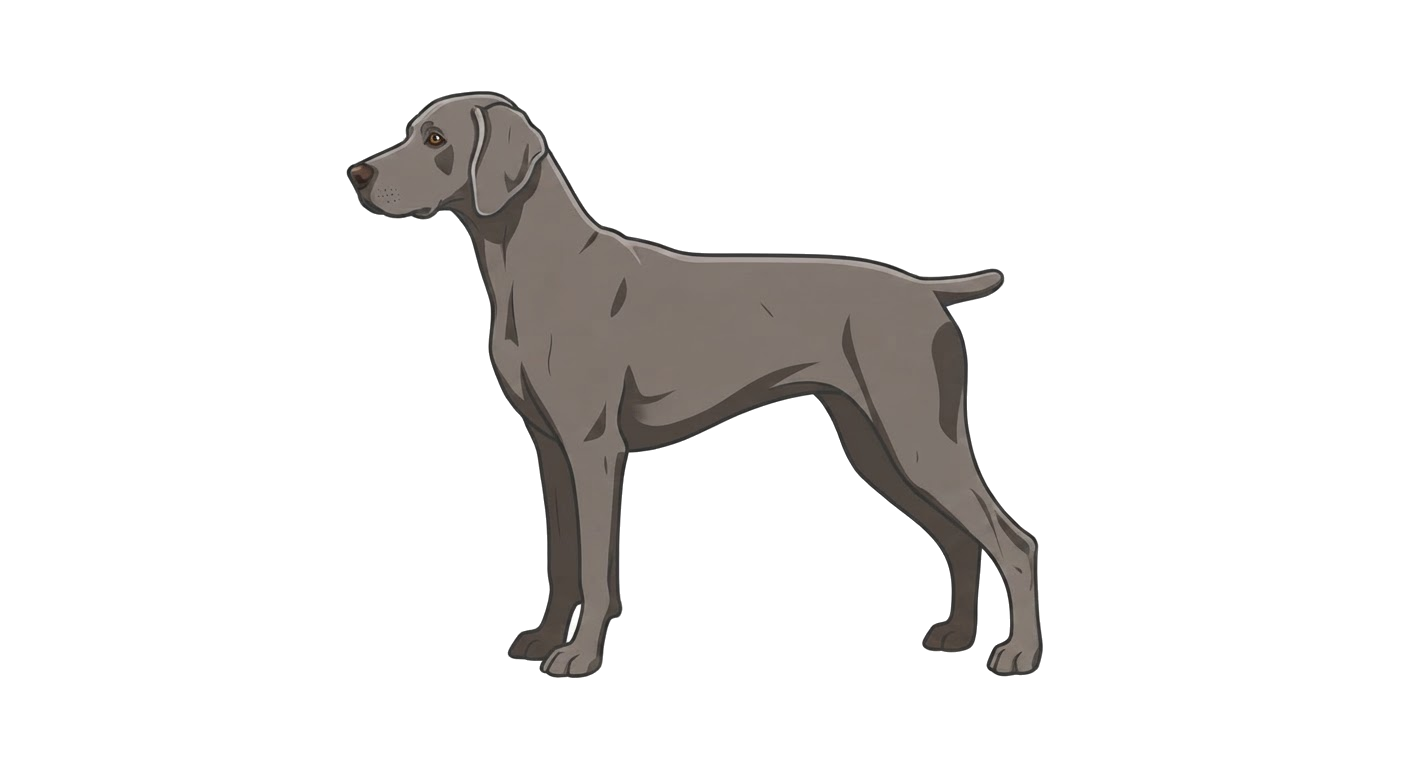
Mouse grey
Standard colour
A slightly darker shade also within the standard.
Outside the standard
Other colours
Dilute coats you will see advertised. They are the same breed, but no kennel club accepts them.
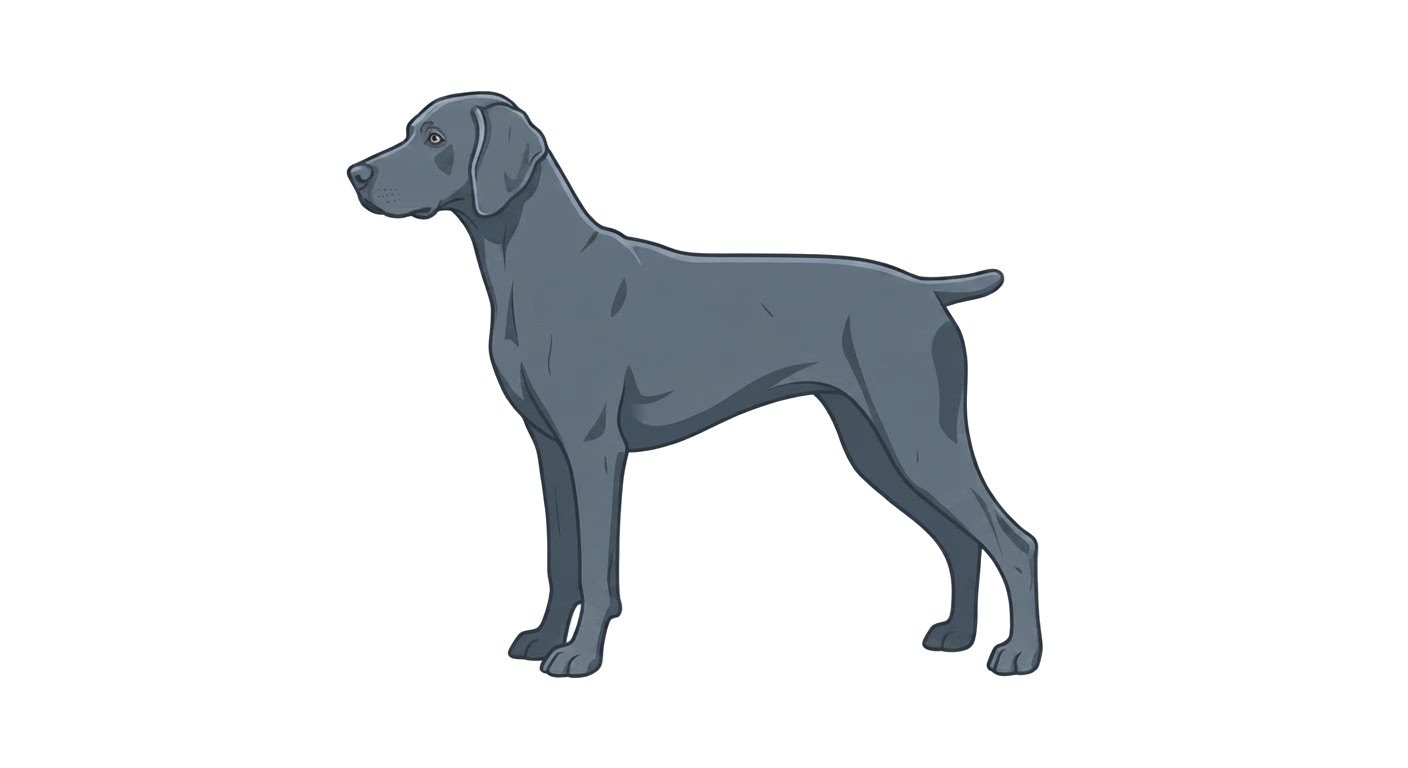
Blue
Not in the standard
A recognised fault colour in most standards, though sometimes marketed as rare.
Timeline
History & development
Early 1800s
Weimar court hunting dogs
Nobles at the court of Grand Duke Karl August of Weimar developed a versatile hunting dog for large game.
1897
German Weimaraner Club founded
The club set a strict standard and controlled ownership to protect working quality.
1929
Arrival in the United States
Howard Knight imported the first Weimaraners to America after difficulty persuading German breeders to sell.
1943
AKC recognition
The American Kennel Club recognised the Weimaraner in its Sporting Group.
1952
UK Kennel Club recognition
The breed was formally recognised in Britain.
Reference
Breed standard summary
- body
- Well-muscled, deep chest, moderately long back.
- coat
- Short, smooth and sleek, silver-grey in colour.
- ears
- Long, pendant, set high, slightly folded.
- eyes
- Light amber, grey or blue-grey, giving a distinctive expression.
- gait
- Effortless, ground-covering trot with good reach and drive.
- head
- Moderately long, aristocratic, with a slight stop.
- size
- Large, elegant but powerfully built.
- tail
- Traditionally docked where legal, carried level with the back.
- colour
- Silver grey, Mouse grey. Colours outside this list are seen but are not accepted by the kennel clubs.
- temperament
- Typical of the breed: strongest in energy, trainability, sociability. Nervousness or aggression are serious faults in the show ring and in the home.
- general appearance
- Sleek, athletic and aristocratic, built for speed and stamina.
Health
What to screen for
Green means little to worry about, amber means ask the breeder for test results, red means manage it actively.
Hip dysplasia
Screen for it
Ask for BVA/KC hip scores on both parents.
Bloat (gastric dilatation-volvulus)
Watch closely
A significant risk in this deep-chested breed; feed multiple smaller meals and avoid exercise around feeding time.
Progressive retinal atrophy
Screen for it
Request eye clearance certificates from the breeder.
Von Willebrand's disease
Watch closely
A DNA test is available; ask for clear or carrier status on the breeding pair.
General information only — always speak to your vet about your own dog.
From real owners
Dogs like this
Weimaraners added by PawPoint members through their pet passports. Share yours to appear here.
Loading the wall…
Made for the Weimaraner
The book, plus prints, hoodies and mugs using our own Weimaraner illustration — and one everyday accessory that suits any dog.

The book
Pawpoint: The Complete Dog Breed Book
Every officially recognised breed plus the unofficial ones nobody else documents. 400+ pages, hardback, printed and shipped from the UK.
Own stock — shipped by us
Framed poster
Weimaraner Framed Poster
Museum-weight print of our Weimaraner illustration, framed or unframed.
Printed to order
Hoodie
Weimaraner Hoodie
Heavyweight hoodie carrying the Weimaraner illustration on the chest.
Printed to order
Mug
Weimaraner Mug
Ceramic mug with the Weimaraner illustration wrapped around it.
Printed to order
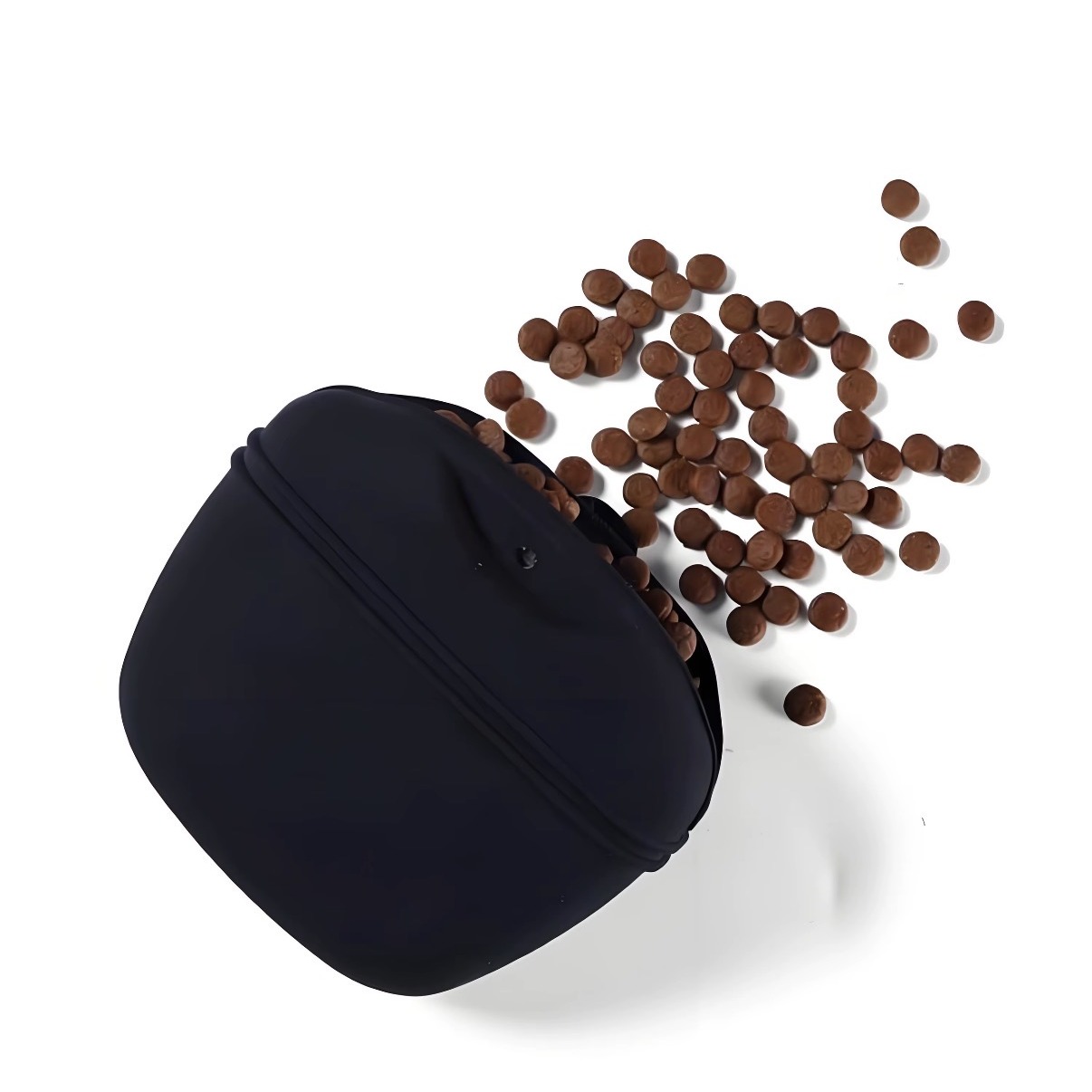
Accessory
Treat Pouch
Magnetic-close belt pouch for training sessions.
Fits any dog

Pawpoint on YouTube
Watch the full Weimaraner video
Breed deep-dives, history and honest ownership talk. New film every week.
Watch now