
West Highland White Terrier
WEST-ee
United Kingdom· Argyll, Scottish Highlands
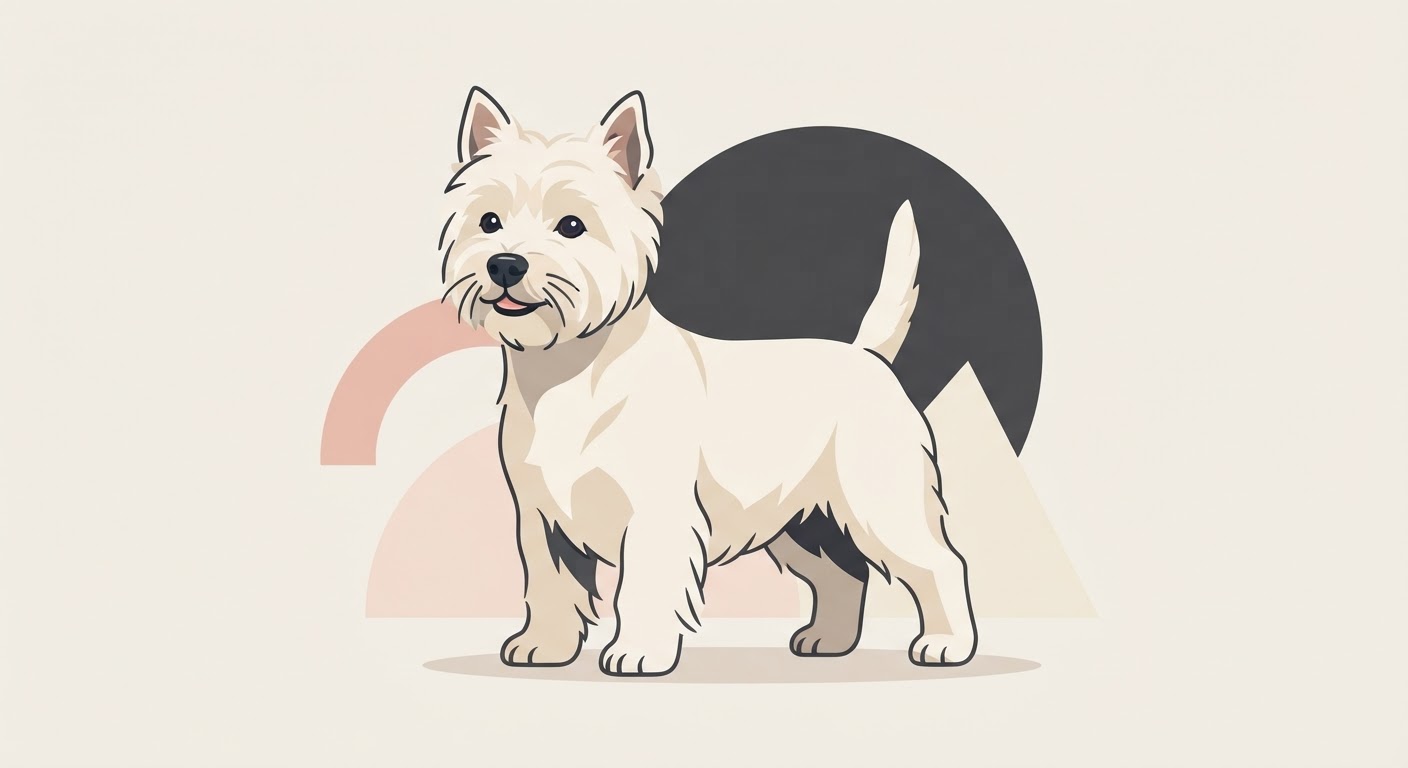
The West Highland White Terrier is a small, sturdy, all-white terrier from the Scottish Highlands, bred to hunt fox, rabbit and other vermin above and below ground on rough moorland.
At a glance
Quick facts
Size
Small
Exercise needs
45-60 minutes a day
Home size suited to
Flat or small home
Grooming frequency
Weekly brush, hand-strip a few times a year
Coat length
Wiry
Sheds
Yes, heavily when moulting
Lifespan
13-15 years
Town or country
Either, with enough exercise
Garden size needed
Small garden or none
Where it comes from
Origins of the West Highland White Terrier
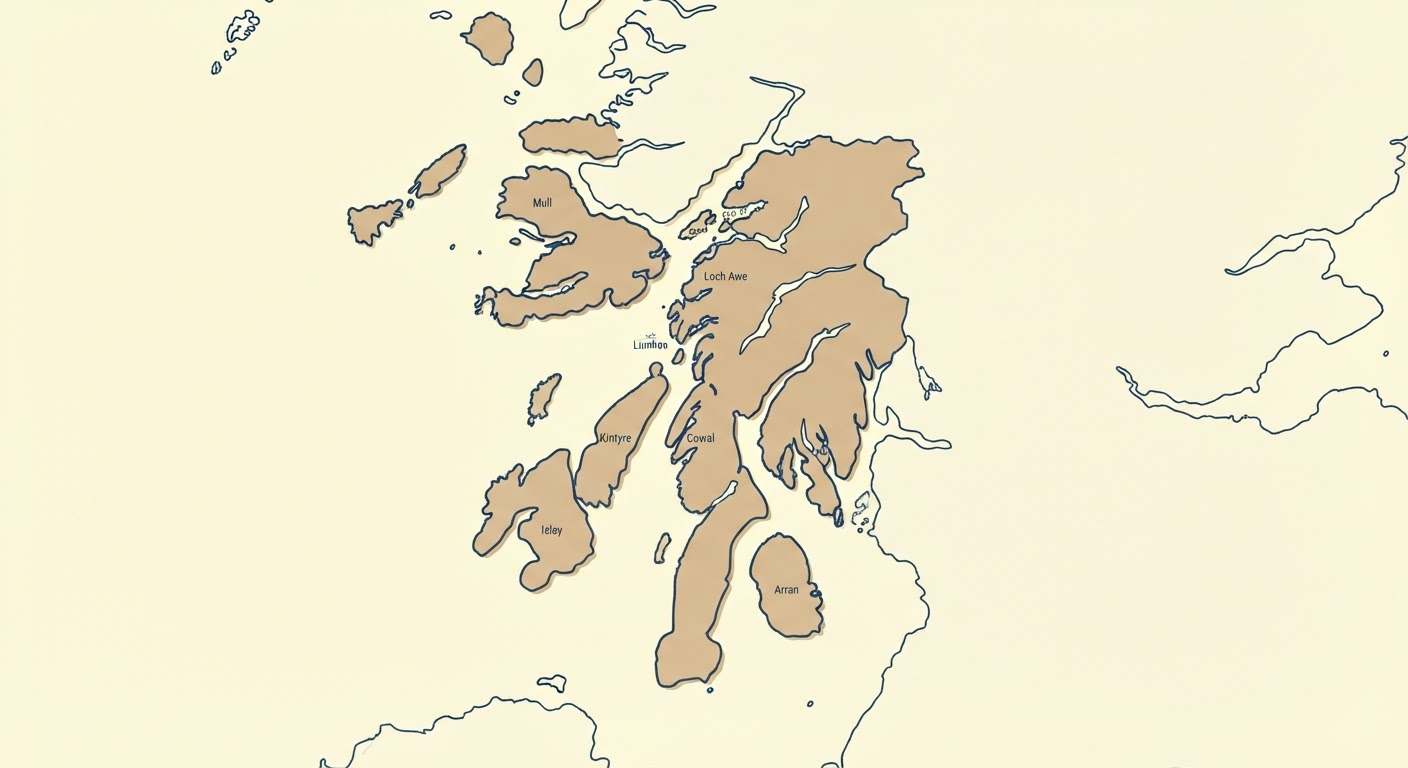
Fixed as an all-white breed on the Poltalloch estate in Argyll, where a light-coated terrier was easier to tell apart from quarry in thick Highland cover. Bred to work both above and below ground after fox and vermin.
- Region
- Argyll, Scottish Highlands
- Climate it was bred for
- Cold, wet, rugged Highland moorland
- Original job
- Hunting fox, rabbit and vermin above and below ground
The long read
About the breed
The breed's white colouring is often traced to a story about Colonel Edward Donald Malcolm of Poltalloch, who is said to have decided to breed only white terriers after mistaking a dark-coated dog for a fox and shooting it. Whether or not the tale is entirely accurate, Malcolm's Poltalloch estate in Argyll did play a central role in fixing the white coat as standard, since a white terrier was easy to distinguish from quarry in poor Highland light and thick cover.
Living with a Westie suits a family wanting a small dog with genuine terrier spirit but a manageable size. It is confident, self-assured and often surprisingly bold for its stature, happy to dig, chase and bark at anything it deems worthy of attention. It is affectionate with its own family and generally good with children who treat it with respect, though its terrier independence means training benefits from consistency rather than repetition alone. The harsh, weatherproof double coat needs regular hand-stripping or clipping and brushing to prevent matting, and its distinctive white colouring shows dirt readily, so grooming is a genuine ongoing commitment.
Today the Westie is one of the most recognisable and popular terrier breeds worldwide, known almost as much for its cheerful, photogenic appearance as for its working history, though the working instincts, including a strong prey drive and a tendency to dig, remain very much intact beneath the charm.
Living with one
Temperament & needs
Our own ratings, based on the breed standard and how these dogs behave in ordinary homes.
Friendliness
4/5
How openly the West Highland White Terrier greets people it does not know.
Trainability
3/5
Bright but independent, benefits from consistent, positive training.
Energy
4/5
Lively and playful, needs a proper daily walk and games.
Barking
4/5
Alert and vocal, quick to bark at anything unusual.
Grooming
4/5
Harsh double coat needs regular stripping or clipping and shows dirt easily.
Suits a first-time owner
3/5
How forgiving the West Highland White Terrier is for someone taking on their first dog.
Sociability
4/5
Confident and generally good with respectful children.
Independence
3/5
Retains real terrier self-assurance and a strong prey drive.
Illustrated breed standard
The points of the breed
Hover or tap a numbered point to read what the standard asks for.
Point 1
Skull
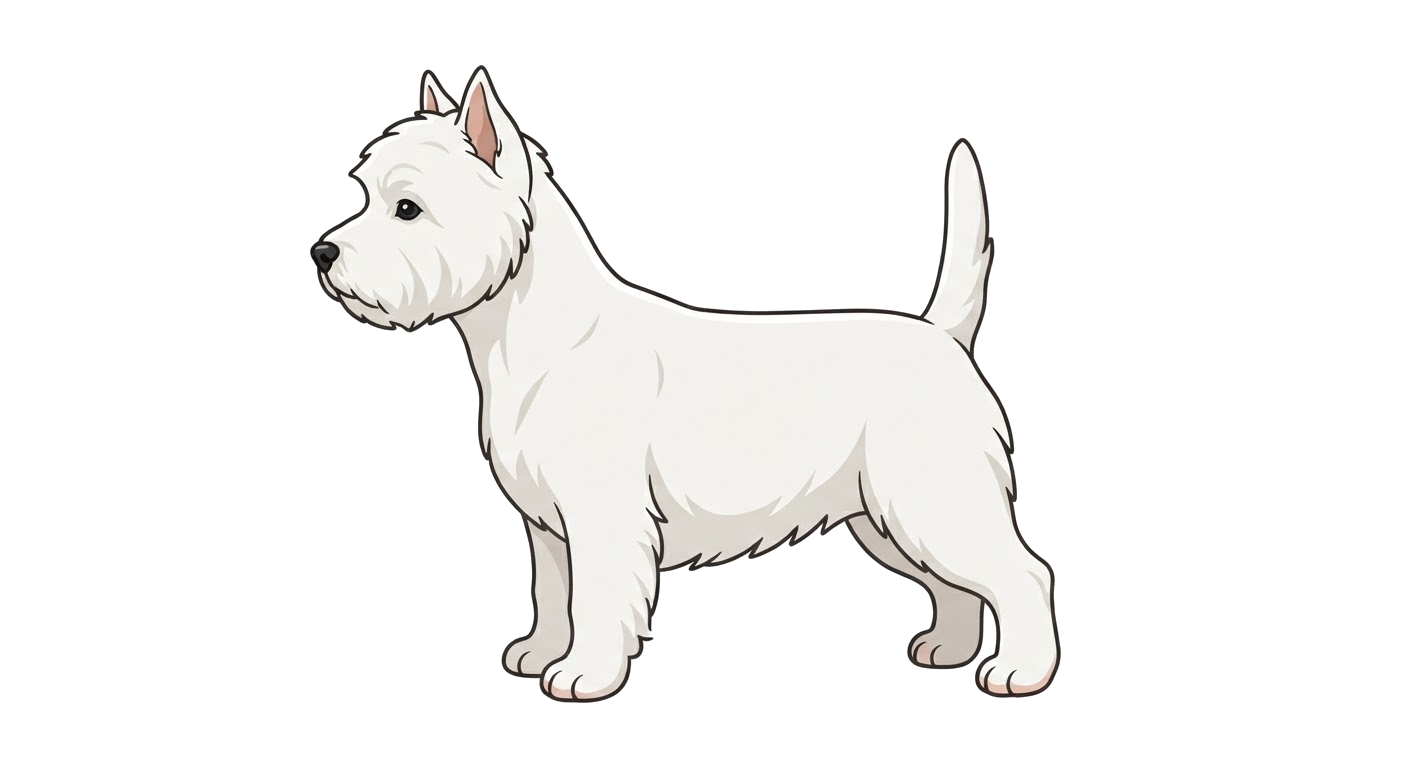
The West Highland White Terrier's skull is judged on balance rather than size — proportionate to the body, with a clean cheek and a stop typical of the breed. Coarseness or an over-refined head are both faulted.
Colours & patterns
Recognised coats
Which coats the standard accepts — and which are simply popular.
White
Standard colour
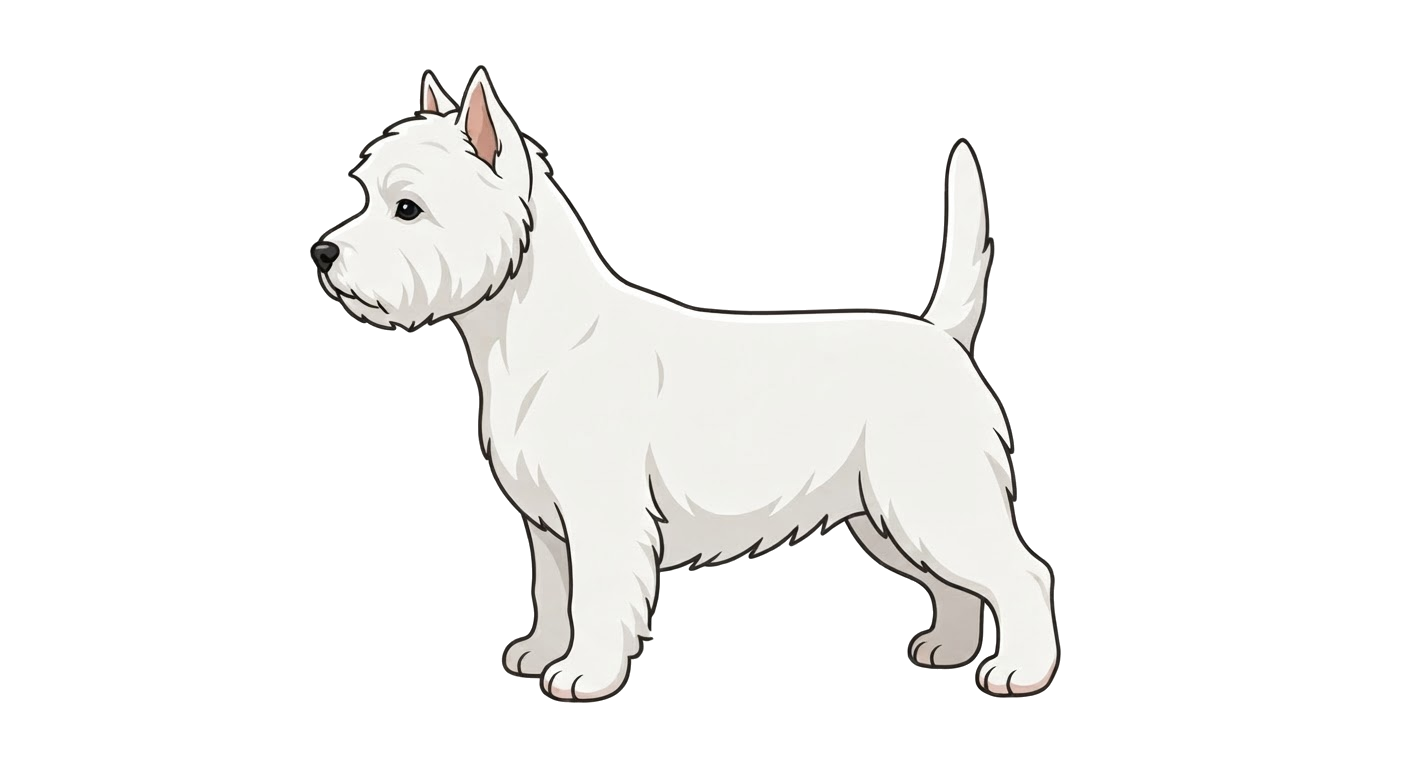
The only colour permitted by the breed standard.
Timeline
History & development
19th century
Poltalloch estate breeding
Colonel Edward Donald Malcolm is credited with fixing the all-white coat at his Poltalloch estate in Argyll.
1904
Formal breed name adopted
The breed, previously known by several regional names, was formally named the West Highland White Terrier.
1907
Kennel Club recognition
The breed gained official recognition in the UK.
1909
AKC recognition
The American Kennel Club recognised the breed in its Terrier Group.
20th century
Rise to popularity
The Westie became one of the most popular small terrier breeds worldwide, aided by its distinctive appearance in advertising and media.
1950s onward
The breed today
Kennel club registrations settled into a steady pattern and the West Highland White Terrier moved from a working specialist to a family companion, with breed clubs in the UK and abroad now focused on health testing and keeping true type alive.
Reference
Breed standard summary
- body
- Compact, level back, deep chest.
- coat
- Harsh outer coat about five centimetres long with a soft, dense undercoat.
- ears
- Small, erect, terminating in a sharp point.
- eyes
- Dark, medium-sized, set well apart.
- gait
- Free, straight, with good reach and drive.
- head
- Slightly domed skull, tapering slightly to the eyes.
- size
- Small, sturdy and never fragile-looking.
- tail
- Fairly short, carried straight, never curled over the back.
- colour
- White. Colours outside this list are seen but are not accepted by the kennel clubs.
- temperament
- Typical of the breed: strongest in energy, sociability, barking. Nervousness or aggression are serious faults in the show ring and in the home.
- general appearance
- Small, sturdy, deep-chested, white terrier with a confident bearing.
Health
What to screen for
Green means little to worry about, amber means ask the breeder for test results, red means manage it actively.
Craniomandibular osteopathy
Watch closely
An inherited jaw condition in puppies; ask the breeder if it is known in the line.
Patellar luxation
Screen for it
Request a veterinary knee check on both parents.
Skin allergies
Low concern
Westies are prone to atopic skin issues; ask about skin health history in the line.
General information only — always speak to your vet about your own dog.
From real owners
Dogs like this
West Highland White Terriers added by PawPoint members through their pet passports. Share yours to appear here.
Loading the wall…
Made for the West Highland White Terrier
The book, plus prints, hoodies and mugs using our own West Highland White Terrier illustration — and one everyday accessory that suits any dog.

The book
Pawpoint: The Complete Dog Breed Book
Every officially recognised breed plus the unofficial ones nobody else documents. 400+ pages, hardback, printed and shipped from the UK.
Own stock — shipped by us
Framed poster
West Highland White Terrier Framed Poster
Museum-weight print of our West Highland White Terrier illustration, framed or unframed.
Printed to order
Hoodie
West Highland White Terrier Hoodie
Heavyweight hoodie carrying the West Highland White Terrier illustration on the chest.
Printed to order
Mug
West Highland White Terrier Mug
Ceramic mug with the West Highland White Terrier illustration wrapped around it.
Printed to order

Accessory
Travel Water Bottle & Bowl
550ml bottle with a fold-out drinking trough.
Fits any dog

Pawpoint on YouTube
Watch the full West Highland White Terrier video
Breed deep-dives, history and honest ownership talk. New film every week.
Watch now