
West Siberian Laika
west sy-BEER-ee-an LYE-kah
Russia· Ural mountains and western Siberia
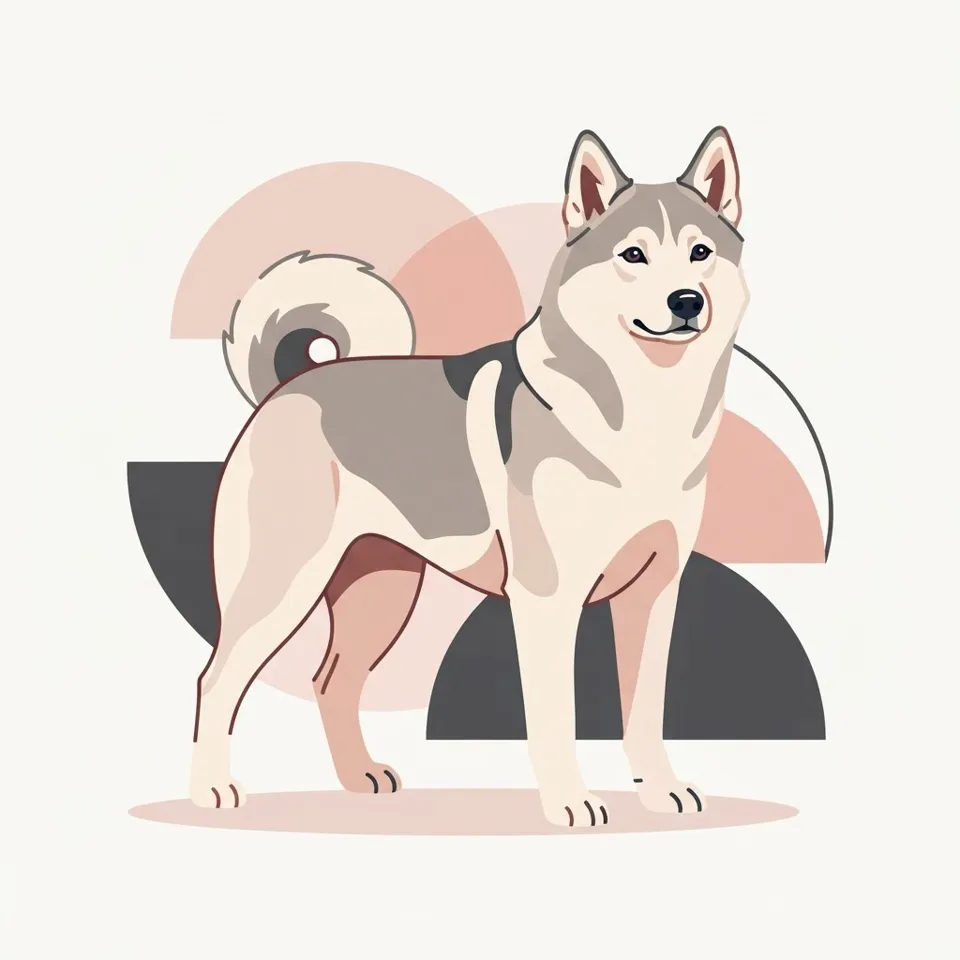
The West Siberian Laika is a medium-sized hunting spitz developed from indigenous dogs of the Ural region and western Siberia.
At a glance
Quick facts
- Size
- Medium
- Exercise needs
- 2 hours+ per day
- Home size suited to
- Medium or larger
- Grooming frequency
- Weekly brush, more when shedding
- Coat length
- Medium, double coat
- Sheds
- Yes, heavily seasonally
- Lifespan
- 12-14 years
- Town or country
- Rural, working environments preferred
- Garden size needed
- Large, securely fenced
Where it comes from
Origins of the West Siberian Laika
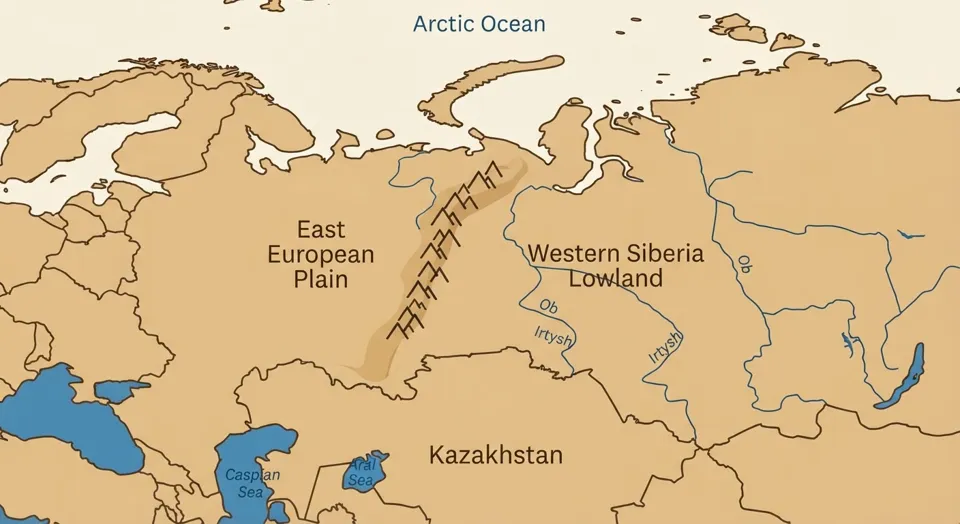
Across the vast taiga of western Siberia and the Ural region, indigenous peoples relied on hardy spitz-type dogs to hunt sable, squirrel and other fur game essential to the fur trade, as well as larger animals like elk and bear. The extreme cold and huge hunting ranges shaped a dog of remarkable endurance and independence.
- Region
- Ural mountains and western Siberia
- Climate it was bred for
- Cold, harsh Siberian taiga climate
- Original job
- Hunting fur-bearing animals, waterfowl and large game across vast forest territory
The long read
About the breed
Its role hunting fur-bearing animals and large game across enormous forest territories produced an exceptionally enduring, keen-scented dog with strong independence and stamina.
At home it is intelligent and loyal but retains a powerful hunting instinct and needs extensive daily exercise, making it unsuitable for sedentary households or inexperienced owners.
Today it remains one of the most widely used hunting Laikas in Russia, valued especially for sable and squirrel hunting, with only a very limited presence outside its homeland.
Living with one
Temperament & needs
Our own ratings, based on the breed standard and how these dogs behave in ordinary homes.
Friendliness
3/5
How openly the West Siberian Laika greets people it does not know.
Trainability
3/5
How readily the breed takes to training in an ordinary home.
Energy
3/5
How much daily exercise and stimulation the breed expects.
Barking
3/5
How vocal the breed tends to be day to day.
Grooming
3/5
How much coat work the breed needs to stay comfortable.
Suits a first-time owner
3/5
How forgiving the West Siberian Laika is for someone taking on their first dog.
Illustrated breed standard
The points of the breed
Hover or tap a numbered point to read what the standard asks for.
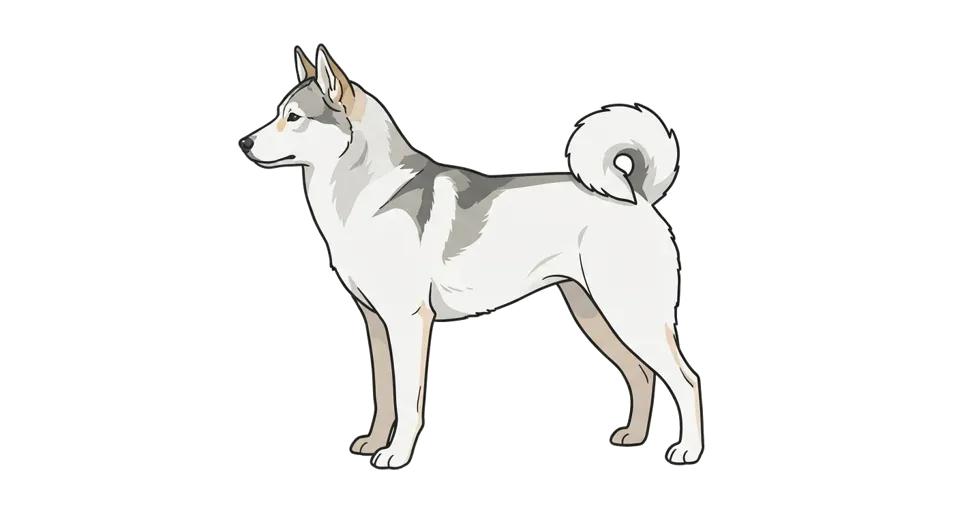
Point 1
Skull
The West Siberian Laika's skull is judged on balance rather than size — proportionate to the body, with a clean cheek and a stop typical of the breed. Coarseness or an over-refined head are both faulted.
Timeline
History & development
1800s
Indigenous hunting dogs
Various local spitz-type dogs were used by hunters across the Ural region and western Siberia.
1930s
Standardisation begins
Soviet cynologists began classifying and standardising Laika types by region.
1952
Breed standard adopted
The West Siberian Laika received a formal Soviet breed standard.
1980s
FCI recognition
The breed gained international recognition through the FCI.
2000s
Continued fur-trade role
It remains a leading breed for commercial fur hunting in Russia today.
Reference
Breed standard summary
- body
- Slightly rectangular, muscular, with a deep chest.
- coat
- Straight, harsh outer coat with a dense undercoat.
- ears
- Erect, mobile and set high.
- eyes
- Small, oval and dark brown.
- head
- Wedge-shaped with a moderate stop and pointed muzzle.
- size
- Dogs 55-62cm, bitches 51-58cm
- colour
- White, grey, reddish, pepper and salt, or piebald.
- temperament
- Independent, enduring and keen, with a strong hunting drive and close bond to its handler.
- general appearance
- Medium-sized, robust spitz with a slightly stretched, strong-boned build suited to endurance work.
Health
What to screen for
Green means little to worry about, amber means ask the breeder for test results, red means manage it actively.
General information only — always speak to your vet about your own dog.
From real owners
West Siberian Laikas in the PAWPOINT Pack
West Siberian Laikas added by PawPoint members through their pet passports. Share yours to appear here.
Loading the wall…
Made for the West Siberian Laika
The book, plus hoodies, tees and mugs featuring the West Siberian Laika.