
Xoloitzcuintli
SHOW-loh-eats-kweent-lee
Mexico· Central and southern Mexico
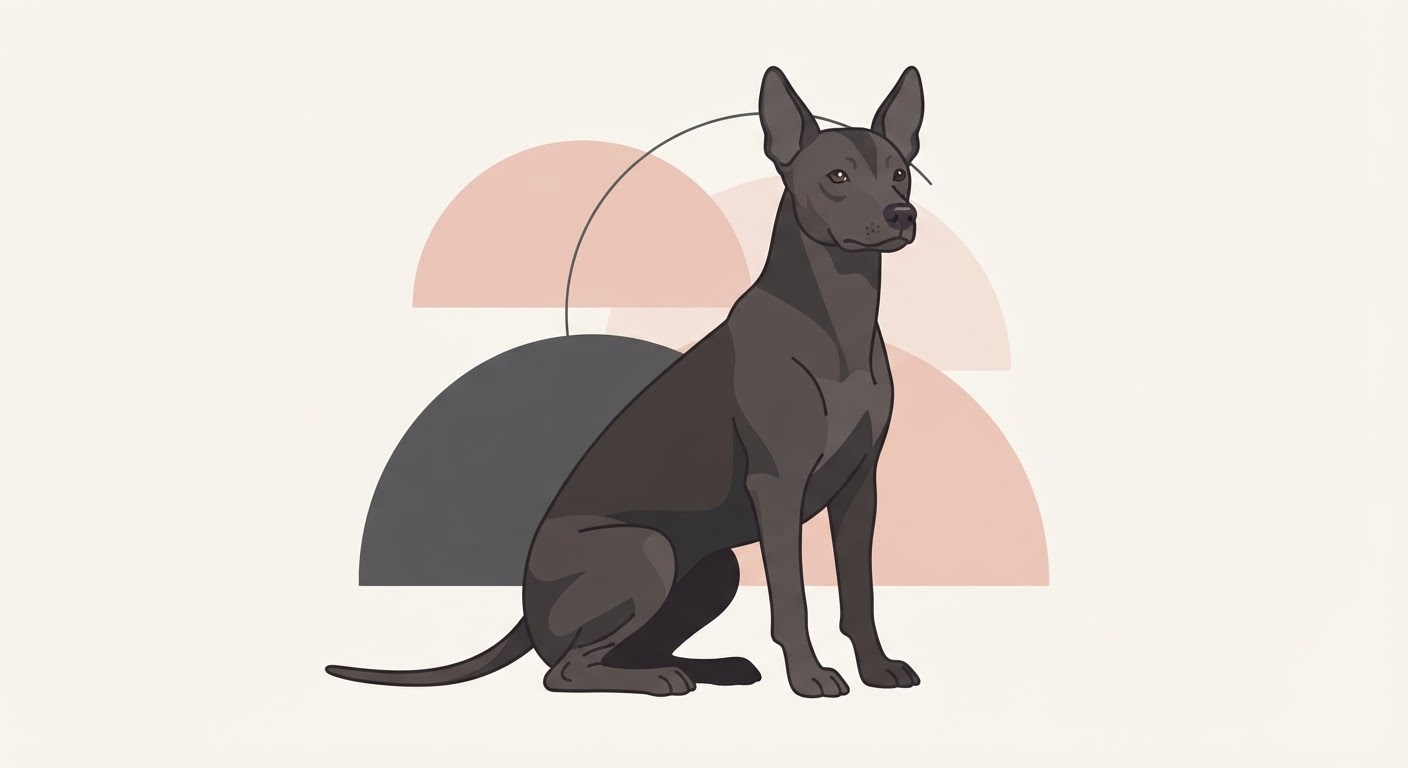
The Xoloitzcuintli is an ancient, largely hairless breed from Mexico, revered by pre-Columbian civilisations for thousands of years as a spiritual guide and, at times, a source of food.
At a glance
Quick facts
Size
Medium
Exercise needs
30-60 minutes a day
Home size suited to
Flat or any size home
Grooming frequency
Skin care weekly
Coat length
Hairless
Sheds
No
Lifespan
13-18 years
Town or country
Either, happy in town
Garden size needed
None needed
Where it comes from
Origins of the Xoloitzcuintli
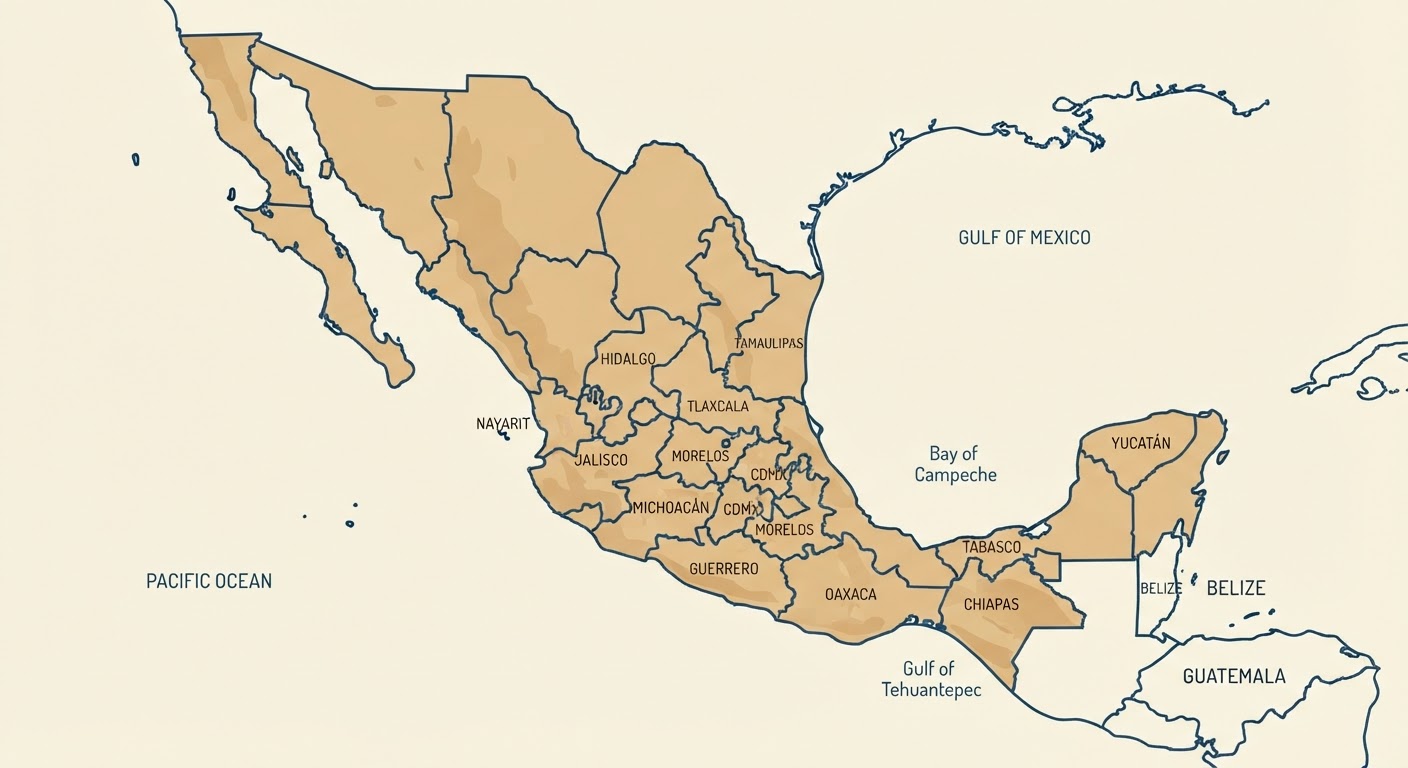
Depicted in Mexican art and burial sites dating back some 3,000 years, believed to guide the souls of the dead. Its warm, hairless skin was also used informally to soothe aches, a practice still recalled in rural Mexico.
- Region
- Central and southern Mexico
- Climate it was bred for
- Warm, arid to tropical
- Original job
- Spiritual companion, ratting, and living hot water bottle
The long read
About the breed
Named after the Aztec god Xolotl and the Nahuatl word for dog, itzcuintli, the breed appears in art and burial sites from cultures across Mexico dating back at least 3,000 years. It was believed to guide the souls of the dead through the underworld and was often buried alongside its owner, and its warm, near-hairless skin also made it valued as a living hot water bottle for aches and rheumatism, a practical use that persists informally in rural Mexico today.
Living with a Xolo, as it is commonly known, suits an owner comfortable with a genuinely unusual-looking dog and willing to manage its particular needs. The hairless variety needs sun protection in summer and warmth in winter, since it has no coat to regulate temperature, and its skin can be prone to acne and dryness needing occasional moisturising. There is also a coated variety, born in the same litters, which lacks these skin concerns entirely. Temperamentally the Xolo is calm, alert and loyal, often reserved with strangers and making a genuinely effective watchdog despite its unassuming size in the toy and miniature varieties, while the standard size is a capable, sturdy companion.
Today the Xoloitzcuintli remains Mexico's national dog and is still relatively rare outside its homeland, appealing to owners wanting a dog with a real, ancient cultural history and a genuinely distinctive appearance rather than a fashionable designer look.
Living with one
Temperament & needs
Our own ratings, based on the breed standard and how these dogs behave in ordinary homes.
Friendliness
3/5
How openly the Xoloitzcuintli greets people it does not know.
Trainability
4/5
Intelligent and eager to please, responds well to consistent training.
Energy
3/5
Moderately active, enjoys a good daily walk.
Barking
3/5
Alert watchdog, barks to announce visitors.
Grooming
2/5
Hairless variety needs skin care and sun protection rather than brushing.
Suits a first-time owner
4/5
How forgiving the Xoloitzcuintli is for someone taking on their first dog.
Sociability
3/5
Loyal to family, reserved and watchful with strangers.
Independence
2/5
Bonds closely with its owner and dislikes being left for long periods.
Illustrated breed standard
The points of the breed
Hover or tap a numbered point to read what the standard asks for.
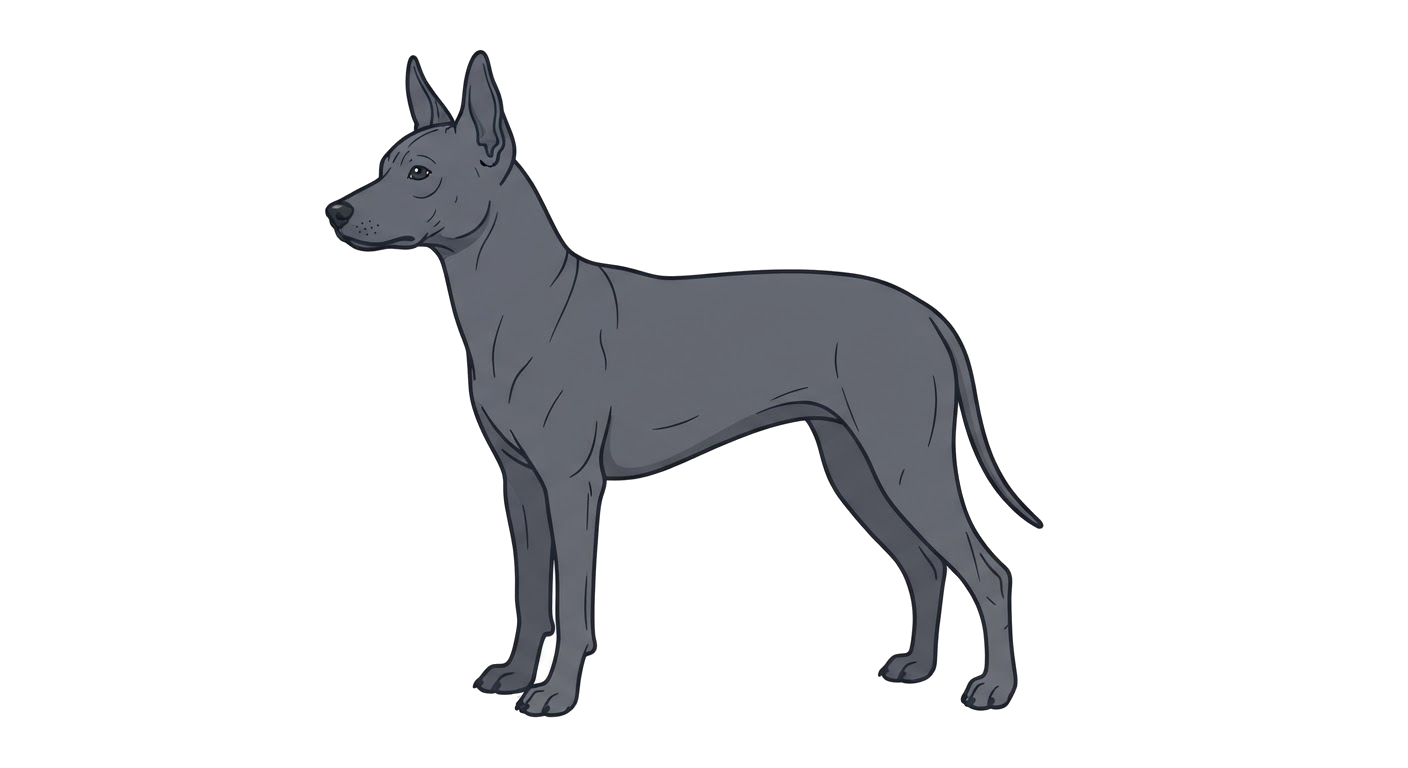
Point 1
Skull
The Xoloitzcuintli's skull is judged on balance rather than size — proportionate to the body, with a clean cheek and a stop typical of the breed. Coarseness or an over-refined head are both faulted.
Colours & patterns
Recognised coats
Which coats the standard accepts — and which are simply popular.
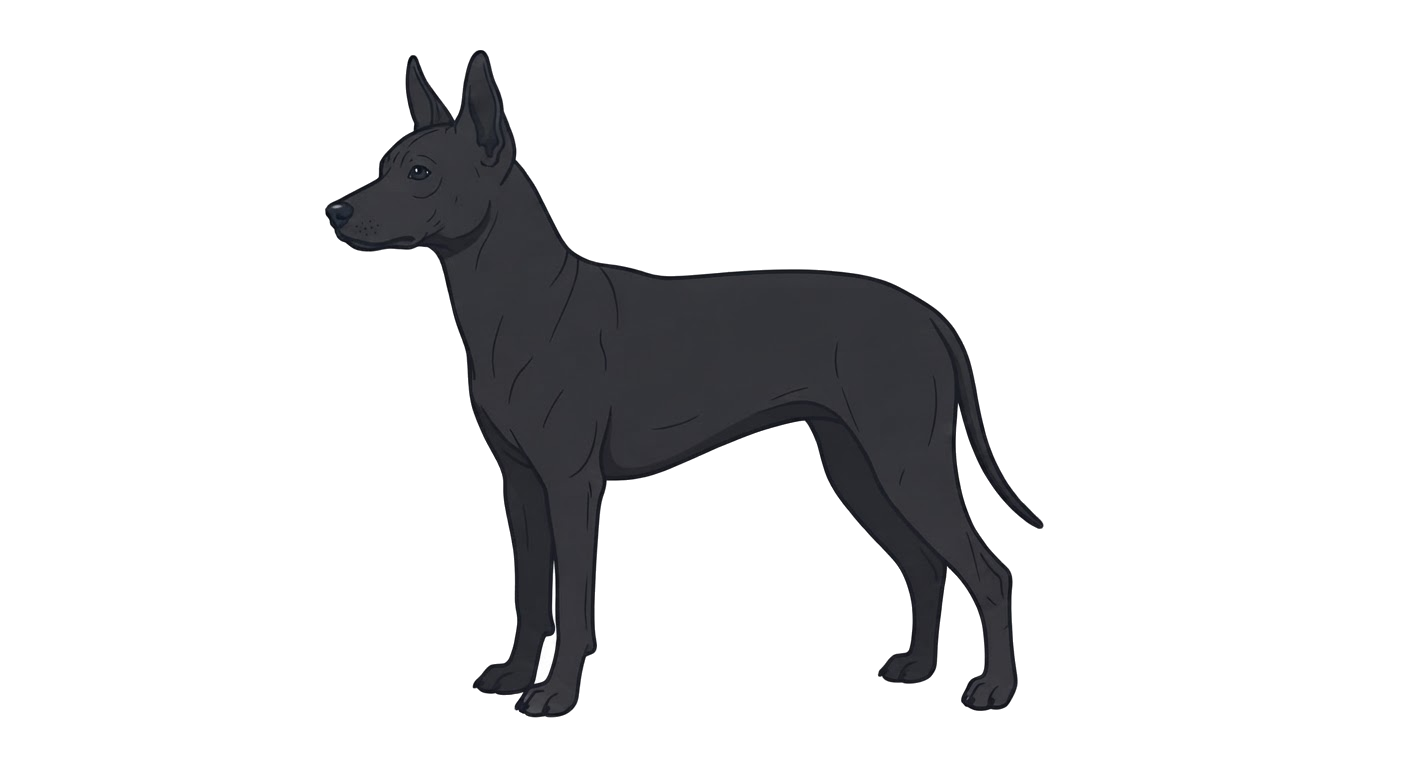
Black
Standard colour
A common solid colour in both hairless and coated varieties.
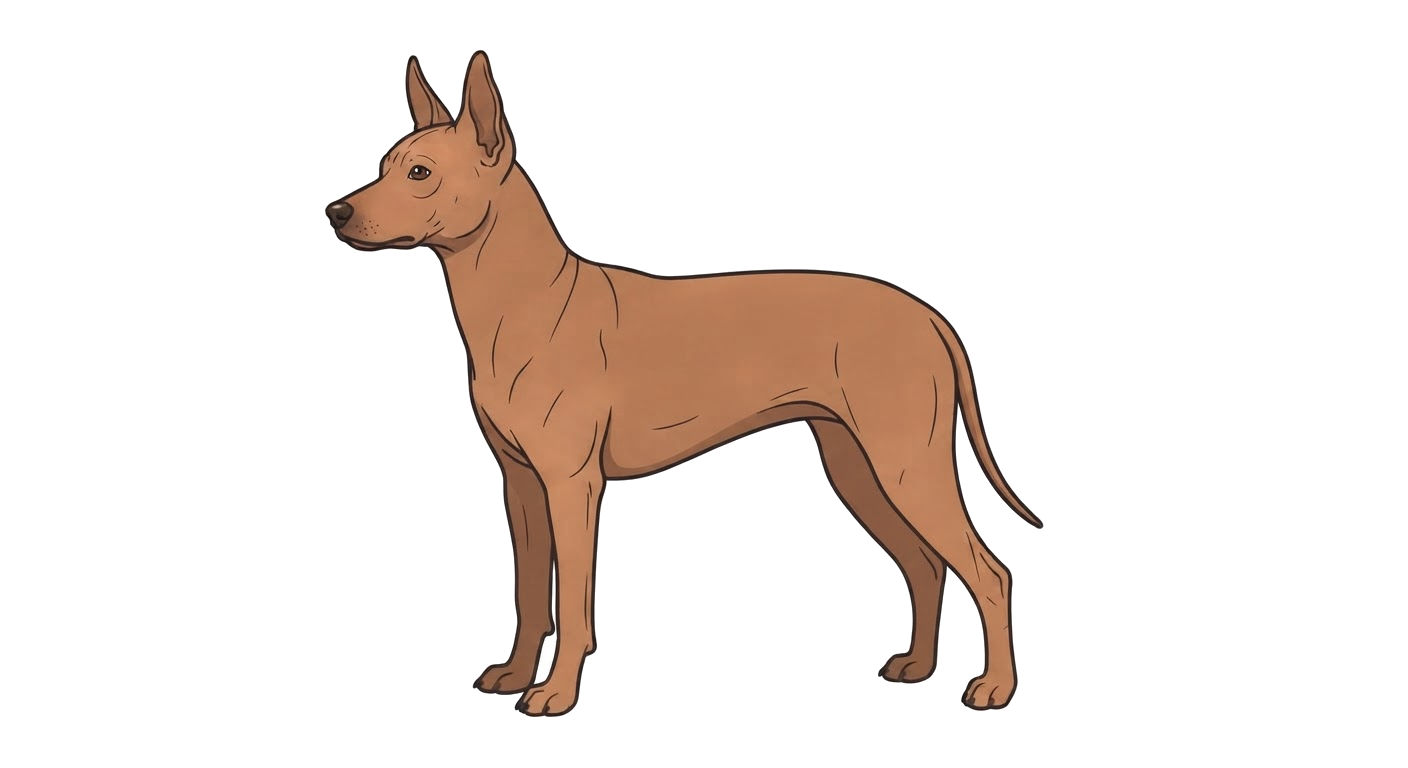
Bronze
Standard colour
A warm reddish-brown shade frequently seen.
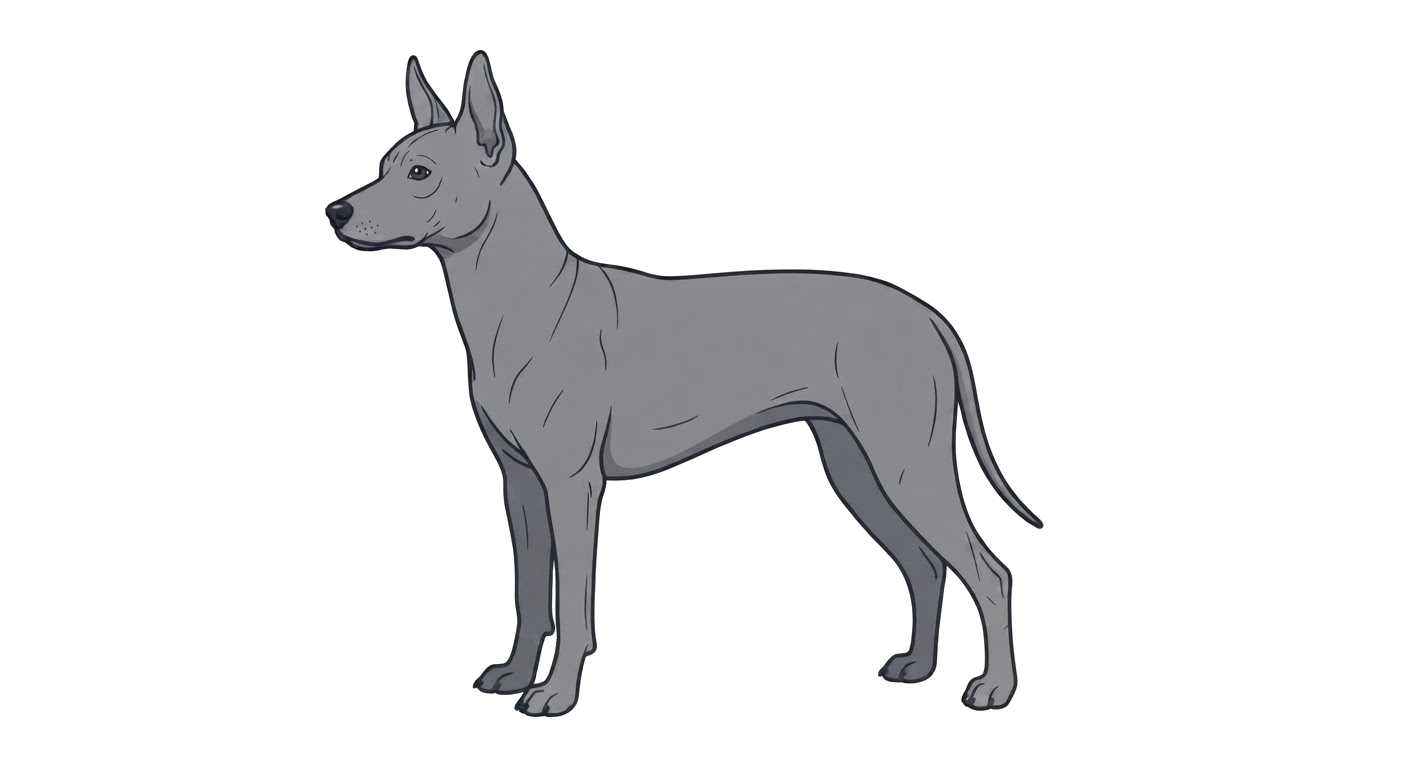
Grey
Standard colour
Ranges from pale to slate grey.
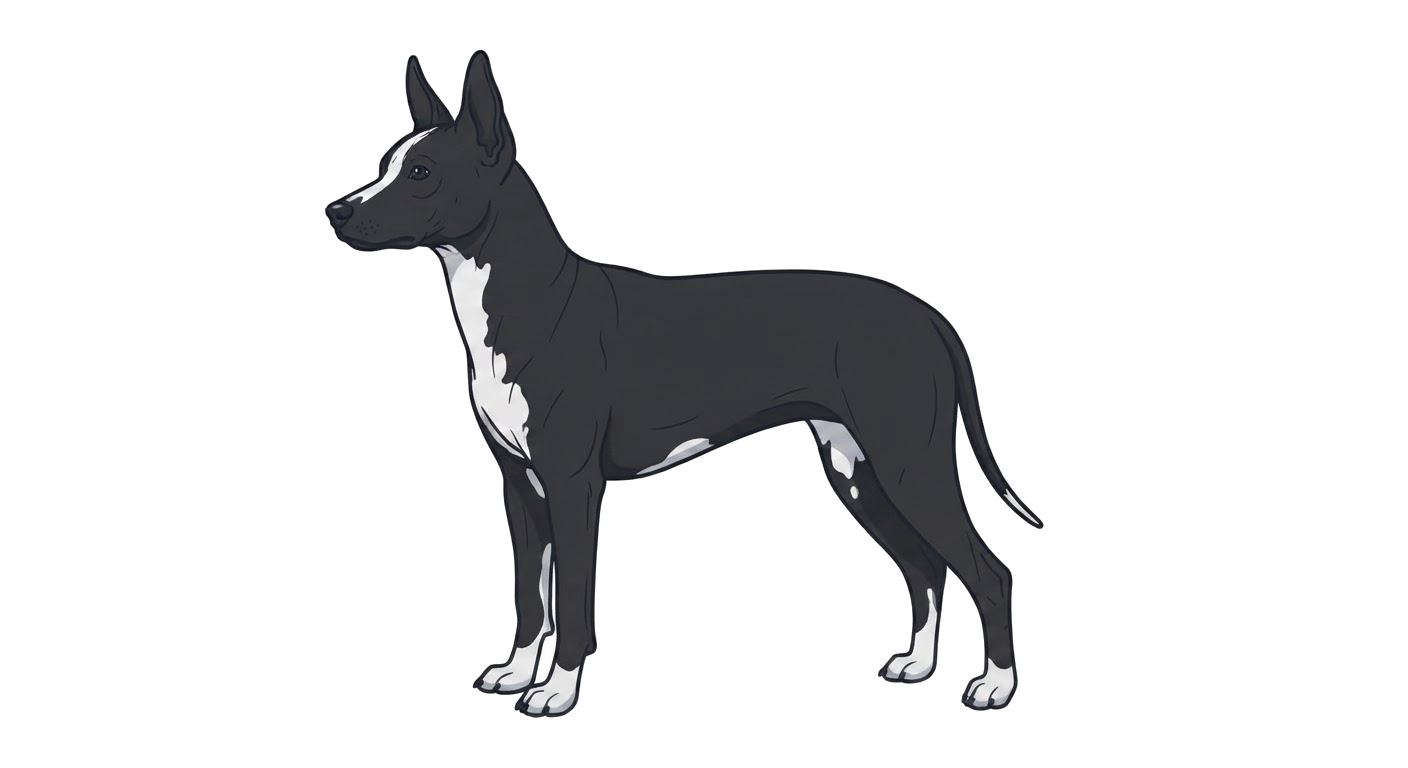
White markings
Standard colour
Small white markings are acceptable on the chest and feet.
Timeline
History & development
c. 1000 BCE
Pre-Columbian origins
Ancestors of the Xoloitzcuintli appear in art and archaeological remains across ancient Mexican civilisations.
16th century
Spanish conquest accounts
Spanish chroniclers recorded hairless dogs kept by Aztec and other Mesoamerican communities.
1887
AKC brief recognition then lapse
The breed was recognised briefly before being dropped from the registry as numbers dwindled.
1956
Mexican Kennel Club recognition
A rescue effort in rural Mexico led to renewed breeding and formal recognition in its home country.
2011
AKC recognition restored
The American Kennel Club re-recognised the Xoloitzcuintli in its Non-Sporting Group.
Reference
Breed standard summary
- body
- Lean, well-proportioned, level back.
- coat
- Hairless with soft skin, or short and close-fitting when coated.
- ears
- Large, bat-like, erect when alert.
- eyes
- Almond-shaped, medium, ranging in colour to match coat or skin.
- gait
- Light, agile and free-moving.
- head
- Wedge-shaped, moderate stop, wrinkled brow when alert.
- size
- Toy, miniature or standard, all sharing the same type.
- tail
- Long, thin, tapering, carried low.
- colour
- Black, Bronze, Grey, White markings. Colours outside this list are seen but are not accepted by the kennel clubs.
- temperament
- Typical of the breed: strongest in trainability, energy, sociability. Nervousness or aggression are serious faults in the show ring and in the home.
- general appearance
- Elegant, primitive in outline, hairless or coated, comes in three sizes.
Health
What to screen for
Green means little to worry about, amber means ask the breeder for test results, red means manage it actively.
Skin acne and dryness
Screen for it
The hairless variety needs regular moisturising and sun protection to avoid skin problems.
Dental issues
Low concern
The hairless gene is linked to missing or misaligned teeth; ask about dental health in the line.
Patellar luxation
Screen for it
Request a veterinary knee check on both parents.
General information only — always speak to your vet about your own dog.
From real owners
Dogs like this
Xoloitzcuintlis added by PawPoint members through their pet passports. Share yours to appear here.
Loading the wall…
Made for the Xoloitzcuintli
The book, plus prints, hoodies and mugs using our own Xoloitzcuintli illustration — and one everyday accessory that suits any dog.

The book
Pawpoint: The Complete Dog Breed Book
Every officially recognised breed plus the unofficial ones nobody else documents. 400+ pages, hardback, printed and shipped from the UK.
Own stock — shipped by us
Framed poster
Xoloitzcuintli Framed Poster
Museum-weight print of our Xoloitzcuintli illustration, framed or unframed.
Printed to order
Hoodie
Xoloitzcuintli Hoodie
Heavyweight hoodie carrying the Xoloitzcuintli illustration on the chest.
Printed to order
Mug
Xoloitzcuintli Mug
Ceramic mug with the Xoloitzcuintli illustration wrapped around it.
Printed to order

Accessory
Car Seatbelt Restraint
Clips any harness to a standard seatbelt buckle.
Fits any dog

Pawpoint on YouTube
Watch the full Xoloitzcuintli video
Breed deep-dives, history and honest ownership talk. New film every week.
Watch now