
Laizhou Hong
LYE-joh HONG
China· Laizhou, Shandong province, eastern China
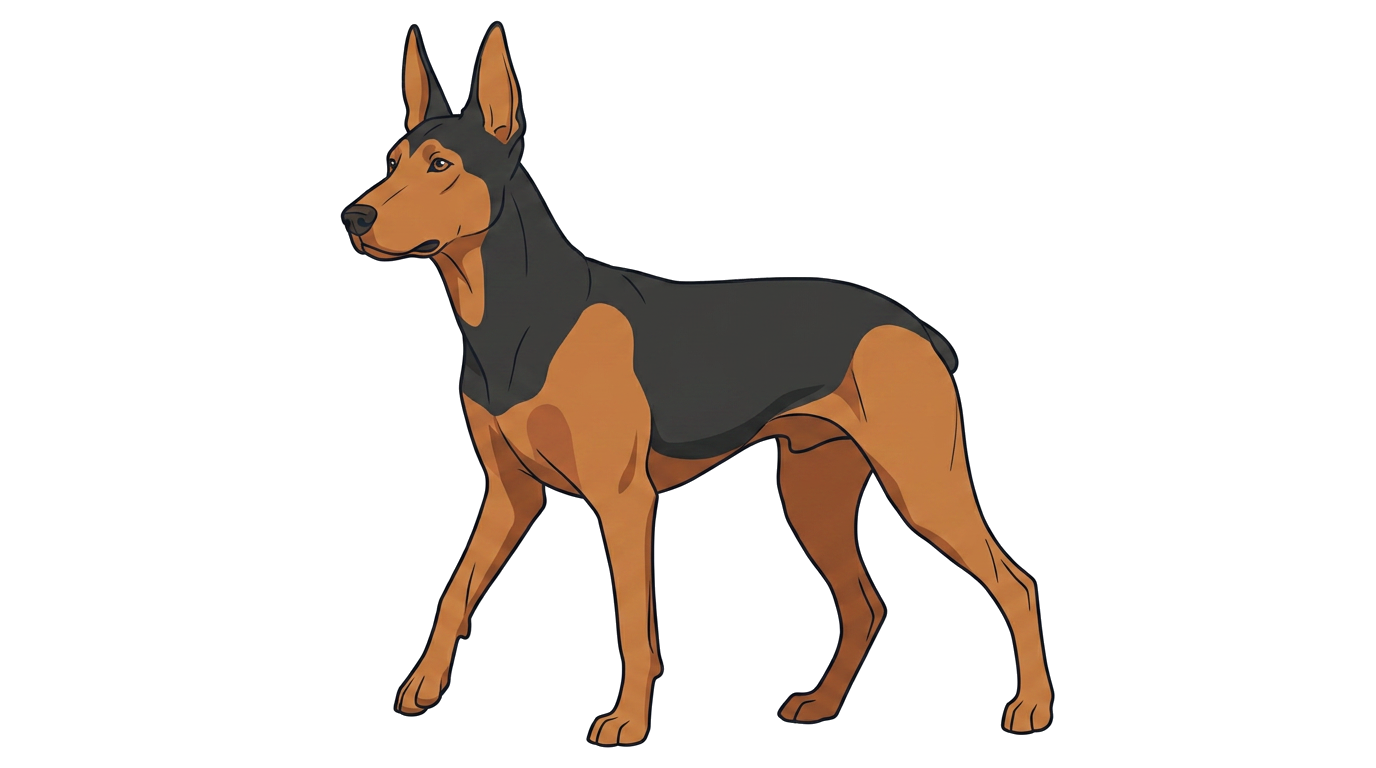
The Laizhou Hong — literally the "Laizhou red" and known in English as the Chinese Red Dog — is a large molosser-type guard dog from Shandong province, black-coated with the rich red-tan markings that give it its name.
At a glance
Quick facts
Size
Giant
Exercise needs
90 minutes or more daily, with work for the mind
Home size suited to
Large home with secure outdoor space
Grooming frequency
Weekly brush; more during the spring moult
Coat length
Short
Sheds
Yes, moderately, heavier when moulting
Lifespan
10–12 years
Town or country
Better suited to the country
Garden size needed
Large and very securely fenced
Where it comes from
Origins of the Laizhou Hong
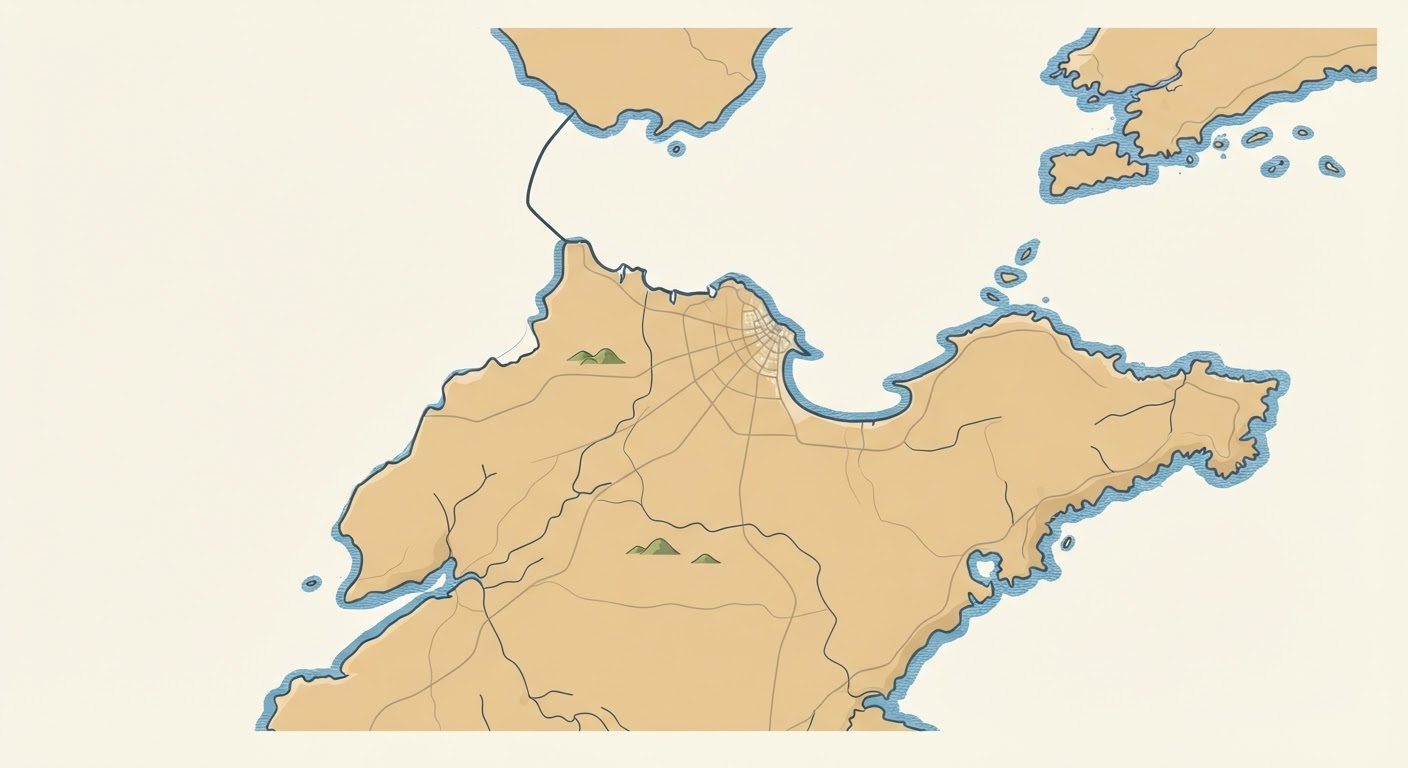
Developed around the port city of Laizhou on the Shandong peninsula, where German settlers' shepherds, Great Danes and Rottweilers were crossed onto native Shandong working dogs. Hot summers and cold winters favoured a short, hard coat over a tall, dry frame.
- Region
- Laizhou, Shandong province, eastern China
- Climate it was bred for
- Temperate continental — hot humid summers, cold dry winters
- Original job
- Property and livestock guarding
The long read
About the breed
It was put together in the late nineteenth century around the city of Laizhou, where German settlers and their dogs met the local working stock. Native Shandong hunting dogs, including the Shandong Xian Hound, were crossed with imported German Shepherds, Great Danes and Rottweilers. The intention was a dog with the reach and stamina of a herder, the height and bone of a mastiff and the flat, businesslike guarding temperament of the Rottweiler.
The result is a tall, dry-muscled dog of roughly 60 to 70 centimetres, deep through the chest without the heavy jowls of the western mastiffs, and unmistakably marked: dense black coat with tan or mahogany points over the eyes, on the muzzle, chest and legs. Ears are traditionally cropped in China and left natural elsewhere; the natural ear is small and dropped.
In temperament the Laizhou Hong is watchful rather than noisy, tightly bonded to its own household and reserved to the point of suspicion with strangers. It is a working guard first and a companion second, and it needs an experienced owner, real space and consistent early socialisation.
The breed is recognised by the Chinese Kennel Union but not by the Kennel Club, the AKC or the FCI, so it is documented here as Unofficial / Emerging. English-language sourcing on the breed is thin and figures for height, weight and health should be read as indicative rather than settled.
Related breeds
Explore connected types
Similar regional histories do not make these names interchangeable.
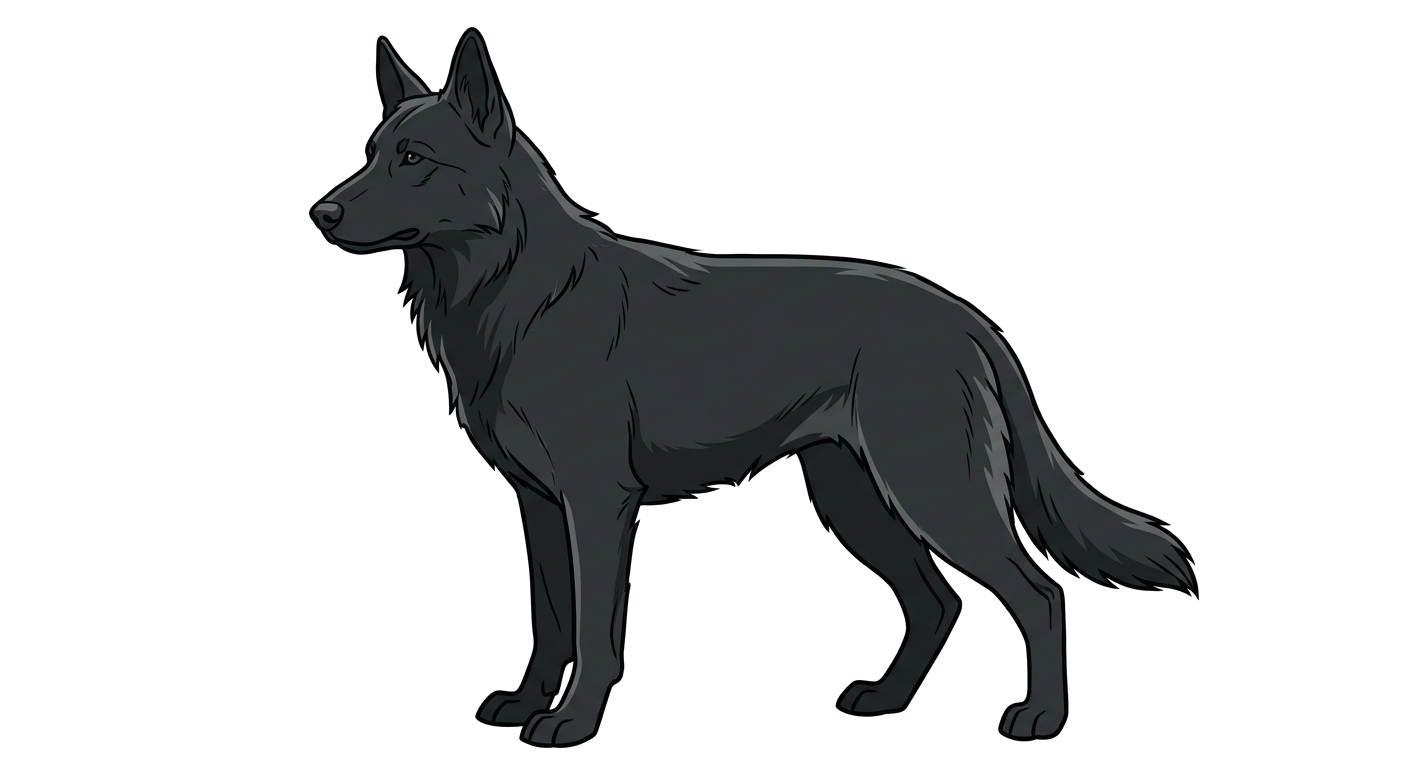 Langqing Quan
A northern Chinese wolf-like working type, usually seen in solid black.
Living with one
Temperament & needs
Our own ratings, based on the breed standard and how these dogs behave in ordinary homes.
Friendliness
2/5
Warm with its own people, distant with everyone else.
Trainability
4/5
Quick to learn from a calm, consistent handler.
Energy
3/5
Steady stamina rather than bursts of speed.
Barking
2/5
Quiet by habit; barks with a reason.
Grooming
1/5
Short hard coat needs very little.
Suits a first-time owner
1/5
A guarding breed with real power — experience needed.
Sociability
2/5
Reserved with strangers and often sharp with strange dogs.
Independence
4/5
Makes its own judgements about who belongs on the property.
Illustrated breed standard
The points of the breed
Hover or tap a numbered point to read what the standard asks for.
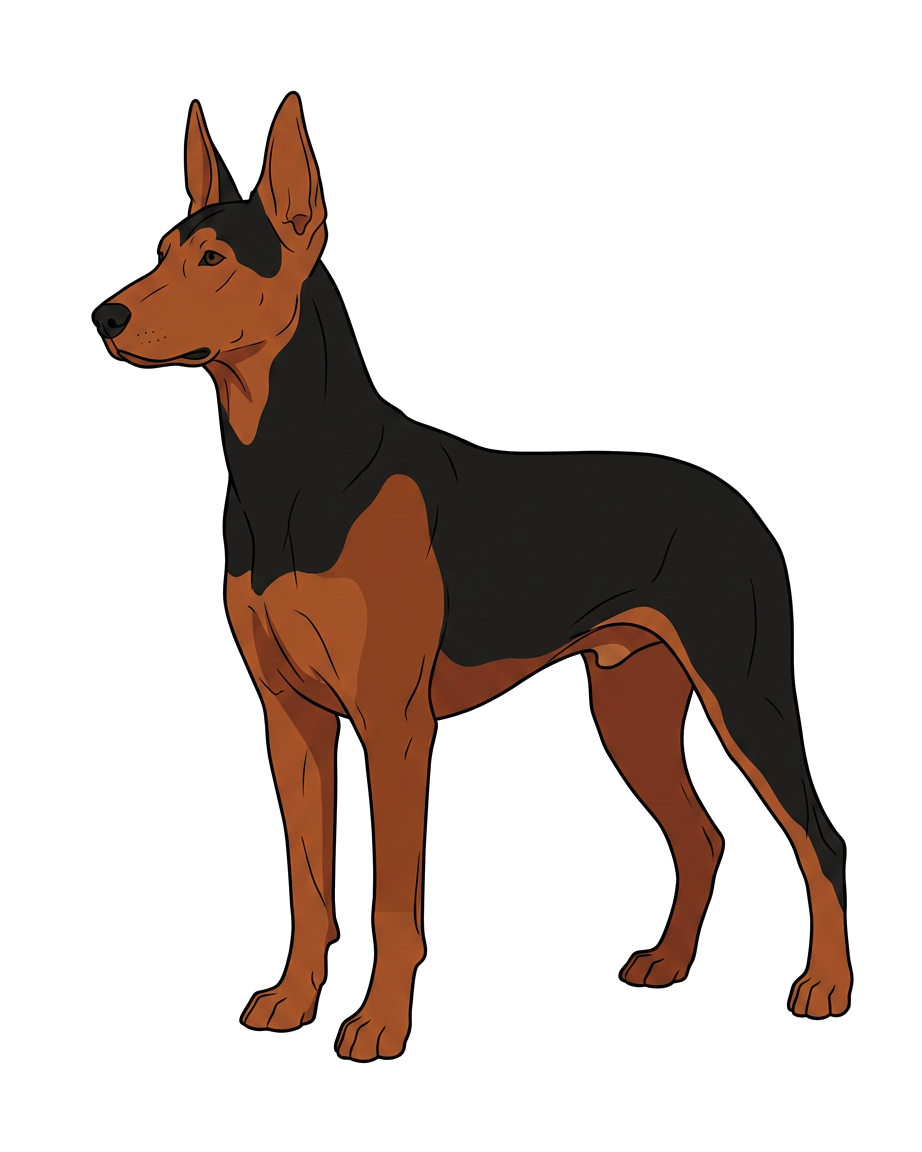
Point 1
Skull
Broad and flat between the ears with a moderate stop and tight, clean skin. Neither the coarse mastiff head nor a narrow, refined one is correct.
Colours & patterns
Recognised coats
Which coats the standard accepts — and which are simply popular.
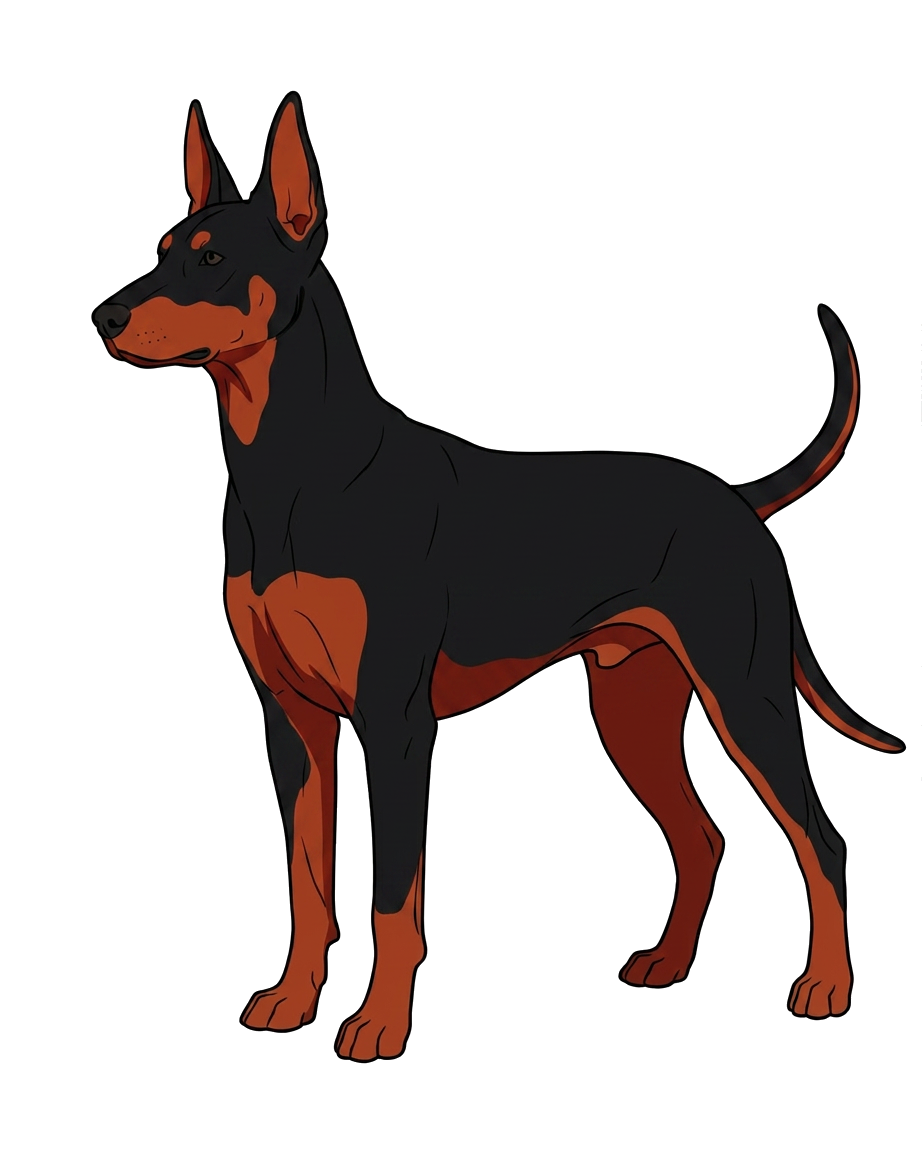
Black and red
Standard colour
The classic marking pattern and the source of the breed's name.
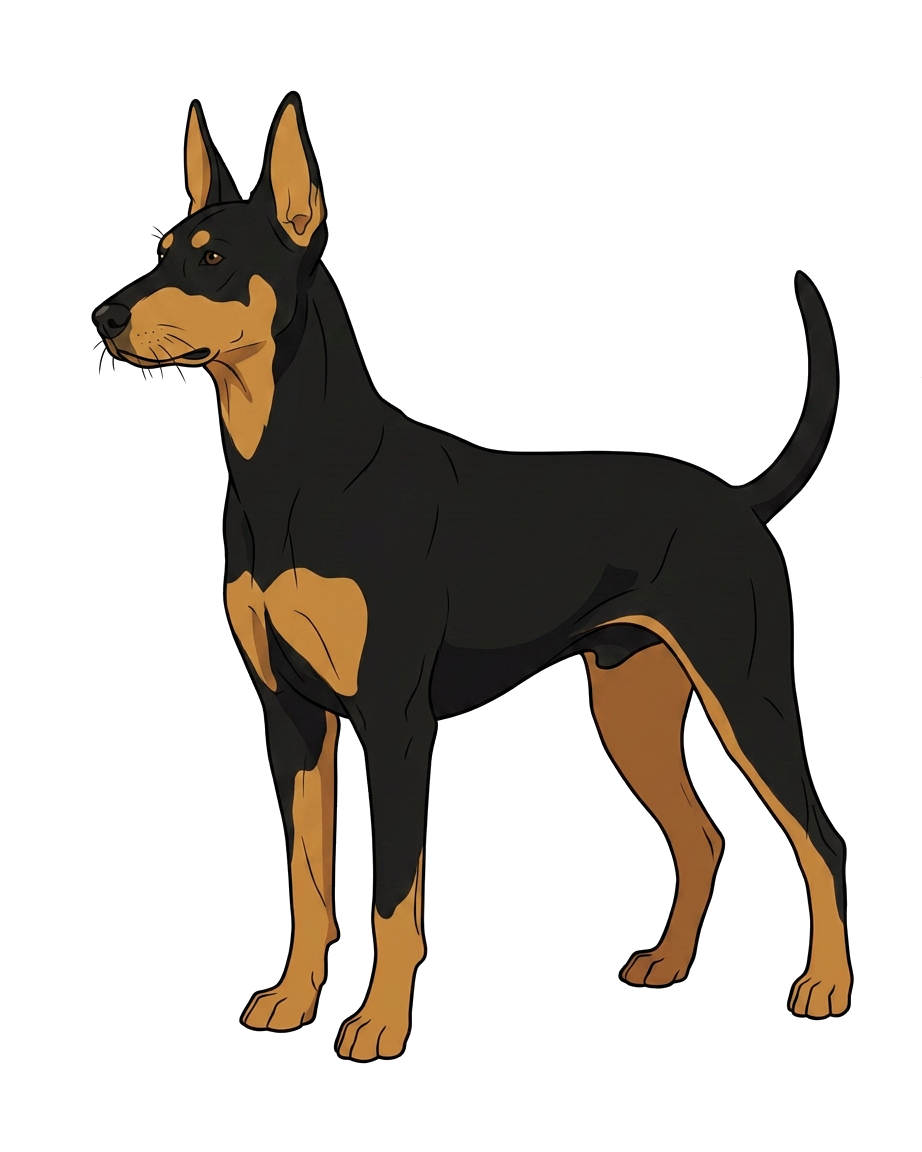
Black and tan
Standard colour
Lighter tan points; equally correct under the CKU description.
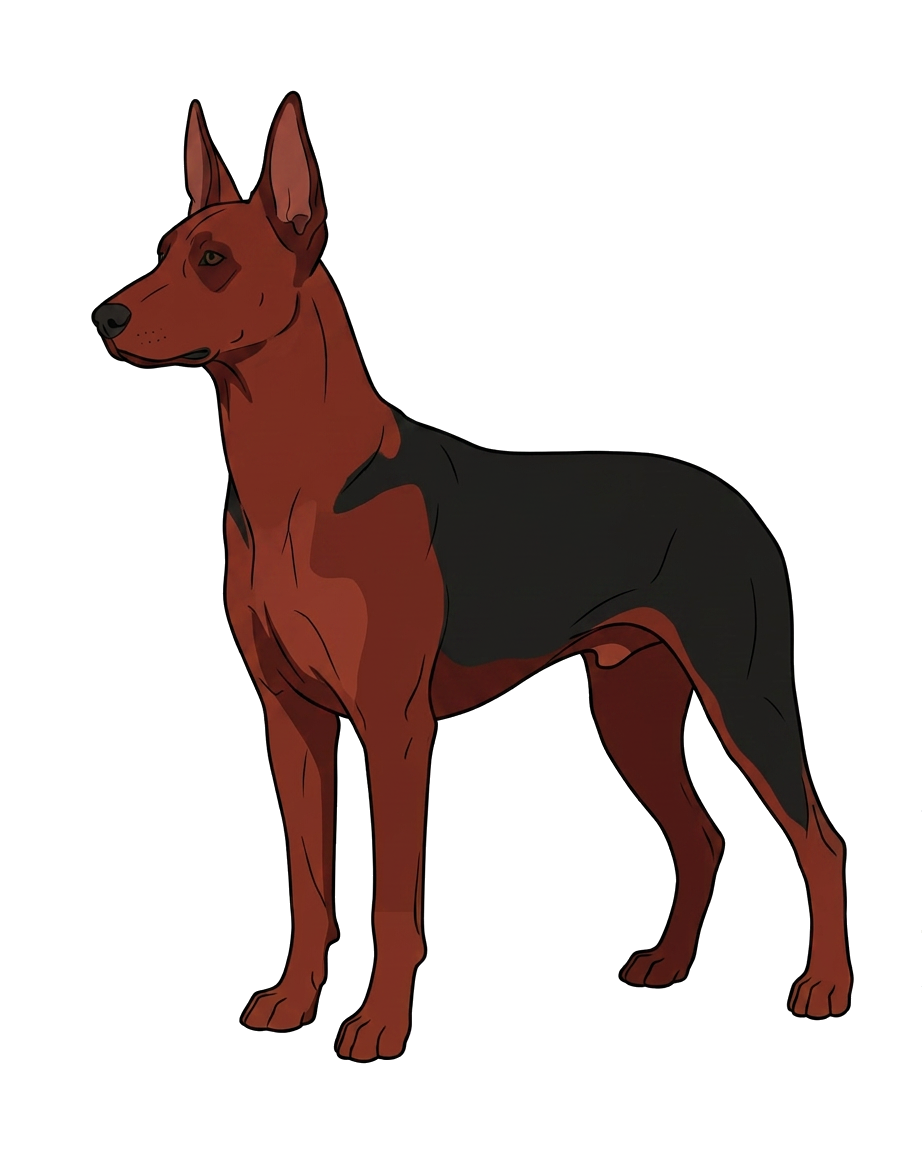
Black and mahogany
Standard colour
Deep, dark red points — much prized by Chinese breeders.
Outside the standard
Other colours
Dilute coats you will see advertised. They are the same breed, but no kennel club accepts them.
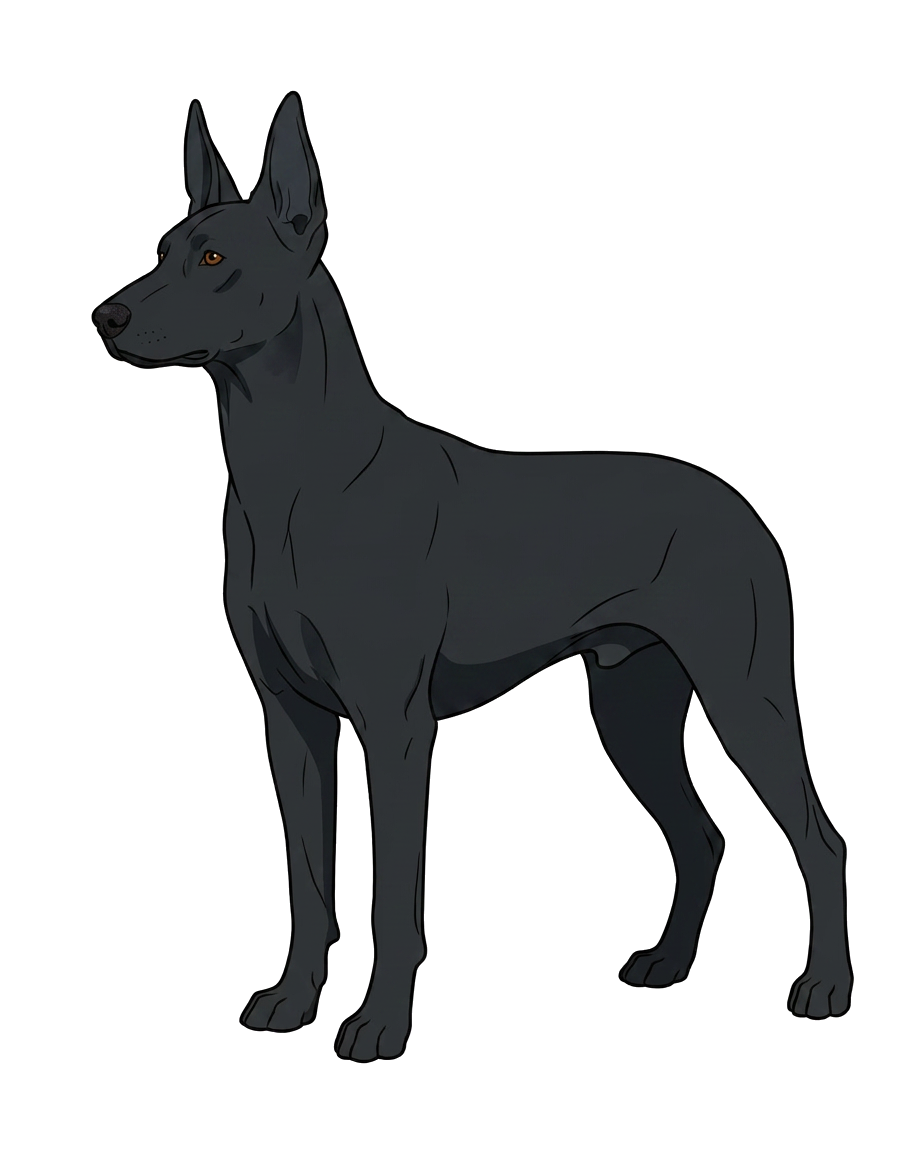
Solid black
Not in the standard
Occurs but loses the defining red markings; undesirable.
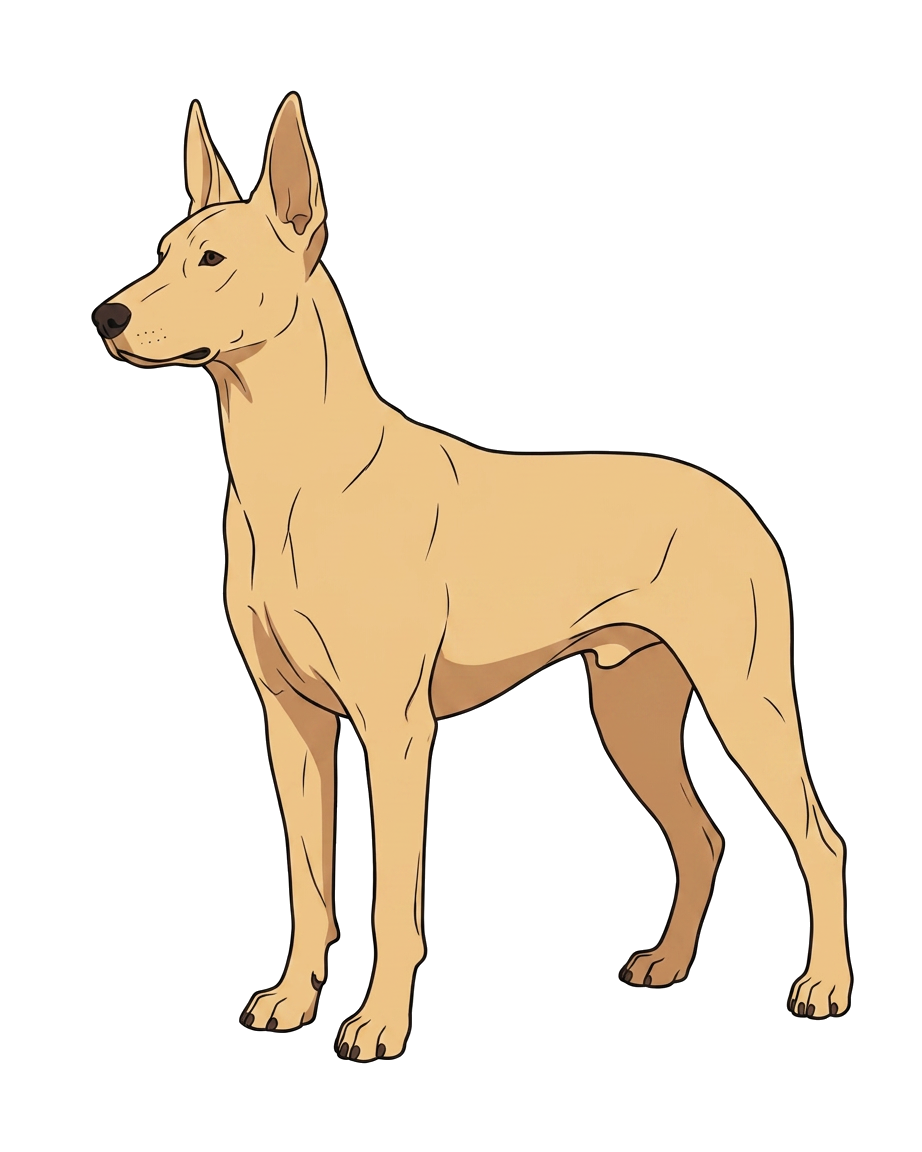
Fawn
Not in the standard
A throwback to the Great Dane ancestry; outside the described type.
Timeline
History & development
1890s
German dogs reach Shandong
Settlers and traders bring German Shepherds, Great Danes and Rottweilers into the Laizhou area.
1900s–1930s
The type is fixed
Local breeders cross the imports onto native Shandong stock, including the Xian Hound, selecting for height, bone and guarding nerve.
late 1900s
Regional working dog
The Laizhou Hong spreads through eastern China as a farm, factory and compound guard.
2000s
CKU recognition
The Chinese Kennel Union records the breed; it remains outside KC, AKC and FCI registers.
present
Emerging abroad
Small numbers appear outside China, with no agreed English-language standard and limited health data.
Reference
Breed standard summary
- body
- Deep chest to the elbow, well-sprung ribs, short strong loin and a level topline.
- coat
- Short, hard and close-lying with a modest undercoat.
- ears
- Small, set high and dropped close to the cheek. Cropped ears are traditional in China but not required.
- eyes
- Medium, almond-shaped and dark, set well apart; expression steady and watchful.
- gait
- Long, effortless ground-covering trot inherited from the herding side of the cross.
- head
- Broad skull with moderate stop, strong cheeks and clean, tight skin — no heavy jowls.
- neck
- Long, muscular and dry, flowing into well-laid shoulders.
- size
- Dogs 64–72 cm and 45–60 kg; bitches 60–68 cm and 38–50 kg.
- tail
- Thick at the root and tapering, carried low at rest.
- colour
- Black with clearly defined red, tan or mahogany markings over the eyes, on the muzzle, chest, legs and under the tail. Solid or washed-out colouring is undesirable.
- muzzle
- Deep and broad, slightly shorter than the skull, with a strong scissor bite.
- temperament
- Calm, confident and territorial. Nervousness or unprovoked aggression are serious faults.
- general appearance
- Tall, powerful molosser of dry muscle and clean outline; substantial without coarseness.
Health
What to screen for
Green means little to worry about, amber means ask the breeder for test results, red means manage it actively.
Hip and elbow dysplasia
Watch closely
No breed scheme exists — insist on scored parents before buying.
Gastric torsion (bloat)
Watch closely
Feed two or three smaller meals and learn the emergency signs.
Dilated cardiomyopathy
Watch closely
Ask for a cardiac examination on both parents.
Cruciate ligament injury
Low concern
Keep growing puppies lean and avoid repetitive jumping.
Limited health data
Watch closely
Outside KC, AKC and FCI registers, so pedigree and testing records are often thin.
General information only — always speak to your vet about your own dog.
From real owners
Dogs like this
Laizhou Hongs added by PawPoint members through their pet passports. Share yours to appear here.
Loading the wall…
Made for the Laizhou Hong
The book, plus prints, hoodies and mugs using our own Laizhou Hong illustration — and one everyday accessory that suits any dog.

The book
Pawpoint: The Complete Dog Breed Book
Every officially recognised breed plus the unofficial ones nobody else documents. 400+ pages, hardback, printed and shipped from the UK.
Own stock — shipped by us
Framed poster
Laizhou Hong Framed Poster
Museum-weight print of our Laizhou Hong illustration, framed or unframed.
Printed to order
Hoodie
Laizhou Hong Hoodie
Heavyweight hoodie carrying the Laizhou Hong illustration on the chest.
Printed to order
Mug
Laizhou Hong Mug
Ceramic mug with the Laizhou Hong illustration wrapped around it.
Printed to order
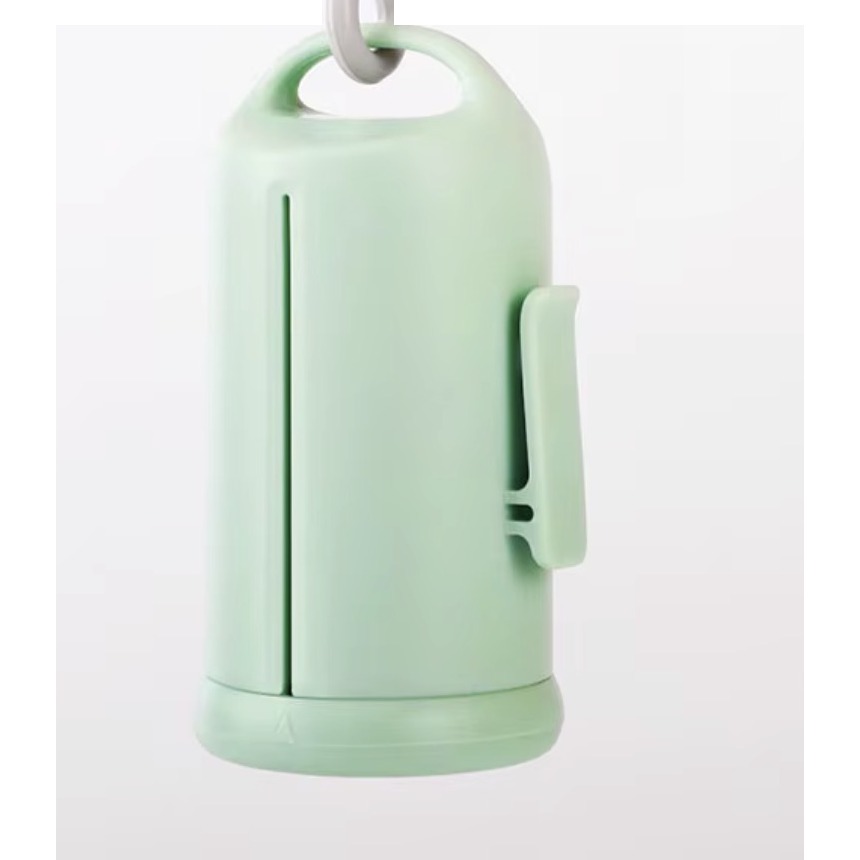
Accessory
Waste Bag Dispenser
Clips to the lead, holds one standard roll.
Fits any dog

Pawpoint on YouTube
Watch the full Laizhou Hong video
Breed deep-dives, history and honest ownership talk. New film every week.
Watch now