
Maltipoo
MAWL-tee-poo
United States· United States
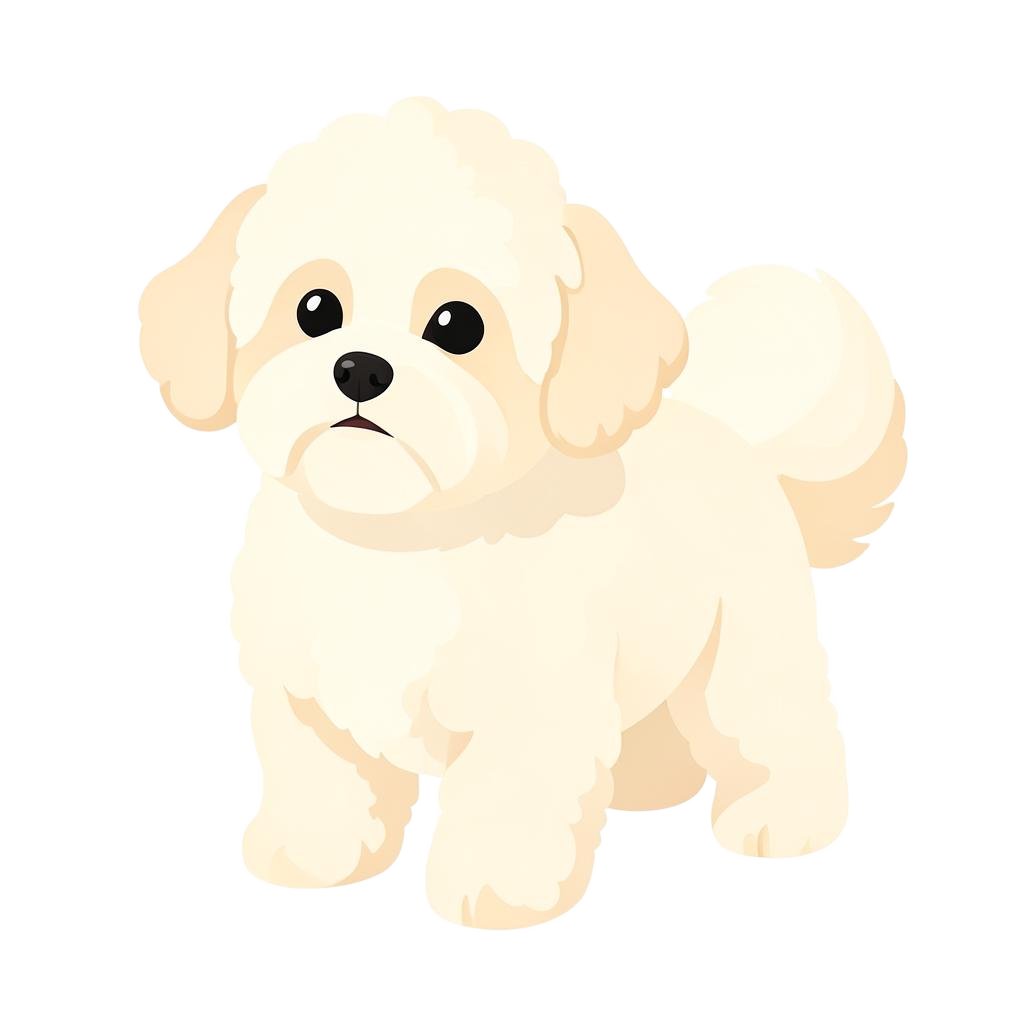
The Maltipoo is a cross between the Maltese and the Toy or Miniature Poodle, developed in the United States in the late twentieth century as a small, affectionate, low-shedding companion. It is also known as the Multipoo or Malti Poo.
At a glance
Quick facts
Size
Small
Exercise needs
30–45 minutes daily
Home size suited to
Flat or small home
Grooming frequency
Daily brushing, plus trims every 6–12 weeks
Coat length
Medium
Sheds
Very little to moderately, depending on coat type
Lifespan
10–14 years
Town or country
Either, with company and play
Garden size needed
Small garden or none
Where it comes from
Origins of the Maltipoo
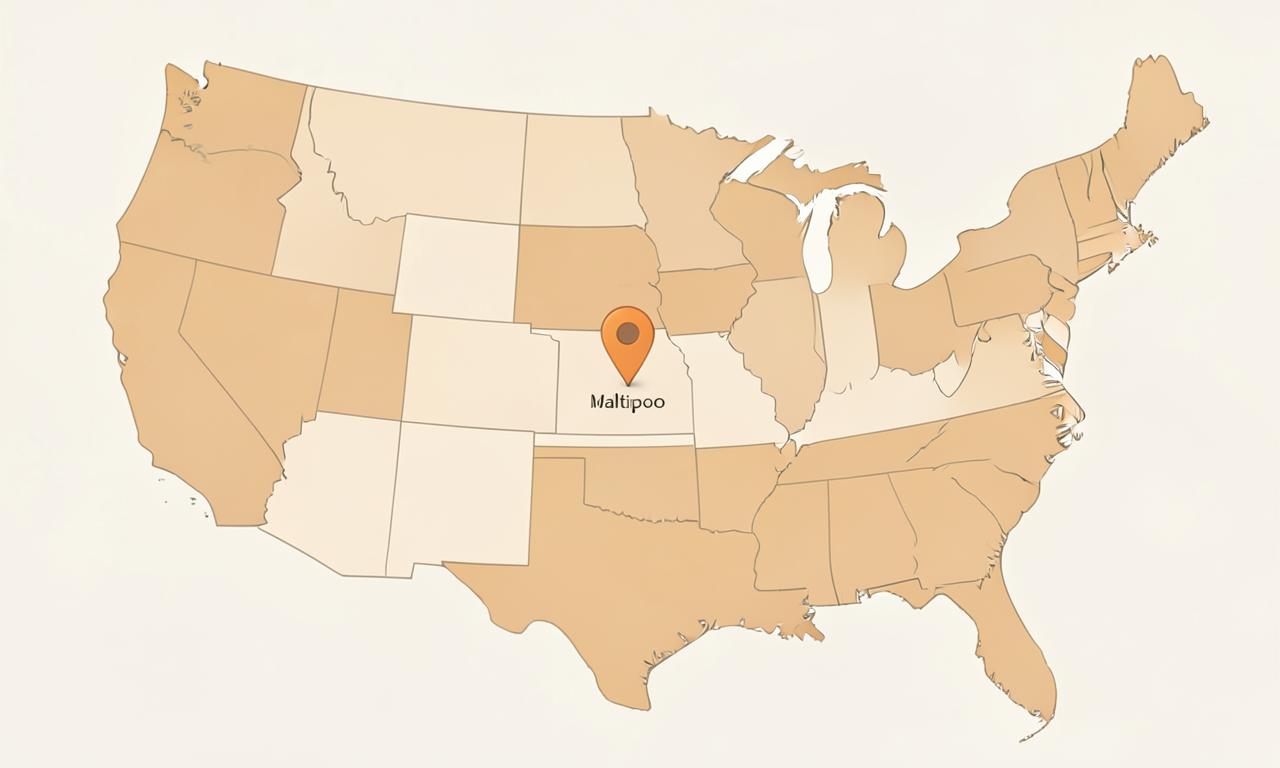
The Maltipoo has no traditional working landscape; it was developed in the United States as a deliberate companion cross combining the Maltese's gentle nature with the Poodle's coat and intelligence.
- Region
- United States
- Climate it was bred for
- Varied; developed as a companion cross, sensitive to temperature extremes given small size
- Original job
- Companion dog with a low-shedding coat
The long read
About the breed
Like other doodle crosses, it is not a breed in the registry sense: no major kennel club recognises it, and there is no fixed standard, so size, coat and temperament vary from litter to litter depending on which parent's genes dominate. Smaller Toy lines typically run 5–10 lb, while Miniature Poodle crosses reach 10–20 lb. The coat ranges from a soft wave to a tight curl and comes in white, cream, apricot, black, chocolate, silver and parti-colour combinations.
Living with a Maltipoo means living with a gentle, playful, people-focused dog that adapts brilliantly to flats and first-time owners. The trade-offs are a high-maintenance coat — daily brushing and regular trims — and a strong attachment to its people that can tip into separation anxiety if it is routinely left alone for long periods. Its small size also makes it sensitive to temperature extremes.
Because the cross is unregulated, health screening of both parent dogs matters more than the puppy's price tag or marketing. Ask for the Maltese and Poodle parents' patella and eye test results, and be sceptical of 'hypoallergenic' claims — the coat is low-shedding, not allergen-free.
Expect litter-to-litter differences depending on which parent's genes dominate — coat, size and temperament vary more than in an established breed.
Related breeds
Explore connected types
Similar regional histories do not make these names interchangeable.
 Pomapoo
Another small doodle cross, this time with Pomeranian rather than Maltese character.
 Cavapoo
A similarly gentle small doodle, with the Cavalier's spaniel temperament.
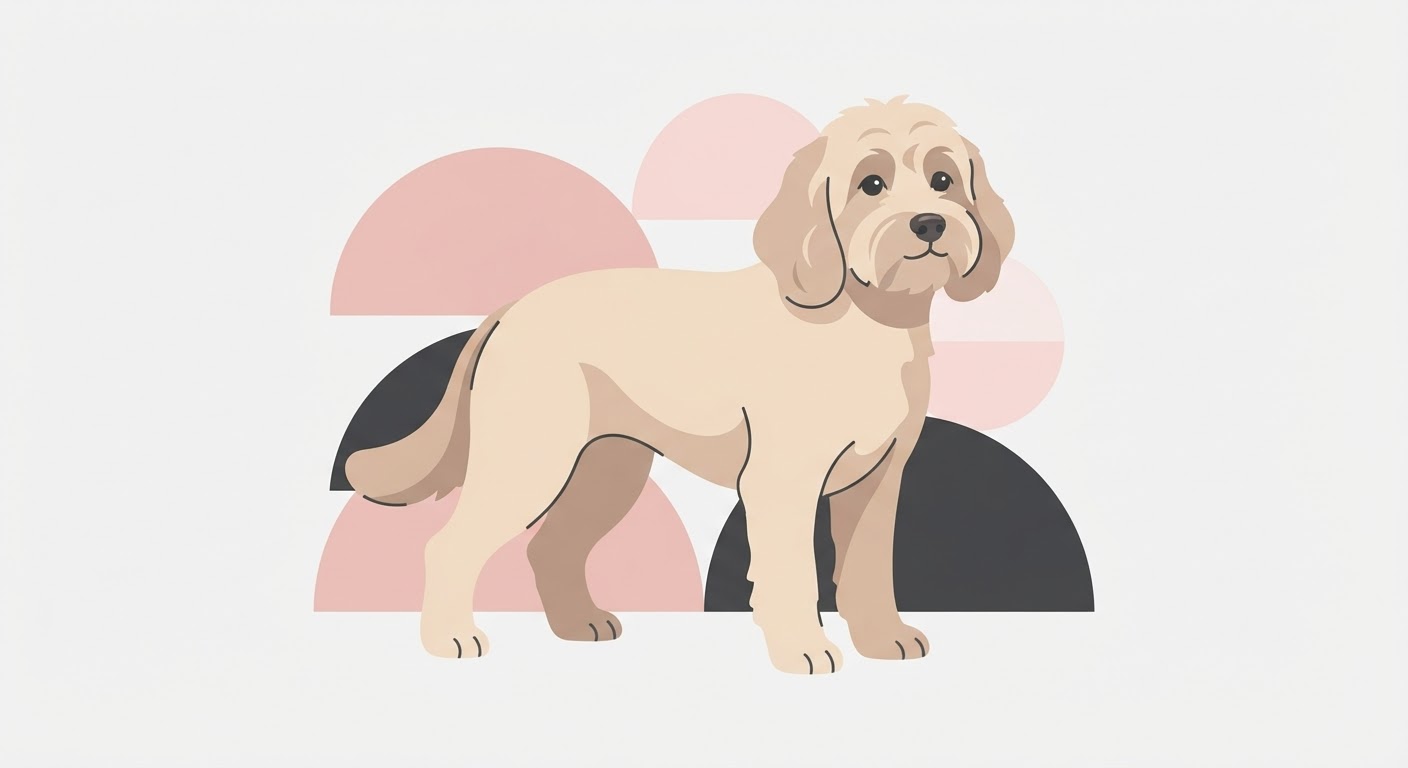 Cockapoo
The original doodle cross — a little larger and usually more energetic.
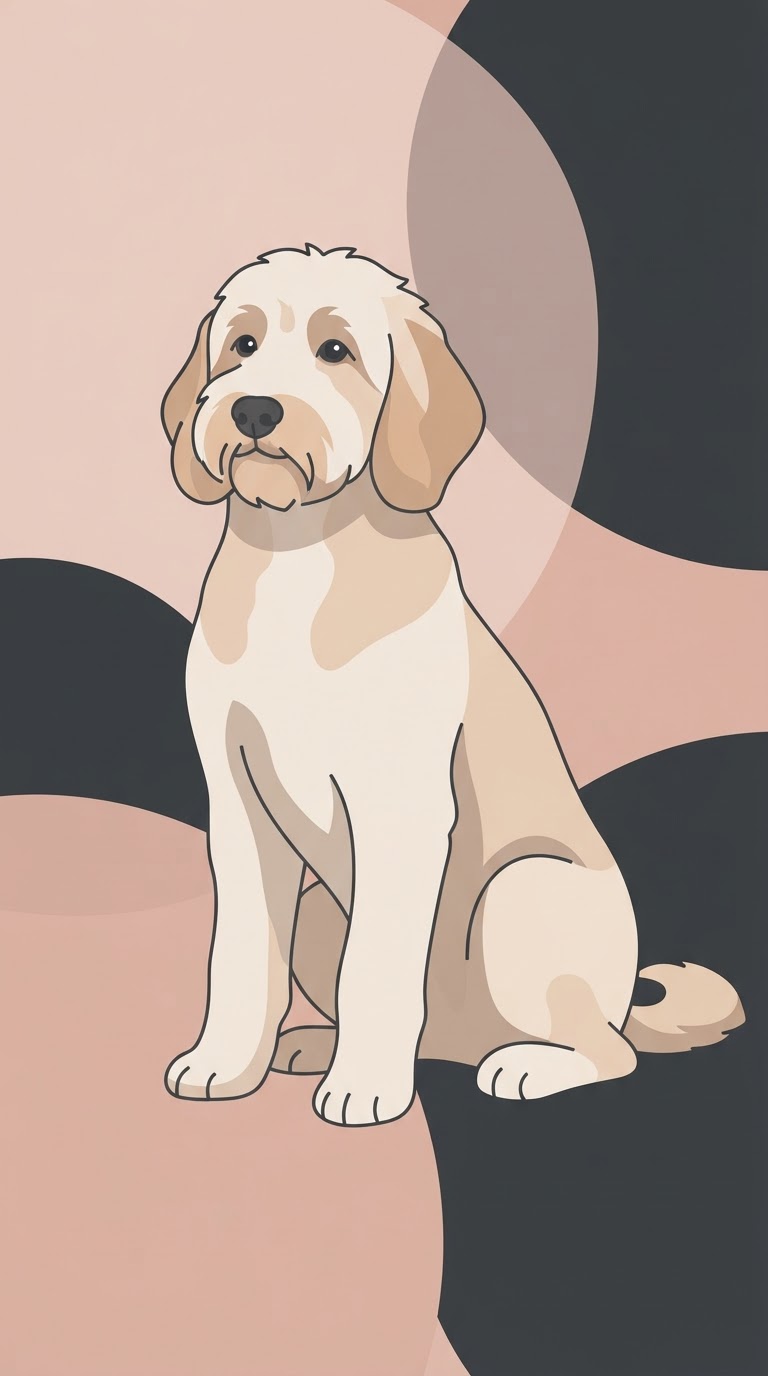 Labradoodle
The best-known doodle, in a much larger, more athletic package.
Living with one
Temperament & needs
Our own ratings, based on the breed standard and how these dogs behave in ordinary homes.
Friendliness
5/5
Affectionate and openly friendly with people it knows and most strangers.
Trainability
5/5
Intelligent and eager to please; highly trainable with gentle, consistent handling.
Energy
2/5
Low to moderate — short walks and play sessions are enough.
Barking
2/5
Usually moderate, though alert barking can develop if bored or anxious.
Grooming
5/5
High — daily brushing plus professional trims every 6–12 weeks to prevent matting.
Suits a first-time owner
5/5
An excellent choice for a first-time owner; forgiving and adaptable.
Sociability
5/5
Very people-focused; does best in calm households with regular company.
Independence
1/5
Forms strong bonds and can be prone to separation anxiety if left alone too long.
Illustrated breed standard
The points of the breed
Hover or tap a numbered point to read what the standard asks for.
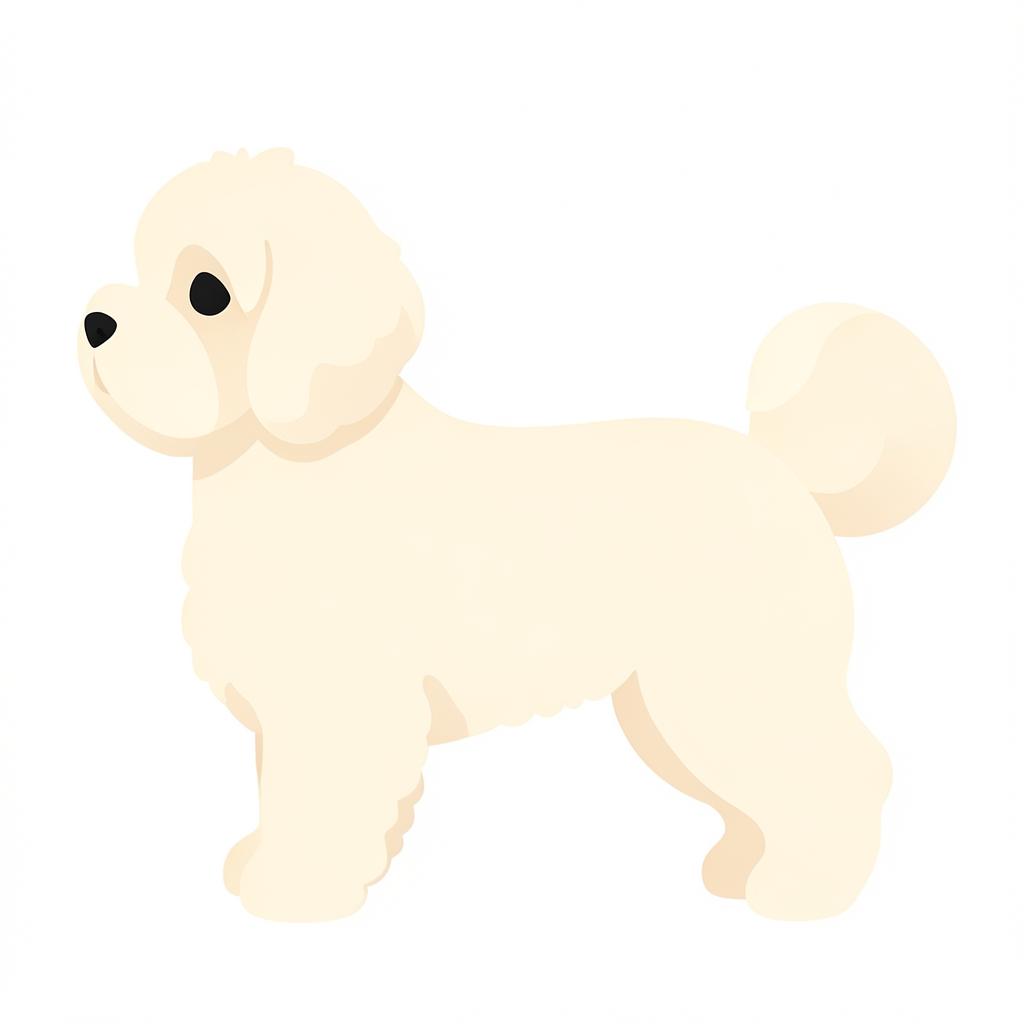
Point 1
Head
The Maltipoo's head should be balanced and expressive, between the two parent types.
Colours & patterns
Recognised coats
Which coats the standard accepts — and which are simply popular.
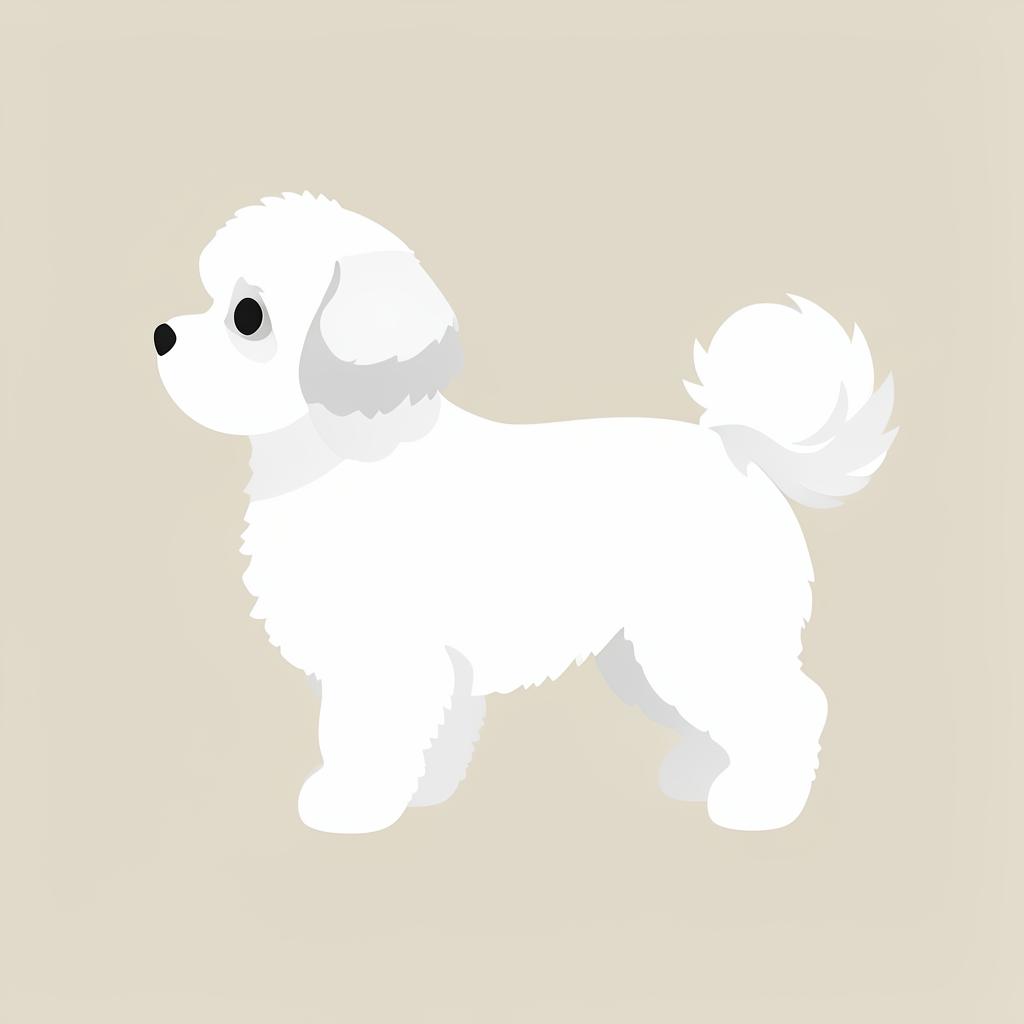
White
Standard colour
A common Maltipoo coat; as an unregulated cross, no colour is officially 'accepted' or excluded.
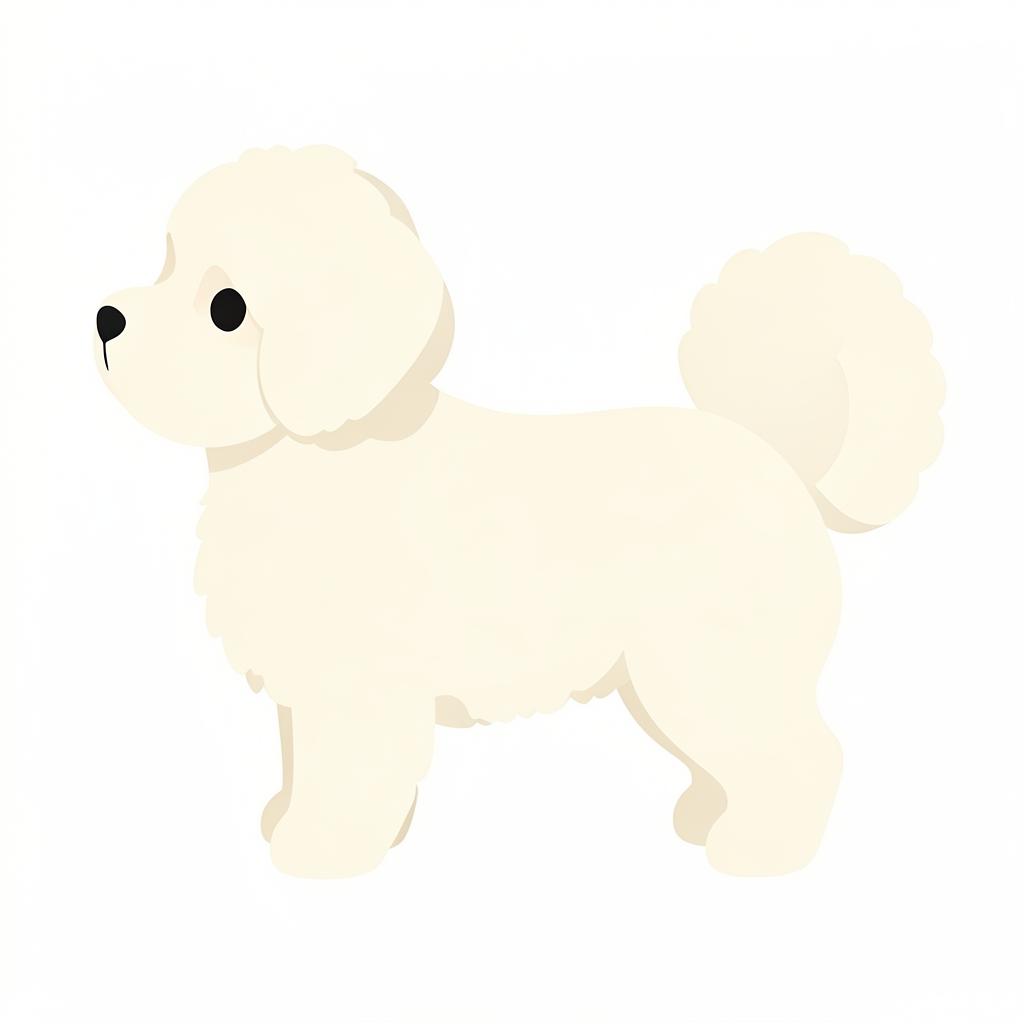
Cream
Standard colour
A common Maltipoo coat; as an unregulated cross, no colour is officially 'accepted' or excluded.
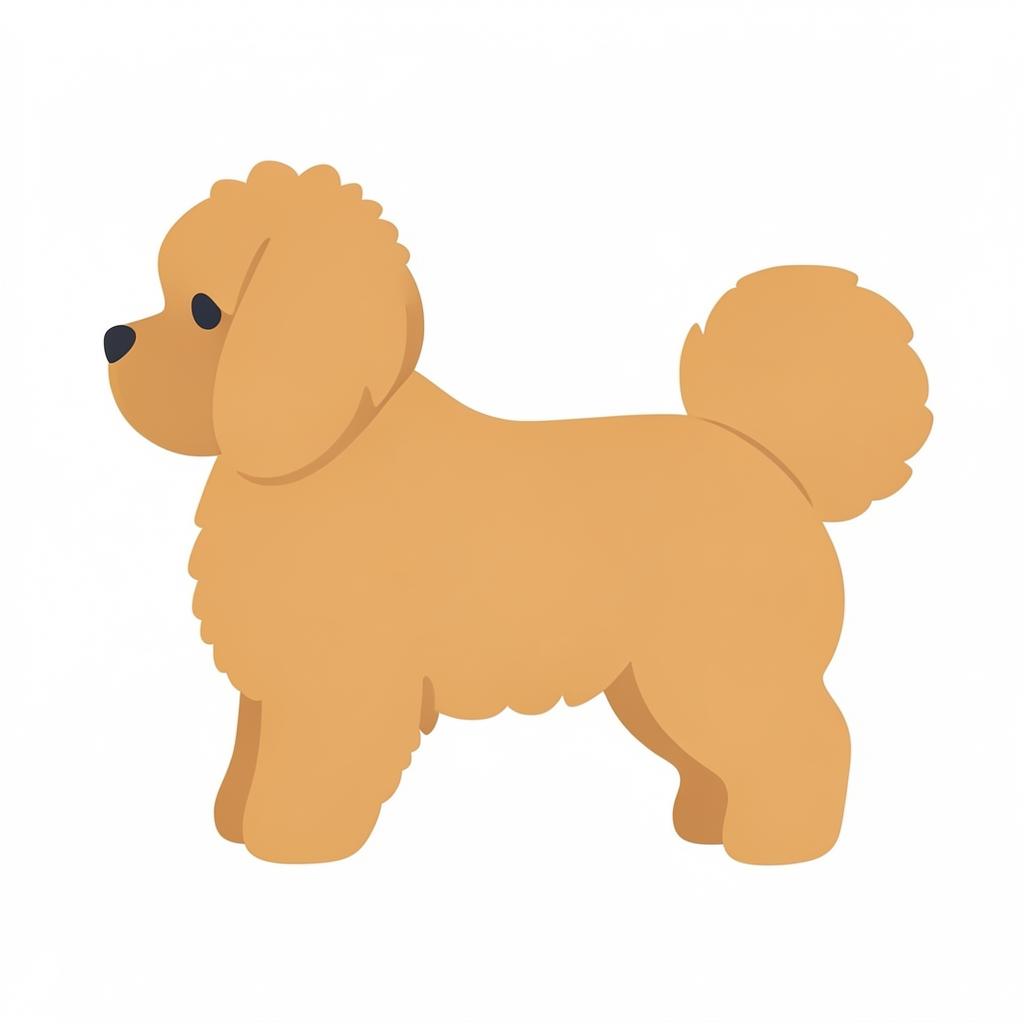
Apricot
Standard colour
A common Maltipoo coat; as an unregulated cross, no colour is officially 'accepted' or excluded.
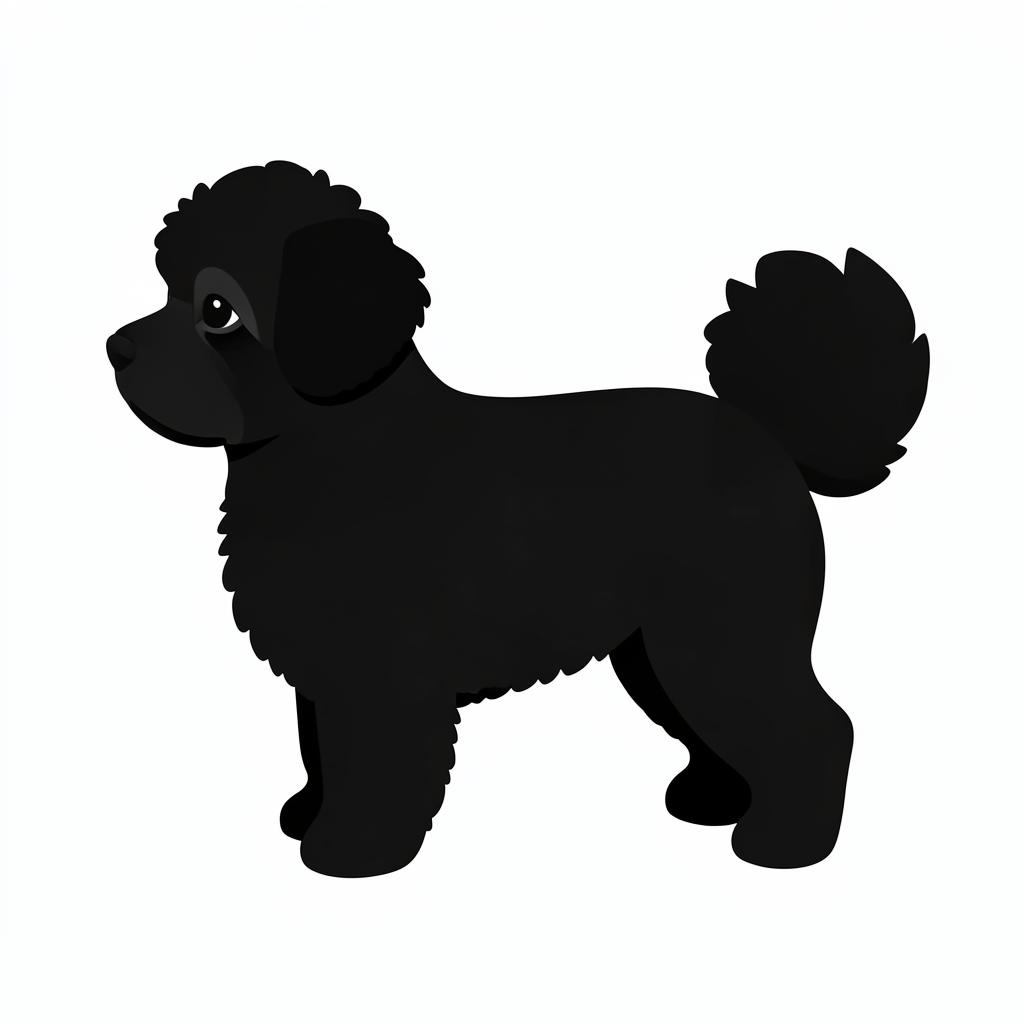
Black
Standard colour
A common Maltipoo coat; as an unregulated cross, no colour is officially 'accepted' or excluded.
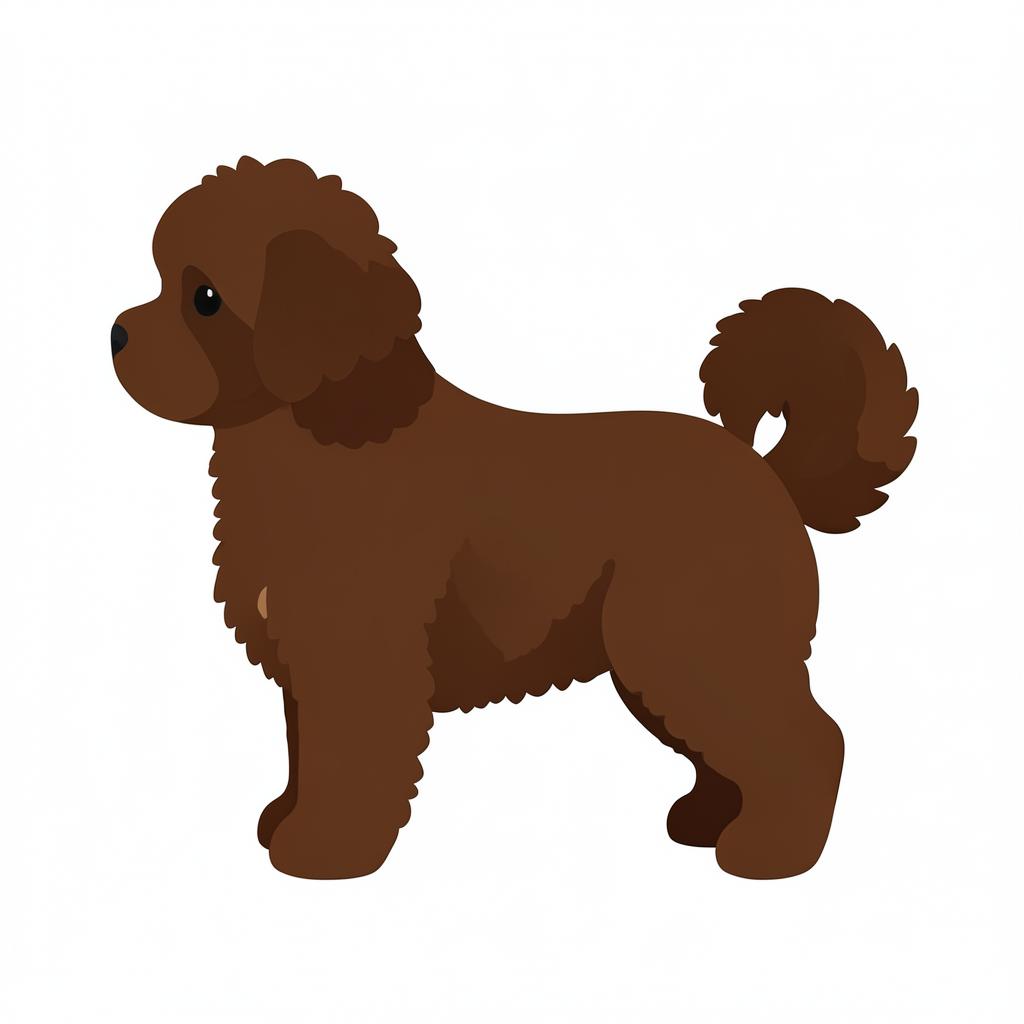
Chocolate
Standard colour
A common Maltipoo coat; as an unregulated cross, no colour is officially 'accepted' or excluded.
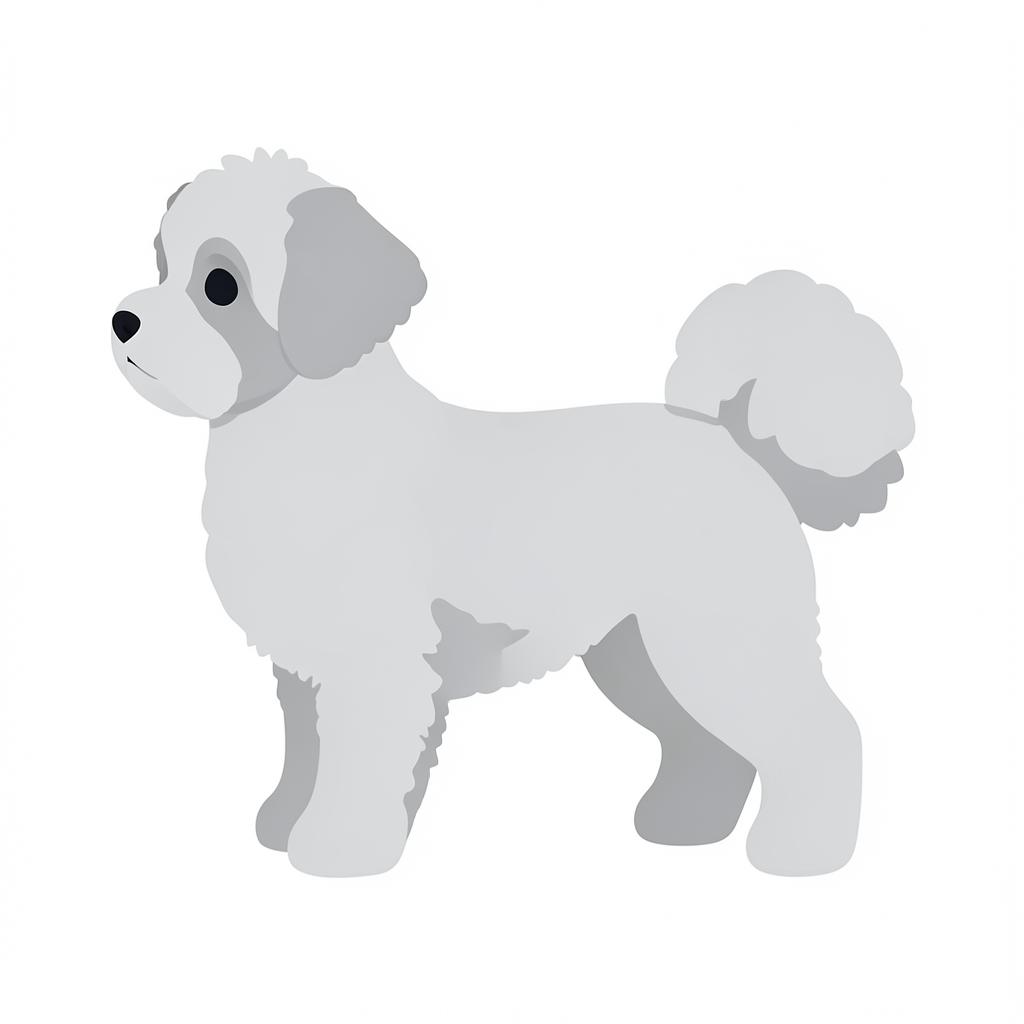
Silver
Standard colour
A common Maltipoo coat; as an unregulated cross, no colour is officially 'accepted' or excluded.
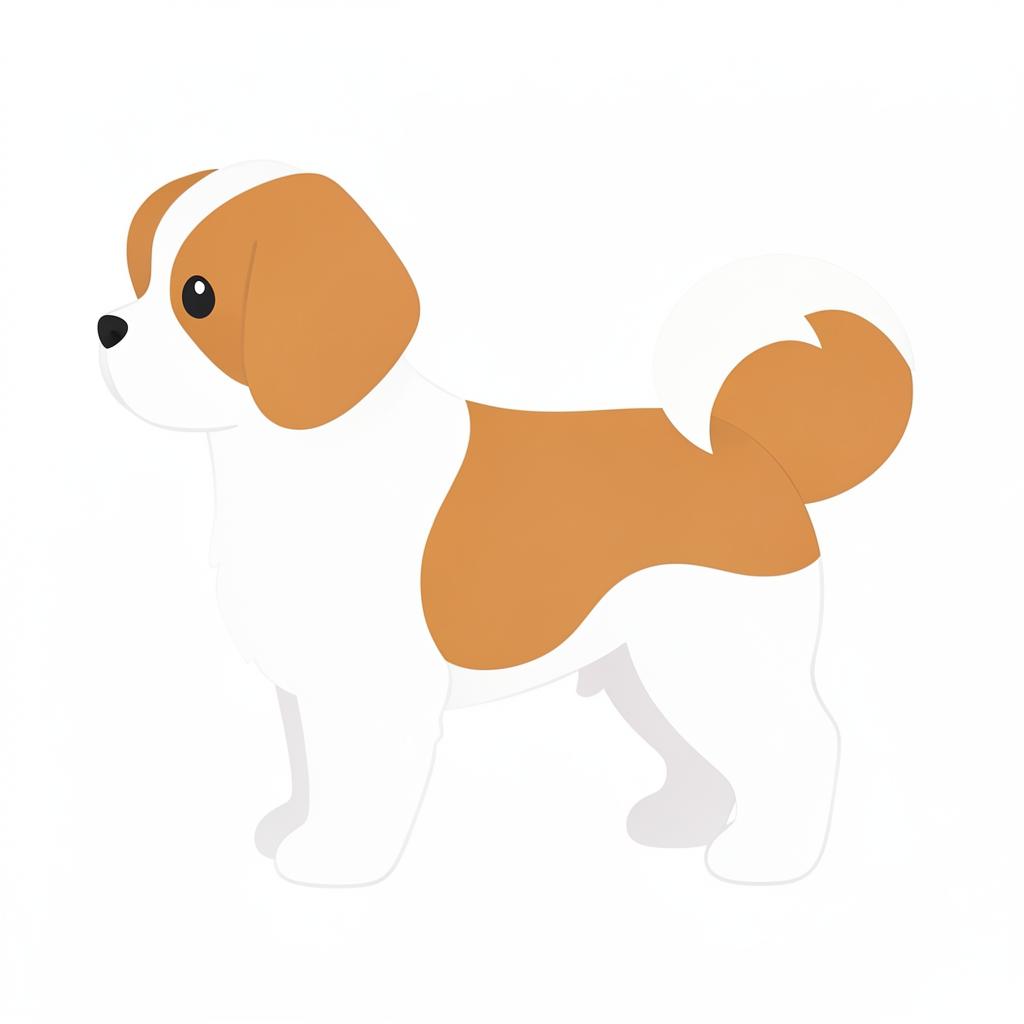
Parti-colour
Standard colour
A common Maltipoo coat; as an unregulated cross, no colour is officially 'accepted' or excluded.
Timeline
History & development
Late 20th century
Cross developed in the US
American breeders began crossing Maltese with Toy and Miniature Poodles for a small, low-shedding companion.
2000s
Doodle boom
The Maltipoo rode the same wave of popularity as the Cockapoo, Cavapoo and Labradoodle.
Today
One of the most searched crosses
The Maltipoo is among the most searched-for doodle crosses, popular with first-time owners and apartment dwellers.
Reference
Breed standard summary
- body
- Compact, light-boned and well-proportioned.
- coat
- Soft, wavy to curly, medium-to-long, low-shedding
- ears
- Variable — from the parent's drop ear to a softly feathered set.
- eyes
- Dark, round and bright.
- gait
- Light, free and springy.
- head
- Rounded and expressive, between the two parent types.
- size
- Height 8–14 in (20–36 cm); weight 5–20 lb (2–9 kg).
- tail
- Carried level to gently curved over the back; varies by individual.
- colour
- White, Cream, Apricot, Black, Chocolate, Silver, Parti-colour
- muzzle
- Short to medium, neat and functional.
- temperament
- Affectionate, playful and people-focused; nervousness or persistent aggression is undesirable.
- general appearance
- A small companion cross combining Maltese and Poodle (Toy or Miniature) traits; appearance varies by line.
Health
What to screen for
Green means little to worry about, amber means ask the breeder for test results, red means manage it actively.
Patellar luxation
Screen for it
Common in small crosses; ask for a patella check on both parents.
Progressive retinal atrophy
Screen for it
Ask for PRA DNA clearance on the Poodle parent.
White shaker syndrome
Watch closely
A tremor condition seen mostly in small white dogs; ask the breeder about family history.
Dental disease
Watch closely
Small mouths crowd teeth — daily dental care matters from puppyhood.
General information only — always speak to your vet about your own dog.
From real owners
Dogs like this
Maltipoos added by PawPoint members through their pet passports. Share yours to appear here.
Loading the wall…
Made for the Maltipoo
The book, plus prints, hoodies and mugs using our own Maltipoo illustration — and one everyday accessory that suits any dog.
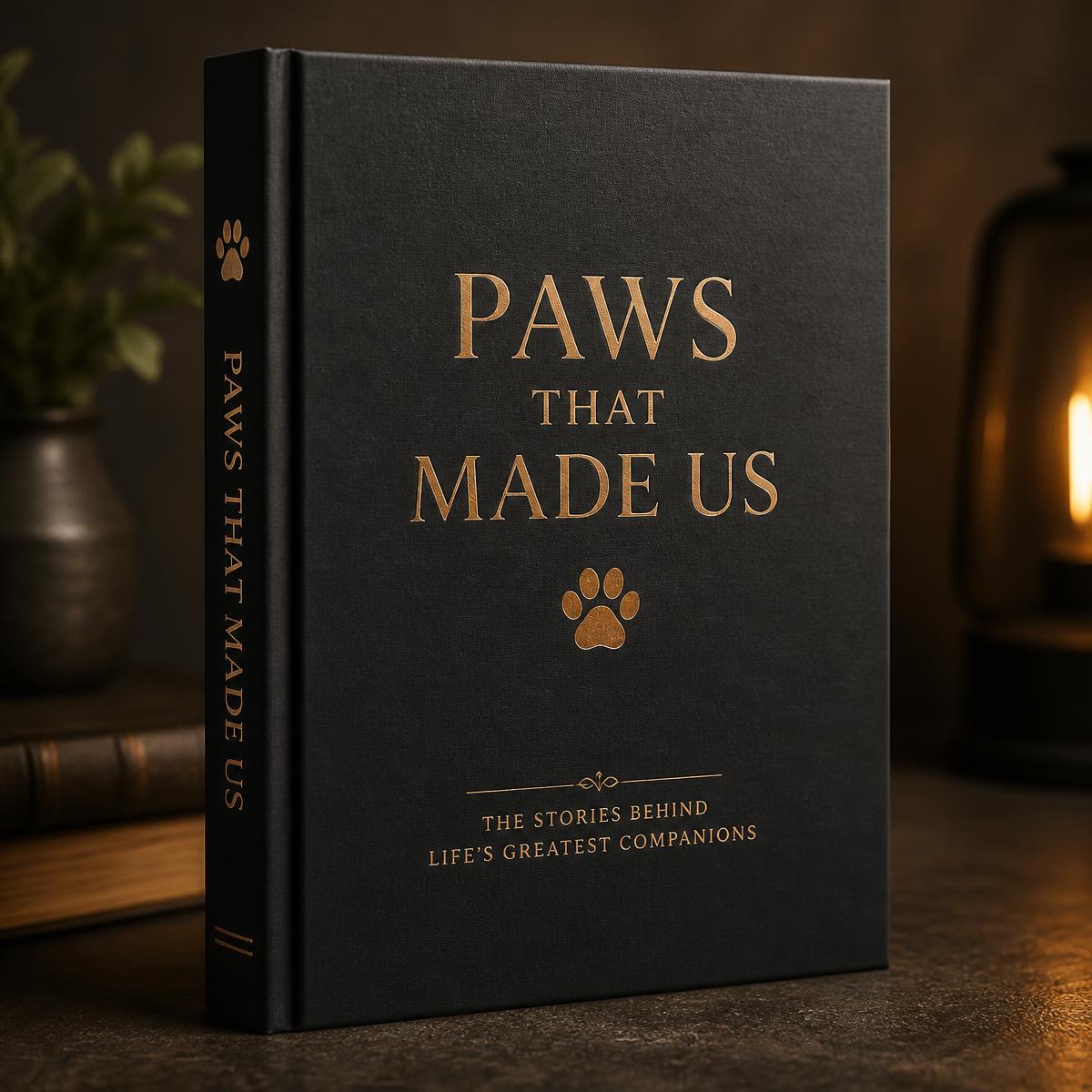
The book
Pawpoint: The Complete Dog Breed Book
Every officially recognised breed plus the unofficial ones nobody else documents. 400+ pages, hardback, printed and shipped from the UK.
Own stock — shipped by us
Framed poster
Maltipoo Framed Poster
Museum-weight print of our Maltipoo illustration, framed or unframed.
Printed to order
Hoodie
Maltipoo Hoodie
Heavyweight hoodie carrying the Maltipoo illustration on the chest.
Printed to order
Mug
Maltipoo Mug
Ceramic mug with the Maltipoo illustration wrapped around it.
Printed to order
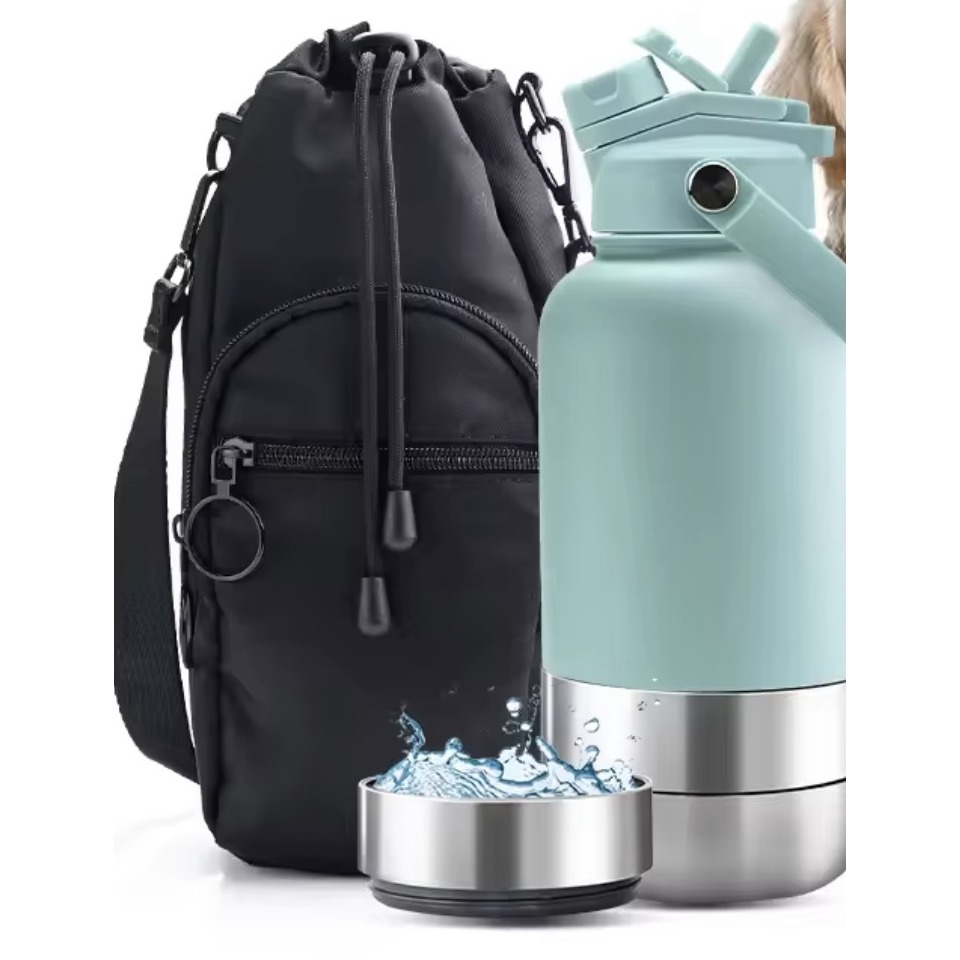
Accessory
Travel Water Bottle & Bowl
550ml bottle with a fold-out drinking trough.
Fits any dog

Pawpoint on YouTube
Watch the full Maltipoo video
Breed deep-dives, history and honest ownership talk. New film every week.
Watch now